

You’ve spent hours planning the perfect biking adventure. The route is mapped out, the gear is packed, and your bike awaits its moment to shine.
But there’s one crucial detail that could make or break your trip: how to balance weight on your bike rack. You might not realize it, but proper weight distribution is vital for a smooth and safe ride. Imagine cruising effortlessly down the road without worrying about wobbling or tipping over.
That’s exactly what you’ll achieve when you master the art of balancing your bike rack. Ready to unlock the secrets to a hassle-free biking experience? Dive in and discover how to make sure every ride is as perfect as you planned.
Credit: gearjunkie.com
Choosing The Right Bike Rack
Bike racks come in different types. Each type has its own use. Hitch racksattach to the back of a car. They are easy to use. Roof rackssit on top of the car. They keep bikes high and safe. Trunk racksstrap onto the trunk. They are usually cheaper but less stable. Platform rackshold bikes by the wheels. They are great for heavy bikes. Choose a type that fits your car and bike best.
Make sure the rack fits your car. Check the size and shape. Some racks need a hitch. Others need roof bars. Not all bikes fit all racks. Consider the bike’s weight and size. Electric bikesmight need special racks. Read the rack’s instructions. This helps avoid mistakes.
Credit: gearjunkie.com
Preparing Your Bikes For Loading
Knowing your bike’s weight is important. Check the manufacturer’s details for weight. Weigh the bike yourself using a scale. This helps balance the bike rack properly. Heavier bikes should be placed closer to the vehicle. Lighter bikes can go on the outer positions. This prevents strain on the rack.
Loose parts need attention before loading. Tighten bolts and screws. Secure handlebars and pedals firmly. Use straps to fasten any dangling parts. Ensure wheels are locked in place. Double-check attachments and fasteners. A secure bike makes the trip safer.
Positioning Bikes On The Rack
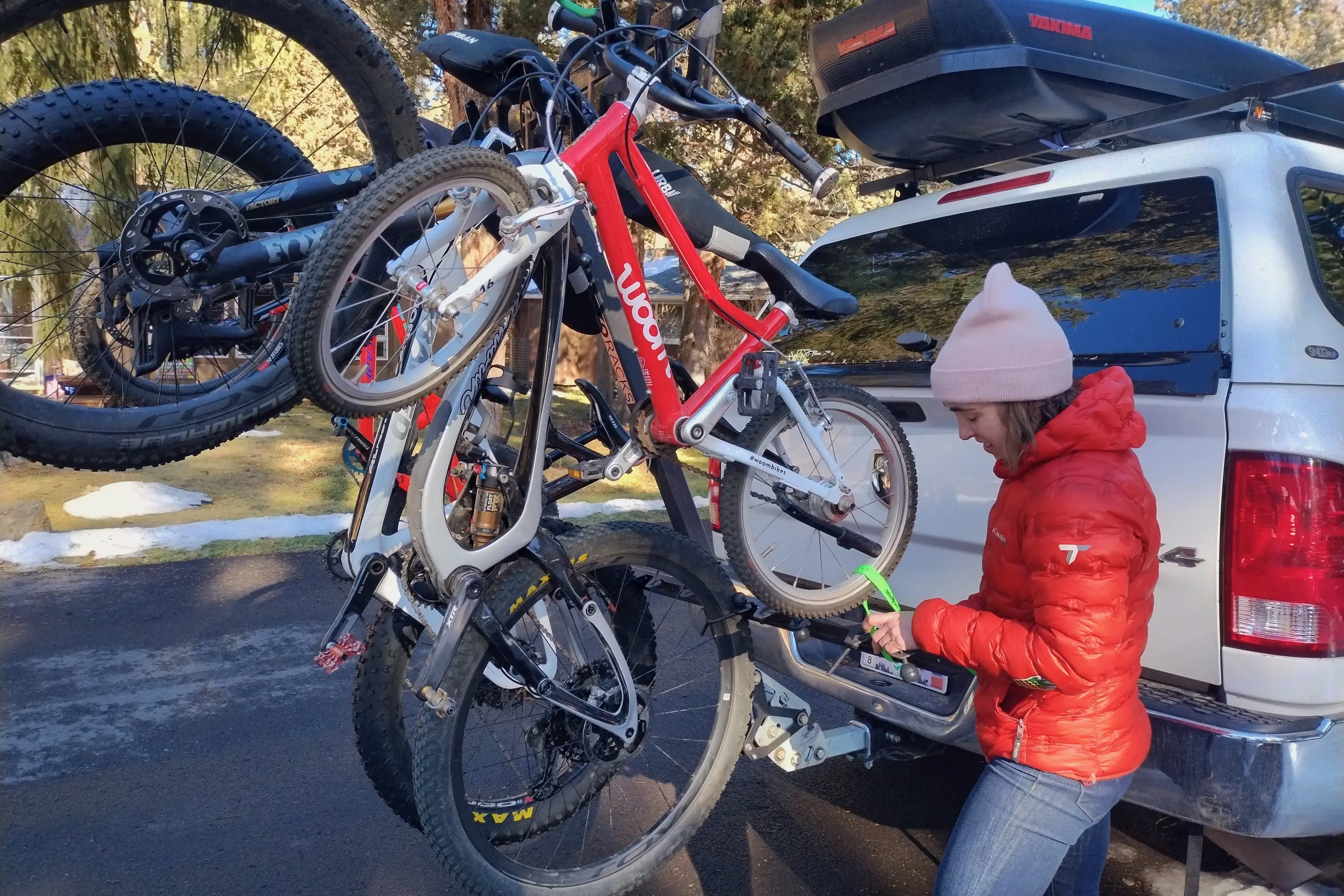
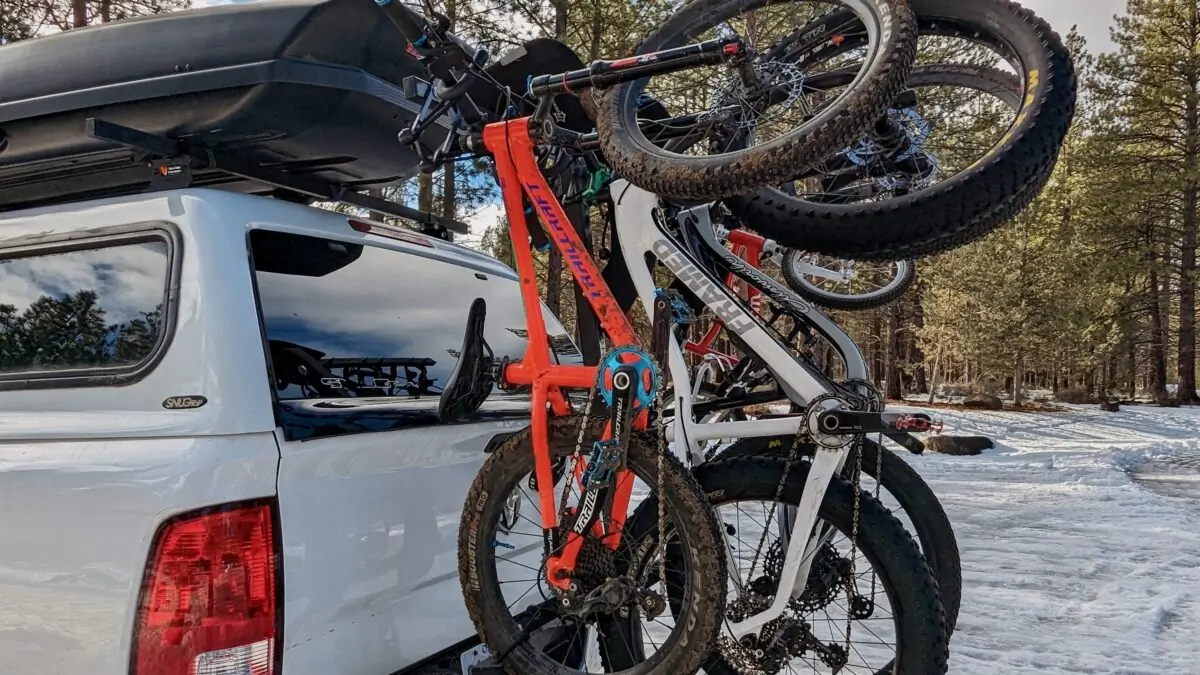
Place the heaviest bike closest to the car. This helps in keeping the rack stable. It reduces the chance of the car tipping. Arrange other bikes from heaviest to lightest. This ensures a balanced load. Always double-check the bike’s position. Make sure it is secure and won’t move.
Handlebars should face opposite directions. This prevents bikes from tangling. Rotate the pedals to avoid contact. Keep them away from other parts. Check the orientation before you drive. This ensures safety and prevents damage. Adjust any parts that stick out. This keeps the ride smooth and safe.
Securing Bikes Effectively
Strapsand cableshelp keep your bikes safe. Wrap straps tightly around bike frames. Make sure they are snug but not too tight. Use cables for extra security. Loop the cable through the bike and the rack. This makes it harder to steal. Check all connections before driving.
Once strapped, give each bike a gentle shake. They should not wobble much. Ensure the rack is firmly attached to the car. Check all locks and clips. Everything should feel tight and secure. If it feels loose, adjust the straps. Repeat this check before every trip. Safe bikes mean a safe journey.
Managing Weight Distribution
It’s important to spread the weight evenly on your bike. A balanced load helps the bike stay steady. Put heavier items closer to the bike frame. It ensures the bike doesn’t tip over. Keep lighter items on the outside. This helps maintain balance while riding.
Balancing Front And Rear Load
Distribute weight between the front and rear racks. Make sure each rack carries a similar load. It prevents strain on one side. Heavy bags should be on both racks. It keeps the bike balanced. Use straps to secure bags. This avoids shifting during the ride.
Adjusting For Road Conditions
Adjust load based on the road. For bumpy roads, secure items tightly. It stops items from bouncing around. On smooth roads, you can relax the straps. Always check the load before starting. A quick check ensures everything is secure.
Safety Checks Before Departure
Ensure the bike rack is securely fastenedto your vehicle. Wiggle it gently to confirm there’s no movement. Check all bolts and strapsare tight. If any part is loose, tighten it carefully. Look for any signs of wear or damage on the rack. Replace any worn-out parts immediately. Safety is very important.
Make sure your bike doesn’t blockvehicle lights or license plate. Adjust the position if needed. Ensure the bike is not wider than the car. This helps in avoiding accidents. Check the clearanceabove the bike. Ensure it will not hit any low-hanging objects. Always double-check before you start driving. Safety first!
Credit: canadarv.com
Frequently Asked Questions
How To Balance Your Weight On A Bike?
Shift your weight to maintain balance. Keep your core engaged and look ahead for better control. Distribute your weight evenly between the seat and handlebars. Adjust your body position for turns and obstacles. Practice regularly to improve your balance and confidence on the bike.
How Do I Stop Being Wobbly On My Bike?
Practice balancing by riding in a straight line. Keep your eyes forward, not down. Maintain a steady pace. Use both hands on the handlebars. Gradually increase your confidence and speed. Adjust seat height for comfort. Regularly check tire pressure for smooth rides.
How To Properly Load A Bike Rack?
Securely attach the bike rack to your vehicle. Position the heaviest bike closest to the car. Use straps to tightly secure each bike. Ensure no bike parts touch the vehicle. Regularly check stability during the journey.
Does Tongue Weight Apply To Bike Racks?
Yes, tongue weight applies to bike racks. It refers to the downward force exerted on the hitch. Ensure the bike rack and hitch can handle the combined weight of bikes and rack within the vehicle’s tongue weight limit. This ensures safe transportation and prevents damage.
Conclusion
Balancing weight on a bike rack keeps your ride smooth and safe. Always distribute weight evenly to prevent wobbling and potential accidents. Strap items securely to avoid shifting during travel. Check the weight limit of your bike rack before loading.
Practice loading your bike at home to ensure everything fits well. Regularly inspect your bike rack for wear and tear. Make adjustments as needed to maintain a balanced load. A well-balanced bike rack leads to a stress-free journey. Enjoy your ride and stay safe on the road!



