
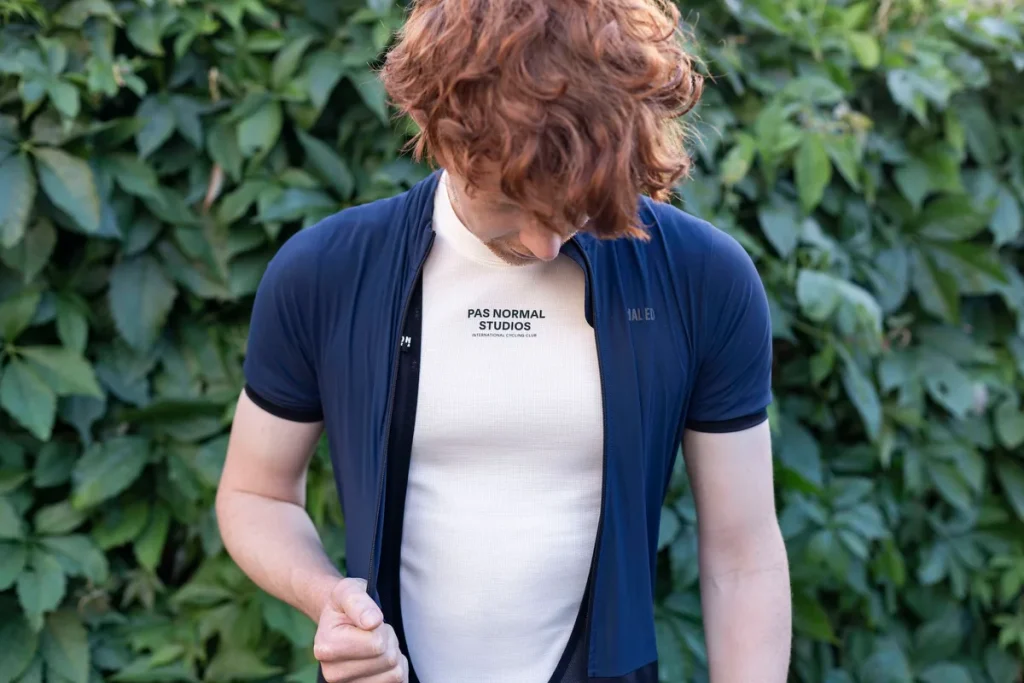
Are you tired of feeling too hot, too cold, or just plain uncomfortable during your rides? Finding the perfect balance in cycling jersey layering can transform your biking experience.
Imagine gliding through your route without the distraction of discomfort, fully immersed in the joy of cycling. We’ll guide you through simple yet effective layering tips that will keep you comfortable and focused on what really matters: enjoying your ride.
Whether you’re a casual cyclist or a seasoned pro, these insights will help you make the most out of every pedal. Ready to revolutionize your cycling comfort? Let’s dive in!

Credit: blog.gearchase.com
Choosing The Right Base Layer
Pick materials that breathe easily. Synthetic fibers like polyester are great. They wick away sweat fast. Merino wool is another option. It keeps you warm and dry. Both materials are soft and comfy.
A snug fit is key. Loose base layers can bunch up. They may cause discomfort. Look for stretchy fabrics. They move with you, providing ease and flexibility. Check for flat seams. These prevent rubbing and irritation.
Base layers help with temperature control. Choose lightweight options for warmer days. Thicker ones are better for cold. Layering lets you adapt to changing weather. You can add or remove layers as needed.
Mid-layer Essentials
Cycling jerseys are key to comfort. Choose breathable fabrics for your mid-layer. They regulate temperature and wick moisture.
Insulation Choices
Choose a mid-layer for warmth. Fleece is light and warm. Wool keeps you warm when wet. Down is soft and packs small. Each material has its own benefits. Choose what suits your needs.
Breathability Considerations
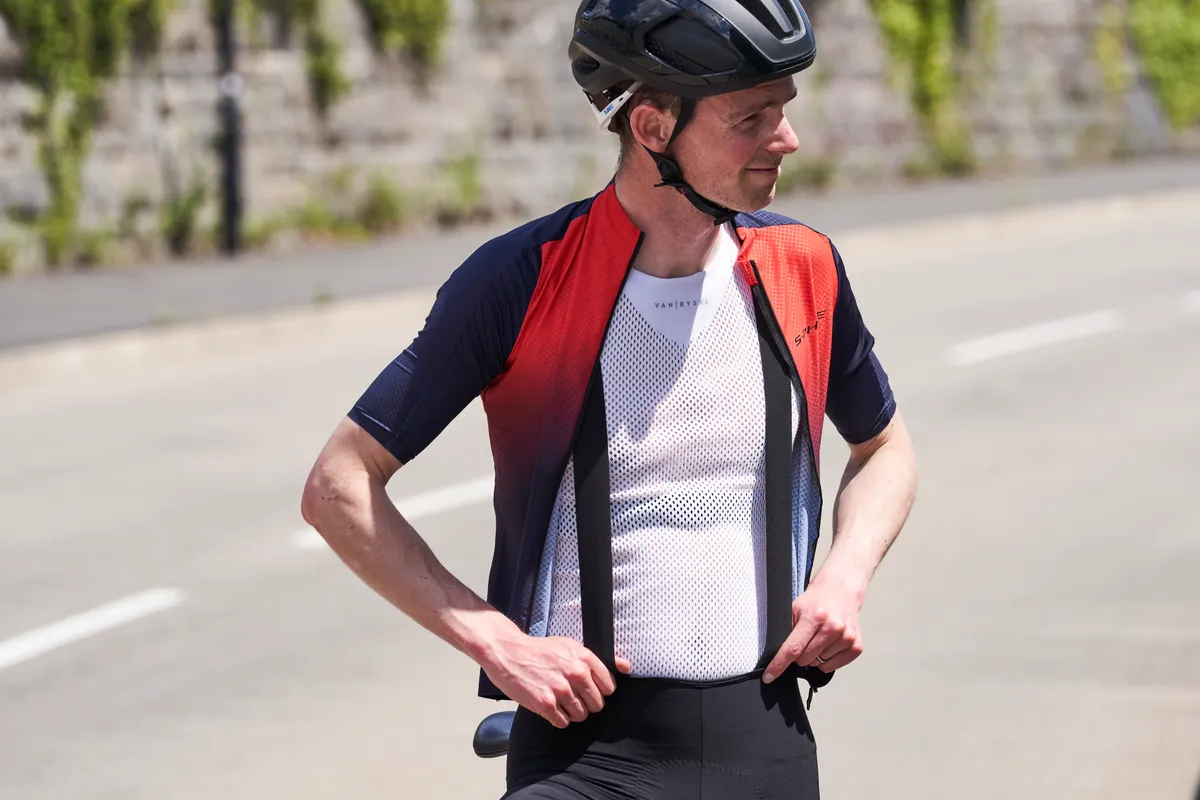
Breathable layers keep you dry. Sweat escapes easily. Mesh panels help air flow. Zippers give extra ventilation. Choose layers that breathe well. This keeps you comfortable.
Adaptability To Weather Changes
Weather can change quickly. Wear layers you can adjust. Zip-off sleeves offer flexibility. Stretchy fabric moves with you. Lightweight jackets are easy to carry. Be ready for sun and rain.
Outer Layer Options
Opt for a lightweight windbreaker or waterproof jacket as your outer layer. These protect against wind and rain while providing breathability. Consider visibility-enhancing colors for safety during low-light rides.
Wind And Water Resistance
Choose a jacket that blocks the wind. Windproof jackets keep you warm. When it rains, you need a waterproof jacket. It keeps you dry. These jackets help you stay comfy. They stop the wind and rain. Look for jackets with tight cuffs and hems. They stop wind from sneaking in. Make sure the jacket is not too tight. You need room to move.
Ventilation Features
Vents help you stay cool. Jackets with zippers under the arms are great. You can open them when you get hot. Some jackets have back vents. They let air flow through. This keeps you from sweating too much. You stay dry and comfy.
Visibility And Safety
Bright colors help you stand out. Reflective strips make you visible at night. Cars can see you better. Safety is important when cycling. Wear a jacket that others can see. Choose colors like yellow or orange. They are easy to spot. Always check for reflective parts.
Layering For Different Seasons
Wear a light cycling jersey in summer. Choose breathable and moisture-wicking fabric. A short-sleeve jersey keeps you cool. A sleeveless one is great for very hot days. Avoid dark colors; they absorb more heat. Pick bright colors for visibility. Use a thin base layer if the morning is cool. Stay hydrated and protect your skin from sunburn.
Layering is key for winter cycling. Start with a thermal base layer. Add an insulating mid-layer for warmth. Use a windproof jacket on top. Wear long-sleeve jerseys to keep your arms warm. Use gloves, a hat, and thick socks. Keep your head and hands warm. Choose a fleece-lined jersey for extra comfort. Stay visible with reflective gear.
Transitional weather can be tricky. Use a lightweight jacket for unpredictable days. Wear a short-sleeve jersey with arm warmers. Add a light windbreaker if it’s windy. Select a moisture-wicking fabric to stay dry. Layer a thin base under your jersey for cooler mornings. Remove layers as the day warms up.
Accessorizing For Comfort
Layering a cycling jersey can enhance comfort and performance. Start with a moisture-wicking base layer to keep dry. Add a breathable mid-layer for insulation, topped with a lightweight windbreaker.
Gloves And Socks
Gloveskeep your hands warm and safe. They help you grip better. Thick gloves are good for cold rides. Thin gloves work well in warm weather. Socksare very important too. Wool socks are warm and cozy. Thin socks are best for hot days. Choose socks that wick away sweat. This keeps your feet dry and comfy.
Headwear And Neck Gaiters
Headwearprotects your head from the sun. It also keeps you warm. A cap or hat is good for sunny rides. A beanie keeps your head warm in the cold. Neck gaiterskeep your neck and face warm. They block the wind and cold. Choose one that is soft and stretchy. It should fit comfortably around your neck.
Arm And Leg Warmers
Arm warmerskeep your arms warm in chilly weather. They are easy to take off if you get hot. Leg warmerskeep your legs cozy and warm. They fit snugly and are easy to carry. Both arm and leg warmers help in changing weather. They are perfect for early morning or late evening rides.
Tips For Long Rides
Wearing the right layers helps you stay comfortable. Start with a base layer that feels like a second skin. This layer should be snug and lightweight. A middle layer adds warmth during chilly rides. Choose a jacket that blocks wind and keeps you warm. Outer layers should be easy to add or remove. This helps you adjust to changing weather conditions.
Keeping dry is important for long rides. Moisture-wicking fabrics pull sweat away from your skin. This keeps you feeling fresh and dry. Avoid cotton clothes as they soak up sweat and stay wet. Use breathable layers that let air flow. This helps sweat evaporate quickly, keeping you cool.
Carry extra layers in case the weather changes. A small packable jacket fits in your jersey pocket. It can protect you from sudden rain or wind. Arm and leg warmers are also handy for chilly starts. They are easy to remove when it gets warmer. Packing smart ensures you are ready for any weather.
Sustainable And Eco-friendly Choices
Choose materials like organic cotton or recycled polyester for jerseys. These reduce waste and save resources. Hemp is also a good option. It grows fast and uses less water. Bamboo is another eco-friendly choice. It’s soft and breathable.
Many brands focus on sustainability. Patagonia uses recycled materials in their products. Rapha promotes fair trade practices. Vaude offers eco-friendly gear certified by environmental groups. These brands care about the planet.
Don’t throw away old cycling gear. Recycle it instead. Many companies accept old jerseys for recycling. You can also donate them. Some organizations give them to people in need. Recycling saves resources and helps the environment.

Credit: ryzon.net
Credit: www.bikeradar.com
Frequently Asked Questions
Should You Wear Anything Under A Cycling Jersey?
Wearing a base layer under a cycling jersey can enhance comfort and manage sweat. Choose moisture-wicking fabrics for optimal performance. Some cyclists prefer going without for a cooler feel. Personal preference and weather conditions often dictate the choice. Always ensure your choice enhances comfort and performance.
How To Layer While Cycling?
Start with a moisture-wicking base layer. Add an insulating mid-layer for warmth. Use a windproof or waterproof outer layer. Adjust layers based on weather conditions. Prioritize breathability and flexibility for comfort while cycling.
Do You Wear A Cycling Jacket Over A Jersey?
Yes, wearing a cycling jacket over a jersey is common. It provides extra warmth and protection from wind and rain. Ensure the jacket is breathable to prevent overheating. Choose lightweight materials for comfort during long rides. Proper layering enhances performance and comfort while cycling.
Is It Better To Hang Or Fold Cycling Jerseys?
Hanging cycling jerseys prevents wrinkles and maintains their shape. Use padded hangers to avoid stretching. Folding is better for limited space and reduces hanger marks. Choose based on storage conditions to keep jerseys in top condition.
Conclusion
Mastering cycling jersey layering is essential for comfort. Start with a breathable base layer. Add insulation for warmth. Choose flexible layers for easy movement. Plan for weather changes. Consider windbreakers for breezy rides. Don’t forget rain gear on wet days.
Adjust layers as needed. Stay dry and comfortable with moisture-wicking fabrics. Keep your ride enjoyable with proper layering. Cycling becomes more fun with the right outfit. Be prepared for any weather. Enjoy the journey in comfort and style. Happy cycling!



