

Choosing the right mountain bike can feel like a daunting task. With countless options and features, it’s easy to feel overwhelmed.
But don’t worry; you’re not alone in this journey. Imagine the thrill of conquering rugged trails and the freedom of exploring nature’s untouched beauty. The right mountain bike can make this dream a reality. This guide is here to simplify the process and help you make a confident decision.
You’ll discover the key factors to consider, ensuring your new bike meets your unique needs and enhances your riding experience. Ready to find your perfect ride? Let’s dive in and explore how to choose a mountain bike that fits your adventure style.

Bike Size Calculator
Our interactive Bike Size Calculator makes choosing the right mountain bike frame simple and accurate. By entering your height in feet/inches or centimeters, the calculator instantly suggests the perfect frame size within seconds.
Whether you’re shopping online or at a bike shop, this tool eliminates the guesswork and matches your measurements with the correct XS, S, M, L, or XL recommendation. It also displays frame sizes in inches for easy comparison across different brands. If you fall between two sizes, the calculator provides tips to choose the right fit based on comfort and riding style.
Men’s Mountain Bike Size Guide
Select your height range to see the recommended MTB frame size (XS–XL).
Good for riders 4’10″–5’2″ (148–158 cm). Choose smaller for agility; check brand geometry for precise fit.
Good for riders 5’2″–5’6″ (158–168 cm). Try test rides when between sizes.
Good for riders 5’6″–5’10” (168–178 cm). Medium is the most common size.
Good for riders 5’10″–6’1″ (178–185 cm). Choose larger for high-speed stability.
Good for riders 6’1″–6’4″ (185–193 cm). Confirm with brand geometry charts.
Women’s Mountain Bike Size Guide
Select the height band that matches you to see the recommended frame size for women’s mountain bikes.
Good for riders ~4’10″–5’1″ (147–155 cm). Consider standover and reach — test ride if unsure.
Good for riders ~5’1″–5’4″ (155–163 cm). Size may vary with brand geometry; try before buying.
Good for riders ~5’4″–5’7″ (163–170 cm). Ideal if you want a balanced ride for trail and cross-country.
Good for riders ~5’7″–5’10” (170–178 cm). Offers more stability at speed and on rough terrain.
Good for riders ~5’10″–6’1″ (178–185 cm). Confirm with brand geometry; some brands use gender-neutral sizing.
Types Of Mountain Bikes
When you’re planning to buy a mountain bike, understanding the different types available can make a big difference in choosing the right one for you. Each type is designed for specific terrains and riding styles, so knowing what suits your needs will enhance your biking experience. Whether you’re a beginner or a seasoned rider, picking the right bike can transform your adventures on the trails.
Cross Country Bikes
Cross country bikes are the marathon runners of the mountain bike world. They’re lightweight and efficient, perfect for long-distance rides. If you enjoy racing or spending extended hours on varied terrain, this might be your go-to option. These bikes are designed for speed and stamina, helping you cover ground quickly. I once challenged myself on a cross country bike, aiming to complete a 50-mile trail. The bike’s agility made the distance feel manageable and enjoyable.
Trail Bikes
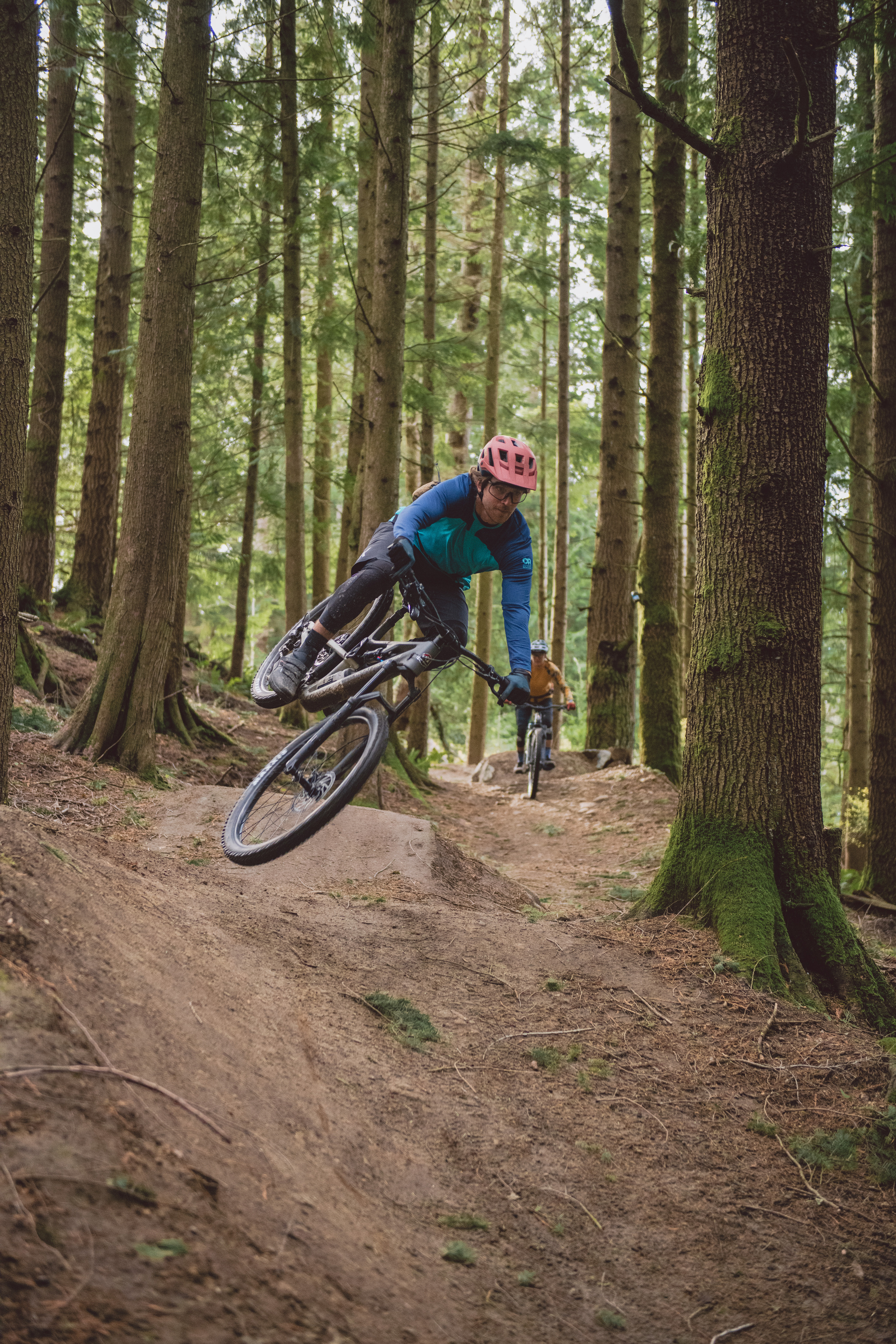
Trail bikes are the all-rounders, offering balance between climbing and descending. They’re versatile and can handle diverse terrains, making them ideal for mixed trails. If you crave variety and want a bike that adapts to different conditions, trail bikes are a great choice. They’re like your trusty companion that handles surprise turns and jumps effortlessly. Imagine you’re on a trail that suddenly switches from smooth paths to rocky descents—trail bikes are built for that kind of unpredictability.
Enduro Bikes
Enduro bikes are built for those who love challenging descents but need a bike that can still climb efficiently. They have robust suspension systems, making them perfect for rough terrains. If you enjoy downhill racing or want to push your limits on steep trails, enduro bikes won’t disappoint. I remember tackling a steep trail with my enduro bike; the confidence it gave me was unmatched, allowing me to focus on the thrill rather than the technicalities.
Downhill Bikes
Downhill bikes are the adrenaline junkies’ dream. They’re specifically designed for going downhill at speed, with heavy-duty frames and suspension. These bikes thrive on gravity-fed trails, offering stability and control on the wildest descents. If you’re someone who lives for the thrill of fast-paced downhill rides, this is your perfect match. Picture yourself on a downhill bike, flying down a steep slope—it’s an experience that feels like conquering the mountain itself.
Have you thought about which type of mountain bike aligns with your riding style? Choosing the right one can elevate your biking adventures, making every ride more memorable and enjoyable.

Frame Material Options
Choosing the right mountain bike frame material is crucial. Aluminum offers durability and affordability. Carbon fiber provides a lightweight feel and superior performance. Steel frames are sturdy and absorb shocks well. Consider your budget and riding style to select the best material for your needs.
Choosing the right mountain bike involves several crucial decisions, and one of the most important is selecting the frame material. Each material offers different benefits and drawbacks, impacting the bike’s performance, durability, and cost. Understanding these options can help you make an informed choice that matches your riding style and budget.
Aluminum Frames
Aluminum frames are a popular choice for many mountain bikers. They are lightweight and affordable, making them an excellent option for beginners and seasoned riders alike. I remember my first aluminum bike; it was easy to handle and didn’t break the bank. Aluminum frames are known for their stiffness, which can translate to a responsive ride. However, this stiffness may also mean a less comfortable ride on rough trails. If you value speed over comfort, aluminum might be your perfect match.
Carbon Fiber Frames
Carbon fiber frames are for those who crave performance. They are incredibly lightweight and offer a smooth ride, absorbing trail vibrations better than other materials. The first time I rode a carbon fiber bike, I was amazed at how effortlessly it climbed hills. These frames are more expensive, which can be a hurdle for budget-conscious riders. However, the investment might be worth it if you’re serious about mountain biking and want top-tier performance. Are you willing to invest in the best to enhance your riding experience?
Steel Frames
Steel frames are often praised for their durability and comfort. They provide a smooth and forgiving ride, which can be a blessing on long or bumpy trails. My old steel bike felt like a reliable friend, always ready for the next adventure. While steel is heavier than aluminum or carbon fiber, it’s also more robust and can handle rough treatment. If you’re not in a rush and prefer a bike that lasts, steel might be your best bet. Would you trade a bit of weight for longevity and comfort?
Titanium Frames
Titanium frames are the luxury option in mountain biking. They combine the best qualities of other materials: lightweight like aluminum, strong like steel, and comfortable like carbon fiber. Riding a titanium bike feels like gliding on air, with a price tag to match.
These frames are often chosen by enthusiasts who want a bike that performs exceptionally well and lasts a lifetime. They can be a significant investment, so consider if you’re ready to commit to high-end biking. What does the perfect ride mean to you? In summary, each frame material offers something unique. Think about your riding style, budget, and what you value most in a bike. Your decision will shape not just your bike, but your entire mountain biking experience.

Suspension Systems
Choosing the right mountain bike can be a thrilling yet daunting task. One crucial aspect to consider is the suspension system. Suspension systems play a vital role in the performance and comfort of your ride. They absorb the shocks from rough terrains, making your biking experience smoother and more enjoyable. But how do you decide which type suits your needs? Let’s dive into the details.
Hardtail Vs. Full Suspension
Imagine you’re riding over a rocky trail. A hardtail bike, with suspension only in the front fork, offers simplicity and lighter weight. It’s perfect for beginners or those who ride on smoother trails. You feel every bump, but gain more control and efficiency on climbs.
On the other hand, full suspension bikes have shocks in both the front and rear. They provide a cushioned ride on rough terrains. If you’re tackling challenging trails, full suspension offers better traction and comfort. You might feel the weight difference, but the enhanced ride experience can be worth it.
Suspension Travel Explained
Suspension travel refers to the distance your bike’s suspension can compress under pressure. It’s a crucial factor in how your bike handles different terrains. Shorter travel suits cross-country rides where you need efficiency and speed.
For downhill and more aggressive trails, longer travel is beneficial. It absorbs bigger impacts, giving you more control and reducing fatigue. Think about where you’ll be riding most often. Match the suspension travel to your adventure needs.
Why not test both types of suspension systems? Visit your local bike shop and ask for a demo ride. Feel the difference firsthand. What challenges do you face on your rides? Choosing the right suspension might just transform your biking experience.
Credit: www.rei.com
Wheel Sizes And Types
Choosing the right mountain bike wheel size and type can drastically affect your biking experience. Whether you’re cruising down trails or tackling rocky terrains, the perfect wheel can make all the difference. But with various options available, how do you decide which is best for you?
26-inch Wheels
26-inch wheels were once the standard for mountain bikes. They offer agility and are great for tight trails. If you prioritize quick, sharp turns, these might be your best bet. Many riders find them ideal for technical trails where precision is key.
27.5-inch Wheels
27.5-inch wheels strike a balance between agility and stability. They provide better rollover ability than 26-inch wheels, handling obstacles with ease. These wheels are perfect for riders who want a mix of speed and control. Imagine gliding smoothly over rocks and roots, maintaining your flow.
29-inch Wheels
29-inch wheels are known for their superior rollover capabilities. They excel on rough terrains and are ideal for long-distance rides. You’ll find that these wheels maintain momentum, making climbs less strenuous. They’re perfect if you love covering ground quickly and efficiently.
Tubeless Tires Benefits
Tubeless tires have become increasingly popular among mountain bikers. They reduce the risk of flats and allow you to ride at lower pressures for better traction. Imagine no more mid-ride tube changes; just pure uninterrupted adventure. Have you ever thought about the freedom that comes with less maintenance? It’s worth considering.
When choosing your mountain bike wheels, think about your riding style and the trails you frequent. Consider how each wheel type can enhance your biking experience. What challenges do you face on your rides, and which wheel size and type can help you overcome them? Your choice can transform your ride from ordinary to exhilarating.
Drivetrain Components
Choosing the right drivetrain components for your mountain bike is crucial. They affect how smoothly you ride through trails. Drivetrain components include parts like chainrings, cassettes, and derailleurs. These parts help transfer your pedal power to the wheels. Understanding these components can enhance your biking experience.
Single Vs. Multiple Chainrings
Chainrings are the gears attached to the crankset. A single chainring setup is simple and lightweight. It reduces the chances of the chain falling off. This setup suits riders on easy or moderate terrains. Multiple chainrings offer a broader gear range. They are ideal for varied terrains. With multiple chainrings, you have more gear options for climbing and descending. This flexibility can benefit those who ride diverse trails.
Gear Range Considerations
Gear range refers to the variety of gears available. A wider gear range helps tackle steep hills and fast descents. Consider your local terrain when choosing a gear range. Flat areas may need fewer gears. Hilly regions benefit from a broader range. Assess your riding style too. Some riders prefer challenging climbs. Others enjoy smooth, fast rides. Your choice should match your biking preferences.
Braking Systems
Choosing the right braking system is essential for your mountain bike. It affects both safety and performance on trails. Understanding the differences can help make an informed decision.
Disc Brakes Vs. Rim Brakes
Disc brakes are popular in mountain biking. They offer strong stopping power in all weather. Unlike rim brakes, disc brakes work better in muddy conditions. Rim brakes are lighter and easier to maintain. They are less effective in wet conditions. Consider the terrain and climate you will ride in.
Hydraulic Vs. Mechanical Brakes
Hydraulic brakes provide smooth and consistent braking. They require less effort from the rider. This system self-adjusts as pads wear down. Mechanical brakes use cables to operate. They are easier to repair on the trail. Hydraulic brakes cost more but offer better performance. Mechanical brakes are budget-friendly and simpler to fix.
Fit And Sizing Guide
Choosing the right mountain bike is crucial. A good fit ensures comfort and performance. This guide helps you find the right size. It covers frame size, saddle height, and handlebar positioning. Each element plays a vital role.
Importance Of Frame Size
The frame size affects your comfort. Too large or small can cause discomfort. Measure your inseam to find the right size. Stand over the bike with both feet flat. There should be a 2-4 inch gap between you and the top tube. This ensures safe and easy mounting.
Adjusting Saddle Height
Saddle height impacts pedaling efficiency. Adjust the saddle for a slight knee bend. Sit on the saddle and place your heel on the pedal. The leg should be almost straight when the pedal is at its lowest point. This position prevents knee strain and enhances comfort.
Handlebar Positioning
Handlebar position affects control and comfort. The handlebars should be level with the saddle. This setup provides a balanced riding posture. Your elbows should be slightly bent. This position absorbs shocks and reduces fatigue. Adjusting the handlebars can improve your riding experience.
Budgeting Tips
Choosing the perfect mountain bike can be exciting yet challenging. One crucial aspect is budgeting. Knowing how to allocate your funds effectively ensures you get a bike that meets your needs. It’s essential to strike the right balance between quality and cost while focusing on features that matter most.
Balancing Quality And Cost
Investing in a mountain bike requires careful consideration of quality. High-quality bikes often come with a higher price tag. But that doesn’t mean you need to spend a fortune. Assess your riding needs first. Beginners might find mid-range bikes sufficient. These offer good durability without breaking the bank.
Consider buying from reputable brands. They tend to offer reliable quality. Look for sales or discounts. This can help in obtaining a good deal. A second-hand bike might be an option. Ensure it’s in good condition if you choose this route.
Prioritizing Essential Features
Identify the features most important for your riding style. Do you need a full suspension or a hardtail? The terrain you’ll ride impacts this choice. For rough trails, a full suspension provides comfort. Flat trails might only need a hardtail, which is often cheaper.
Consider the bike’s weight. Lighter bikes are easier to handle but may cost more. Decide if you need additional features like hydraulic brakes or advanced gear systems. These can enhance your riding experience but may stretch your budget. Stick to features you will use regularly. This ensures you get value without unnecessary expenses.
Expert Recommendations
Choosing the right mountain bike can be overwhelming. Expert recommendations simplify the decision process. Experts know the best brands and models. Their advice caters to beginners and seasoned riders alike.
Top Brands To Consider
Several brands dominate the mountain bike market. Trek is renowned for durability and innovation. Specialized offers high-performance bikes for various terrains. Giant provides quality at affordable prices. Each brand has unique features and benefits. Researching these brands will help you find a reliable bike.
Popular Models For Beginners
Beginners need bikes that are easy to handle. The Trek Marlin series is a great choice. It’s affordable and user-friendly. The Specialized Rockhopper is another excellent option. It offers stability and comfort for new riders. Giant’s Talon series is designed with beginners in mind. These models ensure a smooth learning experience.
Advanced Options For Enthusiasts
Enthusiasts seek advanced features and performance. The Trek Fuel EX series stands out for its versatility. Specialized Stumpjumper is perfect for challenging trails. Giant’s Trance series offers superior control and speed. These bikes cater to serious riders. Investing in quality ensures a thrilling ride experience.

Credit: www.theproscloset.com
Maintenance Essentials
Maintaining your mountain bike ensures a smooth and safe ride. Neglecting maintenance can lead to costly repairs and unsafe biking. Proper care extends the life of your bike. It also ensures peak performance on trails. Learn the basics of bike upkeep to enjoy every ride.
Routine Checks And Cleaning
Regular checks keep your bike in good shape. Inspect tires, brakes, and chains weekly. Look for wear, tear, or damage. Clean your bike after muddy rides. Use a gentle soap and water. Dry it thoroughly to prevent rust. Lubricate the chain to keep it running smoothly.
Common Repairs And Solutions
Flat tires are a common issue. Carry a repair kit to patch them. Brake pads wear down over time. Replace them when they become thin. Chains may slip or break. Keep them lubricated and replace worn links. Ensure gears shift smoothly by adjusting derailleurs.

Credit: www.gearx.com
Frequently Asked Questions
How To Decide What Mountain Bike To Get?
Consider terrain type, budget, and riding style. Research bike features like suspension, frame material, and wheel size. Visit a local bike shop for test rides. Check online reviews and ratings for insights. Prioritize comfort and fit to ensure a great riding experience.
What Are The Three Types Of Mountain Bikes?
The three types of mountain bikes are cross-country, trail, and downhill. Cross-country bikes are lightweight for speed and climbing. Trail bikes balance climbing and descending abilities. Downhill bikes are robust, designed for steep, technical descents. Each type caters to different terrains and riding styles.
What Size Mountain Bike Do I Need For My Height And Weight?
Choose a mountain bike size based on your height. Use bike size charts from manufacturers for accuracy. Typically, riders 5’4″ to 5’7″ need a medium frame, while 5’8″ to 6’0″ prefer large. Weight doesn’t impact frame size but consider suspension adjustments for comfort.
What Is Better, A 26 Or 29 Mountain Bike?
A 29-inch mountain bike offers better speed and stability, ideal for long trails and smoother terrain. A 26-inch bike provides agile handling and is perfect for technical trails and tighter spaces. Choose based on your terrain preference and riding style.
Each size offers unique benefits for different biking experiences.
Conclusion
Choosing the right mountain bike can feel overwhelming. Focus on your needs. Consider the terrain you’ll ride on. Think about your budget. Don’t forget comfort and fit. Test different models before buying. Ask for advice from friends or experts. Remember, a good bike should match your style and needs.
Take your time making a decision. Happy biking!



