

Winter cycling can be a thrilling adventure, but the biting cold and unpredictable weather require some preparation. If you love cycling and want to keep pedaling even when the temperature drops, you’re in the right place.
Imagine cruising through a winter wonderland without worrying about how to carry your gear or essentials. Using a rack for winter cycling can transform your experience, making it not only possible but enjoyable. Picture this: you’re gliding through crisp air with everything you need securely packed and easily accessible.
No more juggling bags or fearing that your gear will fall off mid-ride. With the right rack setup, you can maintain balance and focus on the beauty around you rather than on logistical nightmares. Whether you’re commuting to work or exploring snowy trails, the right rack can be your trusty companion. Read on to discover how to choose, install, and maximize the use of racks for your winter cycling adventures. You’ll learn tips and tricks that can keep your gear safe and your rides smooth, ensuring that winter cycling is not just a seasonal hobby, but a year-round passion. Are you ready to elevate your winter cycling experience? Let’s dive in!
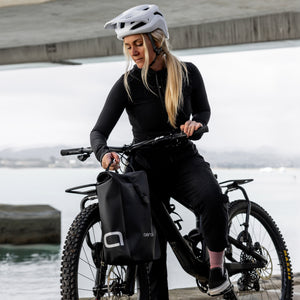
Credit: aeroe.com
Choosing The Right Rack
Bike racks come in various types. Some attach to the front of the bike. Others fit on the back. There are racks that sit above the wheel. Each type has its own benefits. Front racks are easy to access. Rear racks can carry more weight. Above-wheel racks are great for balance. Choose based on your needs.
Bike racks are made from different materials. Aluminum racks are light. Steel racks are strong. Titanium racks are both light and strong. Aluminum suits short rides. Steel fits long trips. Titanium is best for harsh conditions. Consider the weatherand your travel plans. Pick a material that will last.

Credit: yakima.com
Installation Tips
Ensure the rack is securely attached to your bike frame for stability. Use waterproof panniers to keep gear dry during rides. Regularly check all fastenings to avoid any loosening due to cold weather.
Tools Needed For Installation
- Allen wrench
- Screwdriver
- Socket wrench
- Rack hardware kit
Step-by-step Guide
Start by gathering all tools and parts. This makes installation easier. Ensure your bike is stable. Use a bike stand if needed. Begin by aligning the rack with the bike holes. Secure the rack with screws. Use an Allen wrench for this step. Tighten each screw firmly. Check if the rack is level. Adjust if necessary. Attach any extra parts. Follow instructions from the hardware kit. Test the rack’s stability. Push gently to check firmness. Make sure the rack does not move. Once stable, installation is complete. Enjoy safe winter rides with your new rack!
Packing Essentials For Winter
Utilize a sturdy rack for winter cycling to carry extra gear effortlessly. Securely attach bags for essentials like gloves, hats, and thermal layers. Ensure easy access to items without compromising safety or balance.
Layering Techniques
Start with a base layer to keep warm. It should be thin and snug. Next, wear a middle layer for insulation. This could be a fleece or wool sweater. Finally, add an outer layer. This layer protects against wind and rain. Make sure it’s waterproof and windproof. Wear gloves to keep your hands warm. Don’t forget a hat under your helmet. This keeps your head cozy.
Emergency Gear
Always carry an emergency kit. It should include a small first-aid kit. Bring a flashlight in case it gets dark. Pack an extra tube and pump for tire troubles. Have a multi-tool for quick repairs. Carry some energy bars for energy boosts. A thermal blanket can help in emergencies. Keep everything in a waterproof bag. This keeps them safe from snow and rain.

Credit: www.instagram.com
Weatherproofing Your Load
Weatherproofing your load is essential for winter cycling. Use racks to secure and protect gear from snow and rain. Properly anchored racks ensure stability and keep your belongings dry during rides.
Waterproof Covers
Keep your belongings dry with waterproof covers Protect fragile items from bumps. Wrap them in soft material, like bubble wrap or towels. Use sturdy boxes for extra safety. Fasten boxes securely to the rack with strong straps. Check that nothing moves during your ride.Securing Fragile Items
Safety Measures
Ensure your bike rack is securely fastened to prevent shifting while cycling. Use reflectors and lights on the rack for visibility. Regularly check for loose parts to maintain stability.
Visibility Enhancements
Being seen is crucial for winter cycling. Wear bright, reflective clothingto stand out. Attach lightsto your bike for better visibility. Front and rear lights are most important. Consider using spoke lights too. These help in low-light conditions. Add reflective tape to your helmet and bike frame. This increases visibility from all angles. Always check your lights before each ride. Ensure they are fully charged.
Weight Distribution Tips
Balance is key for a safe ride. Distribute weight evenly on your rack. Heavier items should go at the bottom. This lowers the center of gravity. Keep similar weights on both sides. Avoid overloading one side. Use panniersor bike bags for better balance. Secure items tightly to prevent shifting. Check weight limits of your rack. Never exceed these limits for safety.
Maintenance And Care
Ensure your rack is securely attached to your bike for winter rides. Check screws and bolts regularly for tightness. Use waterproof bags or covers to protect items from snow and rain.
Routine Checks
Check your bike rack before every ride. Look for loose bolts or cracks. Tighten any loose parts immediately. Ensure the rack is securely attached to the bike. Test by gently shaking the rack. It should not move.
Rust Prevention
Rust can damage your rack. Wipe the rack with a dry cloth after rides. Store your bike indoors to keep it dry. Apply a thin layer of oil on metal parts. This helps in preventing rust. Inspect for rust spots regularly. Sand them down if you find any. Keep your rack clean and rust-free.
Expert Advice
Many forget to check the weight limitof their bike rack. Overloading can cause accidents. Always secure items tightly to avoid slipping. Using the wrong type of rack is common too. Not all racks suit every bike. Choose one that fits well. Neglecting to check weather conditions is another mistake. Ice and snow can make roads slippery. Always plan your route ahead. These simple checks keep rides safe.
Dress in layers to stay warm. Cold wind can chill quickly. Use waterproof bags to protect belongings. Wet items can be uncomfortable. Check your tires for proper grip. Winter roads are tricky. Keep a small repair kit handy. Quick fixes save time. Practice riding with the rack before long trips. Familiarity boosts confidence. Enjoy your winter rides with these tips.
Frequently Asked Questions
How To Properly Store A Bike For The Winter?
Clean your bike thoroughly to prevent rust. Lubricate chains and cables for protection. Store indoors or cover to shield from elements. Inflate tires to prevent flat spots. Remove or disconnect battery if possible.
How To Properly Use A Bike Rack?
Secure the bike by placing it on the rack with the frame touching. Use straps to fasten wheels. Lock the frame and wheels to deter theft. Ensure the bike is stable before driving. Regularly check for wear or damage on the rack.
What Is The Point Of A Rear Rack On A Bike?
A rear rack on a bike provides extra storage for carrying bags, groceries, or gear. It enhances convenience for commuting or touring. Riders can attach panniers or baskets, reducing backpack strain. A well-mounted rear rack improves balance and stability, making it easier to transport items efficiently and safely.
How Fast Can You Drive With A Bike Rack?
Drive under 70 mph with a bike rack. High speeds can cause instability and damage. Check the manufacturer’s guidelines for specific limits. Ensure bikes are securely fastened to avoid accidents. Regularly inspect the rack and bikes during travel for safety.
Adjust speed according to road conditions.
Conclusion
Racks make winter cycling easier and more enjoyable. They help carry gear safely. No need to worry about balance. Install a sturdy rack. Pack wisely, and you’re ready to ride. Keep essentials secure and dry. Plan your route, and stay safe.
Enjoy the winter scenery. Feel the crisp air as you pedal. Remember to dress warmly. Layer up for comfort and warmth. With a good rack, winter cycling becomes a fun adventure. Explore new paths. Discover the beauty of winter landscapes on two wheels.
Happy cycling!



