
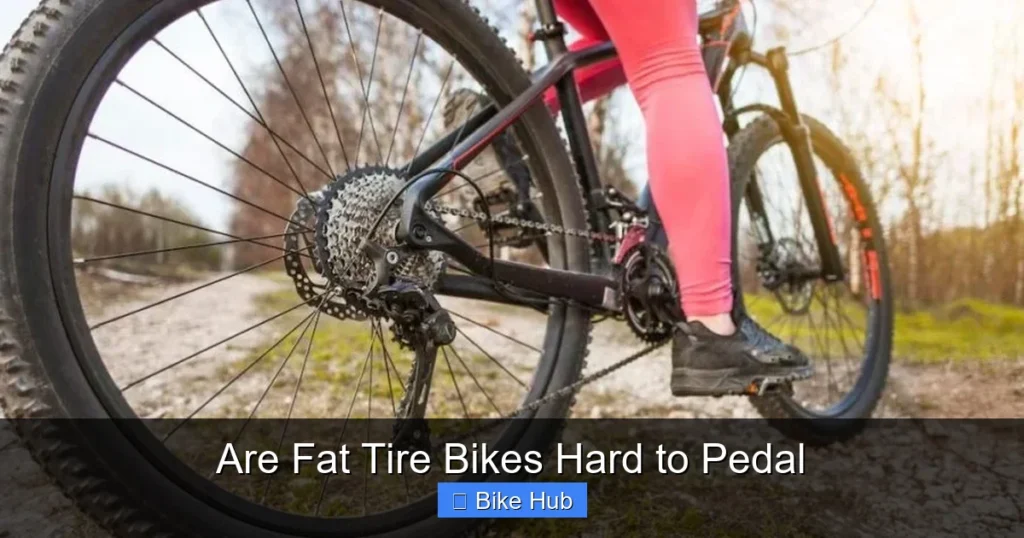
Fat tire bikes are often perceived as harder to pedal due to their wide tires and added weight, but this isn’t always the case. With the right tire pressure, gearing, and riding technique, you can make pedaling smoother and more efficient. This guide walks you through practical steps to reduce resistance and enjoy a more comfortable ride.
[FEATURED_IMAGE_PLACEHREEN_PLACEHOLDER]
Key Takeaways
- Tire pressure matters: Running fat tires at the correct PSI reduces rolling resistance and improves pedaling efficiency.
- Weight affects effort: Heavier frames and components require more energy to accelerate and maintain speed.
- Gearing is crucial: Bikes with lower gear ratios make it easier to pedal on flat terrain and uphill.
- Surface plays a role: Fat tires excel on soft terrain like sand or snow but can feel sluggish on pavement if not optimized.
- Maintenance improves performance: A well-lubed chain and properly inflated tires reduce friction and pedaling effort.
- Electric fat bikes help: E-fat bikes provide pedal assist, making tough terrain and long rides much easier.
- Rider technique counts: Smooth pedaling and proper body positioning can reduce strain and improve efficiency.
Are Fat Tire Bikes Hard to Pedal? A Complete How-To Guide
If you’re considering a fat tire bike or already own one, you’ve probably wondered: Are fat tire bikes hard to pedal? It’s a common question, and the answer isn’t a simple yes or no. While fat tire bikes do come with unique challenges when it comes to pedaling effort, many of these can be minimized—or even eliminated—with the right setup and technique.
In this guide, you’ll learn exactly why fat tire bikes can feel harder to pedal, what factors contribute to resistance, and how to optimize your bike for smoother, more efficient riding. Whether you’re cruising on snow, sand, or pavement, these tips will help you get the most out of your fat tire experience.
Why Do Fat Tire Bikes Feel Harder to Pedal?
At first glance, fat tire bikes look fun and rugged—but that extra width and weight come with trade-offs. Here’s what makes them feel tougher to pedal:
1. Wider Tires Create More Rolling Resistance
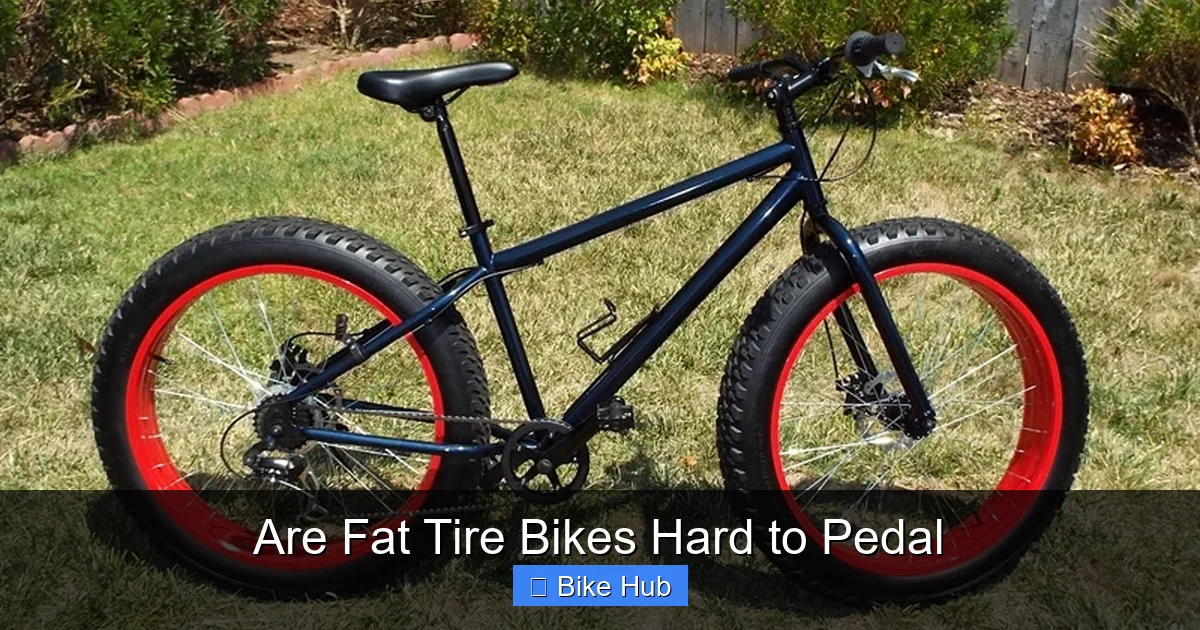
Fat tires are typically 3.8 inches or wider, which means they have a larger contact patch with the ground. While this is great for traction on loose surfaces like snow or sand, it also increases rolling resistance on hard surfaces like pavement or packed dirt. More surface area = more friction = more effort to keep moving.
2. Heavier Frame and Components
Fat bikes are built to handle extreme conditions, so they often use heavier frames, rims, and hubs. This added weight makes acceleration slower and requires more energy to maintain speed, especially on flat or uphill terrain.
3. Lower Tire Pressure Increases Drag
Many riders run fat tires at very low pressures (as low as 5–10 PSI) for better grip on soft terrain. While this improves comfort and control, it also causes the tires to deform more, increasing drag and making pedaling feel sluggish.
4. Gearing May Not Be Optimized for Speed
Some fat bikes come with gearing designed for climbing or technical trails, not speed. If your bike has high gears only, you might struggle to find a comfortable cadence on flat roads.
How to Make Pedaling Easier on a Fat Tire Bike
The good news? You can significantly reduce pedaling effort with a few smart adjustments. Follow these step-by-step tips to make your fat tire bike ride smoother and more enjoyable.
Step 1: Check and Adjust Tire Pressure
One of the biggest factors affecting pedaling ease is tire pressure. Too low, and you’ll feel like you’re dragging the bike through mud. Too high, and you lose traction and comfort.
- Use a reliable pressure gauge to check your tires regularly.
- For pavement or hard-packed trails, aim for 15–20 PSI.
- For snow or sand, drop to 5–10 PSI for better floatation.
- Refer to the tire sidewall for the manufacturer’s recommended range.
Pro Tip: Check out our guide on how to check bike tire pressure for a detailed walkthrough.
Step 2: Choose the Right Tires for Your Terrain
Not all fat tires are created equal. Some are designed for speed, others for grip. If you’re mostly riding on pavement or gravel, consider tires with lower-profile treads or even semi-slick options.
- Look for tires labeled “low rolling resistance” or “urban” fat tires.
- Avoid aggressive knobby treads unless you’re riding off-road.
- Consider tubeless setups to reduce weight and improve efficiency.
For more help, read our article on how to select mountain bike tire tread—many principles apply to fat bikes too.
Step 3: Maintain Your Drivetrain
A dirty or dry chain creates friction, making pedaling harder. Regular maintenance keeps your bike running smoothly.
- Clean and lubricate your chain every 100–200 miles.
- Use a wet lube for rainy or muddy conditions, dry lube for dry climates.
- Wipe off excess lube to prevent dirt buildup.
Need help? Follow our step-by-step guide on how to oil a fat tire bike chain.
Step 4: Optimize Your Gearing
If your bike feels too hard to pedal on flat ground, you might need lower gears.
- Check if your bike has a wide-range cassette (e.g., 11-46T).
- Consider upgrading to a crankset with smaller chainrings for easier pedaling.
- If you ride mostly on pavement, a 2x or 1x drivetrain with road-friendly ratios can help.
Note: Some fat bikes come with single-speed or internal gear hubs, which may not offer enough range for varied terrain.
Step 5: Reduce Weight Where Possible
Every pound counts when it comes to pedaling effort.
- Swap heavy components like racks or fenders if you don’t need them.
- Use lightweight pedals, grips, and seat posts.
- Avoid overloading your bike with unnecessary gear.
If you’re using fenders, make sure they’re not rubbing—check out how to choose wide fenders for fat bikes for a snug, efficient fit.
Step 6: Improve Your Riding Technique
How you ride also affects how hard it feels to pedal.
- Maintain a steady cadence (70–90 RPM) to reduce strain.
- Shift gears before you need to—don’t wait until you’re struggling uphill.
- Stand up on steep climbs to use your body weight, but sit back down on flatter sections to save energy.
- Keep your upper body relaxed to avoid wasting energy.
Troubleshooting Common Pedaling Problems
Even with the best setup, you might still face issues. Here’s how to fix the most common ones.
Problem: Bike Feels Sluggish on Pavement
Solution: Increase tire pressure to 15–20 PSI and check for drivetrain drag. Also, ensure your brakes aren’t rubbing.
Visual guide about Are Fat Tire Bikes Hard to Pedal
Image source: pedalroom.com
Visual guide about Are Fat Tire Bikes Hard to Pedal
Image source: electricbikeexplorer.com
Problem: Hard to Start from a Stop
Solution: Shift into an easier gear before stopping. If your bike has a front derailleur, avoid cross-chaining.
Problem: Chain Skips or Slips Under Load
Solution: This could indicate a worn chain or cassette. Replace them together for best results.
Problem: Excessive Vibration or Bouncing
Solution: Your tire pressure might be too low for the terrain. Increase PSI slightly and check tire condition for damage.
For help with tire issues, see our guide on how to repair a flat bike tire.
When to Consider an Electric Fat Bike
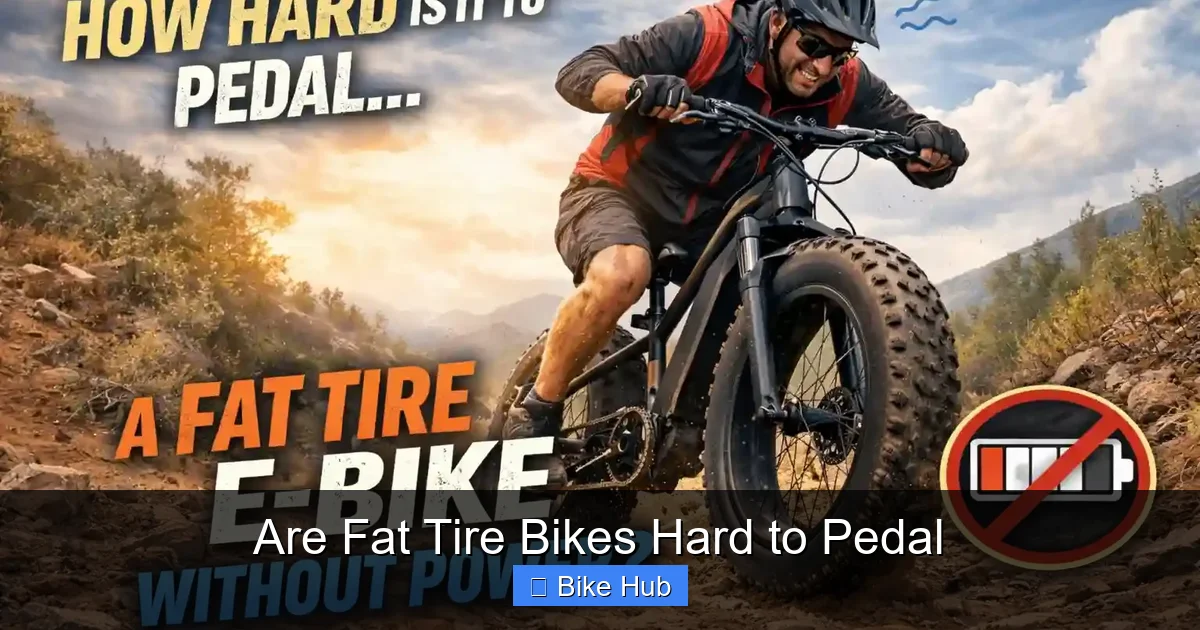
If you’re still finding pedaling too difficult—especially on long rides or hilly terrain—an electric fat bike might be the answer. E-fat bikes use a motor to assist your pedaling, making it feel like you’re riding a regular bike, even on snow or sand.
- Look for models with torque sensors for a natural riding feel.
- Choose a bike with at least 500Wh battery for longer range.
- Test ride different models to find one with smooth power delivery.
Check out our review of the best foldable fat tire electric bike for a top pick.
Final Thoughts: Are Fat Tire Bikes Hard to Pedal?
So, are fat tire bikes hard to pedal? It depends. On soft terrain like snow or sand, they’re actually easier to ride than standard bikes because of their superior traction. But on pavement or hard trails, they can feel heavier and slower—unless you optimize them.
By adjusting tire pressure, maintaining your drivetrain, choosing the right gearing, and improving your technique, you can make pedaling much more efficient. And if you want the ultimate ease, an electric fat bike removes most of the effort altogether.
Fat tire bikes are built for adventure, not speed records. With the right setup, you’ll enjoy a smooth, capable ride no matter where the trail takes you.



