
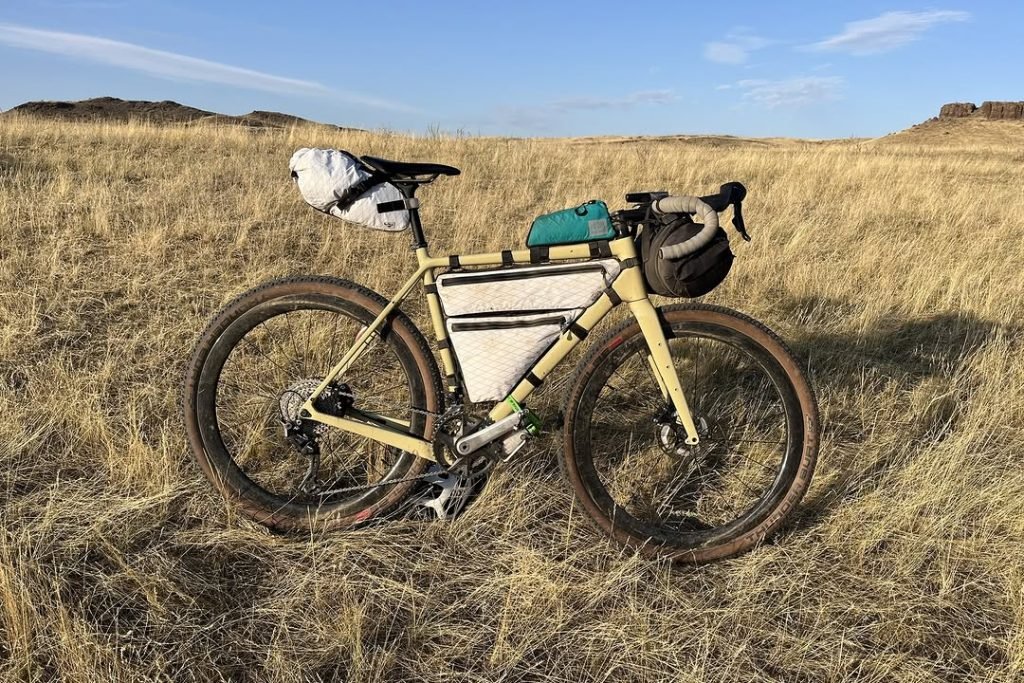
Choosing the right mountain bike tire tread can significantly enhance your biking experience. Imagine gliding effortlessly over rocky terrains or tackling muddy trails with confidence.
The secret lies in selecting the perfect tire tread suited to your riding style and the terrains you conquer. Do you often find yourself unsure about which tread pattern will offer the best grip and control? You’re not alone. Many bikers face this dilemma, and selecting the wrong tread can lead to challenging rides and compromised safety.
You’ll discover simple tips and expert insights to help you make an informed choice, ensuring every ride is smooth and enjoyable. Dive in to unlock the secrets to mastering your mountain biking adventures!
Tire Tread Basics
Mountain bike tires have different treads. Tread affects how the bike grips. It also influences speed. There are many types of treads.
Knobby treadsare great for muddy paths. They grip well in wet conditions. Slick treads are smoother. They are best for dry roads.
Choose treads based on your trails. Rocky trails need strong treads. Smooth paths need less grip. Always check the tire before buying. Make sure it fits your bike. Always make safety a priority.
Credit: www.mtbr.com
Types Of Terrain
Loose gravel can be tricky for bikes. Tires with deep tread help here. They grip loose rocks better. This means less sliding. Choose tires with wide spacing between knobs. It helps in shedding small stones. This keeps the tire clean and grippy.
Mud is messy and slippery. Tires need special tread to handle it. Look for tires with tall, widely spaced knobs. They push mud away. This keeps the tire from getting clogged. Wet conditions need extra care. A good grip keeps riders safe.
Rocky trails are rough and bumpy. Tires need to be strong and tough. They should have thick sidewalls. This protects against sharp rocks. A good tread pattern helps grip the rocks. It makes the ride smoother and safer.
Hardpack trails are firm and solid. Tires with small, tightly packed knobs work best here. They give a smooth ride. These tires roll fast on hard surfaces. They provide good control and speed. Perfect for flat, solid trails.
Tread Patterns Explained
Knobby treadshave big bumps on the tire. These bumps help grip the ground. They are perfect for rough and muddy trails. The spaces between knobs prevent mud from sticking. This keeps the tire clean. Knobby treads give excellent control and stability. They are best for mountain biking adventures.
Semi-slick treadsare smooth in the middle. They have small knobs on the sides. This design helps on smooth paths and light trails. They offer less rolling resistance. This means you can ride faster. Semi-slick treads are good for mixed surfaces. They balance speed and grip well.
Paddle treadslook like small shovels. They dig into loose sand or snow. These treads are ideal for soft surfaces. They provide good traction in tricky conditions. Paddle treads are unique but not for hard ground. Choose them for specific rides on loose terrains.
Choosing The Right Tread
Mountain bike tireshave different tread patterns. Each pattern suits a specific need. Choose the right tread for your ride. It makes biking easier and more fun.
Think about your riding style. Are you a speedy racer or a slow explorer? Fast riders need less tread. This helps the bike go quick. Slow riders like more tread. It keeps the bike steady on rough roads.
Weather changes tread needs too. Rain makes trails slippery. More tread gives better grip in the wet. Dry weather? Less tread is fine. It rolls faster on hard ground.
Seasons affect the trails. Summer trails are dry and dusty. Choose less tread for speed. Winter brings mud and snow. More tread helps stay safe and stable. Adjust your tires with each season.
Tire Width And Its Role
Tire widthaffects how your bike rides. Wider tires give more grip. Narrow tires help with speed. Finding the right balance is key.
Wider tires offer better tractionon rough paths. They keep you steady. Narrow tires are good for fast rides. They cut through air easily.
Comfort comes from wider tires. They absorb shocks well. Narrow tires are less comfy but faster. Choose what fits your riding style.

Credit: enduro-mtb.com
Expert Advice
Local biking communities offer great tips. You can ask about tire treads. They know the trails well. They can suggest the best options. Their experience helps a lot. You get advice from real riders. Join groups or forums to learn more. Share your thoughts too. Everyone helps each other. It’s a friendly place to learn.
Professional riders know a lot about bikes. They test many tires. They talk about what works well. You can find their reviews online. They share tips on social media. Watching videos helps too. Listen to their stories. They share what tread is best. Their advice is very useful. You can trust their experience.
Maintenance Tips
Choosing the right mountain bike tire tread is crucial for optimal performance on trails. Consider the terrain you’ll be riding on. For rocky paths, go for knobby treads that offer better grip. For smoother trails, select less aggressive tread to improve speed and efficiency.
Regular Inspection
Inspect tires before each ride. Check for cuts or cracks. Look for embedded stones or glass. Ensure tread is not worn out. Use a flashlight for better inspection. Check sidewalls for any damage. Ensure tire pressure is correct.
Proper Cleaning And Care
Clean your tires after each ride. Use a soft brush and water. Avoid harsh chemicals as they can damage rubber. Dry tires with a soft towel. Store bikes in a cool, dry place. Keep tires away from direct sunlight. Check for any signs of aging.

Credit: enduro-mtb.com
Frequently Asked Questions
What Is The Difference Between 2.25 And 2.35 Mountain Bike Tires?
2. 25 mountain bike tires are narrower, offering better speed and agility. 2. 35 tires are wider, providing more traction and stability. Narrower tires are suitable for smoother trails, while wider ones excel on rough terrain. Choose based on your riding style and terrain preference for optimal performance.
How To Choose The Right Mountain Bike Tires?
Choose tires based on terrain type, width, and tread pattern. Consider tire durability and puncture resistance. Check compatibility with your bike. Prioritize grip for off-road and speed for smoother surfaces. Select tubeless for lower pressure and fewer flats.
What Is The Difference Between 60 Tpi And 120 Tpi Mtb Tires?
60 TPI MTB tires have thicker threads, offering durability and puncture resistance. 120 TPI tires are lighter, more flexible, and provide better ride quality. Choose 60 TPI for rough terrains and durability, while 120 TPI suits smoother trails and performance riding.
Are Wider Mtb Tires Better?
Wider MTB tires offer better traction and stability on rough terrains. They provide more comfort and grip, especially in off-road conditions. However, they can be heavier and slower on smooth trails. Choosing tire width depends on your riding style and terrain preferences.
Conclusion
Choosing the right mountain bike tire tread is essential. It impacts your ride’s safety and comfort. Match tread with terrain for the best experience. Different trails need different treads. Consider tire width and grip for control. Think about your riding style and conditions.
Wet paths demand more grip. Dry trails need less aggressive treads. Regularly check your tires for wear. Proper maintenance extends tire life. Enjoy smoother rides with the right tread choice. Explore trails confidently. Your ride depends on quality tires. Make informed decisions for better biking adventures.
Happy biking!



