

If you want your fat tire bike to run smoothly and last longer, knowing how to oil your bike chain is a must. A well-lubricated chain reduces friction, prevents rust, and makes every ride easier.
But with thick tires and rugged trails, your fat tire bike faces extra wear and tear. This means regular chain care is even more important for you. In this guide, you’ll learn simple steps to properly oil your fat tire bike chain.
By the end, you’ll save money, avoid costly repairs, and enjoy a smoother ride every time you hit the road or trail. Ready to keep your bike in top shape? Let’s dive in!
Importance Of Oiling Your Fat Tire Bike Chain
Oiling your fat tire bike chain is not just a routine task; it’s a key part of keeping your bike running smoothly and efficiently. Without proper lubrication, your chain can wear out faster, causing poor performance and costly repairs. Taking the time to oil your chain regularly can save you frustration and extend the life of your bike.
Enhances Chain Longevity And Performance
When your chain is well-oiled, it faces less friction as it moves. This reduces wear and tear on the metal links, helping the chain last much longer. You’ll notice smoother gear shifts and a quieter ride, which makes your biking experience more enjoyable.
Prevents Rust And Corrosion
Fat tire bikes often face wet or muddy conditions. Oiling your chain creates a protective barrier against moisture that causes rust. Rusty chains can seize up or break, leaving you stranded mid-ride. Regular lubrication keeps your chain protected no matter the weather.
Improves Energy Efficiency
Have you ever felt like your pedaling effort wasn’t translating into speed? A dry or dirty chain causes more resistance, making you work harder. Oiling reduces this drag, so more of your energy propels you forward. This means longer rides with less fatigue.
Reduces Noise And Chain Wear
A squeaky chain isn’t just annoying; it signals that your bike needs attention. Oiling cuts down on metal-on-metal noise and prevents the chain from grinding against gears. This helps both your chain and the drivetrain last longer without expensive replacements.

Credit: viribusbikes.com
Choosing The Right Oil
Choosing the right oil for your fat tire bike chain is more important than most riders realize. The oil you select affects how smoothly your chain runs, how long it lasts, and how well it handles different riding conditions. Picking the wrong lubricant can lead to faster wear and frequent maintenance, which nobody wants.
Different Types Of Bike Chain Lubricants
Bike chain oils come in several varieties, each designed for specific conditions and preferences. Here are the main types you’ll encounter:
- Dry Lubricants:Ideal for dusty or dry environments, these oils dry quickly and leave little residue, preventing dirt buildup on your chain.
- Wet Lubricants:Best for wet or muddy conditions, wet lubes stay moist longer to protect your chain from rust and corrosion.
- Wax-Based Lubricants:These create a clean, dry coating that repels dirt and grime, but often require more frequent application.
- All-Purpose Lubricants:A middle ground for riders who face mixed weather and terrain, offering balanced protection and performance.
Knowing these types helps you match your lubricant to your riding style and environment. Think about the last time your chain felt sluggish or noisy—was it because your oil wasn’t right for the conditions?
Factors To Consider When Selecting Oil
Choosing the right oil isn’t just about weather. Consider these factors before making your pick:
- Riding Conditions:Do you ride mostly in rain, mud, dust, or dry pavement? The environment dictates the best oil type.
- Chain Type and Material:Some chains require specific oils to avoid damage or to maximize durability.
- Maintenance Frequency:How often you want to clean and re-oil your chain affects whether you choose a long-lasting or quick-dry lubricant.
- Temperature Range:If you ride in extreme cold or heat, pick oils that maintain viscosity and protective qualities.
Next time you’re at the bike shop, look beyond the label. Ask yourself: Will this oil protect my chain from the elements I face daily? Your choice can save you time and money in the long run.
Tools And Materials Needed
Oiling a fat tire bike chain keeps it smooth and extends its life. Using the right tools and materials makes this task easier and more effective. Prepare everything before starting to avoid interruptions. This section lists all essentials needed for the job.
Essential Tools For Oiling Your Fat Tire Bike Chain
- Bike stand or a stable place to hold the bike
- Chain cleaning brush or old toothbrush
- Rags or paper towels for wiping
- Gloves to keep your hands clean
- Small container for cleaning solution
- Chain lubricant applicator or dropper
Best Materials For Cleaning And Lubricating
- Degreaser or bike-specific chain cleaner
- Bike chain oil suitable for fat tire bikes
- Water for rinsing
- Optional: chain checker tool for wear measurement
Choosing The Right Chain Lubricant
- Wet lube works well in rainy or muddy conditions
- Dry lube is better for dry and dusty environments
- Wax-based lube offers clean and quiet performance
- Pick lubricant that matches your riding style and weather
Preparing Your Bike For Oiling
Before you oil your fat tire bike chain, getting your bike ready is crucial. Proper preparation ensures the lubricant reaches every link and keeps your chain running smoothly for longer. Taking a few minutes to clean and inspect your chain can save you from costly repairs and improve your ride quality.
Cleaning The Chain
Start by removing dirt, grime, and old lubricant from your chain. Use a degreaser and a stiff brush or a chain cleaning tool to scrub each link thoroughly. If you’ve ridden through mud or rain recently, skipping this step can cause the new oil to trap debris, which wears down the chain faster.
After scrubbing, rinse the chain with water and dry it completely using a clean cloth. You want the chain dry because oil won’t stick well to a wet surface, reducing its effectiveness. Have you noticed how a clean chain feels smoother to pedal? That’s the difference good cleaning makes.
Inspecting For Wear And Tear
Once the chain is clean, examine it closely for signs of wear. Look for stretched links, rust spots, or stiff sections that don’t move freely. Using a chain checker tool can give you precise measurements, but even a visual inspection can catch major issues.
If your chain shows significant wear or damage, oiling won’t fix the problem—it might be time to replace it. Riding with a worn chain can lead to poor shifting and damage to other drivetrain parts. Ask yourself: is your chain ready for another season, or is it begging for a replacement?
Step-by-step Oiling Process
Oiling a fat tire bike chain keeps it running smoothly and extends its life. The process is simple and requires only a few tools. Follow these steps to apply oil correctly and evenly on your bike chain.
Applying The Oil
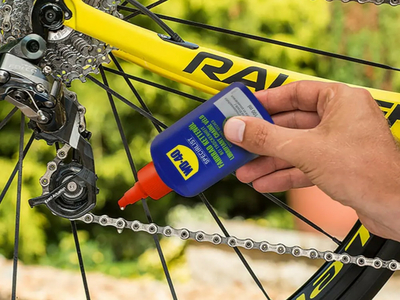
Start by cleaning the chain with a cloth to remove dirt and old grease. Choose a bike-specific chain oil for best results. Hold the bottle’s tip near the chain links. Slowly squeeze a drop of oil onto each link as you turn the pedals backward. Cover the entire length of the chain without over-applying. Avoid getting oil on the tires or brakes.
Ensuring Even Distribution
After applying oil, rotate the pedals several times to spread it inside the links. Use a clean cloth to wipe off excess oil from the chain’s surface. This step helps prevent dirt buildup and keeps the chain from attracting grime. Check for any dry spots and add a bit more oil if needed. Proper distribution ensures quieter and smoother rides.

Credit: www.vitilanebike.com
Tips For Maintaining A Smooth Ride
Keeping your fat tire bike chain well-oiled is key to a smooth and enjoyable ride. Proper maintenance not only extends the life of your chain but also improves your bike’s performance. Here are practical tips to help you maintain that smooth ride every time you hit the trail.
Frequency Of Oiling
How often you oil your bike chain depends on your riding conditions. If you ride through mud, rain, or dusty trails, oil your chain more frequently—sometimes after every ride. Dry and clean environments allow for longer intervals, but don’t wait until you hear squeaking or notice stiffness.
Listen to your chain’s sounds and feel for resistance. A well-lubricated chain runs quietly and smoothly. Regularly checking your chain can save you from costly repairs down the road.
Storing Your Bike Properly
Where you store your fat tire bike affects how well its chain stays lubricated. Avoid leaving your bike outside in the rain or snow, as moisture can wash away oil and cause rust. Instead, choose a dry, cool place like a garage or shed.
If indoor storage isn’t an option, cover your bike with a waterproof tarp. This simple step helps keep dirt and water off the chain, preserving its lubrication. Do you think your current storage setup protects your bike enough?
Common Mistakes To Avoid
Oiling a fat tire bike chain seems simple but many make common mistakes. These errors can reduce chain life and cause poor bike performance. Avoid these pitfalls to keep your ride smooth and your chain lasting longer.
Applying Too Much Oil
Excess oil attracts dirt and grime quickly. It creates a sticky mess on the chain and gears. Use only a small amount of oil to cover the chain links. Wipe off any extra oil with a clean cloth.
Oiling A Dirty Chain
Oiling a chain full of dirt traps debris inside. This leads to faster wear and poor shifting. Always clean the chain thoroughly before applying oil. Use a bike-specific degreaser and a brush for best results.
Using The Wrong Type Of Oil
Not all oils suit fat tire bike chains. Thick oils can slow the chain, thin oils may not protect enough. Choose oil made for bike chains, especially for off-road or wet conditions. This ensures proper lubrication and protection.
Neglecting Regular Maintenance
Oiling once and forgetting it harms your bike. Chains need regular attention, especially after rides in mud or rain. Check and oil your chain every few rides. This keeps it running smoothly and avoids rust.
Ignoring Chain Links And Rollers
Just oiling the surface is not enough. The oil must reach inside the links and rollers where friction happens. Rotate the pedals backward while oiling to reach all parts. This prevents wear and keeps the chain flexible.
Credit: r2-bike.com
Benefits Of Regular Chain Maintenance
Keeping your fat tire bike chain well-oiled is more than a routine task—it’s a smart way to protect your bike and improve your ride. Regular chain maintenance helps your bike perform better and lasts longer, saving you time and money. Have you noticed how a well-lubricated chain feels smoother and responds faster?
Improved Performance And Efficiency
A clean, oiled chain reduces friction between the chain and gears. This means you’ll pedal with less effort and enjoy smoother gear shifts. You might find that your rides feel easier and more enjoyable, especially on rough terrains where fat tires shine.
Extended Chain And Gear Lifespan
Think about how often you replace your bike parts. Regular lubrication prevents wear and rust, protecting both the chain and the gears. This simple habit can add months or even years to your bike’s lifespan, so you won’t have to shop for replacements as often.
Prevention Of Rust And Corrosion
Moisture and dirt can quickly damage an untreated chain. Oiling creates a barrier against water and grime, keeping rust at bay. You’ll notice your bike stays cleaner and looks better, even after riding in wet or muddy conditions.
Reduced Noise And Smoother Ride
Have you ever heard that squeaky, grinding noise from a dry chain? Regularly oiling your chain eliminates these sounds. A quiet chain means a more pleasant ride and less distraction while you focus on the trail ahead.
Cost Savings Over Time
Replacing a chain or gears can be expensive. By investing a little time in maintenance, you avoid costly repairs down the line. It’s a small effort that protects your wallet and keeps your bike ready whenever you are.
Frequently Asked Questions
How Often Should I Oil A Fat Tire Bike Chain?
Oil your fat tire bike chain every 100-200 miles or after wet rides. Regular lubrication prevents rust and ensures smooth gear shifts.
What Type Of Oil Is Best For Fat Tire Bike Chains?
Use a bike-specific chain lubricant, preferably wet or dry lube. Wet lube works well in wet conditions, while dry lube suits dry, dusty trails.
Can I Use Regular Motor Oil On My Bike Chain?
No, avoid motor oil as it attracts dirt and damages the chain. Use lubricants designed for bike chains to maintain performance and longevity.
How Do I Clean My Fat Tire Bike Chain Before Oiling?
Use a degreaser and a brush to remove grime. Rinse with water, dry thoroughly, then apply lubricant evenly for best results.
Conclusion
Oiling your fat tire bike chain keeps it running smooth and quiet. Regular care prevents rust and wear on the chain. It also helps your bike shift gears better and last longer. Use the right oil and apply it carefully to avoid dirt buildup.
Clean the chain before oiling for best results. A well-oiled chain means a safer and more enjoyable ride. Keep this simple routine, and your bike will perform well every time you ride.



