
Imagine cruising down a rugged trail on your fat bike, feeling the rush of adrenaline and the freedom of the open path. But wait—mud splatters on your back and stones clatter against your frame, disrupting your ride.
This is where wide fenders come into play, offering the perfect shield against the elements. If you’re passionate about enhancing your fat biking experience, choosing the right wide fenders is crucial. You’ll discover how to select fenders that not only fit your bike but also match your style and needs.
Get ready to transform your rides into smoother, cleaner adventures. Keep reading, because the right choice can make all the difference between a messy ride and an exhilarating journey.
Credit: leoguarbikes.com
Importance Of Fenders For Fat Bikes
Fenderskeep your bike clean and dry. They block mud and water. Riding in the rain becomes easier. Fendersalso protect your clothes. No more muddy spots on your back. They are vital for fat bikes.
Fat bikes have big tires. They throw up more mud and water. Fendershelp in controlling this mess. They make rides more comfortable. You can focus on the journey. Not the dirt.
Choose the right fendersfor your bike. Make sure they fit well. Right size matters. Poor fitting fenders are useless. Enjoy a cleaner, safer ride.
Types Of Wide Fenders
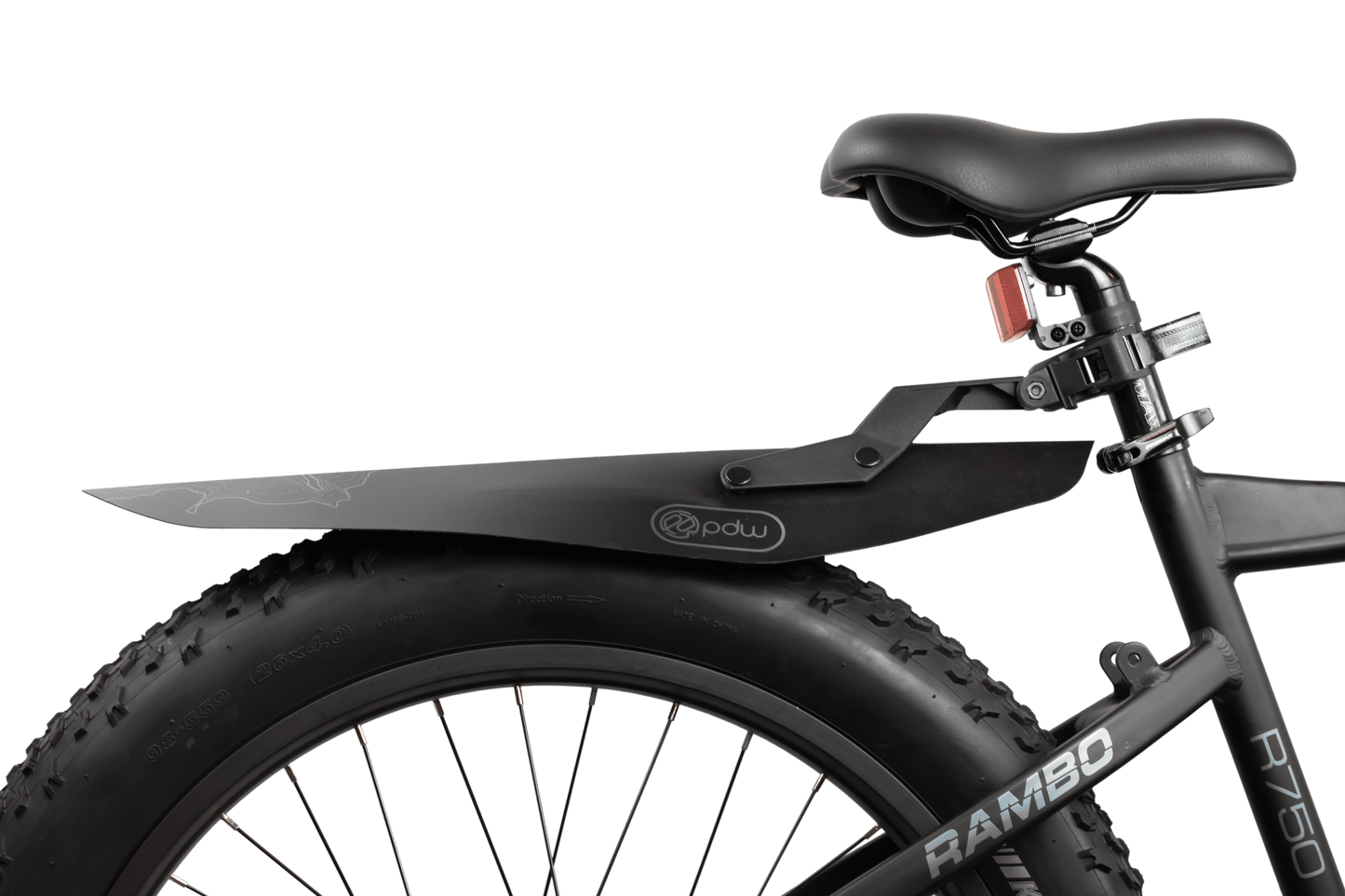
Choosing wide fenders for fat bikes involves considering material, design, and coverage. Aluminum fenders offer durability, while plastic ones are lightweight. Ensure the fender width matches tire size for optimal protection against mud and debris.
Plastic Fenders
Plastic fenders are lightweight and affordable. They provide good protection from mud and water. Installation is simple and they fit most fat bikes easily. They come in various colors and designs. Plastic fenders are great for casual riders.Metal Fenders
Metal fenders offer strong protection and durability. They withstand harsh weather and rough terrains. Metal fenders last longer than plastic ones. They are heavier but provide better coverage. Suitable for riders who want sturdy fenders.Flexible Fenders
Flexible fenders adapt to different conditions. They bend without breaking. Easy to adjust and fit various bike models. Perfect for off-road biking. They are lightweight and portable. Ideal for adventurous riders who explore diverse trails. `Material Considerations
Choosing wide fenders for fat bikes requires considering material durability and weight. Aluminum offers lightweight protection, while plastic is more affordable. Assessing these factors ensures optimal performance and longevity.
Durability
Strong materials last longer. Metal fenders resist bumps and knocks. Plastic fenders are lighter. Both can be good, but think about your needs.
Weight
Lighter fenders make riding easier. Metal is heavier but strong. Plastic is light, but may break easily. Choose what feels best for you.
Weather Resistance
Weather changes can be tough. Fenders should keep you dry and clean. Metal can rust in rain. Plastic handles water better. Consider your local weather when choosing.

Credit: www.amazon.ca
Size And Fit
Fat bikes have big tires. They need fenders that fit well. Measure your tire size first. Check the fender’s size too. The fender should be a little wider than the tire. This helps catch all the mud and water. Some fenders are adjustable. They can fit different tire sizes. This is useful if you change tires often.
Fenders with adjustable featuresare great. They fit better and stay in place. Look for fenders with adjustable arms. You can move them up or down. This helps when riding on bumpy roads. Some fenders have quick-release clips. These make it easy to put on or take off. Remember, a good fit means better protection.
Installation And Maintenance
Selecting wide fenders for fat bikes ensures better protection and durability. Consider the bike’s tire size and terrain usage. Proper installation and maintenance enhance performance and longevity.
Ease Of Installation
Wide fenders for fat bikes should be easy to install. Check the instructions first. Some fenders snap on quickly. Others might need tools. Ensure all parts are in the box. A good fit is key. Test the fender after installation. It should stay firm and steady.
Maintenance Tips
Keep fenders clean to prevent rust. Wipe them after each ride. Use mild soap and water. Check the bolts often. Tighten any that are loose. Look for cracks or damage. Replace damaged parts quickly. Store your bike in a dry place. This keeps the fenders in good shape longer.
Budget And Brand Options
Selecting wide fenders for fat bikes involves balancing cost and brand reliability. Explore various options to match your budget and find reputable brands for durable fenders. Compare materials and customer reviews to ensure quality and performance.
Affordable Choices
Finding budget-friendly wide fenders is easy. Look for brands known for quality but with a lower price. Some brands offer basic fenders that fit fat bikes well. Check online stores for discounts and sales. Local bike shops may also have deals. Choose materials that are durable yet affordable. Plastic fenders often cost less but work well. Make sure they fit your bike’s wheel size.
Premium Brands
For those who want premium quality, many brands offer high-end fenders. Brands like SKS and Topeak provide durable and stylish options. These fenders often use metal or high-grade plastic. They can handle rough trails and weather. Though they cost more, they offer long-lasting use. Ensure they match your bike’s frame and style. Check reviews to see if they are worth the price.
Expert Advice
Selecting wide fenders for fat bikes involves considering size compatibility and material durability. Ensure the fenders cover the tire width adequately. Opt for lightweight materials for easy handling and longevity.
Recommendations From Cyclists
Many cyclists say wide fenders are a great choice for fat bikes. These fenders keep dirt and water away. You can ride in all weather. Look for fenders that fit your bike’s tire size. This ensures best protection and performance. Some riders prefer fenders made of lightweight materials. They are easy to install and remove. Choose fenders with adjustable brackets. This helps in getting the perfect fit. Cyclists also recommend checking for clearance. Enough space is needed between tires and fenders.
Common Mistakes To Avoid
Avoid choosing fenders that are too small. They won’t cover the tires well. Don’t forget to check the material. Some materials might rust or break easily. Be careful with installation. Poor fitting can cause noise and rattles. Many people forget to check the weight. Heavy fenders can slow you down. It’s a mistake not to check compatibility. Make sure the fenders work with your bike’s frame. Skipping these checks can lead to bad riding experience.
Credit: www.rambobikes.com
Frequently Asked Questions
How Wide Should Bike Fenders Be?
Bike fenders should be slightly wider than your tires. For road bikes, choose fenders 20-30mm wide. Mountain bikes need fenders around 40-50mm wide. This ensures proper coverage and protection from mud and water. Always match fender width to tire size for optimal performance and efficiency.
What Is The Best Width For Fat Bike Tires?
The best width for fat bike tires is typically between 3. 8 to 5 inches. This range offers optimal traction and stability on snow, sand, and rough terrain. Wider tires provide better flotation, while narrower ones offer more agility. Choose based on your riding conditions and personal preference.
How To Choose Bicycle Fenders?
Choose bicycle fenders based on your bike type and riding style. Ensure proper fit for wheel size. Opt for durable materials like aluminum or plastic. Check installation compatibility with your bike. Consider aesthetics and coverage for optimal protection against splashes.
What Are The Disadvantages Of A Fat Bike?
Fat bikes are heavier and slower than regular bikes, making them less efficient on smooth roads. They require more effort to pedal, especially uphill. Their wide tires can be expensive to replace and may not fit on standard bike racks.
Limited tire pressure options can also impact performance.
Conclusion
Choosing wide fenders for fat bikes needs careful thought. Consider the size and material. These affect performance and durability. Check compatibility with your bike model. This ensures a proper fit. Look at customer reviews. They offer real insights. Remember, fenders protect you from mud and rain.
They keep your ride clean and dry. Prioritize quality over price. Good fenders last longer. They enhance your biking experience. Make a wise choice and enjoy smooth rides. Keep these tips in mind. Your fat bike deserves the best protection.
Happy riding!



