
Mountain bikes can reach speeds of 30–50+ mph depending on terrain, rider skill, and bike setup. This guide breaks down the science behind speed, practical tips to maximize your velocity, and safety considerations for high-speed riding.
[FEATURED_IMAGE_PLACEHOUNDER]
Key Takeaways
- Top speeds vary by trail type: Downhill sections allow speeds over 50 mph, while technical climbs may limit you to 5–10 mph.
- Bike setup matters: Proper tire pressure, gear ratios, and suspension tuning significantly impact speed and control.
- Rider position is crucial: A low, aerodynamic stance reduces drag and improves stability at high speeds.
- Weight affects acceleration: Lighter bikes accelerate faster, but frame material and component quality also play a role.
- Maintenance boosts performance: A clean drivetrain, lubricated chain, and well-tuned brakes ensure optimal speed and safety.
- Safety first: Always wear a helmet, use lights, and know your limits—especially on unfamiliar trails.
- Practice improves speed: Regular riding, skill drills, and strength training help you ride faster and more confidently.
How Fast Can a Mountain Bike Go? A Complete Guide
If you’ve ever flown down a mountain trail, heart pounding as the wind rushes past, you’ve probably wondered: Just how fast can a mountain bike go? The answer isn’t simple—it depends on terrain, bike type, rider skill, and even the weather. But one thing’s for sure: mountain bikes are capable of impressive speeds, especially when everything is dialed in.
In this guide, you’ll learn the real-world speed limits of mountain bikes, what factors influence how fast you can go, and practical steps to maximize your velocity safely. Whether you’re a beginner or a seasoned rider, these tips will help you ride faster, smoother, and with more confidence.
Understanding Mountain Bike Speed Limits
Mountain bikes aren’t built for pure speed like road bikes, but they’re far from slow. On flat or rolling terrain, an average rider can maintain 10–15 mph. On smooth downhill trails, speeds can easily exceed 30 mph. In competitive downhill racing, elite riders regularly hit 50+ mph.
For example, during the Red Bull Hardline race—one of the world’s toughest downhill events—riders reach speeds over 60 mph on steep, technical descents. But that’s extreme. For most recreational riders, 25–35 mph is a realistic top speed on a well-maintained trail.
Factors That Affect Speed
Several key factors determine how fast your mountain bike can go:
- Terrain: Smooth, hard-packed trails allow higher speeds. Loose gravel, roots, and rocks slow you down.
- Bike type: Cross-country (XC) bikes are lighter and faster on climbs. Downhill bikes are built for speed on descents but are heavier.
- Tire choice: Knobby tires provide grip but add rolling resistance. Slick or semi-slick tires roll faster on hard surfaces.
- Rider fitness and skill: Stronger legs and better technique mean faster acceleration and better control.
- Weather and trail conditions: Wet or muddy trails reduce traction and slow you down.
How to Maximize Your Mountain Bike Speed
Want to go faster? It’s not just about pedaling harder. Here’s a step-by-step approach to boost your speed safely and effectively.
Step 1: Optimize Your Bike Setup
Your bike’s configuration plays a huge role in speed. Start with these adjustments:
- Check tire pressure: Use the Mountain Bike Tire Pressure Guide to find the ideal PSI for your tires. Higher pressure reduces rolling resistance on smooth trails, but too high can reduce grip.
- Choose the right tread: For fast, dry trails, consider low-profile treads. Use the guide to selecting mountain bike tire tread to match your terrain.
- Tune your suspension: Set sag correctly and adjust rebound for your weight and riding style. A well-tuned suspension absorbs bumps without wasting energy.
- Lubricate the drivetrain: A clean, well-lubed chain reduces friction. Follow the drivetrain cleaning guide (yes, it works for mountain bikes too!) for best results.
Step 2: Improve Your Riding Position
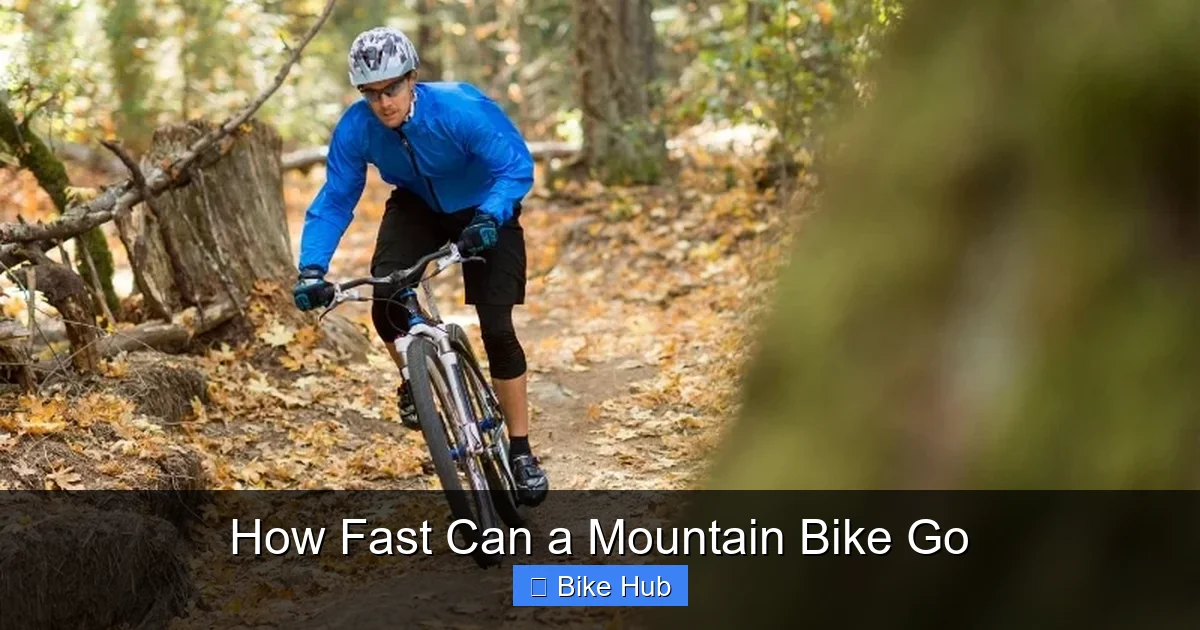
Your body position affects aerodynamics and control. At high speeds, even small changes make a big difference.
- Lower your torso: Bend your elbows and drop your chest toward the handlebars. This reduces wind resistance.
- Keep your head up: Look ahead, not down. This helps you anticipate obstacles and maintain balance.
- Shift your weight: On descents, move your hips back and lower your center of gravity. On climbs, lean forward to keep the front wheel down.
Pro tip: Practice these positions on flat ground first. It feels awkward at first, but it becomes natural with repetition.
Step 3: Master Gear Shifting
Using the right gear at the right time keeps you moving efficiently.
- Anticipate changes: Shift before you hit a hill or obstacle. Don’t wait until you’re struggling.
- Use lower gears for climbs: This keeps your cadence steady and prevents burnout.
- Shift to higher gears on descents: This lets you pedal faster without spinning out.
For detailed advice, check out our Mountain Bike Gear Shifting Tips article.
Step 4: Build Strength and Endurance
Faster riding requires stronger legs and better stamina.
- Do leg workouts: Squats, lunges, and deadlifts build power for sprints and climbs.
- Ride regularly: Consistency improves cardiovascular fitness and bike handling.
- Practice interval training: Alternate short bursts of high speed with recovery periods to boost speed over time.
Even 30 minutes of focused riding three times a week can make a noticeable difference.
Step 5: Choose the Right Trail
Not all trails are created equal when it comes to speed.
- Look for flow trails: These are designed for smooth, fast riding with berms and rollers.
- Avoid overly technical routes: Roots, rocks, and tight switchbacks slow you down.
- Start small: Build confidence on moderate trails before tackling high-speed descents.
Always follow mountain bike trail etiquette rules to stay safe and respectful to other riders.
Troubleshooting Common Speed Issues
Even with the best setup, you might hit speed bumps. Here’s how to fix common problems:
Problem: Bike feels sluggish on flat terrain
Check tire pressure and drivetrain condition. A dirty chain or underinflated tires can slow you down significantly. Also, ensure your brakes aren’t dragging.

Visual guide about How Fast Can a Mountain Bike Go
Image source: bikeloyal.com
Visual guide about How Fast Can a Mountain Bike Go
Image source: outdoorspree.com
Problem: Losing control on descents
This often means your suspension is too stiff or your body position is off. Lower your center of gravity and soften the rear shock. Practice braking before turns, not during.
Problem: Can’t maintain speed on climbs
You might be in too high a gear. Shift down and focus on smooth, steady pedaling. Strengthen your legs with off-bike exercises.
Safety Tips for High-Speed Riding
Speed is thrilling, but it comes with risks. Always prioritize safety:
- Wear a helmet: Use a properly fitted helmet and consider a full-face model for downhill riding. See our guide on how to properly fit a bike helmet.
- Use lights: Even on daytime rides, lights increase visibility. Install them using our light installation guide.
- Inspect your bike: Before every ride, check brakes, tires, and bolts. A loose component can cause a crash at high speed.
- Know your limits: Don’t push into terrain you’re not ready for. Build speed gradually.
Conclusion
So, how fast can a mountain bike go? The short answer: It depends—but with the right setup, skills, and conditions, you can reach speeds of 30–50+ mph. Whether you’re bombing down a mountain or cruising a flow trail, speed comes from a mix of bike optimization, rider technique, and smart choices.
Remember, faster isn’t always better—control and safety matter most. Use this guide to improve your speed step by step, and always ride within your abilities. With practice and preparation, you’ll be flying down trails with confidence in no time.



