

Imagine the thrill of feeling the wind on your face as you navigate a challenging mountain bike trail. It’s an experience like no other, filled with excitement and the joy of nature.
But to truly enjoy these trails, there’s something important you need to know—mountain bike trail etiquette rules. These rules are your key to a safe and enjoyable ride, ensuring harmony with fellow riders and nature alike. Ready to dive into the essentials that will transform your trail adventures?
Let’s explore the guidelines that every mountain biker should embrace. Your perfect ride awaits!

Credit: www.facebook.com
Trail Access And Permissions
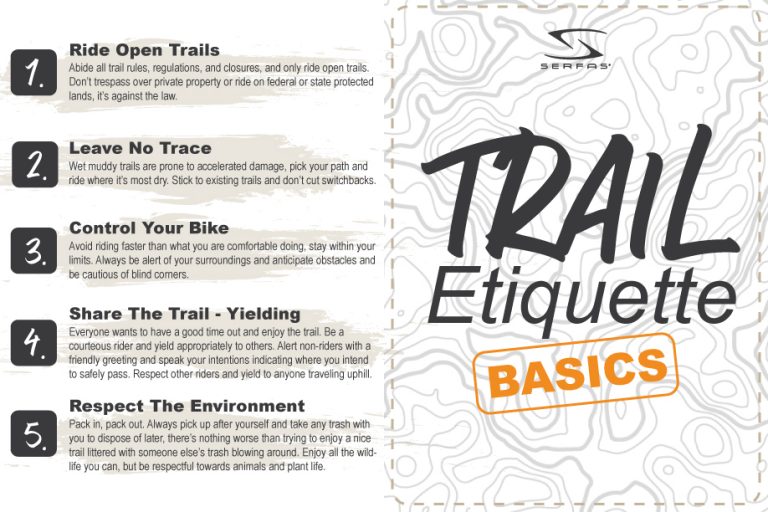
Mountain bike trail etiquette rules emphasize respecting access and permissions. Riders should stay on designated paths and follow local regulations. Yielding to other trail users ensures safety and enjoyment for everyone.
Understanding Trail Designations
Mountain bike trails are marked for different uses. Some trails are for bikes only. Others are shared with hikers or horses. Always check the trail signs before starting your ride. Look for posted rules at trailheads. These signs tell you which trails are open for biking. Respecting trail designations helps keep everyone safe.
Obtaining Necessary Permissions
Some trails need special permissions to ride. These may be required for private or protected lands. Local parks may need a permit to ride. Always check if you need a permit before you go. You can get permits online or at local ranger stations. Having the right permissions prevents fines and keeps trails open. Always plan ahead to avoid surprises.
Respect For Nature
Always stay on marked trails. This helps protect the environment. Pick up all trash and litter. Even small items can harm wildlife. Leave nature as you find it. Do not pick plants or disturb rocks. Keep noise levels low to respect animals. They live in the wild, and loud sounds can scare them. Respect signs and rules on the trail. They are there to keep nature safe.
Off-trail riding can damage plants and soil. It can cause erosion and harm animal homes. Trails are made to keep nature safe. Riding off-trail can create new paths. This might confuse other riders and animals. Stay on the trail to protect nature. It is important for everyone to follow these rules.
Interactions With Other Trail Users
Mountain bikers should always give way to hikers and equestrians. Slow down when you see them. Stop if the trail is narrow. Stay on the right side of the path. Always announce your presence with a friendly voice. Use phrases like “On your left” or “Hello, passing by.” Make sure to give them enough space. Horses can get startled easily. Keep a safe distance from them. Respecting others on the trail ensures everyone’s safety. It also makes the trail a happier place for all.
Good communication is key on the trail. Use clear and simple words. Speak loudly but not too loud. Make eye contact when possible. Smile to show friendliness. Let others know your direction. For example, say “Coming up behind you.” Use a bell if you have one. This helps others hear you coming. Being polite goes a long way. It creates a friendly trail environment. Everyone enjoys the trail more this way.
Safety Measures
Always wear a helmet for head protection. It can save lives. Gloves protect your hands from falls. They also improve grip. Use proper shoes with good traction. They help in rough terrains. A water bottle keeps you hydrated. It’s important on long rides. A first-aid kit is useful for minor injuries. Always keep one handy. Ensure your bike has functioning brakes. Check them before starting. A bell or horn warns others on the trail. It’s polite and safe.
Always control your speed on trails. Fast rides can be dangerous. Slow down near curves and bends. It helps avoid accidents. Watch for other bikers and hikers. Share the path safely. Keep a safe distance from others. It prevents collisions. Use brakes gently on downhill paths. Sudden stops can cause falls. Be aware of your surroundings. Listen for sounds and signals. Stay alert for any sudden changes.
Maintaining Trail Conditions
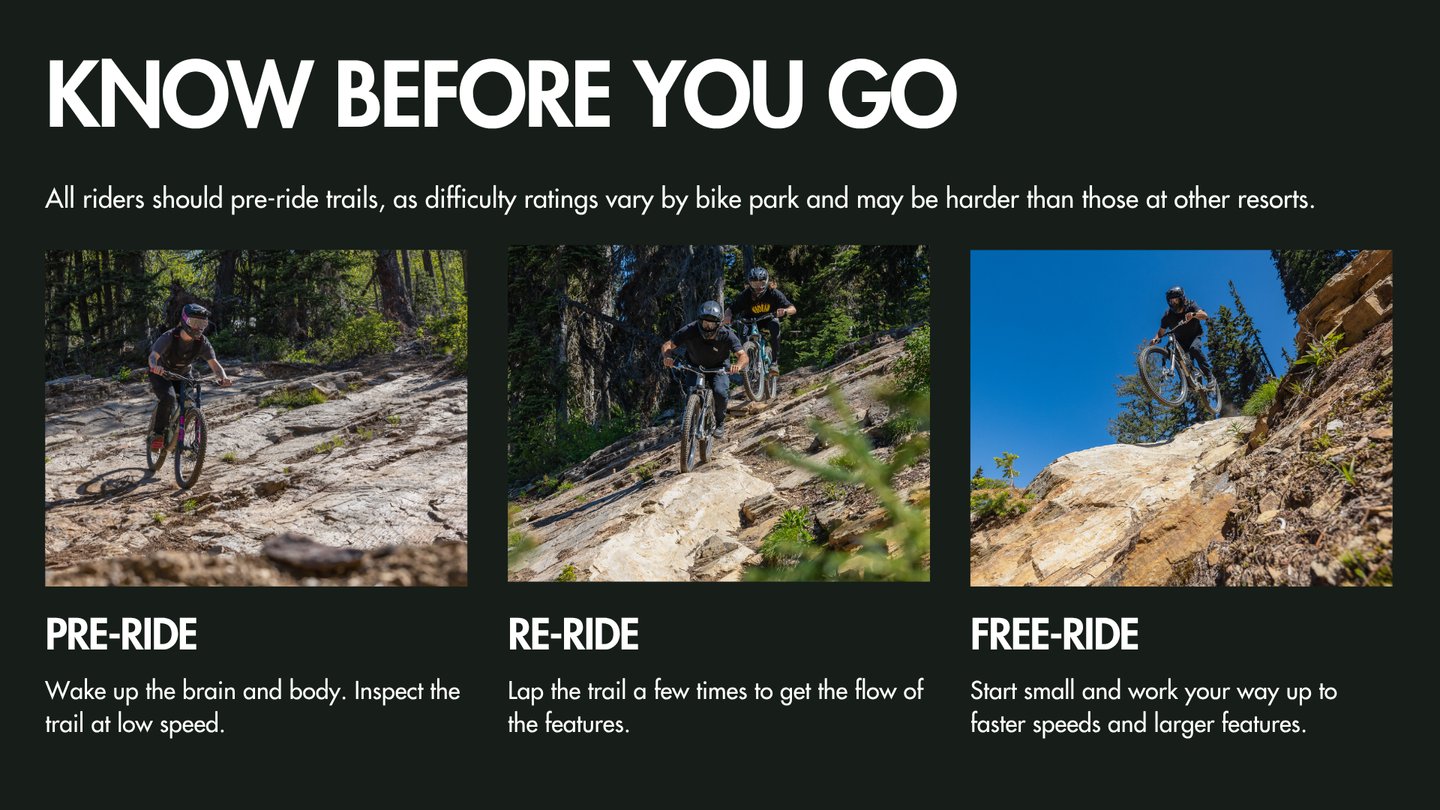
Spotting problems on trails is crucial. Tell park staff quickly. This helps keep trails safe for everyone. Broken signs or fallen trees can be dangerous. Always report muddy paths or erosion. Sharing information protects trails. Everyone can enjoy biking safely.
Helping with trail upkeep is rewarding. Volunteers clean and fix trails. This makes biking fun for all. Simple tasks include picking up trash. Clearing branches and fixing signs are also important. Participating builds a strong community. Every effort makes a difference.
Credit: www.revelstokemountainresort.com
Group Riding Etiquette
Mountain bike trail etiquette ensures safety and fun for all. Yield to uphill riders and announce your presence politely. Stick to the trail and avoid disturbing wildlife.
Managing Large Groups
Keep the group size small. Large groups can be hard to manage. Split into smaller groups if needed. Each group should have a leader. The leader sets the pace and guides the trail. Communication is key. Use hand signals or simple words. Check on each other often. Make sure everyone is okay. Stick together and wait at trail junctions. This helps avoid getting lost.
Keeping A Cohesive Pace
Ride at a speed everyone can handle. Don’t leave anyone behind. It’s important to stay together. Watch for tired riders. Take breaks if someone needs rest. Keep the pace steady and smooth. Speeding up and slowing down can confuse. Always check your group is behind you. Safety is important. A cohesive pace keeps everyone safe.
Respecting Local Wildlife
Navigating mountain bike trails requires respect for local wildlife. Stay on marked paths to avoid disturbing habitats. Slow down in wildlife areas to minimize stress on animals and preserve their natural environment.
Understanding Wildlife Habitats
Animals have homes called habitats. These are special places they live. Each animal needs its habitat to survive. Some live in forests, others in deserts. It’s important not to disturb these places. Animals feel safe in their habitats. Our bikes can scare them away. We should ride carefully and stay on marked trails.
Minimizing Disturbance
Our actions can bother animals. Loud noises can frighten them. Fast movements might cause them to flee. We should ride quietly and slowly. Avoid feeding or touching the wildlife. This keeps them safe and healthy. Always clean up your trash. It helps protect their environment. Respecting nature keeps it beautiful for everyone.
Adapting To Trail Conditions
Adapting to trail conditions is key for respectful mountain biking. Understanding trail etiquette ensures safety and enjoyment for everyone. Yield to hikers and uphill bikers, and stay on marked paths to protect the environment.
Riding In Wet Weather
Trails can get slippery when wet. Use wider tires for better grip. Slow down to avoid skidding. Stay alert for muddy patches. Mud can cause tires to slip. Wear waterproof gear to stay dry. Keep your bike clean to prevent rust. Wet trails are more challenging. Ride with caution and be ready to stop.
Handling Seasonal Changes
Each season brings different trail conditions. In spring, trails might be muddy. Summer trails are usually dry and dusty. Fall brings leaves that can hide obstacles. Winter trails may be icy and slippery. Adjust your riding style for each season. Always check trail conditions before you go. Ride safely and protect nature.
Credit: www.serfas.com
Frequently Asked Questions
What Is Mountain Biking Etiquette?
Mountain biking etiquette involves staying on marked trails, yielding to hikers, and controlling your speed. Respect nature and avoid creating new paths. Announce your approach politely to others, especially on narrow trails. Always pack out trash and leave the area cleaner than you found it.
Respecting the environment enhances everyone’s experience.
Who Has The Right Of Way On A Mountain Bike Trail?
Yield to uphill riders on mountain bike trails. Cyclists must give way to hikers and horses. Respect trail signage for guidance. Prioritize safety and courtesy. Always stay aware of your surroundings.
What Is The Code Of Conduct For Mountain Biking?
Respect trails, ride responsibly, yield to hikers, and avoid disturbing wildlife. Maintain your bike, stay on designated paths, and wear protective gear. Communicate with other trail users, and pack out your trash. Keep noise levels low and be aware of environmental conservation efforts.
Always prioritize safety for yourself and others.
What Is The Etiquette For Trails?
Stay on designated paths and yield to uphill hikers. Keep dogs leashed and clean up after them. Avoid loud noises and don’t litter. Respect wildlife and other trail users. Stay aware of your surroundings.
Conclusion
Respecting mountain bike trail etiquette is crucial for everyone’s enjoyment. Simple rules create a safer, friendlier environment. Yield to others, especially hikers and horses. Stay on marked paths to protect nature. Always communicate when passing. Keep noise levels low and respect wildlife.
Leave no trace; pack out all trash. Share the trails responsibly. Every rider plays a part in trail preservation. Following these guidelines enhances your experience and protects the environment. Enjoy riding responsibly. Happy trails!



