
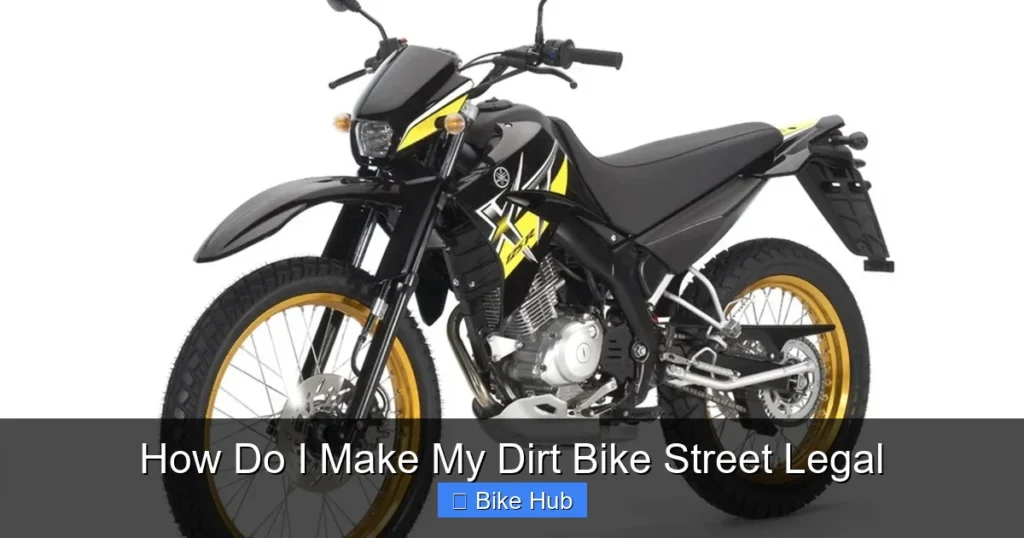
Making your dirt bike street legal involves adding required equipment like headlights, taillights, mirrors, and turn signals, then registering it with your state’s DMV. This guide walks you through every step to ensure your bike meets road safety standards and legal requirements.
Key Takeaways
- Check your state’s specific laws: Street legality requirements vary widely by state, so always verify local regulations before starting modifications.
- Install essential lighting and signals: Headlights, brake lights, turn signals, and reflectors are mandatory for visibility and safety on public roads.
- Upgrade to DOT-approved tires: Dirt bike knobbies aren’t safe for pavement—switch to tires rated for street use.
- Add mirrors and a horn: Most states require at least one rearview mirror and an audible warning device like a horn.
- Register and insure your bike: Once modified, you’ll need to title, register, and insure your dirt bike just like any other motorcycle.
- Consider professional help: If wiring or fabrication seems overwhelming, consult a mechanic familiar with street-conversion builds.
- Test everything before hitting the road: Ensure all lights, signals, and brakes work properly to avoid fines or accidents.
How Do I Make My Dirt Bike Street Legal?
So you’ve got a killer dirt bike—lightweight, powerful, and built for trails—but you’re dreaming of cruising down backroads or commuting to work on it. The good news? You can make your dirt bike street legal with the right mods and paperwork. The bad news? It’s not as simple as slapping on some lights and hitting the highway.
In this guide, we’ll walk you through everything you need to know to legally ride your dirt bike on public roads. From installing DOT-approved components to navigating DMV bureaucracy, we’ve got you covered. Whether you’re in California, Texas, or somewhere in between, these steps will help you transform your off-road machine into a road-ready ride.
Step 1: Research Your State’s Requirements
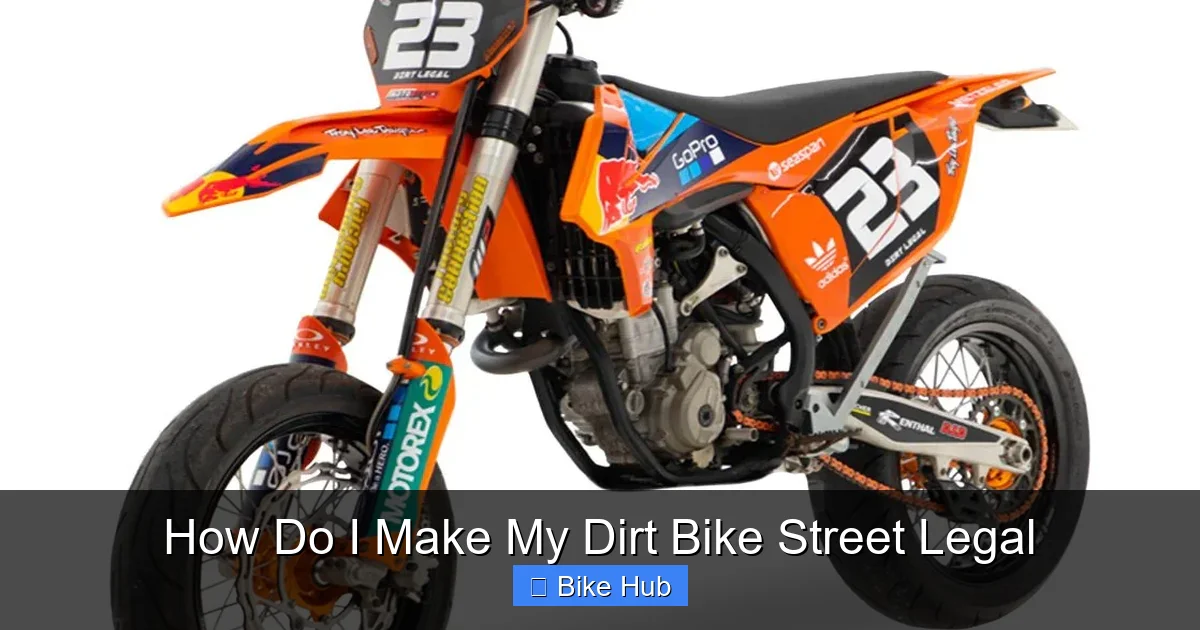
Visual guide about How Do I Make My Dirt Bike Street Legal
Image source: dirt.legal
Before you touch a wrench, check your state’s Department of Motor Vehicles (DMV) or equivalent agency website. Street legality rules vary dramatically across the U.S.—some states allow full conversions, while others only permit certain models or impose strict limitations.
For example, California requires emissions compliance and a certified VIN inspection, while Florida allows more flexibility if your bike meets basic safety standards. Some states even have “dual-sport” exemptions for bikes originally designed for both off- and on-road use.
Pro tip: Call your local DMV or search “[Your State] motorcycle titling requirements” to get the most accurate info. Don’t rely solely on forum advice—laws change!
Step 2: Install Required Lighting and Electrical Components
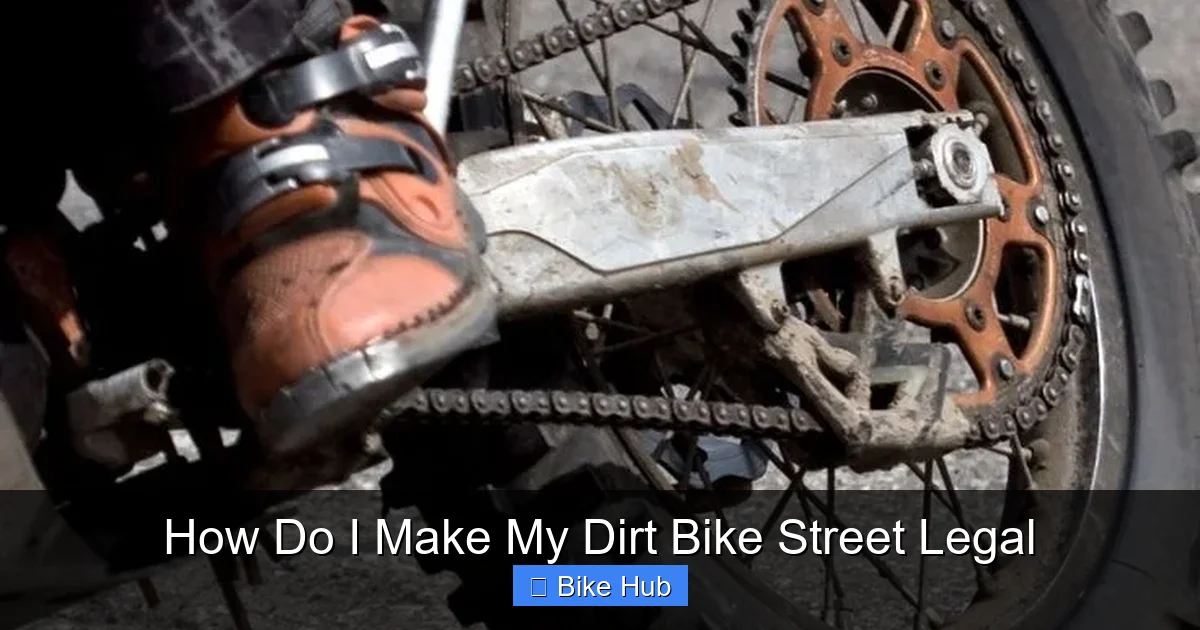
Visual guide about How Do I Make My Dirt Bike Street Legal
Image source: i.pinimg.com
Dirt bikes typically come with minimal lighting—if any. To be street legal, you’ll need a full electrical system that includes:
Headlight
Your headlight must be bright enough to illuminate the road at night and visible from a distance. Use a DOT-compliant headlight assembly. Many riders upgrade to LED units for better brightness and lower power draw.
Taillight and Brake Light
A red taillight that stays on when the engine is running, plus a brighter brake light that activates when you squeeze the lever. These are non-negotiable for rear visibility.
Turn Signals
Yes, even dirt bikes need blinkers! Front and rear turn signals are required in nearly every state. You can buy universal motorcycle turn signal kits online—they usually include wiring harnesses and switches.
Reflectors
White reflectors on the front, red on the rear, and amber or white on the sides. If your bike doesn’t have them, you can install DIY bike reflectors using adhesive DOT-approved units.
License Plate Mount and Light
You’ll need a bracket to mount your license plate and a small light to illuminate it at night. This is often overlooked but strictly enforced.
Wiring all this can be tricky if your bike lacks a stator or battery. Consider upgrading to a dual-sport electrical system or adding a small battery and regulator/rectifier. If you’re not confident with wiring, consult a professional—or check out our guide on how to install lights on a fat tire bike for helpful tips.
Step 3: Add Mirrors, Horn, and Speedometer
Mirrors
Most states require at least one rearview mirror (usually on the left handlebar). For better visibility, install two. Look for foldable motorcycle mirrors that won’t snap off on trails.
Horn
A working horn is essential for alerting other drivers. Universal motorcycle horns are cheap and easy to wire into your existing system.
Speedometer
While not always mandatory, a speedometer helps you stay within legal limits and proves your bike meets minimum speed requirements (some states require bikes to go at least 30 mph). Many modern dirt bikes already have digital dashes—just ensure yours is functional.
Step 4: Swap to Street-Legal Tires
Knobby off-road tires are dangerous on pavement—they offer poor grip, wear quickly, and can cause instability at higher speeds. You need tires marked with the DOT symbol, indicating they meet Department of Transportation standards.
Look for dual-sport or adventure tires like the Michelin Anakee Wild or Continental TKC 70s. These provide decent off-road traction while handling well on asphalt. For help choosing the right size, refer to our article on what size bike tire do I need.
Avoid cheap “street legal” tires that lack real DOT certification—they may fail inspections or compromise safety.
Step 5: Ensure Proper Brakes and Suspension
Your brakes must be in excellent condition. Inspect pads, rotors, and fluid levels. Street riding demands more consistent braking than trail riding, so don’t cut corners.
Suspension should also be tuned for mixed use. If your bike is too stiff or too soft, it can affect handling on paved roads. Adjust preload and damping if your forks and shock allow it.
Step 6: Register, Title, and Insure Your Bike
Once your bike is fully equipped, it’s time for paperwork:
Title and Registration
Visit your DMV with proof of ownership (bill of sale or Manufacturer’s Certificate of Origin), completed application forms, and evidence of modifications (photos or receipts help). Some states require a VIN verification or safety inspection.
Insurance
Liability insurance is mandatory in most states. Call insurers that cover motorcycles—many treat converted dirt bikes like standard motorcycles if they’re properly registered.
License Endorsement
You’ll need a motorcycle endorsement on your driver’s license. Check your state’s requirements—some waive the skills test if you already have a valid motorcycle license from another state.
Troubleshooting Common Issues
Problem: Lights flicker or don’t work.
Solution: Check ground connections and ensure your charging system can handle the extra load. A weak stator may need upgrading.
Problem: DMV rejects your application.
Solution: Double-check that all components are DOT-compliant and properly installed. Bring documentation (receipts, manuals) to prove legitimacy.
Problem: Bike feels unstable on pavement.
Solution: Confirm tire pressure is correct for street use (usually higher than off-road settings) and that suspension is balanced.
Final Tips Before You Ride
– Always wear a helmet and protective gear—even if your state doesn’t require it.
– Carry registration, insurance, and ID while riding.
– Practice in low-traffic areas before taking longer trips.
– Consider adding a small rack or storage if you plan to commute—check out our guide on how to make a DIY bike rack for ideas.
Making your dirt bike street legal takes time, effort, and a bit of cash—but the freedom of riding wherever the road (or trail) leads is worth it. Just remember: safety and legality go hand in hand. Do it right, and you’ll enjoy years of dual-sport adventures.



