

Imagine cruising down a scenic path, wind in your hair, feeling the thrill of adventure. But suddenly, your bike tire feels wrong.
It’s too small or too big, making your ride uncomfortable. Choosing the right size bike tire isn’t just about fitting your bike; it’s about enhancing your entire cycling experience. You might wonder, “What size bike tire do I need? ” This isn’t just a technical detail; it’s the key to unlocking smoother, safer, and more enjoyable rides.
In this guide, you’ll discover how to select the perfect tire size tailored to your needs, ensuring every ride is a pleasure. Dive in, and let’s get your bike ready for the journey ahead.
Choosing The Right Tire Size
Bike tires have numbers on the side. These numbers show the tire’s size. The first number is the diameter, the second is the width. A common size is 26 x 2.0. This means the tire is 26 inches across and 2 inches wide. Make sure these numbers match your bike. If they don’t, the tire won’t fit.
Correct size keeps your ride safe and smooth. Wrong size can cause accidentsor damage. Check your bike manual for the right size. Ask a store expert if unsure. They can help you choose the perfect fit. Always check tire pressure too. It affects how the bike rides.
Types Of Bike Tires
Choosing the right bike tire size depends on the type of biking you do. Road bikes often need narrow tires for speed, while mountain bikes require wider ones for stability on rough terrains. Understanding your biking needs helps in selecting the ideal tire size for comfort and performance.
Road Bike Tires
Road bike tires are thin and smooth. They help you ride fast. These tires are best for city roads and pavements. They come in sizes like 23mm or 25mm. They need high air pressure. This keeps them firm and fast. Road tires are not for rough paths. They offer little grip on dirt.
Mountain Bike Tires
Mountain bike tires are thick and bumpy. They are good for trails. These tires grip rocks and dirt well. Sizes often start at 2.0 inches wide. They have lower air pressure than road tires. This makes them soft and stable. Mountain tires are not fast on smooth roads.
Hybrid Bike Tires
Hybrid tires are a mix of road and mountain tires. They are smooth but also a bit bumpy. This makes them good for both roads and light trails. Sizes are usually around 35mm to 45mm. They offer a balance of speed and grip. Perfect for everyday biking and fun rides.
Factors Affecting Tire Size Choice
Choosing the right bike tire size depends on terrain, riding style, and bike frame compatibility. Different surfaces require specific tire widths for better traction and stability. Always match tire size with your bike’s specifications for optimal performance.
Riding Style And Terrain
Your riding style matters. Mountain bikers need thicker tiresfor rocky paths. Road cyclists prefer narrow tiresfor smooth roads. Trails or beaches require wider tiresfor better grip. Choosing the right tire ensures a safe and fun ride.
Bike Frame And Fork Compatibility
Check your bike’s frame. It limits tire size options. Measure the forksand frame space. Ensure tires fit properly. Use a ruler or tape measure for accuracy. Wrong size can cause rubbing or damage. Always double-check the measurements before buying.
Common Tire Size Standards
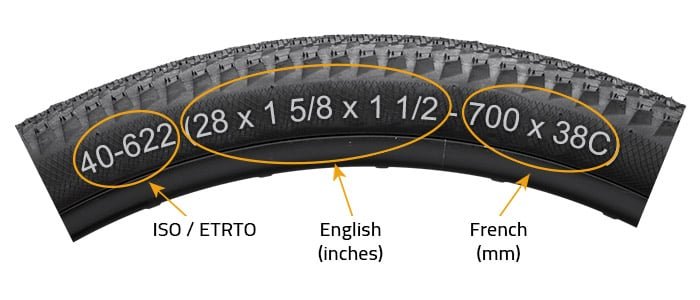
The ISOand ETRTOare two important standards for bike tires. These standards use numbers to show the tire size. The ISO number gives the tire’s width and diameter in millimeters. For example, a tire could be 23-622. The first number, 23, is the width. The second number, 622, is the diameter. The ETRTOuses similar numbers but is more common in Europe. This helps riders choose the right tire size.
Bike tires can also be measured in inches. This is an older way to measure. A tire might be marked as 26×1.75 inches. The first number is the tire’s diameter. The second number is the tire’s width. Inches are easy for many riders to understand. Sometimes, inch measurements can be confusing. They might not match the ISO or ETRTO sizes exactly. Always check the tire markings carefully.
How To Measure Your Current Tire
Accurate tire measurement starts with checking the sidewall for printed size. Measure diameter and width for precise fit.
Reading Tire Sidewall Markings
Look at the side of your tire. Find the numbers printed there. They tell you the tire size. The first number shows the tire’s width in millimeters. The next number after the slash is the aspect ratio. It tells how tall the tire is compared to its width. The last number shows the rim diameter in inches. This tells you the size of the wheel the tire fits on.Using A Tape Measure
Get a tape measure. Measure across the tire’s width. This tells you how wide the tire is. Next, measure the tire’s diameter. Go from one edge to the other through the center. This tells you how big the tire is. These measurements help you know the right tire size. Make sure to measure carefully. `
Credit: www.instagram.com
Considerations For Tire Width
Choosing the right tire width affects bike performance and comfort. Wider tires provide stability and grip on rough terrains. Narrower options suit smooth roads and enhance speed.
Impact On Speed And Stability
Tire widthaffects how fast you can ride. Narrow tires are quicker. They have less contact with the road. This means less friction. But, wider tires offer more stability. They grip the ground better. This is good for rough roads. Think about where you ride most. Choose a width that suits your needs.
Influence On Comfort
Wider tires make rides more comfortable. They absorb bumps and rough spots. This makes your ride smoother. Narrow tires are not as comfy. They are better for smooth roads. Comfort is important for long rides. Choose wisely to enjoy your bike trips.
Tips For Selecting The Perfect Tire
Experts know a lot about bike tires. They can help you choose the right size. Talk to a bike shop staff member. They are very knowledgeable. They can check your bike for you. They might ask about the type of riding you do. This helps them recommend the best tire. Always ask questions if unsure. Experts can give you the best advice.
Trying different tire sizes can help. It makes a big difference in your ride. A bigger tire might be more comfortable. A smaller tire can be faster. You can borrow tires from a friend. Or try some at a bike shop. See which size feels best for you. Testing is a fun way to learn. Pick the tire that feels right. Enjoy a smooth and happy ride!
Credit: www.santafixie.com
Maintenance And Tire Replacement
Choosing the right bike tire size is crucial for a smooth ride. Measure the diameter and width of your old tire. Check the sidewall for size details or consult a bike shop for expert advice.
Signs Your Tire Needs Replacement
Look out for worn-out treads on your bike tires. This means they need changing. Cracks on the tire surface are also a sign. Tires with bulges or blisters are unsafe. Frequent flats can mean your tire is too old. Reduced grip on wet roads is dangerous. Replace tires to stay safe.
Regular Maintenance Practices
- Check tire pressure every week.
- Keep tires at the right pressure.
- Inspect tires for cuts or scratches.
- Clean tires to remove dirt and debris.
- Ensure valves are tight and not leaking.

Credit: benfarmm.com
Frequently Asked Questions
What Size Bike Tire Do I Need For My Height?
Choose a bike tire size based on your height and bike type. For adults, 26-29 inches typically fits. For kids, consider 12-24 inches. Test different sizes for comfort and stability. Always consult a bike expert for precise sizing. Proper tire size ensures safety and enhances riding experience.
How Do I Know What Size Tire My Bike Needs?
Check the bike’s current tire for size markings on its sidewall. Common formats include numbers like “700x32c” or “26×1. 5”. Consult your bike manual or manufacturer’s website for recommendations. Ensure compatibility with your bike’s rim size for safety and performance.
Is A 26 Inch Bike Good For What Height?
A 26-inch bike suits riders between 5’0″ and 5’5″ tall. Ensure proper fit for comfort and efficiency. Adjust seat height for optimal pedaling. Visit a local bike shop for personalized advice and fitting. Choose the right bike size to enhance your riding experience and performance.
What Height Is A 27 Inch Bike For?
A 27-inch bike typically suits riders with a height of 5’5″ to 5’9″. Consider frame size and personal preference for the best fit.
Conclusion
Choosing the right bike tire size is crucial for a smooth ride. Measure your current tires. Compare them with your bike’s specifications. Match the tire size to your riding style. Consider the terrain you usually bike on. Keep safety in mind when selecting tires.
Always ensure proper fitting for best performance. Regularly check tire pressure for optimal results. A well-chosen tire enhances comfort and control. Enjoy your cycling experience with the perfect tire size. Ride confidently with the right equipment. Happy biking!



