

A skipping bike chain can ruin your ride and damage components. This guide explains the most common causes—like worn chains, cassettes, or poor shifting—and walks you through step-by-step fixes so you can get back on the road safely and smoothly.
Key Takeaways
- Worn chains are the #1 cause of skipping: Chains stretch over time, causing poor engagement with gears.
- Dirty or dry chains skip more often: Lack of lubrication increases friction and wear.
- A damaged cassette worsens skipping: Worn teeth can’t grip the chain properly, especially in higher gears.
- Improper derailleur adjustment leads to misalignment: Even a slightly bent hanger can cause skipping.
- New chains on old cassettes won’t solve the problem: Always check cassette wear when replacing a chain.
- Regular maintenance prevents most skipping issues: Clean, lubricate, and inspect your drivetrain every few weeks.
- Use the right tools for accurate diagnosis: A chain checker tool helps detect wear before problems start.
Why Is My Bike Chain Skipping? A Complete How-To Guide
If your bike chain is skipping—jumping or slipping under pedaling pressure—it’s not just annoying. It’s a warning sign that something in your drivetrain needs attention. Whether you’re cruising on a road bike or tackling mountain trails, a skipping chain can lead to poor performance, unsafe riding, and costly damage if ignored.
In this guide, you’ll learn exactly why your bike chain is skipping, how to diagnose the root cause, and what you can do to fix it fast. We’ll walk you through step-by-step checks, share practical maintenance tips, and help you avoid common mistakes. By the end, you’ll know how to keep your chain running smoothly mile after mile.
What Does a Skipping Chain Feel Like?
Visual guide about Why Is My Bike Chain Skipping
Image source: pedalstreet.com
Before diving into fixes, it’s important to recognize the symptoms. A skipping chain usually feels like:
- A sudden “jump” or “clunk” when you pedal hard
- The pedals slipping forward without resistance
- A jerky or uneven sensation, especially in higher gears
- Clicking or grinding noises from the rear wheel
These signs often appear under load—like climbing a hill or accelerating from a stop. If you notice them, don’t ignore them. Skipping can damage your cassette, chainrings, and derailleur over time.
Top Causes of a Skipping Bike Chain
Visual guide about Why Is My Bike Chain Skipping
Image source: i2.wp.com
Let’s break down the most common reasons your chain might be skipping.
1. Worn or Stretched Chain
Chains don’t actually “stretch” in the traditional sense. Instead, the pins and rollers wear down, increasing the distance between links. This is called chain elongation. A worn chain no longer meshes properly with the teeth on your cassette and chainrings.
How to check: Use a chain checker tool (or a ruler) to measure 12 links. If they measure more than 12 1/16 inches, your chain is worn and needs replacing.
Pro tip: Replace your chain every 1,500–2,000 miles, or sooner if you ride in wet or dirty conditions. This prevents premature wear on your cassette.
2. Worn Cassette
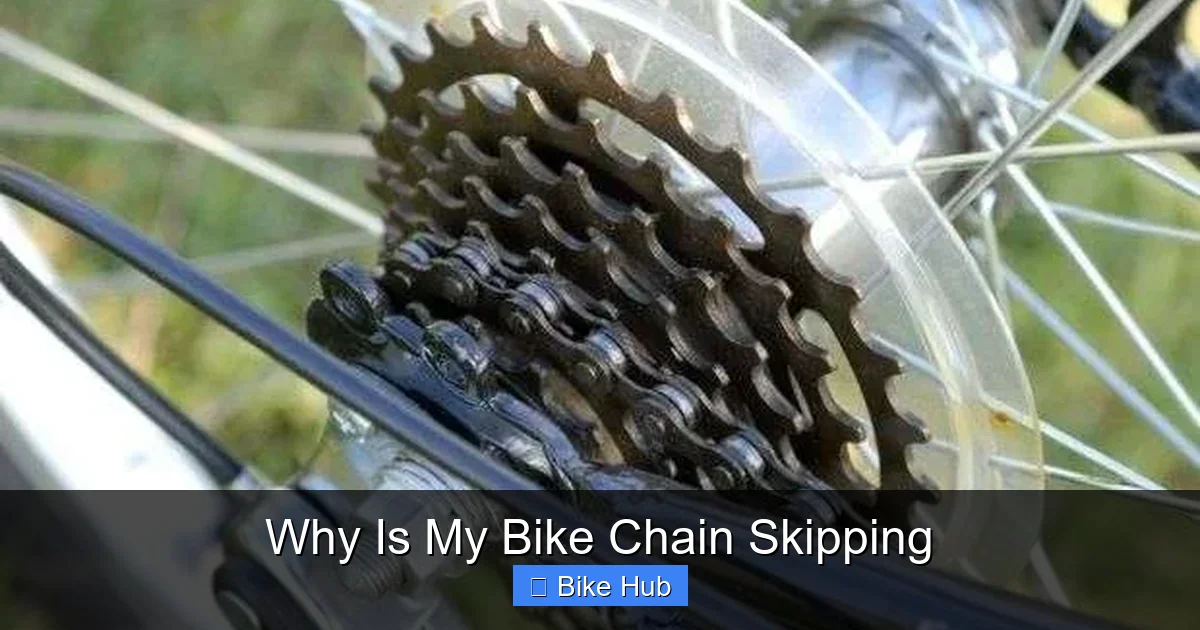
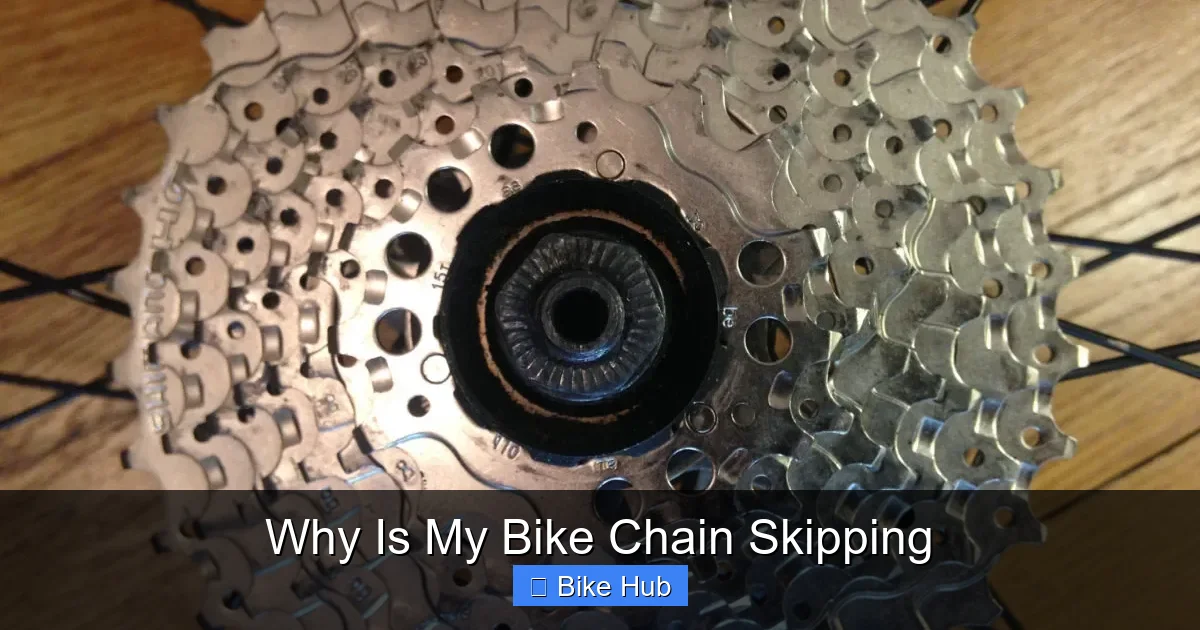
Even with a new chain, a worn cassette can cause skipping. Cassette teeth become hooked or pointed over time, losing their ability to grip the chain.
How to check: Look at the teeth—if they look sharp or asymmetrical, it’s time for a replacement. You can also test by installing a new chain. If it still skips, the cassette is likely the culprit.
Important: Always replace the cassette when installing a new chain if the old one is worn. A new chain on an old cassette will skip and wear out quickly.
3. Dirty or Dry Chain
A chain clogged with dirt, grime, or old lube creates friction and prevents smooth engagement with the gears. This can cause the chain to slip, especially under heavy pedaling.
How to fix: Clean your chain regularly using a degreaser and a chain cleaning tool. After cleaning, apply fresh lubricant. For road bikes, use a wet or dry lube depending on conditions—check out our Road Bike Chain Lubrication Guide for detailed tips.
4. Improper Derailleur Adjustment
If your rear derailleur isn’t aligned or adjusted correctly, the chain may not sit properly on the cassette. This misalignment can cause skipping, especially in certain gears.
How to check: Shift through all gears. If the chain skips only in one or two gears, the derailleur may need adjustment. Also, inspect the derailleur hanger—if it’s bent, even slightly, it can throw off alignment.
Fix: Use a derailleur hanger alignment tool to straighten it, or take it to a shop if you’re unsure.
5. Chainring Wear
The chainrings (front gears) can also wear out, especially on bikes with high mileage. Worn chainrings have hooked or uneven teeth that don’t hold the chain securely.
How to check: Look for sharp, pointed, or asymmetrical teeth. Compare them to new ones—if they look significantly different, replacement may be needed.
6. Incorrect Chain Length
A chain that’s too long or too short can cause poor shifting and skipping. Too long, and it may not tension properly; too short, and it can strain the derailleur.
How to fix: Follow manufacturer guidelines or use the “big-big plus two links” method to determine correct length.
Step-by-Step: How to Diagnose and Fix a Skipping Chain
Now that you know the causes, let’s walk through a practical troubleshooting process.
Step 1: Inspect the Chain
Start with the chain—it’s the most common culprit.
- Use a chain checker tool to measure wear.
- If it’s stretched beyond 0.75% (12 1/16 inches for 12 links), replace it.
- While you’re at it, clean the chain thoroughly. A clean chain performs better and lasts longer.
Step 2: Check the Cassette
If the chain is new or in good condition, inspect the cassette.
- Look for worn, hooked, or sharp teeth.
- Try shifting into the smallest cog. If the chain skips there, the cassette is likely worn.
- If replacing the chain, consider replacing the cassette too—especially if it’s over 2,000 miles old.
Step 3: Clean and Lubricate
A dirty chain is a slipping chain.
- Degrease the chain using a chain cleaner or brush.
- Rinse and dry completely.
- Apply a high-quality bike chain lube. For mountain bikes, use a wet lube for muddy conditions. For road bikes, a dry lube works well in dry weather. See our How To Oil Fat Tire Bike Chain guide for fat bike-specific tips.
- Wipe off excess lube to prevent dirt buildup.
Step 4: Adjust the Derailleur
Misaligned derailleurs cause skipping.
- Check the derailleur hanger for bends. Use an alignment tool if available.
- Adjust the limit screws (H and L) to ensure the chain doesn’t overshift.
- Fine-tune the barrel adjuster to improve shifting smoothness.
Step 5: Test Ride
After making adjustments, take your bike for a short test ride.
- Shift through all gears under light and heavy load.
- Listen for skipping, grinding, or hesitation.
- If the problem persists, revisit the steps above or consult a mechanic.
Preventing Chain Skipping: Maintenance Tips
The best way to avoid a skipping chain is regular maintenance.
- Clean your chain every 100–200 miles or after riding in wet/muddy conditions.
- Lubricate after cleaning and wipe off excess to avoid attracting dirt.
- Check chain wear every month using a chain checker tool.
- Replace chains before they wear out—this saves your cassette and chainrings.
- Store lube properly to maintain effectiveness. Learn how in our How To Store Bike Lubricant guide.
For mountain bikers, extra care is key. Dirt and mud accelerate wear. Consider using a chain protector or full-coverage fenders on muddy trails. Also, check out our How To Prepare A Mountain Bike For Long Rides guide for pre-ride maintenance tips.
When to See a Mechanic
While many skipping issues can be fixed at home, some problems require professional help.
- If the derailleur hanger is severely bent
- If multiple components (chain, cassette, chainrings) are worn
- If you’re unsure about proper installation or adjustment
A qualified bike mechanic can diagnose complex issues and ensure everything is aligned and functioning correctly.
Conclusion
A skipping bike chain is more than a nuisance—it’s a sign that your drivetrain needs attention. By understanding the causes—worn chains, dirty components, misaligned derailleurs—you can take quick action to fix the problem and prevent further damage.
Regular cleaning, lubrication, and inspection are your best defenses. Use the right tools, replace parts before they fail, and don’t ignore early warning signs. With proper care, your chain will stay smooth, quiet, and reliable for thousands of miles.
Remember: a well-maintained bike isn’t just safer—it’s more fun to ride.



