
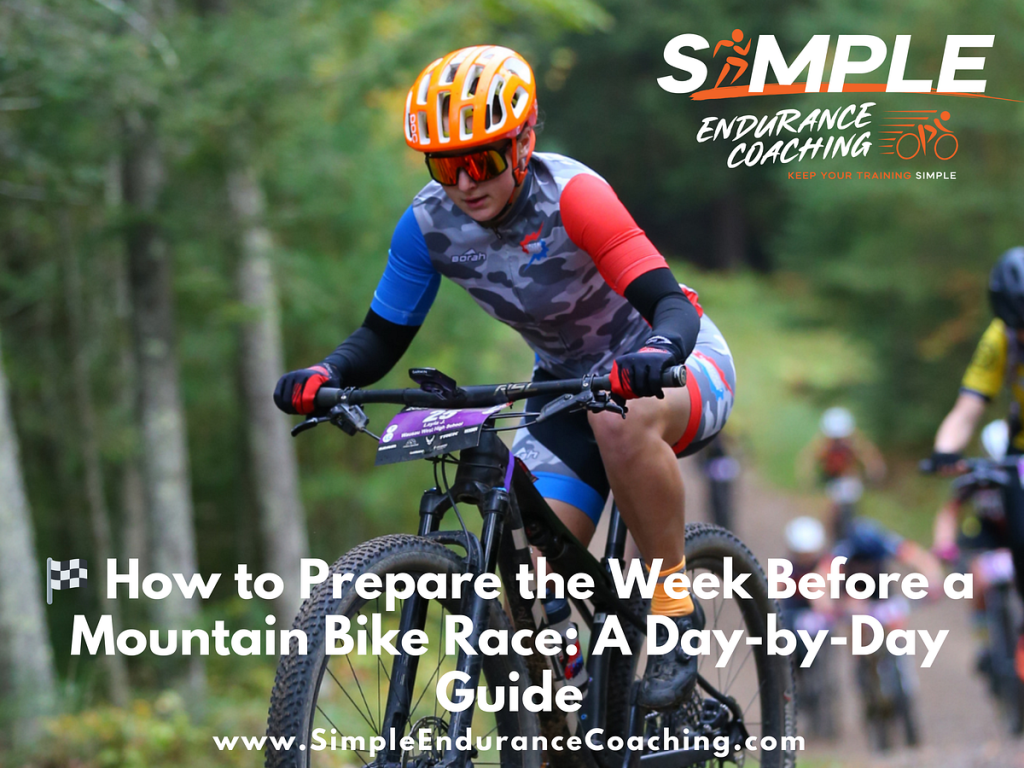
Are you ready to tackle those rugged trails and breathtaking landscapes on your mountain bike? Preparing your bike for long rides is crucial to ensure a safe and enjoyable adventure.
Imagine the thrill of pedaling through stunning terrains without a hitch, feeling confident in every twist and turn. Your bike is not just a machine; it’s your trusty companion in conquering those epic journeys. In this guide, you’ll discover simple yet essential steps to make sure your mountain bike is up for the challenge.
From checking tire pressure to fine-tuning your brakes, we’ve got you covered. Dive in and learn how to transform your ride into an unforgettable experience. Your next adventure awaits—let’s make sure you’re ready for it!

Credit: www.bikeradar.com
Bike Maintenance Basics
Preparing a mountain bike for long rides involves checking tire pressure, lubricating the chain, and tightening bolts. Ensuring brakes and gears function smoothly is essential for safety and comfort. Carrying a basic tool kit can help fix minor issues on the trail.
Check Tire Pressure
Always make sure your tire pressure is just right. Low pressure can cause problems. High pressure can make the ride bumpy. Use a gauge to check the pressure. Adjust it as needed. This helps in a smooth ride.
Inspect Brakes
Brakes should work perfectly. Check the brake pads first. They should not be worn out. Test the brakes by squeezing them gently. Listen for any strange sounds. Replace worn pads for better safety. Ensure the brakes stop smoothly.
Lubricate Chain
A well-lubricated chain makes a difference. Clean the chain before applying oil. Use special bike oil for lubrication. Apply oil evenly to each link. This reduces friction and noise. Wipe off extra oil with a cloth.
Gear Essentials
Preparing a mountain bike for long rides involves checking brakes, tires, and gears. Ensure the bike is clean and lubricated. Carry essential tools and spare parts to handle unexpected issues.
Helmet And Protective Gear
Wearing a helmet is very important for safety. It protects your head in accidents. Knee and elbow pads keep your limbs safe. They are very important on rocky trails. Wear gloves to protect your hands from scrapes. They also help with grip. Goggles shield your eyes from dust and bugs. Always check if your gear fits well.
Clothing For Comfort
Choose clothes that keep you cool and dry. A breathable jersey is great for riding. Padded shorts help in long rides. They make you comfortable. Wear layers if it’s cold. Bright colors make you visible to others. Good shoes give you a better grip on pedals. Socks that wick sweat are best.
Hydration Packs
Stay hydrated with a hydration pack. It holds water and snacks. Easy to drink from while biking. Keep a small backpack for extra water. Energy bars and gels keep your energy up. A pack should fit snugly on your back. Check the pack’s straps are tight.
Packing For The Ride
Always carry a basic tool kitfor bike emergencies. Include a tire patch kit, pump, and multi-tool. A spare tube is essential for long rides. Pack a chain tooland extra links for chain fixes. Bring tire levers for quick tire changes. Carry a small rag or cloth for cleaning.
Prepare a simple first aid kitfor minor injuries. Include band-aids, antiseptic wipes, and gauze. Bring pain relievers and allergy medicine. A small pair of scissors can be useful. Pack a few adhesive bandages and medical tape. A whistle helps in emergencies.
Pack energy snacksfor quick fuel. Granola bars and nuts are great choices. Dried fruit provides natural sugars. Bring a sandwich or wrap for lunch. Hydration is key; pack a water bottle or two. Avoid sugary drinks to stay healthy.

Credit: www.bikeradar.com
Route Planning
Use a reliable map and GPS toolto plan your route. These tools help you find safe paths and avoid busy roads. Google Maps and Komoot are popular choices. They show details like elevation and distance. Make sure your GPS device is fully charged. Bring a paper map as backup.
Find rest stops along your route. Rest stops are places to relax and eat. Look for parks, cafes, or picnic areas. Check if they have water and toilets. Plan stops every few hours to rest your legs. This keeps you fresh and safe for long rides.
Check the weather forecast before you ride. Wear clothes that suit the weather. Bring a jacket for rain or wind. If it’s sunny, wear sunscreen and a hat. Weather changes quickly in mountains. Stay safe and adjust your plans if needed.
Fitness And Training
Preparing your mountain bike for long rides ensures safety and comfort. Check the brakes and inflate tires properly. Lubricate the chain and adjust the gears for smooth operation.
Endurance Building
Start with short rides and increase distance slowly. Ride at a steady pace to build endurance. Rest is key; muscles need time to grow. Drink water to stay hydrated. Eat snacks like bananas for energy. Listen to your body and take breaks if needed. Consistency is important for improving stamina. Enjoy the ride while building endurance.
Strength Exercises
Strong muscles help in long rides. Do squats and lunges at home. Push-ups are great for upper body strength. Use a resistance band to work leg muscles. A strong core keeps you balanced. Planks and sit-ups can help. Train muscles three times a week. Rest between sessions for muscle recovery.
Recovery Techniques
After a ride, stretch to relax muscles. Drink water to rehydrate. Eating protein helps muscles repair. Rest is vital for muscle recovery. Sleep well to feel fresh. Ice packs can reduce swelling. Gentle massages soothe sore muscles. Keep a consistent recovery routine.

Credit: www.youtube.com
Safety Measures
Ensure a safe long ride by checking tire pressure and brake function. Securely fasten all bike components and wear a helmet.
Trail Etiquette
Respecting the trail is very important. Always stay on marked paths. Do not disturb plants and animals. Yield to hikers and horses. Keep your speed under control. Alert others by saying “on your left” when passing. Dispose of trash properly.
Emergency Protocols
Always be prepared for emergencies. Carry a first aid kit. Know the nearest emergency contacts. Inform someone about your route and return time. Pack extra food and water. Check weather updates before leaving. Stay calm if an emergency arises.
Communication Devices
Use reliable communication devices. Mobile phones are a must. Ensure they are fully charged. Consider walkie-talkies for areas with no signal. Carry a whistle for signaling. GPS devices help with navigation. Keep them secure and accessible.
Frequently Asked Questions
What Is The 80 Rule In Mountain Biking?
The 80 rule in mountain biking suggests riding at 80% of your maximum effort. This helps maintain endurance and reduces injury risk. It allows riders to enjoy the trail while improving skills and fitness. Balancing intensity prevents burnout and enhances overall biking performance.
Can You Do Long Rides On A Mountain Bike?
Yes, mountain bikes can handle long rides. They offer durability and comfort on varied terrains. Ensure proper bike fit and maintenance for optimal performance. Pack essentials like water and snacks for extended trips. Training improves endurance and enjoyment on longer rides.
How To Prepare For A 30 Mile Bike Ride?
Start with shorter rides to build endurance. Check your bike’s condition and adjust your seat height. Hydrate well before and during the ride. Wear comfortable clothing and gear. Plan your route, including rest stops, and eat a balanced meal beforehand.
Stretch before starting to prevent injuries.
What Is The N 1 Rule For Mtb?
The N+1 rule in mountain biking suggests always having one more bike than you currently own. This maximizes your biking options and ensures you are prepared for different terrains and challenges. Enthusiasts often follow this rule to enhance their mountain biking experience and enjoyment.
Conclusion
Preparing your mountain bike for long rides ensures smooth adventures. Check your tires and brake pads regularly. Keep your chain clean and lubricated. Adjust your gears for easy shifting. Carry essential tools and a first aid kit. Stay hydrated and pack enough snacks.
Practice safety and wear a helmet. Taking these steps makes your ride enjoyable and safe. Happy biking!



