
Folding bikes are great for portability, but their compact design often leads to discomfort on long rides. Learn the main causes—like small wheels, rigid frames, and poor ergonomics—and how to fix them with simple adjustments and gear upgrades.
Key Takeaways
- Compact frame geometry forces riders into awkward positions, straining the back, neck, and shoulders.
- Smaller wheels absorb less shock, making rides bumpier and more tiring over time.
- Stiffer suspension systems or lack of suspension increase vibration transfer to the rider.
- Limited adjustability in handlebars and seats reduces customization for long-distance comfort.
- Heavier weight distribution due to folding mechanisms can affect balance and handling.
- Poor seat and grip design often come standard, leading to numbness and fatigue.
- Simple upgrades like ergonomic saddles, padded gloves, and tire changes can significantly improve comfort.
Why Are Folding Bikes Uncomfortable for Long Rides?
Folding bikes are a fantastic solution for commuters, travelers, and city dwellers who need portability and storage convenience. They tuck neatly into apartments, fit under desks, and can be carried on trains or buses with ease. But when it comes to long-distance riding, many cyclists find themselves asking: Why are folding bikes uncomfortable for long rides?
The answer lies in their design. While folding bikes excel in compactness and convenience, these very features often compromise comfort over extended periods. In this guide, we’ll break down the key reasons behind the discomfort, explain how each factor affects your ride, and offer practical solutions to help you enjoy longer journeys—even on a foldable.
Whether you’re planning a weekend tour or just want to ride farther without pain, understanding these limitations and how to overcome them will make all the difference.
1. Compact Frame Geometry Limits Riding Position
One of the biggest reasons folding bikes feel uncomfortable on long rides is their frame geometry. To allow the bike to fold, manufacturers must shorten the top tube and adjust the angles of the frame. This results in a more upright or cramped riding position compared to traditional road or touring bikes.
How It Affects Comfort
A shorter top tube means your torso is closer to vertical, which can strain your lower back and neck. Unlike endurance road bikes designed with a relaxed geometry for long hours in the saddle, folding bikes often force riders into a position that’s fine for 15-minute commutes but exhausting over several hours.
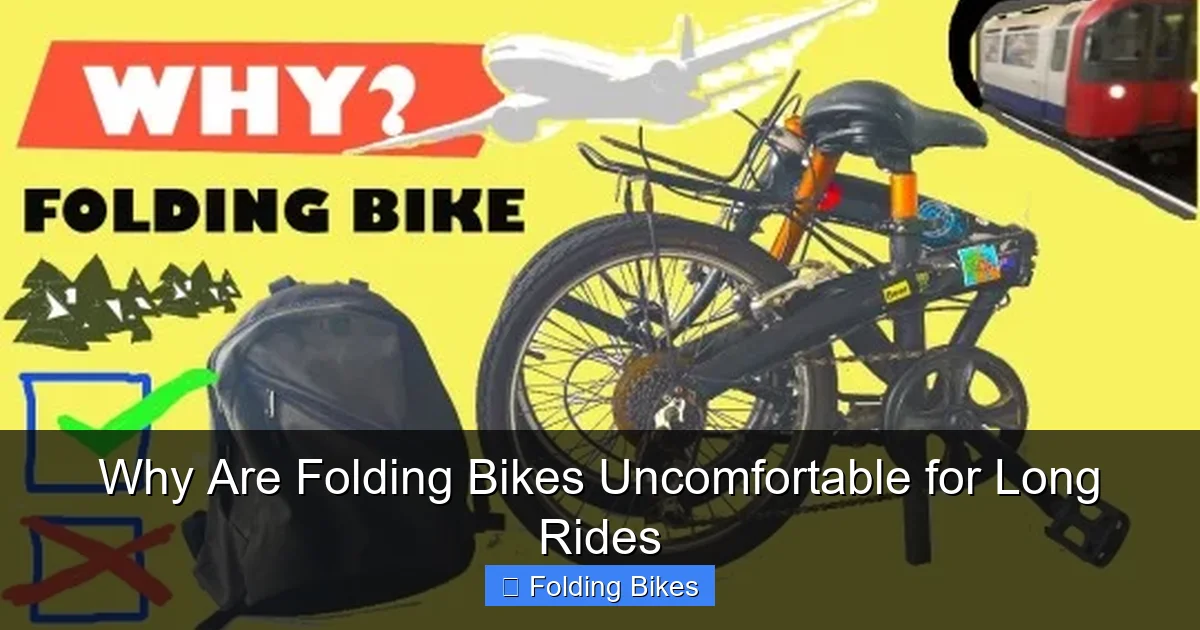
Visual guide about Why Are Folding Bikes Uncomfortable for Long Rides
Image source: 64.media.tumblr.com
What You Can Do
- Adjust your handlebar height: Raise the stem or use an extender to reduce hunching.
- Consider a longer seatpost: This allows for better leg extension and a more natural posture.
- Use a stem riser: A simple upgrade that improves reach and reduces back strain.
For more tips on improving bike fit, check out our guide on which bike is most comfortable for long rides.
2. Smaller Wheels Mean Less Shock Absorption
Most folding bikes use 16″ or 20″ wheels—much smaller than the 26″ or 700c wheels found on standard bikes. While small wheels help reduce the folded size, they also have a major downside: they roll less smoothly over bumps and cracks.
Why Small Wheels Are Rougher
Smaller wheels have less rotational inertia and can’t roll over obstacles as easily. Every pothole, curb, or gravel patch sends more vibration up through the frame and into your body. This constant jolting leads to hand numbness, arm fatigue, and general discomfort—especially on rough city streets or unpaved paths.
How to Reduce the Bumpiness
- Switch to wider tires: Even on small wheels, wider tires (like 1.75″ or 2.0″) can run at lower pressures, acting like natural suspension.
- Use puncture-resistant, high-volume tires: Look for models with good cushioning, such as Schwalbe Marathon or Kenda Kwest.
- Add suspension seatposts: A spring-loaded or elastomer seatpost can absorb shocks before they reach your spine.
For tire recommendations, see our article on how to choose tires for long-distance riding.
3. Stiff Frames and Lack of Suspension
Folding bikes are built to be rigid so they don’t wobble when folded or in use. But this rigidity means they transfer more road vibrations directly to the rider. Unlike mountain bikes or hybrid bikes with front suspension or flexible frames, most folding bikes have little to no suspension system.
The Impact on Long Rides
Over time, constant vibration can cause discomfort in your hands, arms, and lower back. This is especially true on longer rides where fatigue builds up. The lack of give in the frame means your body absorbs all the shock—something that’s manageable for short trips but exhausting over distance.
Improving Ride Smoothness
- Install a suspension seatpost: This is one of the most effective upgrades for comfort.
- Use gel seat covers or padded shorts: These add a layer of cushioning between you and the saddle.
- Wear padded cycling gloves: They reduce hand numbness and absorb vibrations.
For gear that enhances comfort, explore our review of the best bib shorts for long-distance rides.
4. Limited Adjustability and Ergonomics
Many folding bikes come with fixed handlebars and minimal adjustment options. This lack of customization makes it hard to find a comfortable position, especially for riders of different heights or body types.
Why Adjustability Matters
On long rides, even small misalignments in your posture can lead to soreness. If your handlebars are too low, too high, or too close, you’ll feel it in your wrists, shoulders, or back. Unfortunately, folding bikes often sacrifice adjustability for compactness.
How to Improve Fit
- Upgrade to an adjustable stem: This lets you fine-tune your reach and height.
- Use ergonomic grips: They reduce pressure on your palms and improve control.
- Adjust saddle angle and position: A slight tilt or forward/back shift can relieve pressure points.
5. Heavier Weight and Poor Weight Distribution
Folding mechanisms add extra parts—hinges, latches, reinforced joints—which increase the bike’s weight. Many folding bikes weigh between 25 and 30 pounds, compared to 18–22 pounds for standard commuter bikes.
How Weight Affects Long Rides
Heavier bikes require more effort to accelerate and climb hills. Over long distances, this extra effort leads to quicker fatigue. Additionally, the weight is often concentrated in the middle or rear, affecting balance and making the bike feel less responsive.
Tips to Lighten the Load
- Choose a lighter model: Some folding bikes, like the Brompton or Dahon, use aluminum frames to reduce weight.
- Carry only essentials: Use panniers or a backpack wisely to avoid adding unnecessary weight.
- Maintain your bike: Clean and lubricate the chain regularly to reduce rolling resistance.
6. Standard Seats and Grips Aren’t Built for Distance
Most folding bikes come with basic saddles and rubber grips—fine for short trips but not designed for hours of riding. These components often lack padding, ergonomic shaping, or breathability.
Common Issues
- Saddle soreness: Flat, narrow seats cause pressure on soft tissues.
- Hand numbness: Hard grips compress nerves in the palms.
- Chafing and discomfort: Poor materials lead to irritation over time.
Upgrades That Make a Difference
- Replace the saddle: Look for models with cutouts, gel padding, or memory foam.
- Install ergonomic grips: Choose ones with contouring and shock absorption.
- Wear padded shorts: Even the best saddle benefits from extra cushioning.
Troubleshooting Common Discomfort Issues
Even with upgrades, you might still experience discomfort. Here’s how to troubleshoot the most common problems:
Numb Hands or Tingling Fingers
This is usually caused by too much pressure on the hands. Try shifting your grip often, lowering the handlebars slightly, or adding bar ends to change hand positions.
Sore Back or Neck
Check your saddle height and handlebar reach. If you’re leaning too far forward, raise the stem or use a shorter stem to reduce strain.
Knee Pain
Incorrect saddle height is often the culprit. Your leg should be almost fully extended at the bottom of the pedal stroke, with a slight bend.
Fatigue on Long Rides
Make sure you’re not overloading the bike. Use a rear rack or panniers instead of a backpack to improve balance and reduce shoulder strain.
For more on carrying gear comfortably, read our guide on the best rack for hybrid bikes.
Conclusion
So, why are folding bikes uncomfortable for long rides? The answer is clear: their design prioritizes portability over comfort. From compact frames and small wheels to stiff builds and limited adjustability, these bikes are built for convenience, not endurance.
But that doesn’t mean you can’t enjoy longer rides on a folding bike. With smart upgrades—like wider tires, a suspension seatpost, ergonomic grips, and a better saddle—you can significantly improve comfort. Pair these with proper bike fit and supportive gear, and you’ll be ready to ride farther with less pain.
Remember, no bike is perfect for every situation. But with the right adjustments, your folding bike can go the distance—comfortably.



