
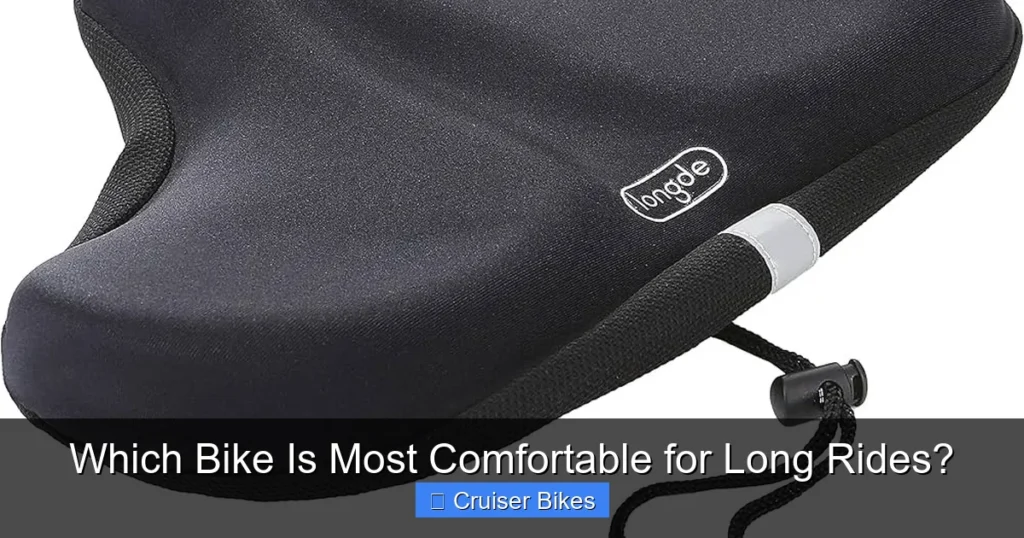
Long-distance comfort starts with the right bike. Cruiser bikes are built for relaxed, upright riding, making them ideal for extended journeys without strain. Whether you’re exploring scenic coastlines or cruising city streets, a well-designed cruiser prioritizes ergonomics, suspension, and support to keep you comfortable mile after mile. In this article, we’ll break down what makes a cruiser bike truly ride-ready for endurance and help you choose the best one for your needs.
If you’ve ever dreamed of spending entire days on two wheels—gliding through coastal paths, touring historic towns, or simply enjoying a peaceful ride across open countryside—then you’re likely searching for the most comfortable bike for long rides. While performance matters, comfort is king when you’re logging 50, 100, or even 300 miles over several days. And among all bike types, cruiser bikes stand out as champions of relaxation and ease.
These bikes weren’t made for speed records. Instead, they prioritize rider comfort, stability, and an enjoyable experience—no matter how far you go. From their laid-back seating positions to plush saddles and smooth-riding tires, cruisers are purpose-built for endurance in style. But with so many models available, how do you pick the right one?
In this guide, we’ll walk you through everything you need to know about finding the most comfortable cruiser bike for long rides, including key features to look for, top-rated models, and pro tips to make every pedal stroke feel effortless.
Key Takeaways
- Ergonomic Design: Comfortable long rides begin with an upright riding position, wide saddles, and handlebars that reduce back and neck strain.
- Suspension Systems: Front suspension forks or dual suspension models absorb road vibrations and bumps, smoothing out rough terrain.
- Tire Selection Matters: Larger, wider tires with low pressure offer better shock absorption and grip, enhancing overall ride quality.
- Weight Distribution: A low center of gravity and balanced frame design improve stability, especially on uneven surfaces or during long hours in the saddle.
- Bike Fit Is Critical: Proper sizing ensures optimal posture and reduces fatigue—don’t ignore frame geometry when choosing your bike.
- Accessories Enhance Comfort: Consider adding mirrors, padded grips, or even a rear rack for luggage to extend your ride comfortably.
- Material & Build Quality: Aluminum frames are lightweight yet durable; steel offers natural vibration damping—choose based on your terrain and preference.
📑 Table of Contents
Why Cruiser Bikes Excel at Long-Distance Comfort
Unlike aggressive road bikes designed for aerodynamics and speed, cruiser bikes take a completely different approach. Their geometry encourages riders to sit upright, reducing pressure on the lower back and shoulders. The handlebars are typically swept backward, allowing your arms to rest naturally without hunching forward—a major relief during extended rides.
Another hallmark of cruiser bikes is their focus on vibration dampening. Whether you’re cruising along paved boulevards or winding country roads, these bikes absorb shocks from cracks, potholes, and gravel patches. This is thanks to larger-diameter wheels (often 26-inch or 700c), wider tires, and sometimes even front suspension systems.
And let’s not forget the saddle. Most cruiser bikes come equipped with broad, cushioned seats that distribute weight evenly across your sit bones. Combined with relaxed leg angles and minimal knee bend, this setup minimizes numbness and discomfort—even after several hours in the saddle.
Top Features That Make a Cruiser Bike Ideal for Long Rides
Not all cruisers are created equal. Some are built purely for casual weekend joyrides, while others are engineered for serious touring and multi-day adventures. Here’s what sets apart the most comfortable cruiser bikes:
1. Upright Riding Position
The foundation of cruiser comfort lies in its posture-friendly design. With a tall head tube and backward-curved handlebars, you’ll find yourself sitting high and centered over the pedals. This keeps your spine aligned and reduces strain on your neck and wrists—critical when you’re riding for hours.
For example, brands like Electra and Schwinn often use patented “Flat Foot Technology,” where the pedals align perfectly under the rider when seated. This means no more awkward foot positioning or constant micro-adjustments mid-ride.
2. Suspension Forks for Smoother Journeys
Road imperfections can quickly turn a pleasant ride into a jarring ordeal. That’s why many long-range cruiser bikes include front suspension forks. These act like little shock absorbers, softening the impact of bumps and cracks before they reach your hands and seat.
Even if your route includes some rough pavement, a good suspension system ensures you stay relaxed and in control. Just remember: too much travel might compromise efficiency on smooth roads, so look for adjustable or moderate-travel forks instead of full downhill rigs.
3. Wide, Padded Saddles
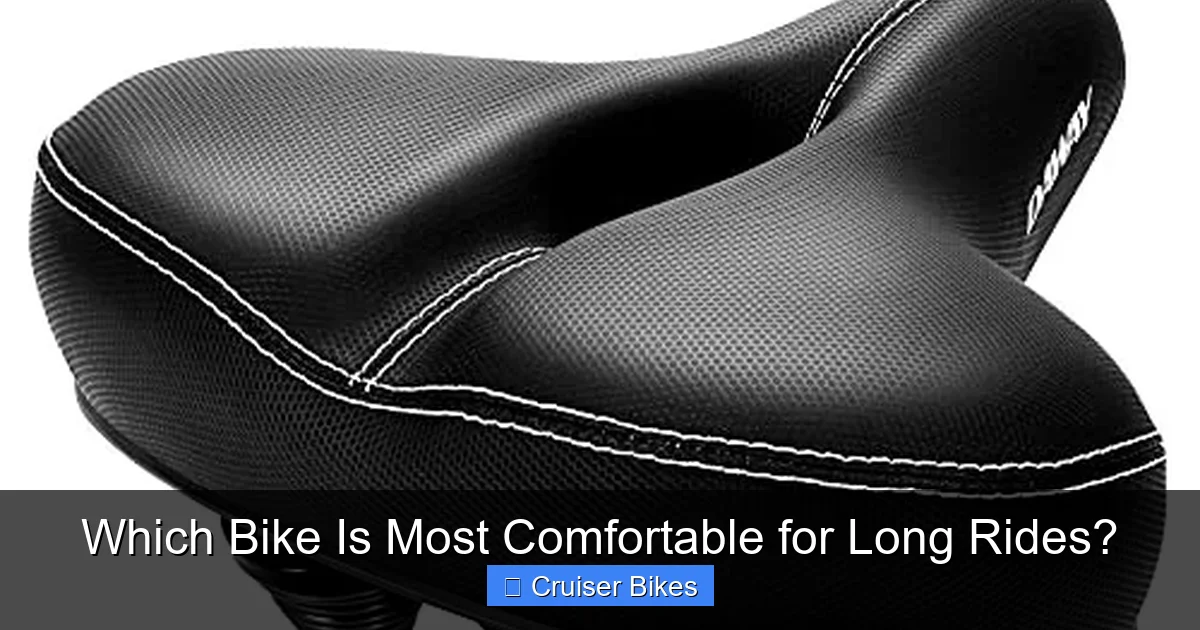
Say goodbye to chafing and sore glutes. High-quality cruiser saddles are roomy, contoured, and filled with memory foam or gel padding. They cradle your body rather than pressing into sensitive areas.
Some models even feature cutouts or ergonomic shaping to relieve pressure on soft tissues—especially important for riders who spend extended time in the saddle. Pair this with a well-fitted pair of cycling shorts (check out our guide on selecting the best bib shorts for long-distance comfort), and you’ll wonder how you ever rode without them.
4. Stable Wheelbase and Low Center of Gravity
Cruiser bikes often have longer wheelbases than standard road bikes, which increases stability—especially at low speeds or when navigating tight turns. This makes them ideal for leisurely tours where control and balance trump agility.
Additionally, the lower bottom bracket height helps prevent pedal strikes on uneven terrain, giving you peace of mind on mixed-surface routes.
5. Tires Built for Endurance
Tire choice dramatically affects ride quality. Look for cruiser bikes with wide, knobby, or semi-slick tires (typically 2.1 inches or wider). These provide extra cushioning and traction without sacrificing rolling efficiency.
Wider tires also allow you to run lower pressures safely, further absorbing vibrations from the road. If you’re planning varied terrain, consider hybrid tires that blend pavement smoothness with light off-road capability—perfect for scenic detours.
6. Ergonomic Grips and Accessories
Comfort isn’t just about the frame—it extends to every touchpoint. Oversized, gel-infused handlebar grips reduce hand fatigue, while optional accessories like rear racks, fenders, and even integrated lights enhance usability during long trips.
Speaking of accessories, adding a rear rack lets you carry essentials like water bottles, tools, or even a small cooler—making day-long excursions more practical and enjoyable.
Best Cruiser Bikes for Long-Range Comfort
Now that we’ve covered the essentials, let’s spotlight some standout models known for their long-ride excellence:
Electra Townie Path 7D EQ
This electric-assisted cruiser combines classic styling with modern convenience. Its flat-foot technology, upright geometry, and 28mph assist motor make it perfect for riders tackling hills or covering greater distances without burning out. The included rear rack and fenders add practicality for errands or light touring.
Schwinn Sanctuary 7-C Speed Cruiser
A budget-friendly option packed with comfort features. It sports a 7-speed drivetrain, front suspension fork, and wide tires that glide over pavement and light trails alike. The step-through frame makes mounting easy, ideal for all ages and fitness levels.
Surly Big Dummy Cargo Cruiser
For those serious about multi-day adventures, this heavy-duty model supports up to 450 lbs and offers massive cargo capacity. With reinforced steel construction, multiple mounting points, and compatibility with fat tires, it’s built to handle whatever you throw at it—literally.
Specialized Roll S-Works
While technically a hybrid, its cruiser-inspired geometry, plush saddle, and wide tire clearance blur the line between categories. The lightweight carbon frame and efficient rolling resistance make it surprisingly fast for a comfort-oriented machine.
How to Choose the Right Size and Fit
Visual guide about Which Bike Is Most Comfortable for Long Rides?
Image source: m.media-amazon.com
Even the most comfortable bike will fail if it doesn’t fit you properly. Start by measuring your inseam and comparing it to the manufacturer’s sizing chart. A proper fit means your feet should touch the ground when seated, your knees slightly bent at the bottom of the pedal stroke, and your reach to the handlebars neither too long nor too short.
Many local bike shops offer test rides—take advantage! Try sitting on different models and simulate real-world conditions. Do you feel stable? Are your hands and wrists relaxed? Can you shift gears smoothly without strain?
Remember, comfort is personal. What feels great to one person may be awkward to another. Don’t rush the process—spend time adjusting saddle height, handlebar position, and even stem length until everything clicks.
Maintaining Your Cruiser for Optimal Long-Term Comfort
Once you’ve found your dream cruiser, keeping it in top shape ensures consistent comfort. Regular maintenance includes checking tire pressure (use a reliable gauge—learn the ideal psi for your tires here), lubricating the chain, and inspecting brakes and cables.
Also, pay attention to wear-and-tear components like saddles and grips. Over time, padding compresses and rubber erodes. Replacing worn parts promptly prevents discomfort and potential injury.
If you plan to tour extensively, consider upgrading to puncture-resistant tires and adding reflective gear for safety. And don’t forget to pack a basic bike tool kit—nothing ruins a long ride faster than a flat tire with no way to fix it.
Final Thoughts: Ride On, Stay Comfortable
Finding the most comfortable bike for long rides doesn’t require sacrificing style or functionality. Cruiser bikes prove that endurance and enjoyment go hand in hand. With thoughtful design choices—upright posture, suspension, supportive saddles, and stable handling—they turn every journey into a pleasure.
Whether you’re seeking a breezy ride along the shoreline, a cross-country adventure, or simply want to explore your neighborhood without sore muscles, investing in the right cruiser pays dividends in comfort mile after mile.
So go ahead—pedal farther, smile wider, and savor the ride. After all, the best distance isn’t measured in miles alone, but in moments of pure joy on two wheels.
Frequently Asked Questions
What makes a cruiser bike the most comfortable for long rides?
A cruiser bike excels in long-distance comfort due to its upright riding position, wide cushioned saddle, shock-absorbing tires, and relaxed geometry. These features reduce strain on the back, neck, and hands, allowing riders to stay in the saddle longer without fatigue.
Can cruiser bikes handle rough terrain during long rides?
While not designed for technical off-road trails, many modern cruiser bikes include front suspension and wide, grippy tires that perform well on paved roads, gravel paths, and light unpaved surfaces. Models with hybrid or mountain-style components offer even greater versatility.
Are electric cruiser bikes good for long-distance touring?
Yes! Electric cruiser bikes provide motor assistance to tackle hills and reduce rider fatigue, making them excellent for extended rides. Look for models with long battery life, sturdy racks, and reliable brakes for safe touring.
How important is bike fit when choosing a comfortable cruiser?
Bike fit is crucial—even the most luxurious cruiser will cause discomfort if improperly sized. Ensure your inseam, torso length, and arm reach match the frame geometry. Test rides and professional fitting services can help fine-tune your setup.
Do I need special clothing for long rides on a cruiser bike?
Absolutely. Investing in cycling-specific apparel like padded bib shorts and moisture-wicking jerseys significantly improves comfort. Breathable fabrics and ergonomic cuts prevent chafing and keep you cool during long sessions.
How often should I service my cruiser bike for long-term comfort?
Service your bike every 6–12 months depending on usage frequency and conditions. Regular checks on brakes, chain tension, tire condition, and saddle integrity ensure consistent performance and comfort over time.



