
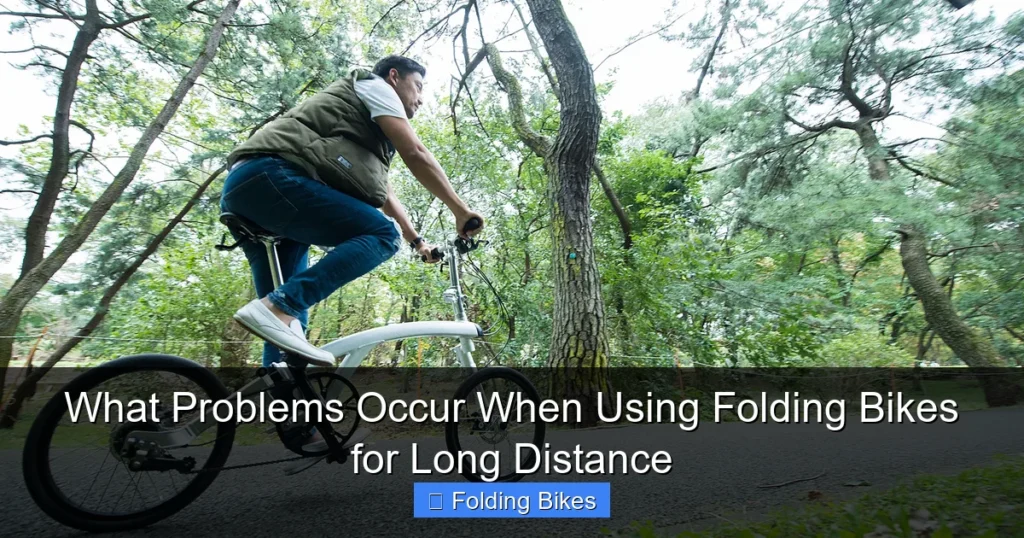
Folding bikes are great for commuting and storage, but long-distance rides can expose several challenges. This guide covers the most common issues—like comfort, durability, and gear limitations—and offers practical solutions to help you ride farther with confidence.
Key Takeaways
- Comfort issues are common: Smaller wheels and compact frames can lead to a rougher ride and less ergonomic positioning over long distances.
- Reduced stability at speed: The lightweight design and shorter wheelbase make folding bikes less stable on highways or uneven terrain.
- Limited gear range: Many folding bikes have fewer gears, making climbing hills or maintaining speed on varied terrain more difficult.
- Durability concerns under load: Carrying heavy gear or riding daily over long distances may strain hinges, joints, and frame components.
- Tire limitations affect performance: Narrow or low-volume tires common on folding bikes offer less cushioning and grip, increasing fatigue and risk on long rides.
- Storage and packing challenges: While foldable, adding panniers or bags can be tricky due to limited mounting points and frame design.
- Proper preparation is key: With the right upgrades and planning, many of these issues can be minimized for a more enjoyable long-distance experience.
Introduction: Are Folding Bikes Built for Long Distance?
Folding bikes are fantastic for city commuters, travelers, and anyone with limited storage space. They’re compact, convenient, and easy to carry on public transit or store in small apartments. But when it comes to long-distance riding—say, a multi-day tour or a 50-mile weekend adventure—many riders run into unexpected problems.
This guide will walk you through the most common issues you’ll face when using a folding bike for long distances. We’ll cover everything from comfort and stability to gear limitations and maintenance. By the end, you’ll know exactly what to expect—and how to prepare—so your next long ride is as smooth as possible.
1. Comfort Challenges on Long Rides
One of the biggest complaints from long-distance folding bike riders is discomfort. Unlike traditional road or touring bikes, folding bikes are designed with compactness in mind, not long-haul ergonomics.
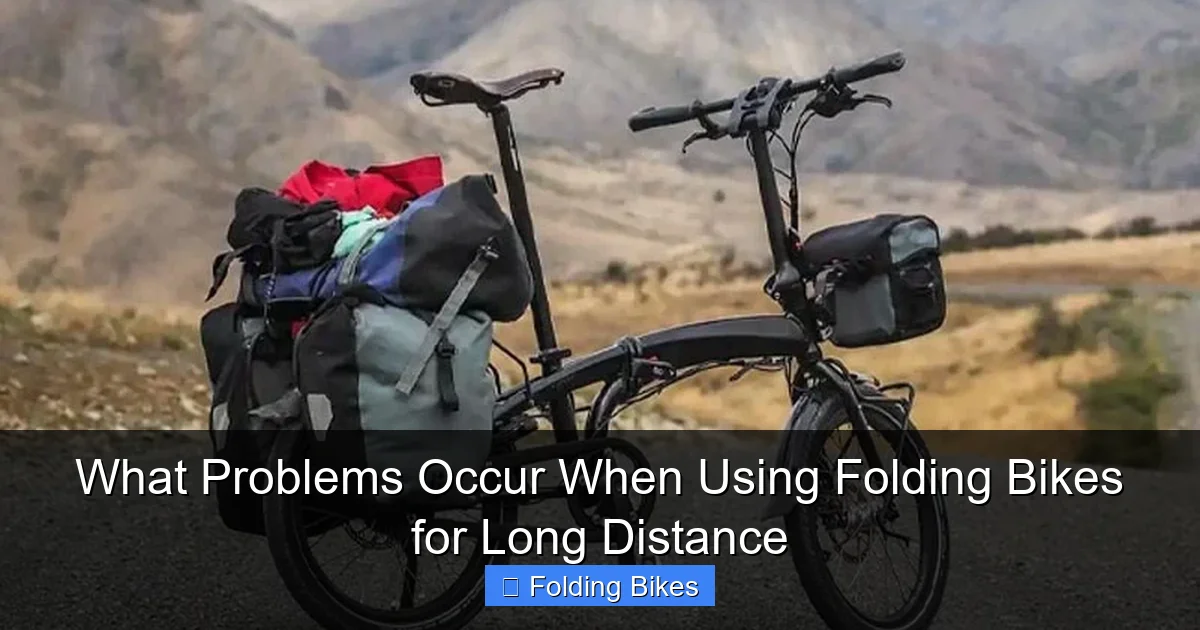
Visual guide about What Problems Occur When Using Folding Bikes for Long Distance
Image source: media.polygonbikes.com
Smaller Wheels, Rougher Ride
Most folding bikes use 16″ to 20″ wheels, which are great for maneuverability but less effective at absorbing bumps. Over long distances, this can lead to a jarring ride, especially on rough pavement or gravel paths. The smaller wheels also have higher rolling resistance, meaning you’ll tire faster.
Tip: Consider upgrading to wider, higher-volume tires if your model allows it. For example, switching from a 1.5″ to a 2.0″ tire can dramatically improve comfort. Check out our guide on how to choose tires for long-distance riding for recommendations.
Compact Frame Geometry
The shorter top tube and upright riding position on many folding bikes can cause strain in your back, neck, and wrists over time. While this posture is fine for short trips, it’s not ideal for hours in the saddle.
Solution: Adjust your handlebars and seat height to find a more neutral position. Adding ergonomic grips or a padded saddle can also help. For serious riders, consider a seatpost with suspension to reduce impact.
2. Stability and Handling at Speed
Folding bikes are lightweight and agile—great for dodging traffic, but not always stable at higher speeds or on windy days.
Shorter Wheelbase = Less Stability
The compact design means a shorter wheelbase, which reduces stability, especially when riding above 15–20 mph. Crosswinds or sudden gusts can make the bike feel twitchy or hard to control.
Tip: Avoid riding in strong winds if possible. If you must, lean slightly into the wind and keep a firm grip on the handlebars. Practice slow-speed balance drills to improve confidence.
Lightweight Frame Flex
Many folding bikes use aluminum or steel frames that are light but can flex under pressure. This is especially noticeable when standing on the pedals during climbs or sprints.
Solution: Choose a model with a reinforced frame or one designed for touring, like those in our list of best folding mountain bikes for bikepacking. These are built to handle more stress and weight.
3. Limited Gear Range and Climbing Ability
Most folding bikes come with 3 to 8 speeds, which is fine for flat city riding but inadequate for hilly terrain or long climbs.
Struggling on Inclines
With fewer low gears, you may find yourself grinding up hills or even walking the bike. This not only slows you down but increases fatigue.
Tip: If your bike has a derailleur, consider upgrading to a wider-range cassette. Some models allow for internal gear hubs (like Shimano Alfine), which offer more gears in a compact package.
Electric Assist as a Solution
For serious long-distance riders, an electric folding bike can be a game-changer. The motor helps on climbs and reduces overall effort, making longer rides more manageable.
Example: The best electric bikes for city commuting often include folding models with strong motors and good battery life—perfect for extended trips.
4. Durability and Wear Over Time
Folding bikes have hinges, latches, and joints that endure stress every time you fold and unfold the bike. On long rides—especially with heavy loads—these parts can wear out faster.
Hinge and Latch Fatigue
Repeated folding and the constant vibration from riding can loosen bolts or weaken hinges. Over time, this may lead to play in the frame or even safety issues.
Maintenance Tip: Check all hinges and latches before and after each long ride. Tighten bolts as needed and apply lubricant to moving parts. Consider using threadlocker on critical bolts to prevent loosening.
Frame Stress from Heavy Loads
Carrying panniers, a backpack, or camping gear adds stress to the frame. Not all folding bikes are rated for heavy loads, and overloading can lead to cracks or failure.
Solution: Check your bike’s weight limit and distribute weight evenly. Use rear racks designed for folding bikes, like the best rack for hybrid bikes, which often fit folding models too.
5. Tire and Rolling Resistance Issues
Tires play a huge role in long-distance comfort and efficiency. Unfortunately, many folding bikes come with thin, high-pressure tires that prioritize speed over comfort.
Poor Shock Absorption
Narrow tires don’t absorb road vibrations well, leading to a harsh ride. This is especially noticeable on cobblestones, gravel, or poorly maintained roads.
Upgrade Tip: Swap to wider, puncture-resistant tires with a tread pattern suited to your terrain. For mixed surfaces, consider tires like those recommended in our guide to choosing tires for gravel bikes.
Increased Risk of Flats
Thin tires are more prone to punctures, and on long rides, a single flat can ruin your day—especially if you’re far from help.
Prevention: Use tire liners or sealant, and always carry a repair kit. A portable pump, like the best pump for e-bikes, ensures you can reinflate tires quickly.
6. Storage and Packing Limitations
While folding bikes save space when stored, they’re not always easy to pack for long trips. Limited mounting points and frame design can make attaching bags or panniers a challenge.
Lack of Rack and Fender Mounts
Many folding bikes lack eyelets for racks, fenders, or water bottles. This forces riders to use backpacks or handlebar bags, which can be uncomfortable over time.
Workaround: Use clamp-on racks or frame-mounted bags that don’t require eyelets. Some riders opt for a front basket, like the best rear basket for bikes, which can be adapted to the front.
Balancing Weight Distribution
When you do manage to attach gear, uneven weight can affect handling. Too much weight on the back can make the front wheel light, while too much on the front can make steering sluggish.
Tip: Pack heavier items low and centered. Use a combination of frame bags, handlebar bags, and a lightweight backpack if needed.
Troubleshooting Common Long-Distance Issues
Even with preparation, problems can arise. Here’s how to handle the most common ones:
- Sore back or neck: Adjust your riding position. Try a shorter stem or a more reclined seat angle.
- Bike feels wobbly: Check tire pressure, wheel alignment, and hinge tightness. A loose hinge can mimic instability.
- Chain skipping or slipping: This may be due to a worn chain or cassette. Replace both if needed, and ensure proper derailleur adjustment.
- Difficulty climbing: Shift to a lower gear early, and maintain a steady cadence. If your bike lacks low gears, consider an electric conversion kit.
- Flat tire far from home: Carry a spare tube, tire levers, and a mini pump. Practice changing a tire at home first.
Conclusion: Can You Ride Long Distance on a Folding Bike?
Yes—but with caveats. Folding bikes aren’t inherently designed for long-distance touring, but with the right upgrades, maintenance, and expectations, they can handle multi-day adventures. The key is understanding their limitations and preparing accordingly.
Focus on comfort, stability, and reliability. Upgrade your tires, check your hinges, and pack smart. If you’re planning a serious tour, consider a folding bike model built for endurance, like those used in bikepacking. And don’t forget the basics: wear padded shorts, stay hydrated, and take breaks.
With these tips, your folding bike can take you farther than you think—just don’t expect the same performance as a dedicated touring or road bike. For more advice on long-ride comfort, check out our article on which bike is most comfortable for long rides.



