
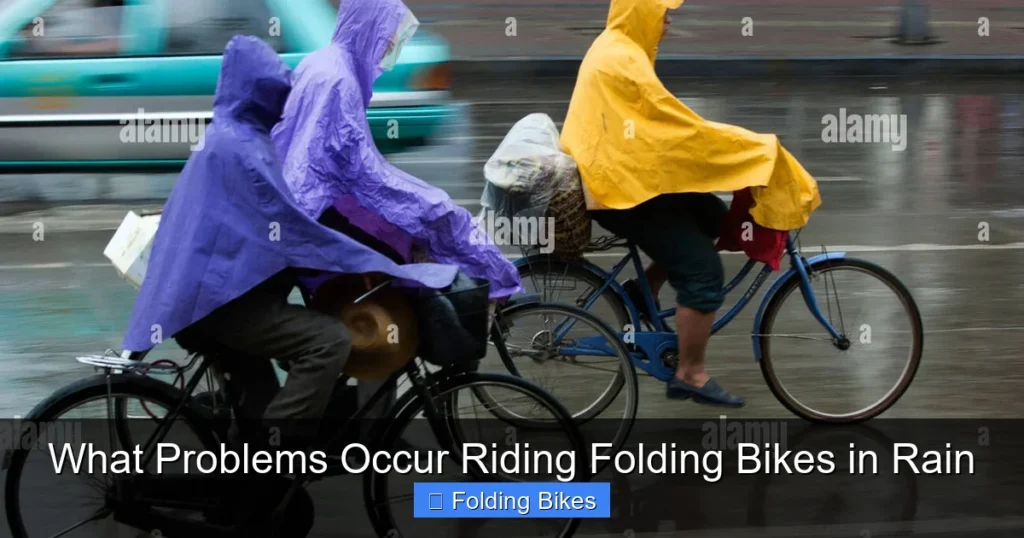
Riding folding bikes in the rain brings unique challenges like reduced traction, water damage, and visibility issues. This guide explains the top problems and offers actionable tips to keep you riding safely in wet conditions.
Key Takeaways
- Reduced tire grip increases slipping risk: Wet roads make folding bike tires—especially narrow ones—more prone to skidding, especially on painted lines or manhole covers.
- Water can damage hinges and folding mechanisms: Rain exposure may cause rust or stiffness in joints if not properly maintained after wet rides.
- Brakes lose effectiveness when wet: Rim and disc brakes on folding bikes can take longer to stop in rain due to water on rims or rotors.
- Electrical components (on e-folders) are vulnerable: Water ingress can short-circuit motors, batteries, or displays if seals aren’t intact.
- Visibility drops for both rider and drivers: Rain reduces sightlines, so bright lights and reflective gear become essential.
- Clothing and gear get soaked quickly: Without proper rain layers, riders chill fast—layering correctly makes a big difference.
- Fenders and mudguards are often missing: Many folding bikes lack full coverage fenders, leading to mud and spray on your back and bike.
Introduction: Why Rain Changes Everything for Folding Bike Riders
Folding bikes are perfect for commuters, travelers, and city dwellers who value portability and convenience. But when rain starts falling, even the most reliable foldable can become tricky to handle. Unlike full-sized mountain or road bikes, folding bikes often have smaller wheels, compact frames, and exposed mechanisms—all of which react differently in wet weather.
In this guide, you’ll learn exactly what problems occur when riding folding bikes in the rain, why they happen, and how to prevent or manage them. Whether you’re commuting to work, running errands, or exploring a new city, these tips will help you stay safe, dry, and in control—even when the skies open up.
Problem 1: Slippery Tires and Loss of Traction
One of the most immediate dangers when riding any bike in the rain is reduced tire grip. But folding bikes—especially those with narrow tires—are more vulnerable.
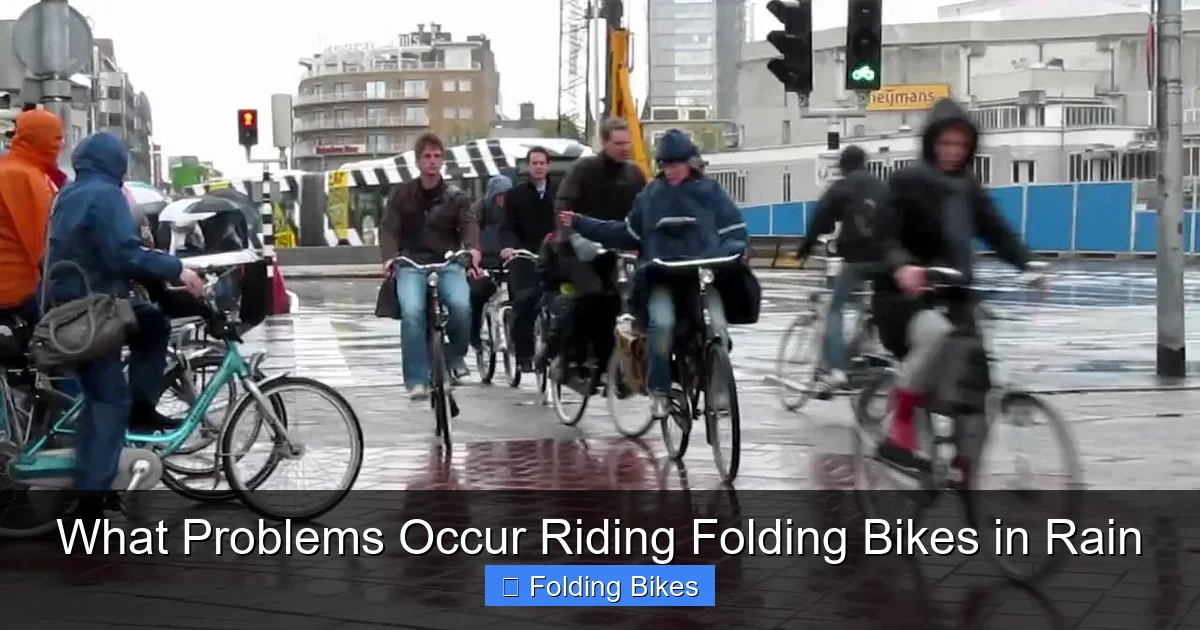
Visual guide about What Problems Occur Riding Folding Bikes in Rain
Image source: i.ytimg.com
Why It Happens
Smaller wheels and higher tire pressure common on folding bikes mean less surface area touching the road. On wet pavement, oil residues mix with water to create a slick film. Painted crosswalks, metal grates, and manhole covers become especially hazardous.
How to Reduce the Risk
- Lower your tire pressure slightly (within safe limits) to increase contact patch.
- Avoid sudden braking or sharp turns—slow, smooth movements prevent skids.
- Consider switching to wider, puncture-resistant tires if your model allows it. Tires like Schwalbe Marathon or Continental Contact offer better wet grip.
- Watch for shiny spots on the road—they’re often the slickest.
Tip: If you frequently ride in wet climates, check out our guide on what size bike tire you need to find the best fit for your folding bike.
Problem 2: Water Damage to Folding Mechanisms
The hinges, latches, and locking mechanisms that let your bike fold are its weakest points in the rain.
Why It Happens
Water seeps into tiny gaps, and without proper lubrication, metal parts begin to corrode. Over time, this leads to stiff joints, squeaking, or even failure to lock securely—which is dangerous while riding.
How to Protect Your Bike
- Wipe down hinges and joints after every wet ride with a dry cloth.
- Apply a light bike-specific lubricant (like Tri-Flow or Finish Line Dry) to moving parts weekly during rainy seasons.
- Store your bike indoors or under cover whenever possible.
- Inspect folding mechanisms monthly for rust or stiffness.
Pro tip: If you’re bikepacking or traveling in damp environments, read our article on best folding mountain bikes for bikepacking—many are built with weather-resistant features.
Problem 3: Reduced Braking Power
Wet conditions significantly affect braking performance—on all bikes, but especially on folding models with compact brake systems.
Why It Happens
Rim brakes (common on many folding bikes) lose efficiency when rims are wet because water acts as a lubricant. Disc brakes fare better but can still suffer from contaminated rotors or worn pads.
How to Maintain Stopping Power
- Squeeze brakes gently at first to dry rims or rotors before hard stops.
- Upgrade to quality brake pads designed for wet conditions (e.g., Kool-Stop Salmon).
- Consider switching to disc brakes if your frame supports it—they perform more consistently in rain.
- Test your brakes before every ride, especially after folding/unfolding.
For electric folding bikes, also check out how to choose a pump for e-bikes—keeping tires properly inflated improves braking and efficiency.
Problem 4: Electrical System Failures (For E-Folding Bikes)
If you ride an electric folding bike, rain poses a serious threat to its motor, battery, and display.
Why It Happens
Even “water-resistant” e-bikes aren’t fully waterproof. Water can enter through cable ports, battery compartments, or display seals, causing shorts or corrosion.
How to Safeguard Electronics
- Never submerge your bike—avoid deep puddles and heavy spray.
- Use silicone sealant on cable entry points if recommended by the manufacturer.
- Remove the battery after wet rides and dry it thoroughly before reinserting.
- Store the bike upright to prevent water pooling near electronics.
Warning: Most warranties don’t cover water damage—so prevention is key!
Problem 5: Poor Visibility and Increased Accident Risk
Rain doesn’t just reduce your ability to see—it makes you harder for others to see you.
Why It Happens
Cloudy skies, rain glare, and reduced contrast make cyclists nearly invisible to drivers, especially at intersections or in low-light conditions.
How to Stay Seen
- Use bright front and rear lights—even during daytime. Flashing modes increase visibility.
- Wear high-visibility clothing with reflective strips.
- Add reflective tape to your bike frame, pedals, and helmet.
- Avoid riding in heavy downpours if possible—wait it out or use public transit.
Need gear advice? Our review of the best premium rain jacket for cycling covers breathable, waterproof options that keep you dry without overheating.
Problem 6: Soaked Clothing and Discomfort
Nothing ruins a commute faster than arriving drenched and shivering.
Why It Happens
Folding bikes often lack full fenders, so water splashes upward from the wheels onto your back, legs, and feet. Without proper layering, hypothermia can set in quickly in cold rain.
How to Stay Dry and Warm
- Install full-coverage fenders—even clip-on models help immensely.
- Layer smartly: moisture-wicking base layer, insulating mid-layer, and waterproof outer shell.
- Use waterproof shoe covers or overshoes to keep feet dry.
- Pack a lightweight rain cape in your bag for sudden showers.
For detailed layering strategies, visit our guide on how to layer clothing for cycling in the rain.
Troubleshooting Common Wet-Ride Issues
Even with precautions, problems can still arise. Here’s how to handle them:
Bike Won’t Fold After Rain?
Dry all joints thoroughly, then apply lubricant. If stiffness persists, check for rust—light sanding and re-lubing may help.
Brake Squealing Loudly?
This is usually water on the rims. Ride slowly and apply brakes gently for a few blocks to dry them. Clean rims with isopropyl alcohol if needed.
Battery Not Charging After Wet Ride?
Do NOT plug it in! Let the battery and charger port dry completely for 24+ hours. Contact manufacturer if issues continue.
Conclusion: Ride Smart, Stay Dry, Keep Folding
Riding a folding bike in the rain isn’t impossible—it just requires awareness, preparation, and maintenance. By understanding the specific challenges—like slippery tires, vulnerable hinges, weak brakes, and soaked gear—you can adapt your riding style and equipment to stay safe and comfortable.
Remember: a little prevention goes a long way. Wipe down your bike after wet rides, invest in good fenders and lights, dress in layers, and always prioritize safety over speed. With these habits, your folding bike will remain a reliable companion—rain or shine.



