
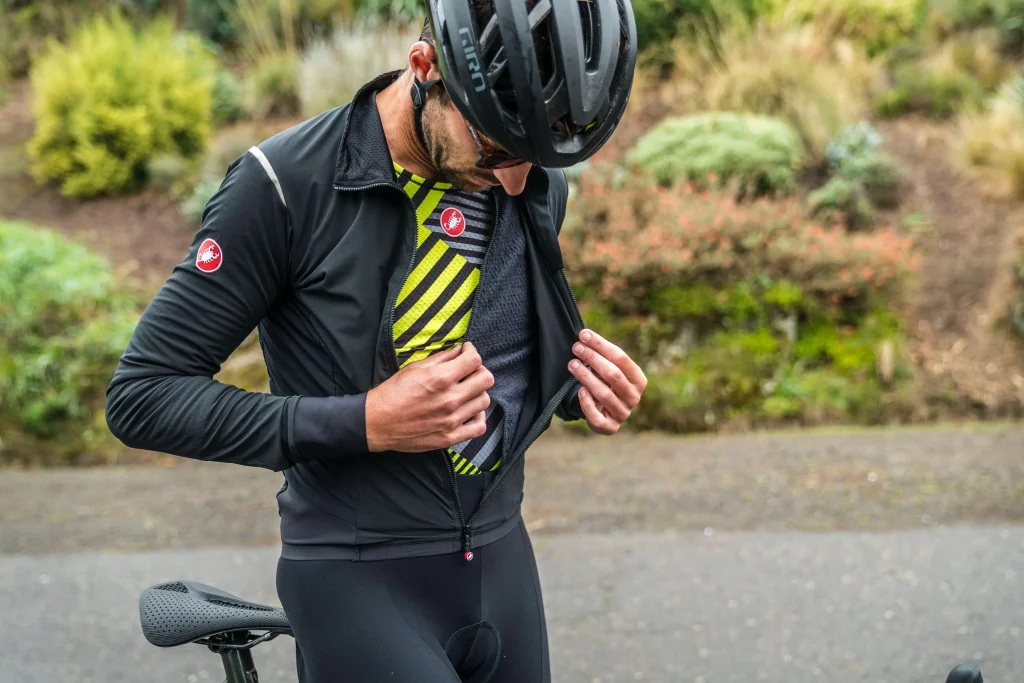
Riding your bike in the rain can be tough, but staying dry and comfortable doesn’t have to be. How you layer your clothing makes all the difference between a miserable ride and an enjoyable one.
If you want to keep warm, avoid soaking wet clothes, and stay safe on slippery roads, learning the right way to layer is key. This guide will show you exactly how to build your outfit so you can focus on the ride—not the weather.
Keep reading to discover simple tips that will transform your rainy-day cycling experience.
Credit: gearjunkie.com
Essential Base Layers
Essential base layers form the foundation of your cycling outfit in wet weather. They manage sweat and keep your skin dry, which prevents chills. Choosing the right base layer boosts comfort and performance during rainy rides.
Moisture-wicking Fabrics
Base layers must pull sweat away from the skin quickly. Materials like polyester and merino wool work well. These fabrics dry fast and stop dampness from building up. Stay dry to avoid cold and irritation on long rides.
Thermal Properties
Good base layers trap heat without making you overheat. Wool blends offer warmth even when wet. Synthetic options provide insulation and dry faster. Pick a base layer that balances warmth and breathability for chilly rain.
Fit And Comfort
Base layers should fit snugly but not restrict movement. A close fit helps with moisture transfer and heat retention. Look for flat seams to prevent chafing. Comfort keeps you focused and pedal strong through wet weather.

Credit: www.reddit.com
Choosing The Right Mid Layers
Choosing the right mid layers is crucial for cycling in the rain. These layers keep you warm without making you overheat. They help manage moisture and keep your body dry. Picking mid layers that balance warmth and breathability improves comfort on wet rides.
Insulation Options
Mid layers provide insulation by trapping body heat. Lightweight fleece is popular for its warmth and low weight. Wool blends offer natural insulation and stay warm even when damp. Synthetic materials dry quickly and keep heat in during intense activity. Choose insulation based on temperature and ride intensity.
Breathability Factors
Breathability stops sweat from building up inside your clothes. Look for mid layers with moisture-wicking fabrics. Mesh panels or vented designs increase airflow. Avoid thick or non-breathable materials that trap sweat. Good breathability prevents chills and discomfort during long rides.
Flexibility And Movement
Cycling needs freedom of movement. Mid layers should stretch without feeling tight. Materials like polyester blends offer both stretch and support. Avoid stiff fabrics that restrict arm and shoulder movement. Flexible layers help maintain your cycling form and reduce fatigue.
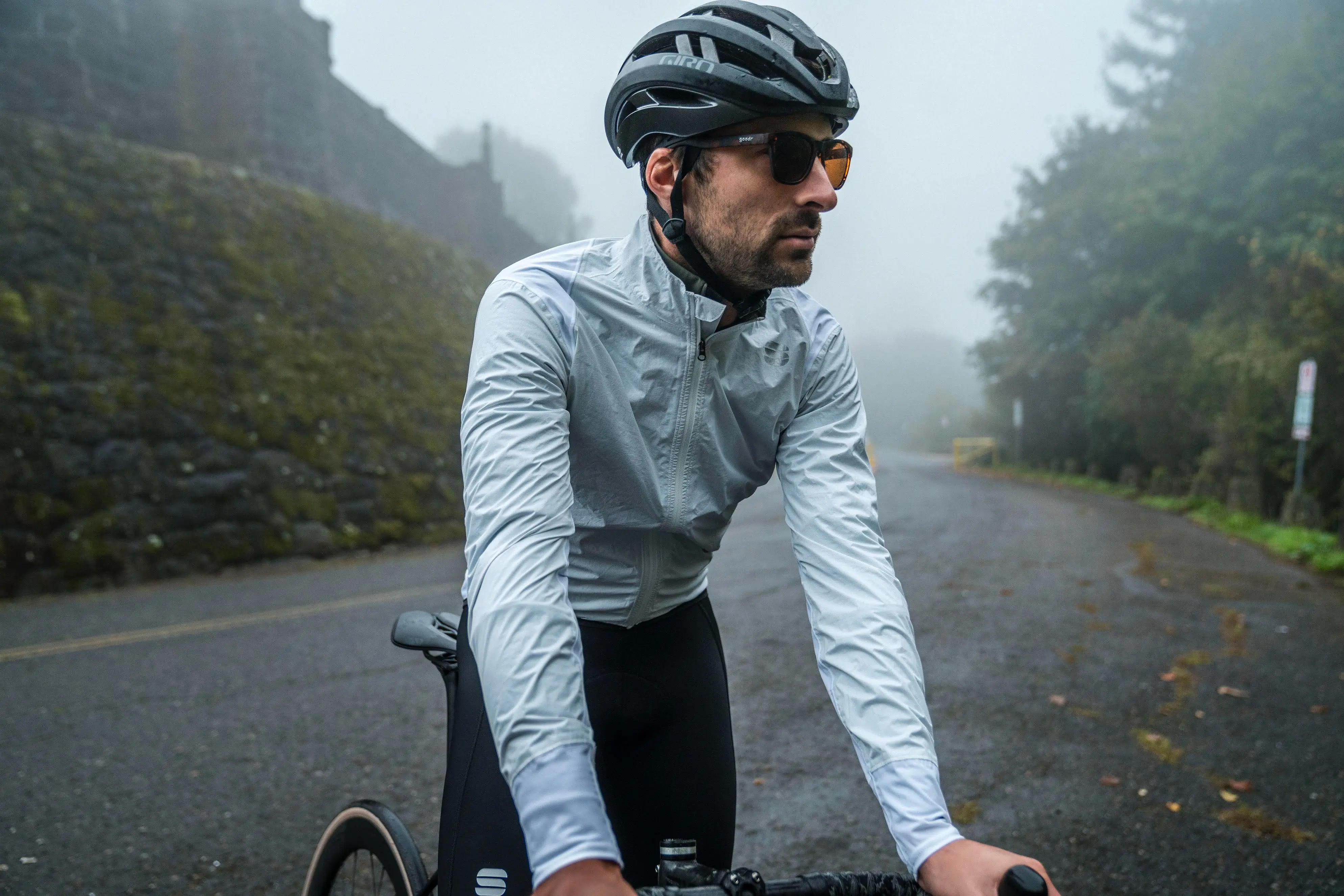
Selecting Waterproof Outerwear
Choosing the right waterproof outerwear can make or break your cycling experience in the rain. It’s not just about staying dry; it’s about comfort, breathability, and freedom of movement. The right jacket or pants will keep you protected without turning your ride into a sweaty, uncomfortable struggle.
Waterproof Vs. Water-resistant
Waterproof gear completely blocks water from penetrating, keeping you dry even in heavy rain. Water-resistant clothing can handle light rain or drizzle but may let water through during prolonged exposure. Think about how often you ride in heavy rain—would a water-resistant jacket suffice, or do you need full waterproof protection?
Many cyclists prefer waterproof outerwear with breathable membranes like Gore-Tex. These fabrics stop water outside while letting sweat escape. This balance helps avoid that clammy feeling inside your jacket.
Seam Sealing And Zippers
Water can sneak in through seams and zippers if they aren’t properly sealed. Look for jackets with fully taped seams; these have a waterproof strip covering the stitch lines. Without this, water can seep in and ruin your ride.
Waterproof zippers or zipper flaps add another layer of protection. I once ignored this and ended up soaked from rain leaking through an unprotected zipper. Now, I always check for these features before buying.
Ventilation Features
Staying dry inside your jacket means more than blocking rain—it means managing sweat too. Ventilation options like pit zips or mesh-lined pockets allow airflow without letting rain inside.
Ask yourself: do you prefer vents you can open and close on the go? Adjustable ventilation helps you adapt to changing weather and intensity. Without it, you risk overheating or getting chilled when you stop.
Protecting Extremities
Keeping hands and feet dry is key to staying warm while cycling in the rain. Use waterproof gloves and shoe covers to block water and wind. Layer with breathable materials to avoid sweat buildup and maintain comfort.
Cycling in the rain can be an exhilarating experience, but it also presents unique challenges in keeping your extremities warm and dry. When your hands, feet, and head are exposed to the elements, the cold and wet can quickly sap your energy and focus. Protecting these areas is crucial for a comfortable and enjoyable ride. Let’s dive into some essential gear to keep you pedaling smoothly, no matter the weather.Waterproof Gloves
Your hands are constantly exposed to the elements while cycling, making waterproof gloves a must-have for rainy rides. Look for gloves with a breathable yet waterproof membrane to keep your hands dry without causing excessive sweating. Ensure they fit snugly but comfortably, allowing you to maintain a firm grip on the handlebars. A good pair often features a textured palm for better control and touch-screen compatibility so you can operate your devices without removing them.Shoe Covers And Socks
Wet feet can ruin any ride, but shoe covers offer an effective barrier against rain. They are typically made from neoprene or other waterproof materials and fit snugly over your cycling shoes. Pair these with moisture-wicking socks that draw sweat away from your skin, keeping your feet both dry and warm. Some cyclists even use plastic bags over their socks as an extra waterproof layer—a simple hack that’s surprisingly effective.Head And Neck Protection
Your head and neck can lose a significant amount of body heat, especially in the rain. A waterproof cap under your helmet will shield your head from rain while keeping warmth in. For your neck, a versatile buff or neck gaiter can be adjusted to cover your neck, face, and ears as needed. These are easy to stash in a pocket and pull out when the weather turns. How do you keep your extremities protected during a rainy ride? Finding the right gear can transform a potentially miserable outing into an invigorating adventure.Tips For Layering Effectively
Layering clothing for cycling in the rain isn’t just about piling on gear. It’s about smart choices that keep you dry, comfortable, and agile. Effective layering lets you adapt quickly to changing weather and your body’s needs, so you can focus on the ride.
Adjusting Layers On The Go
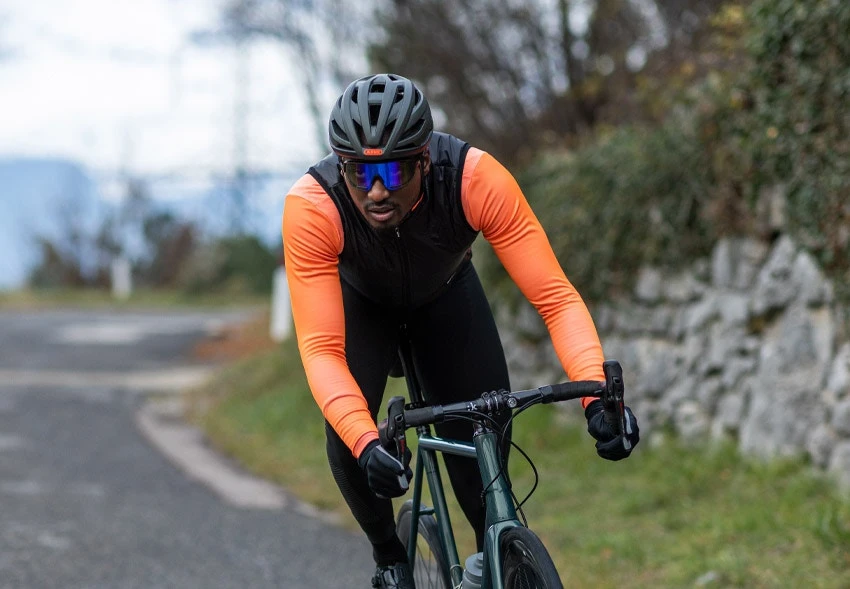
Weather can shift fast when you’re cycling, especially in the rain. Carry lightweight layers that you can easily add or remove without stopping for long. Think zippered jackets or vests that you can open for ventilation or pack away when not needed.
Have you ever struggled with bulky clothes that trap heat or moisture? Choose layers that pack small so you can stash them in your jersey pocket or saddlebag. Quick adjustments keep you comfortable and prevent sweat buildup, which can make you colder once you slow down.
Balancing Warmth And Breathability
Wet weather calls for warmth, but sweat can turn your layers into a soggy mess. Look for moisture-wicking base layers that pull sweat away from your skin while keeping you warm. Pair these with waterproof yet breathable outer shells to block rain without trapping heat.
Don’t rely solely on thick clothing to keep warm. Instead, focus on materials designed to breathe. Have you noticed how some jackets feel clammy after a hard effort? Breathable fabrics stop that by letting moisture escape, so your body temperature stays just right.
Avoiding Overheating
It’s easy to pile on too many layers and end up sweating under your rain gear. Overheating can lead to discomfort and chills once you slow down. Use venting options like pit zips and adjustable cuffs to regulate temperature without exposing yourself to rain.
Remember, layering is about control. If you start to feel hot, open a zipper or remove a layer instead of waiting until you’re drenched in sweat. What’s your go-to trick to cool down quickly during a rainy ride?
Credit: www.santinisms.com.au
Maintenance And Care
Maintaining your cycling layers, especially those designed to keep you dry in the rain, is crucial for their performance and longevity. Proper care ensures that your waterproof gear stays effective and comfortable, ride after ride. Let’s dive into some practical tips to keep your gear in top shape.
Cleaning Waterproof Gear
Waterproof clothing needs gentle care to preserve its special coatings. Use mild detergents made specifically for technical fabrics; avoid regular soaps or fabric softeners that can damage waterproof membranes.
Wash your gear in cold or lukewarm water on a gentle cycle, or hand wash if you prefer. Rinse thoroughly to remove all detergent residue, which can reduce breathability and water repellency.
After washing, air dry your layers away from direct sunlight or heat sources. Heat can cause damage to waterproof materials, so patience is key here.
Restoring Water Repellency
Over time, the Durable Water Repellent (DWR) coating on your gear wears off, making your jacket or pants less effective. Have you noticed water soaking into your outer layer rather than beading up? That’s a sign it’s time to refresh the DWR.
You can restore repellency using spray-on or wash-in treatments specifically designed for waterproof fabrics. Follow the product instructions carefully and consider using a warm dryer cycle briefly if the fabric allows—heat can help activate the treatment.
Maintaining this coating not only keeps you dry but also reduces the need for frequent washing, which can wear down your gear faster.
Storing Layers Properly
How you store your cycling layers affects their lifespan more than you might think. Avoid cramming your waterproof jackets and pants into tight spaces where they get crushed or folded sharply.
Hang your gear on wide, padded hangers in a cool, dry place. This prevents creases that can crack membranes and degrade the DWR coating.
Make sure the layers are completely dry before storing to prevent mold and unpleasant odors. Have you ever pulled out damp gear only to find it smells worse than before? Proper drying is your best defense.
Frequently Asked Questions
What Is The Best Base Layer For Cycling In Rain?
A moisture-wicking synthetic or merino wool base layer works best. It keeps you dry by pulling sweat away from your skin. Avoid cotton as it traps moisture and cools you down.
How Do I Stay Warm While Cycling In Wet Weather?
Use multiple layers: a thermal base, insulating mid-layer, and waterproof outer shell. This traps heat and blocks rain, keeping you warm and dry during rides.
Which Materials Work Best For Rain Cycling Gear?
Look for waterproof, breathable fabrics like Gore-Tex or eVent. These materials prevent water entry while allowing sweat to escape, ensuring comfort on rainy rides.
How Should I Layer Clothing For Heavy Rain Cycling?
Start with a moisture-wicking base layer, add an insulating mid-layer, and finish with a fully waterproof, breathable jacket and pants. This combo balances warmth and dryness.
Conclusion
Layering clothing for cycling in the rain keeps you warm and dry. Start with a light base layer to wick away sweat. Add an insulating middle layer for warmth. Top it with a waterproof jacket to block rain and wind.
Don’t forget waterproof pants and gloves. Choose breathable fabrics to avoid overheating. Dress in layers you can easily adjust while riding. Stay comfortable and enjoy your ride, no matter the weather. Proper layering makes wet rides safer and more fun.
Keep practicing and find what works best for you.



