
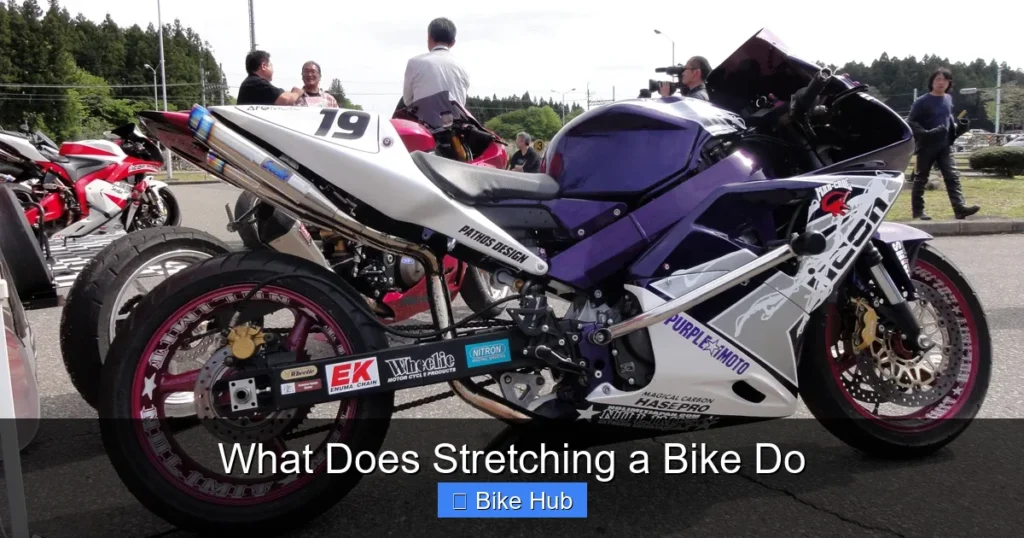
Stretching a bike refers to modifying its frame or components to improve fit, comfort, or performance. This guide explains the benefits, methods, and safety tips for stretching your bike properly. Learn how to enhance your ride without compromising safety.
Key Takeaways
- Improves rider comfort: Stretching a bike can create more space in the cockpit, reducing strain on your back, neck, and shoulders.
- Enhances aerodynamics: A properly stretched position can reduce wind resistance, especially beneficial for road and time-trial bikes.
- Adjusts reach and handling: Lengthening the top tube or stem changes how the bike responds to steering and weight distribution.
- Requires professional assessment: Frame stretching should only be done by experts to avoid structural damage.
- Alternative solutions exist: Often, adjusting the stem, seat post, or handlebars achieves similar results without permanent changes.
- Safety first: Never stretch a carbon fiber frame—it can lead to catastrophic failure.
- Best for custom builds: Stretching is most common in custom or vintage bike restorations where original geometry needs updating.
What Does Stretching a Bike Do? A Complete How-To Guide
If you’re passionate about cycling, you’ve probably heard the term “stretching a bike” thrown around in forums, bike shops, or among custom builders. But what does it actually mean? And more importantly—should you do it to your own bike?
In this guide, we’ll break down exactly what stretching a bike does, why people do it, and how to approach it safely. Whether you’re a road cyclist looking for a more aggressive stance, a mountain biker tweaking your ride for long trails, or a vintage bike enthusiast restoring a classic, understanding bike stretching is essential. You’ll learn the benefits, risks, and best practices—plus safer alternatives that might give you the same results without the danger.
By the end, you’ll know whether stretching is right for you—and how to do it the smart way.
What Is Bike Stretching?
Stretching a bike means intentionally altering its frame geometry to increase the distance between the seat tube and the head tube—essentially making the bike longer from front to back. This is usually done by modifying the top tube, either by cutting and re-welding it (on steel frames) or using specialized jigs to gently elongate the frame.
The goal? To change the rider’s position on the bike. A stretched bike typically offers a longer reach, lower handlebars, and a more extended posture. This can improve aerodynamics, reduce wind resistance, and give a sportier feel—especially on road or time-trial bikes.
But here’s the catch: stretching isn’t just swapping out a stem or adjusting your seat. It’s a structural modification that changes the bike’s original design. That’s why it’s not something to take lightly.
Why Do People Stretch Their Bikes?
There are several reasons riders consider stretching their bikes:
1. Better Aerodynamics
A longer, lower position cuts through the wind more efficiently. Competitive cyclists and triathletes often stretch their frames to achieve a flatter back and tucked elbows, reducing drag. If you’re training for a race or trying to shave seconds off your time, this can make a real difference.
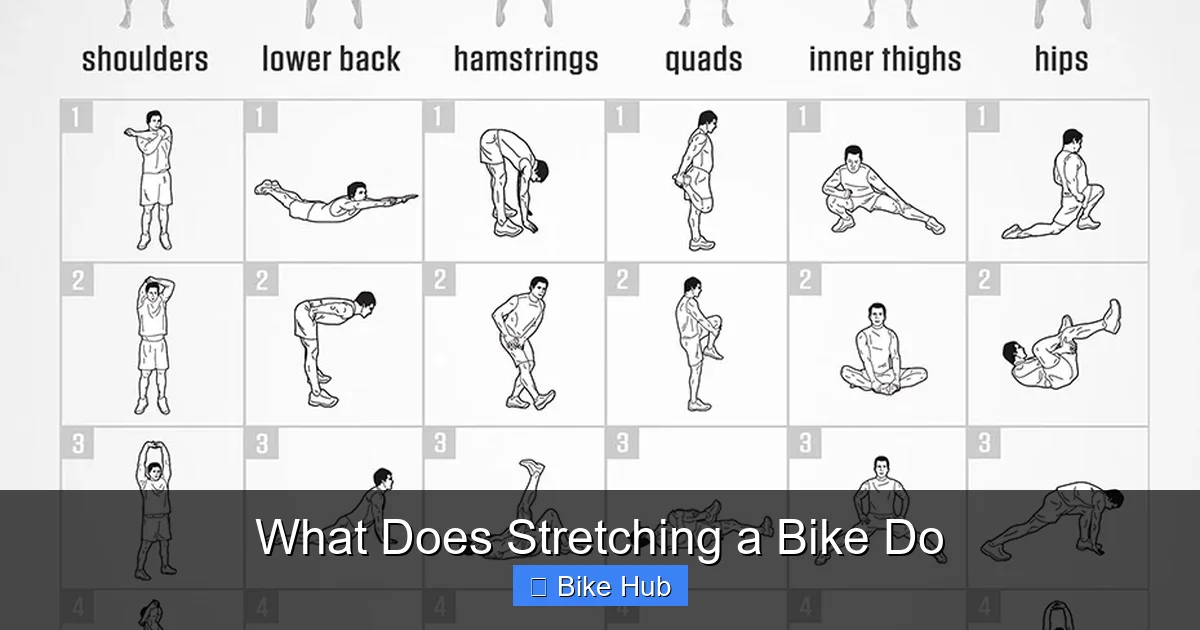
Visual guide about What Does Stretching a Bike Do
Image source: darebee.com
Visual guide about What Does Stretching a Bike Do
Image source: media.gq.com
2. Improved Comfort on Long Rides
Contrary to what you might think, a well-executed stretch can actually increase comfort—especially for taller riders. By extending the cockpit, you reduce the “cramped” feeling that comes with riding a bike that’s too small. This is especially helpful on endurance rides or bikepacking trips.
3. Custom Fit for Unique Body Types
Not everyone fits standard bike geometries. Riders with long torsos or short legs, for example, may struggle to find a stock bike that feels right. Stretching allows for a custom fit that off-the-shelf models can’t provide.
4. Restoring or Upgrading Vintage Bikes
Older steel frames were often built with shorter top tubes. Restorers may stretch these frames to modernize the geometry while preserving the classic look. This is common in retro road bike builds.
How to Stretch a Bike: Step-by-Step
If you’ve decided stretching is right for your bike, proceed with caution. This is not a DIY job for beginners. Here’s how it’s typically done—safely and effectively.
Step 1: Assess Your Frame Material
Only steel frames should be considered for stretching. Aluminum and carbon fiber frames cannot be safely stretched. Aluminum fatigues under stress, and carbon fiber can delaminate or crack. If your bike has a carbon frame, do not attempt to stretch it. Instead, consider adjusting your stem, handlebars, or seat post for a similar effect.
Step 2: Consult a Professional Frame Builder
Find a reputable frame builder or bike shop with experience in custom geometry modifications. They’ll use precision tools and jigs to measure and stretch the frame evenly. This ensures the bike remains symmetrical and structurally sound.
Step 3: Determine the Right Amount of Stretch
Most stretches range from 1 to 3 inches (2.5 to 7.5 cm). The exact amount depends on your body proportions and riding style. A professional will take measurements of your current position and recommend a stretch that improves fit without overextending.
Step 4: Cut and Re-Weld the Top Tube
The frame is carefully cut at the midpoint of the top tube. A section is then inserted (or the tube is pulled apart and re-welded) to increase length. The welds must be strong and smooth to maintain integrity. After welding, the frame is stress-relieved and checked for alignment.
Step 5: Reassemble and Test Ride
Once the frame is repaired and repainted (if needed), reassemble the bike with your components. Take it for a short test ride to check handling, comfort, and stability. Pay attention to steering responsiveness and any unusual flex.
Safer Alternatives to Stretching
Before you commit to a permanent frame modification, consider these non-invasive alternatives that can achieve similar results:
1. Adjust Your Stem
Swapping to a longer stem increases reach without altering the frame. A 100mm to 120mm stem can make a noticeable difference. Just be cautious—too long a stem can make the bike twitchy or hard to control.
2. Lower Your Handlebars
Dropping the handlebars (using spacers or a different stem angle) creates a more aggressive, aerodynamic position. This is common on road bikes and can mimic the feel of a stretched frame.
3. Use a Longer Seat Post
An extended seat post can shift your saddle position slightly back, effectively increasing reach. This is especially useful on bikes with limited seat tube adjustment.
4. Choose a Different Frame Size or Model
If your current bike doesn’t fit, consider upgrading to a larger frame or a model with a longer top tube. Many brands offer “long and low” geometries designed for stretched positions.
5. Custom Bike Fit Session
A professional bike fit can help you optimize your current setup. Experts use motion capture and pressure mapping to fine-tune your position—often eliminating the need for frame modifications.
Troubleshooting Common Issues
Even with careful planning, stretching can lead to problems if not done correctly. Here’s how to spot and fix common issues:
Handling Feels Unstable
If the bike feels “wobbly” or hard to control after stretching, the center of gravity may have shifted too far forward. Try moving your saddle slightly back or using a shorter stem to rebalance the ride.
Increased Frame Flex
A poorly executed stretch can weaken the frame. If you notice creaking, unusual vibration, or visible cracks near the weld, stop riding immediately and consult a frame expert.
Neck or Back Pain
A stretched position increases load on your upper body. If you experience discomfort, raise your handlebars or consider a more upright stem. Remember: comfort is key to long-term performance.
Component Compatibility Issues
Stretching may affect cable routing, brake reach, or derailleur alignment. Double-check that all components function properly after reassembly. You may need longer cables or different housing.
When Not to Stretch Your Bike
Stretching isn’t for everyone. Avoid it if:
- Your bike has an aluminum or carbon fiber frame.
- You’re not experienced with bike mechanics or frame building.
- You’re on a tight budget—professional stretching can cost $200–$500.
- You plan to sell the bike later—modified frames lose resale value.
- You can achieve your desired fit with simpler adjustments.
In many cases, a few tweaks to your current setup can deliver the same benefits without the risk.
Conclusion
So, what does stretching a bike do? In short, it changes the bike’s geometry to create a longer, lower, and often more aerodynamic riding position. When done correctly on a steel frame by a skilled professional, it can improve comfort, performance, and fit—especially for taller riders or competitive cyclists.
But stretching is not a decision to make lightly. It’s a permanent modification that carries risks, particularly if done incorrectly. Before you stretch, explore safer alternatives like stem swaps, handlebar adjustments, or a professional bike fit.
If you do decide to stretch, work only with experienced frame builders and prioritize safety at every step. And remember: the best bike is one that fits you perfectly—whether it’s stock or custom.
For more tips on optimizing your ride, check out our guide on how to choose a bike frame or learn how to prepare a mountain bike for long rides. If you’re dealing with tire issues, don’t miss our guide on how to repair a flat bike tire.
Ride smart, ride safe, and enjoy the journey.



