
Foldable bike tires are lightweight, compact tires made with advanced materials that allow them to fold without damage. They’re ideal for riders who prioritize easy storage, quick replacements, and reduced rolling resistance. Whether you’re touring, commuting, or racing, foldable tires offer a smart upgrade over traditional wire-bead tires.
Key Takeaways
- Foldable tires use Kevlar or aramid fiber beads: Unlike rigid wire-bead tires, foldable tires feature flexible beads made from high-strength synthetic fibers, allowing them to fold into compact sizes.
- They’re lighter and easier to carry: Their lightweight design makes them perfect for cyclists who need spare tires on long rides or bikepacking trips.
- Improved performance and lower rolling resistance: Many foldable tires are designed for speed and efficiency, making them popular among road and gravel riders.
- Compatible with most standard rims: Despite their flexibility, foldable tires fit the same rims as traditional tires, so no special equipment is needed.
- Great for emergency repairs and travel: Their compact size makes them ideal for stashing in saddle bags, backpacks, or even jersey pockets.
- Often used in tubeless setups: Many modern foldable tires are tubeless-ready, offering better puncture protection and ride quality.
- Require proper inflation and storage: To maintain performance, always inflate to recommended PSI and store in a cool, dry place away from direct sunlight.
What Are Foldable Bike Tires?
Foldable bike tires are a modern innovation in cycling technology designed for riders who value convenience, performance, and portability. Unlike traditional bike tires that use rigid steel wire beads to hold their shape, foldable tires use flexible beads made from advanced materials like Kevlar or aramid fiber. This key difference allows them to be folded, rolled, or packed into tight spaces—making them a favorite among commuters, tourers, and performance cyclists alike.
These tires are not just about being compact. They often feature high-quality rubber compounds and lightweight casings that reduce rolling resistance, improve grip, and enhance overall ride quality. Whether you’re preparing for a long-distance tour, commuting through the city, or chasing speed on weekend rides, foldable tires offer a smart upgrade over standard wire-bead models.
In this guide, you’ll learn how foldable bike tires work, how to choose the right ones for your bike, how to install and maintain them, and why they might be the perfect fit for your cycling lifestyle.
How Do Foldable Bike Tires Work?
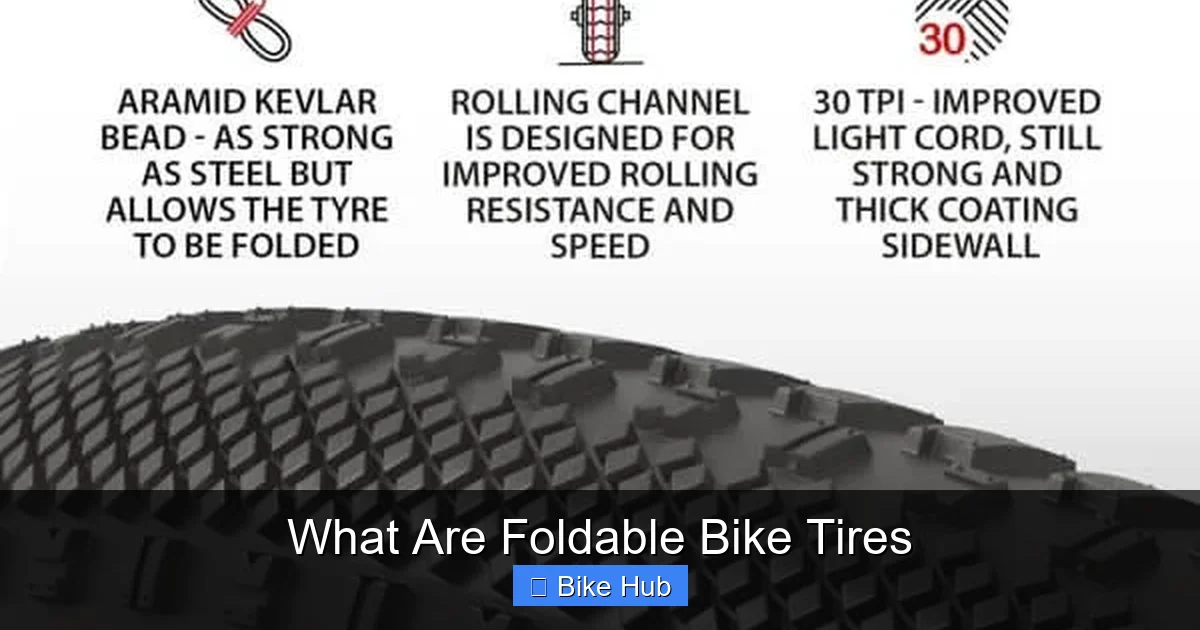
At the core of every bike tire is the bead—the part that locks into the rim to keep the tire securely in place. Traditional tires use a steel wire bead, which is strong but inflexible. Foldable tires replace this with a bead made from woven aramid fibers (like Kevlar), which are incredibly strong yet flexible enough to bend and fold without breaking.
Visual guide about What Are Foldable Bike Tires
Image source: fincci.bike
Key Components of Foldable Tires
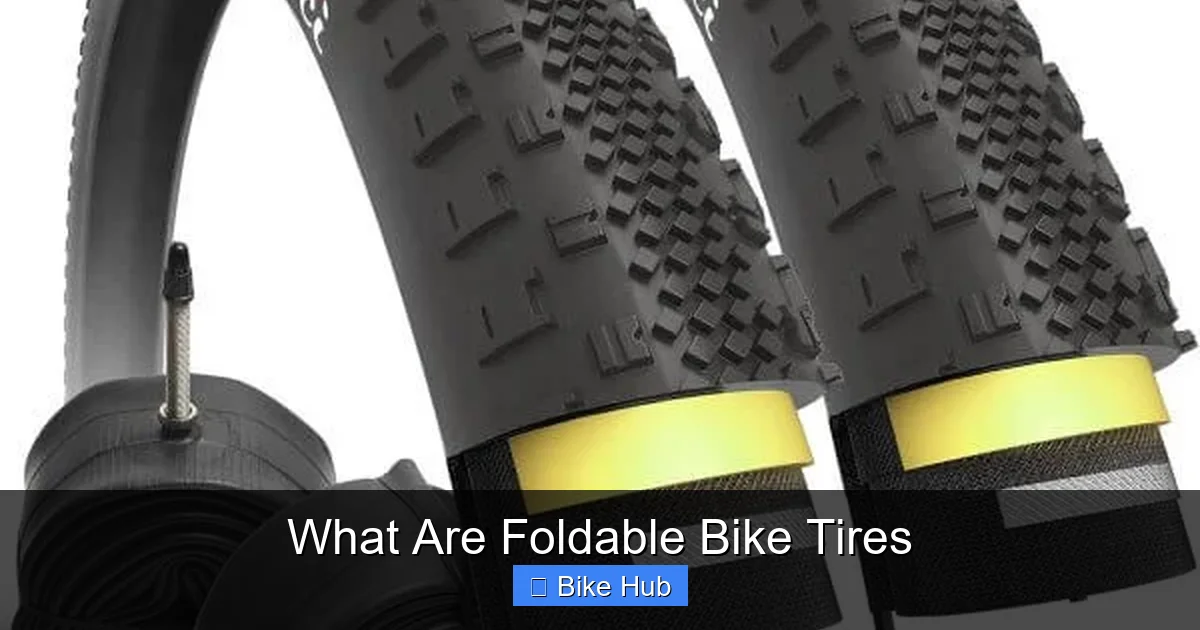
- Bead: Made from aramid fiber, allowing the tire to fold without damage.
- Casing: Often made from lightweight, high-thread-count fabric for better performance and comfort.
- Tread: Designed for specific conditions—road, gravel, or trail—with varying rubber compounds for grip and durability.
- Sidewalls: Typically thinner and more flexible, contributing to the tire’s overall lightness.
Because the bead isn’t rigid, the entire tire can be folded into a compact bundle. This makes them easy to carry as a spare, store in small spaces, or pack for travel. Despite their flexibility, they install just like any other tire and perform at a high level when properly inflated.
Benefits of Using Foldable Bike Tires
Foldable tires offer several advantages that make them stand out from traditional options. Here’s why more cyclists are making the switch:
Visual guide about What Are Foldable Bike Tires
Image source: fincci.bike
1. Portability and Convenience
The biggest advantage is their compact size. A foldable tire can be rolled up and stored in a jersey pocket, saddlebag, or backpack—ideal for long rides where you might need a spare. This is especially useful for bikepacking or touring, where space and weight are critical.
2. Lighter Weight
Without the heavy steel bead, foldable tires are significantly lighter. This reduces rotational weight, which can improve acceleration and climbing efficiency. For road racers and gravel riders, every gram counts—and foldable tires deliver.
3. Lower Rolling Resistance
Many foldable tires are built with performance in mind. High-quality casings and advanced rubber compounds reduce friction with the road, helping you ride faster with less effort. If you’re looking to boost your speed, check out our guide on the best bike tires for low rolling resistance.
4. Better Ride Quality
The flexible casing allows the tire to conform better to road imperfections, offering a smoother, more comfortable ride. This is especially noticeable on rough pavement or gravel paths.
5. Tubeless Compatibility
Many foldable tires are tubeless-ready, meaning you can run them without an inner tube. This reduces the risk of pinch flats and allows you to run lower pressures for better traction. Learn more about setting up tubeless tires in our how-to guide.
How to Choose the Right Foldable Tires
Not all foldable tires are created equal. Choosing the right one depends on your riding style, terrain, and bike setup. Here’s how to pick the best option for your needs:
1. Determine Your Tire Size
Check your current tires for markings like “700x25c” or “29×2.1”. This tells you the diameter and width. Make sure any new foldable tire matches these dimensions. For help, read our article on what size bike tire do I need.
2. Consider Your Riding Style
- Road cycling: Look for slick or lightly treaded tires in widths like 23c–28c. Prioritize low rolling resistance and lightweight construction.
- Gravel or adventure riding: Choose wider tires (35c–45c) with moderate tread for mixed terrain.
- Commuting or casual rides: Opt for durable, puncture-resistant models with reflective sidewalls for safety. See our recommendations for casual weekend cycling.
3. Check Tubeless Compatibility
If you’re running a tubeless setup, ensure the tire is labeled “tubeless-ready” or “TLR.” These are designed to seal properly with sealant and hold air without a tube.
4. Read Reviews and Compare Brands
Popular brands like Continental, Schwalbe, Panaracer, and Vittoria offer high-quality foldable options. Look for user reviews that mention durability, grip, and ease of installation.
How to Install Foldable Bike Tires
Installing foldable tires is similar to standard tires, but their flexibility can make the process a bit easier—or trickier, if you’re not careful. Follow these steps for a smooth installation:
Step 1: Remove the Old Tire
Use tire levers to carefully pry the old tire off the rim. Deflate it completely first, then work the bead over the rim edge. Be gentle to avoid damaging the rim tape.
Step 2: Inspect the Rim and Tube
Check for sharp edges, debris, or worn rim tape that could puncture the new tire. If you’re using a tube, inspect it for damage.
Step 3: Install the New Foldable Tire
- Start by seating one side of the tire bead into the rim. This should be easy due to the flexible bead.
- Insert the tube (if not running tubeless) and tuck it inside the tire.
- Work the second bead over the rim, starting opposite the valve stem. Use your hands to push it on—avoid tire levers if possible to prevent pinching the tube.
- If the tire is tight, use a plastic tire lever gently near the valve to finish seating it.
Step 4: Inflate the Tire
Inflate slowly to the recommended PSI (found on the tire sidewall). Listen for the bead to “pop” into place on both sides. For tubeless setups, you may need a high-volume pump or compressor. Check out our guide on how to pump tubeless bike tires for tips.
Maintenance and Care Tips
To get the most out of your foldable tires, follow these maintenance best practices:
- Check pressure regularly: Underinflated tires wear faster and are more prone to punctures. Use a reliable gauge and inflate before every ride.
- Inspect for wear and damage: Look for cuts, cracks, or embedded debris. Replace tires with worn tread or sidewall damage.
- Store properly: Keep spare tires in a cool, dry place away from UV light, which can degrade rubber over time. See our guide on how to store bike tires for long term.
- Clean occasionally: Wipe down tires with a damp cloth to remove dirt and grime that can accelerate wear.
Troubleshooting Common Issues
Even the best foldable tires can run into problems. Here’s how to handle common issues:
Tire Won’t Seat Properly
If the bead won’t pop into place, deflate the tire, lubricate the bead with soapy water, and reinflate slowly. For tubeless tires, a burst of air from a compressor may be needed.
Frequent Flats
Check for sharp objects in the tread, damaged rim tape, or incorrect tire pressure. Consider switching to a more puncture-resistant model or adding sealant.
Tire Feels Sluggish
This could be due to low pressure or a heavy casing. Inflate to the correct PSI and consider upgrading to a lighter, performance-oriented foldable tire.
Conclusion
Foldable bike tires are a game-changer for cyclists who want the perfect blend of performance, portability, and convenience. Thanks to their flexible aramid beads, they’re easy to carry, install, and store—making them ideal for everything from daily commutes to epic bikepacking adventures. While they may cost a bit more than traditional tires, the benefits in weight, ride quality, and practicality often make them worth the investment.
Whether you’re upgrading your road bike for speed, preparing for a long tour, or just want a spare tire that fits in your backpack, foldable tires are a smart choice. With proper selection, installation, and care, they’ll keep you rolling smoothly mile after mile.



