
Imagine you’re about to hit the trail, but your tubeless bike tires aren’t cooperating. Sound familiar?
You’re not alone. Tubeless tires offer a smoother ride and fewer flats, but knowing how to pump them can be tricky. Don’t worry; you’re about to discover simple steps that will make this task a breeze. Whether you’re a biking newbie or an experienced rider, mastering this skill will save you time and keep you rolling smoothly.
Dive in, and let’s make sure your ride starts without a hitch!
Gather Necessary Tools
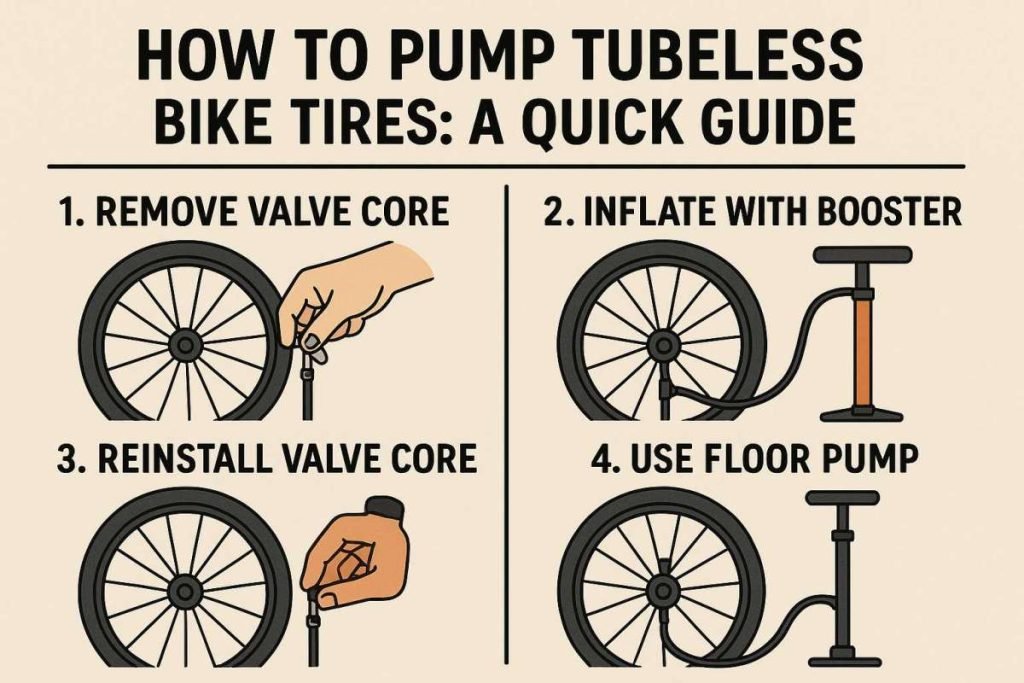
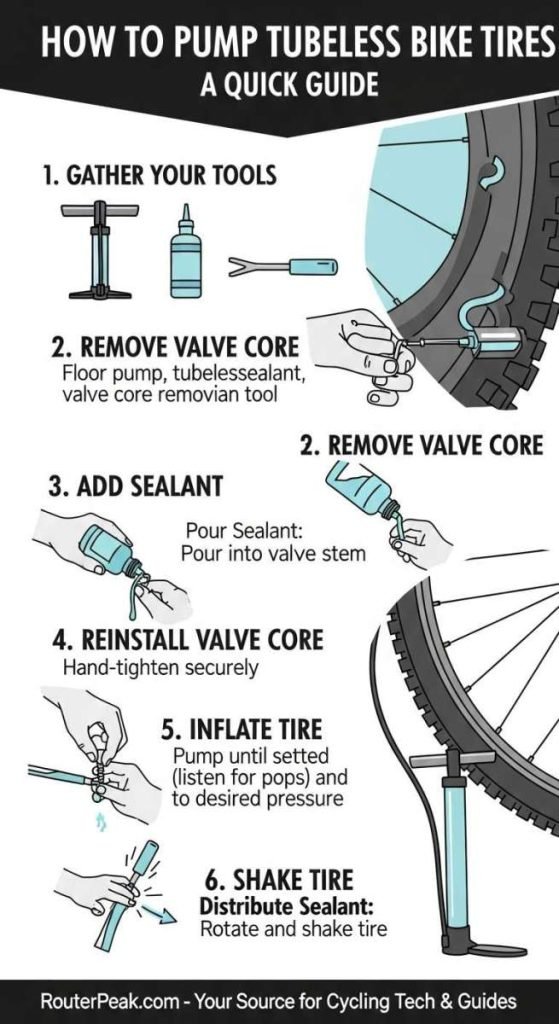
Having the right tools makes the job easier. First, get a floor pumpwith a pressure gauge. This helps you know how much air is in the tire. A tire sealantis also important. It fills small holes and stops air leaks. Keep a valve core removerhandy. It helps remove the valve core easily. Make sure to have a pressure gaugetoo. This checks the air pressure accurately.
Some tools make the work smoother. A CO2 inflatoris quick for pumping air. It’s small and easy to carry. A tire leveris handy if the tire is tight. It helps lift the tire off the rim. A rag or clothcan clean dirt from the tire. This keeps your bike neat and tidy.
Prepare The Tire And Rim
Check the tire for cuts or holes. Feel the rim for any cracks. Make sure the tire is snug on the rim. Look for any dirt or bits stuck in the tire. These can cause leaks. The tire must be clean and smooth.
Wipe the rim with a clean cloth. Dirt can stop a good seal. Use water if needed. Dry the rim well after cleaning. Ensure no dust or grime remains. A clean rim helps the tire seal tight. This prevents air leaks.
Check The Valve System
Ensure the valve is secure before pumping tubeless bike tires. A loose valve can cause air leaks, affecting tire pressure.
Identify Valve Type
First, find out what kind of valveyour bike has. Most bikes have either a Schraderor Prestavalve. Schrader valves are wide, like car tire valves. Presta valves are thin and require a special pump. Knowing the valve type helps in choosing the right pump.
Ensure Valve Integrity
Check if the valve is clean and not damaged. A damaged valve can leak air. Make sure the valve cap is tight. It keeps dirt out and protects the valve. A secure valve helps maintain tire pressure. Proper valve care ensures safe rides.
Apply Tire Sealant
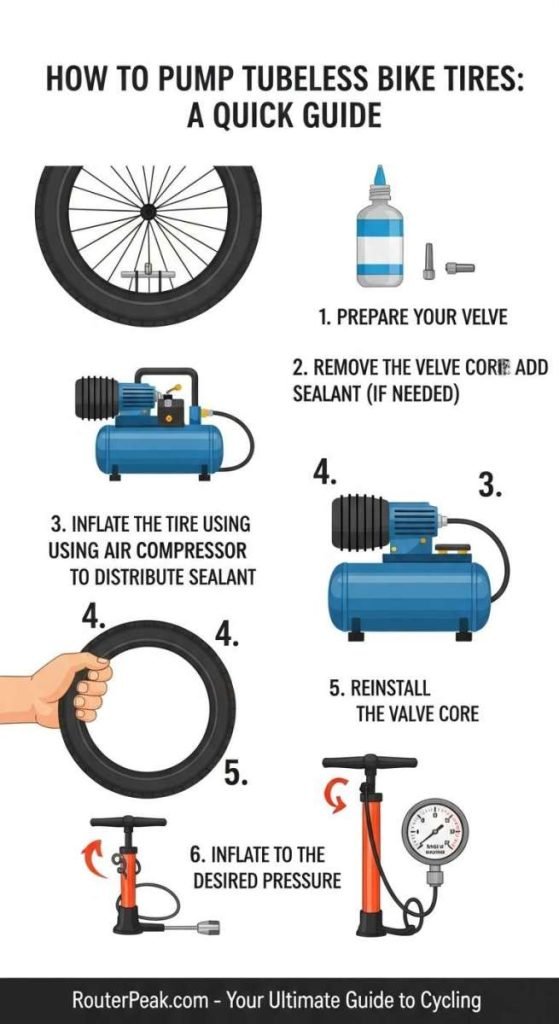
Pump tubeless bike tires by ensuring a tight seal with tire sealant. Pour sealant into the tire, then inflate using a pump. The sealant helps maintain air pressure and prevents leaks.
Select The Right Sealant
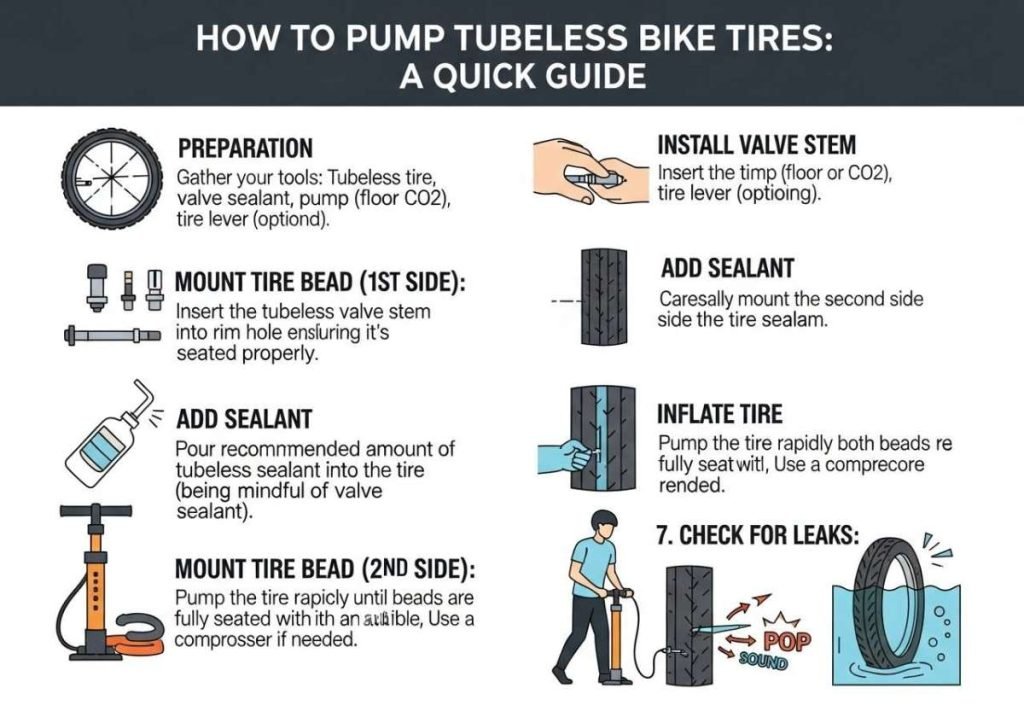
Choosing the right sealant is very important. Read the label on the bottle carefully. It helps you understand what it does. Some sealants work best for mountain bikes. Others are good for road bikes. Check if your sealant is good for your tire type. Make sure the sealant is fresh. Old sealant might not work well. A good sealant can seal small holes. It also helps stop air leaks. Always keep an extra bottle at home. You never know when you will need it.
Proper Sealant Application
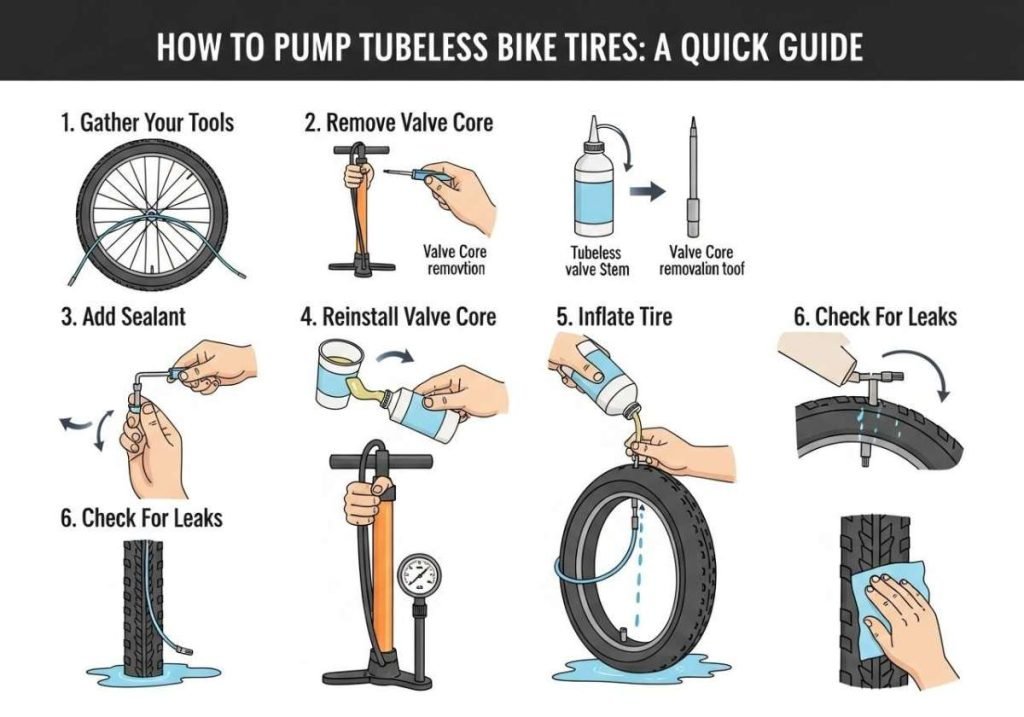
First, shake the bottle of sealant well. This mixes all the ingredients. Open the valve on your tire. Use a small tube to pour sealant into the tire. Don’t spill it. Usually, about 2-3 ounces is enough. Close the valve tightly after adding the sealant. Next, spin the wheel around. This helps the sealant spread inside the tire. Check for any leaks or bubbles. Make sure everything looks good. You are now ready to pump air!
Inflate The Tire
First, check your tire’s recommended pressure. Attach the air compressor nozzle to the valve. Ensure a snug fit to avoid air leaks. Turn on the compressor and watch the gauge closely. Stop when you reach the desired pressure. Always double-check with a manual gauge.
A manual pump is handy and portable. Attach the pump head to the tire valve. Use a firm grip for a secure connection. Pump steadily using both arms for strength. Check the pressure often with a gauge. Adjust to achieve the perfect tire pressure.
Check Tire Pressure
Keeping your tubeless bike tires properly pumped is essential. First, check the tire pressure using a reliable gauge. Inflate the tire slowly with a compatible pump, ensuring the seal remains intact. Proper pressure enhances your ride’s efficiency and safety.
Ideal Pressure Levels
Each bike tire has a recommended pressureaccurate readings. The gauge tells if the tire is too low or high.
Pressure Adjustment
Adjusting pressure is important. If too high, let out some air. If too low, pump more air. Make small adjustments. Check after each change. Ensure the tire is firm but not hard. Feel for the right balance. A well-pumped tire rolls smoothly.
Inspect For Leaks
Inspect for leaks by listening for hissing sounds or feeling for escaping air. Check tire, valve, and rim for any signs of leakage. This step ensures a secure and long-lasting inflation.
Visual Inspection
Look closely at the tire surface for any damages. Small cuts or holes can be seen easily. Check the valve stem for any bends or cracks. Ensure the tire is properly seated on the rim. A loose fit can cause air leaks. Rotate the wheel slowly to inspect all areas. A flashlight can help in dark spaces.
Perform Soap Test
Mix water and soap in a spray bottle. Spray this mixture on the tire. Look for bubbles forming. Bubbles mean air is escaping. Check around the valve and tire edge. These are common leak spots. Listen for a hissing sound. It can guide you to the leak. Dry the tire with a cloth after testing. `
Maintenance Tips
Ensure your tubeless bike tires stay firm by using a compatible air pump. Check valve type compatibility first. Maintain optimal pressure for a smooth ride and prevent punctures. Regularly inspect and top up the sealant to avoid leaks.
Regular Pressure Checks
Check your bike tire pressure often. Use a good tire gauge. Tires lose air over time. Proper pressure helps the bike roll smoothly. Under-inflated tires can cause accidents. Over-inflated tires might burst. Find the right pressure on the tire sidewall. Keep your pump ready. This keeps your ride safe and fun.
Sealant Refresh
Tubeless tires need sealant inside. Sealant stops small holes. Over time, sealant can dry up. Refresh it every 2-3 months. First, remove the valve core. Use a sealant injector. Add the right amount of sealant. Close the valve core tightly. Spin the wheel to spread the sealant. This keeps your tires ready for any road.
Frequently Asked Questions
Do I Need A Special Bike Pump For Tubeless Tires?
You need a high-pressure bike pump for tubeless tires. A pump with a built-in air chamber or compressor is ideal. This ensures proper seating and inflation. Regular pumps may struggle to provide the necessary pressure.
Can You Pump Up Tubeless Tires With A Normal Pump?
Yes, you can use a normal pump for tubeless tires. Ensure a tight seal for effective inflation. Tubeless-specific pumps or compressors provide better results, especially for seating the tire bead. Using a regular pump might require more effort and time.
Always check tire pressure after inflating to ensure optimal performance.
How To Inflate A Tubeless Tire With A Presta Valve?
Remove the valve cap and loosen the Presta valve. Attach a pump with a Presta head. Inflate to desired pressure. Secure the valve by tightening it and replace the cap.
Why Can’t I Inflate My Tubeless Tire?
Tubeless tires may not inflate due to improper seating, valve issues, or sealant problems. Check tire bead alignment and ensure the valve is clear. Clean the rim and apply sealant correctly to fix the issue. Ensure all components are compatible and functioning properly for successful inflation.
Conclusion
Pumping tubeless bike tires is simple with the right steps. First, gather your tools. A pump and sealant are essential. Next, check the tire pressure. It’s crucial for safety. Inflate carefully, watching for any leaks. Listen for air escaping. If necessary, add more sealant.
This helps seal gaps. After inflating, inspect the tire again. Ensure everything is secure. Properly pumped tires offer a smoother ride. They also reduce the chance of flats. Regular maintenance can prolong tire life. Keep practicing, and it becomes easier.
Enjoy your rides with confidence and peace of mind. Safe travels!



