
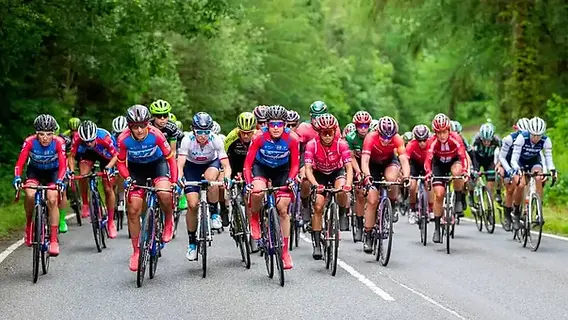
Are you ready to take your cycling skills to the next level with group rides? Riding in a pack is not just about speed; it’s an art that combines technique, communication, and respect.
Imagine gliding through scenic roads with fellow cyclists, feeling the thrill of shared momentum. But to truly enjoy these rides and ensure everyone’s safety, mastering road bike etiquette is essential. Curious about the dos and don’ts that can transform your group cycling experience?
Dive into our guide and discover how you can become a valued member of any cycling crew. Whether you’re a seasoned rider or new to the scene, these insights will help you ride with confidence and camaraderie.
Preparation For Group Rides
Understanding road bike etiquette is essential for group rides. Communicate intentions clearly and maintain a steady pace. Keep a safe distance and respect fellow riders’ space.
Bike Maintenance
Check your bike before the ride. Ensure tires are properly inflated. Test brakes for smooth operation. Lubricate the chain for a smooth ride. Tighten all bolts and screws. Inspect gears for any issues.
Essential Gear Checklist
- Helmet for safety
- Water bottle for hydration
- Gloves for grip
- Sunglasses for eye protection
- Bike lights for visibility
Fitness And Training
Ride regularly to build endurance. Start with short distances. Increase gradually to avoid injury. Practice on different terrains. Include hills for strength. Rest days are important too.
Safety First
Prioritize safety in group rides by maintaining clear communication and predictable movements. Respect personal space to prevent accidents and ensure a smooth experience for all.
Helmet And Protective Gear
Always wear a helmetduring group rides. It keeps your head safe. Choose a helmet that fits well and is comfortable. Protective gear like gloves and knee pads can help too. They protect your skin from scratches. Bright clothing improves visibility on the road. This helps others see you clearly.
Visibility And Signals
Use hand signalsto show your intentions. This helps others know your next move. Point left or right to indicate turns. Raise a hand to signal stopping. Wear bright clothes for better visibility. Use lights on your bike at night. This helps others see you easily.
Emergency Procedures
Stay calm in emergencies. This helps make quick decisions. Call for help if needed. Know your location to guide rescuers. Carry a basic first-aid kit. It can help with minor injuries. Inform someone about your ride plan. They can assist if needed.
Communication Skills
Hand signals help riders communicate safely. Raise your hand to stop. Point left or right for turns. Wave your arm to change lanes. Keep your signals clear and visible. Everyone should know what you mean.
Use verbal cues to alert others. Say “slowing” when you slow down. Shout “stopping” when you stop. Yell “car back” if a car approaches. These cues keep the group aware and safe.
Group dynamics matter in rides. Stay in line and don’t overlap wheels. Watch the rider in front. Maintain a steady pace. Avoid sudden moves. This helps prevent accidents. Everyone enjoys the ride more.

Credit: chickswhoridebikes.com
Pace And Positioning
Pace and Positioning Maintain a steady pace to ensure safety during group rides. Position yourself predictably within the formation, avoiding sudden movements.
Maintaining Speed
Stay steady on your bike. Keep a constant speed. This helps everyone ride smoothly. Change speed slowly if needed. Look ahead to see the group’s pace. This helps you stay in line. Communicate with hand signals or words. It keeps the group safe and together.
Riding In Formation
Ride side by side in pairs. This is called a double line. It keeps the group neat and organized. If the road is narrow, ride in a single line. Keep a small space between bikes. This helps prevent accidents. Always be aware of your surroundings.
Drafting Techniques
Drafting saves energy. Ride close behind another rider. The front rider breaks the wind. The back rider uses less energy. Keep a safe distance. Be ready to slow down if needed. Stay alert to sudden stops or turns.
Respect And Courtesy
Respect and Courtesy Group rides demand respect and courtesy among cyclists. Keeping safe distances and signaling intentions helps maintain harmony. A positive attitude fosters a friendly atmosphere on the road.
Yielding To Others
Always give way to those faster than you. It’s polite to let them pass. Stay aware and listen for approaching riders. Use hand signals to show your intentions. This helps everyone stay safe.
Sharing The Road
Ride in a single file on narrow roads. This helps cars pass safely. Use bike lanes when available. Keep a steady pace and avoid sudden stops. This keeps the group smooth and safe.
Handling Conflicts
Stay calm if a problem arises. Speak politely and listen to others. Find a solution together. Avoid shouting or using rude words. Respect everyone’s feelings and keep the ride enjoyable.
Navigating Traffic And Terrain
Ride in a straight line. This helps others predict your path. Use hand signals to show your turns. Stop at traffic lights and signs. Always stay alert for cars and pedestrians. Ride on the right side of the road. Use bike lanes where available. Be visible with bright clothes and lights.
Shift gears before you climb a hill. It makes pedaling easier. Stand up on your pedals for more power. Brake gently when going downhill. Check your brakes before you start. Keep your hands on the brake levers. Lean back slightly to balance your weight. Watch out for loose gravel on the road.
Check the weather before your ride. Wear layers to stay warm. Put on a rain jacket if it’s wet. Use mudguards to keep dry. Wear sunglasses to protect from sun and wind. Drink water to stay hydrated. Be careful on slippery roads. Slow down and keep a safe distance from others.
Post-ride Activities
Enjoying a group ride on a road bike involves more than just the ride itself. After the ride, maintain etiquette by thanking fellow cyclists and sharing experiences. Clean your bike, hydrate, and plan future rides to enhance camaraderie and skills.
Cool Down Routine
After a ride, it’s important to cool down. Stretching helps your muscles relax. Take deep breaths to slow your heart rate. Drink water to stay hydrated. Walk around for a few minutes. This helps your body adjust. Avoid sitting down right away. Standing keeps your blood flowing.
Group Feedback And Debrief
Talking after the ride helps everyone improve. Share what went well. Discuss any problems or near misses. Feedback helps the group ride better next time. Everyone should listen and share kindly. It’s important to feel safe and respected.
Socializing And Networking
Socializing makes group rides fun. Chat with new friends. Share stories about the ride. Some riders like to grab a snack together. This is a good time to plan future rides. Networking helps build a friendly cycling community. Everyone feels more connected.

Credit: www.instagram.com

Credit: www.youtube.com
Frequently Asked Questions
What Is The Etiquette For Cycling In A Group?
Cyclists should communicate clearly, signaling turns and stops. Maintain a steady pace and avoid sudden movements. Ride two abreast or single file as appropriate. Keep a safe distance from fellow riders. Respect traffic laws and be courteous to other road users.
What Is The Rule 13 In Cycling?
Rule 13 in cycling emphasizes maintaining a clean and well-organized bike. Riders should ensure their bikes are spotless, properly tuned, and free from unnecessary accessories. This rule promotes a professional appearance and helps enhance bike performance and longevity.
What Are Some Personal Considerations When Riding In A Group?
Maintain awareness of your surroundings and communicate clearly with hand signals. Keep a safe distance and follow the leader’s pace. Stay predictable in movements and respect traffic rules. Ensure your bike is in good condition. Prioritize comfort and hydration for longer rides.
When You Ride In A Group, You Should?
Stay alert and maintain a safe distance between bikes. Communicate clearly with hand signals. Ride in a staggered formation to enhance visibility. Keep a consistent speed and avoid sudden stops. Follow all traffic rules and stay aware of your surroundings.
Conclusion
Joining a group ride? Respect and safety come first. Stick to the rules. Communicate clearly with fellow riders. Keep your pace steady. Stay alert to your surroundings. Help new riders feel welcome. Sharing the road means watching for cars and pedestrians.
Remember, cycling is a team effort. Enjoy the ride and build friendships. Your behavior impacts everyone’s experience. So, ride responsibly and have fun. Safe rides create memorable adventures. Riding together strengthens community bonds. Make every group ride enjoyable and safe for all.
Keep pedaling, keep smiling, and keep the spirit alive.



