
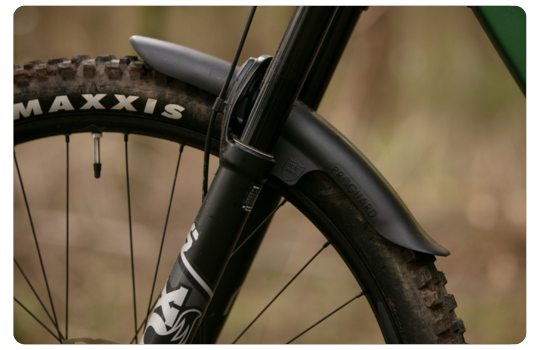
Imagine you’re riding your bike on a wet and muddy day. Without proper mudguards, you’re likely to end up with dirt splattered all over you.
Not only does it ruin your outfit, but it can also damage your bike over time. This is where maintaining your bike mudguards becomes crucial. By keeping them in tip-top shape, you ensure that every ride is clean and enjoyable.
But how exactly do you maintain these essential components? You might think it’s complicated, but it’s easier than you imagine. You’ll discover simple tips and tricks to keep your mudguards in perfect condition, ensuring you stay clean and your bike remains in optimal shape. Dive in to find out how you can make every ride smoother and cleaner!
Types Of Bike Mudguards
Full-length mudguards cover most of the wheel. They keep you very clean. These mudguards are best for rainy days. Riders stay dry with these. They attach securely to the bike frame. Installation is easy but might need tools. Full-length guards last long. They are perfect for city rides.
Clip-on mudguards are easy to install. No tools are needed. Just clip them on the bike. They are best for quick rides. Mud and water protection is limited. They are light and portable. Great for sunny days. Not ideal for heavy rain. Quick to remove when not needed.
Both fenders and mudguards stop mud and water. Fenders are usually larger. Mudguards are lighter and easier to use. Fenders provide more coverage. They are better for wet weather. Mudguards suit fast rides. Choose based on your needs. Both help keep bikes clean.

Credit: www.facebook.com
Cleaning And Care
Regular cleaning keeps bike mudguards functional and looking new. Use soapy water and a soft cloth to remove dirt. Inspect for cracks and tighten loose screws to ensure durability.
Regular Cleaning Routine
Keep mudguards clean with a soft cloth and water. Dirt can stick easily, so wipe them often. Avoid using hard brushes. They can scratch the surface. Clean mudguards regularly to keep them shiny.
Best Cleaning Products
Use mild soap or bike cleaner. Strong chemicals may harm mudguards. Choose products that are safe for plastics. Bike cleaner sprays are often gentle. They remove dirt without damage.
Avoiding Damage During Cleaning
- Do not use metal tools on mudguards.
- Dry them with a soft towel.
- Be gentle when cleaning edges.
- Check for cracks or bends after cleaning.
Inspection And Repair
Regular checks ensure mudguards remain effective. Clean them frequently to prevent dirt buildup. Tighten loose bolts and replace damaged parts promptly for optimal performance.
Checking For Cracks Or Damage
Look closely at the mudguards. Cracks can lead to bigger problems. Damage may cause rust. Use a flashlight for a better view. Check both sides carefully. Even small cracks matter. Fix them quickly to avoid trouble.
Tightening Loose Screws
Screws hold mudguards in place. Loose screws can make them wobble. Use a screwdriver to tighten them. Check each screw. Ensure they are snug. This keeps mudguards steady and secure.
Replacing Worn Parts
Worn parts can affect performance. Mudguards need strong parts to work well. Replace old or broken pieces. New parts ensure safety and durability. Check for wear regularly. Keep mudguards in top shape.
Proper Installation Techniques
Some tools make installation easier. You need a screwdriverand wrench. A measuring tapehelps too. Keep allen keyshandy. Have a clean clothready. These tools help with a smooth job.
Place the mudguard on your bike. Align it with the wheels. Use the screwdriver to fix it. Tighten screws with the wrench. Check if it’s straight. Adjust if needed. Secure it firmly. Test by moving the bike. Ensure no wobbles or noise. Repeat for the back mudguard.
- Not checking alignment can cause issues.
- Loose screws make mudguards fall.
- Forgetting to clean before installation.
- Using wrong tools slows the process.
- Overtightening screws might damage parts.
Seasonal Maintenance Tips
Ensure your bike mudguards are clean and free from debris. Regularly check for cracks or damage. Tighten loose bolts and screws to prevent rattling.
Winter Care For Mudguards
Keep mudguards clean to avoid ice and snow build-up. Use a soft brush to remove dirt. Check screws and bolts for tightness. Cold can make them loose. Apply lubricant on moving parts to prevent rust. Store your bike in a dry place. This helps to keep mudguards safe.
Summer Maintenance Tricks
Inspect mudguards for cracks caused by heat. Fix any damage quickly. Use mild soap and water to clean dust. Avoid harsh chemicals. They can harm your mudguards. Check alignment regularly. Sun can warp them. Always keep your bike in shade. It extends mudguard life.
Preparing For Rainy Seasons
Ensure mudguards are secure before rain starts. Tighten loose parts. Use water-resistant spray on the surface. This keeps mud off. Clean them after every rainy ride. It stops mud from sticking. Check for rust weekly. Fix small rust spots early to stop spread.
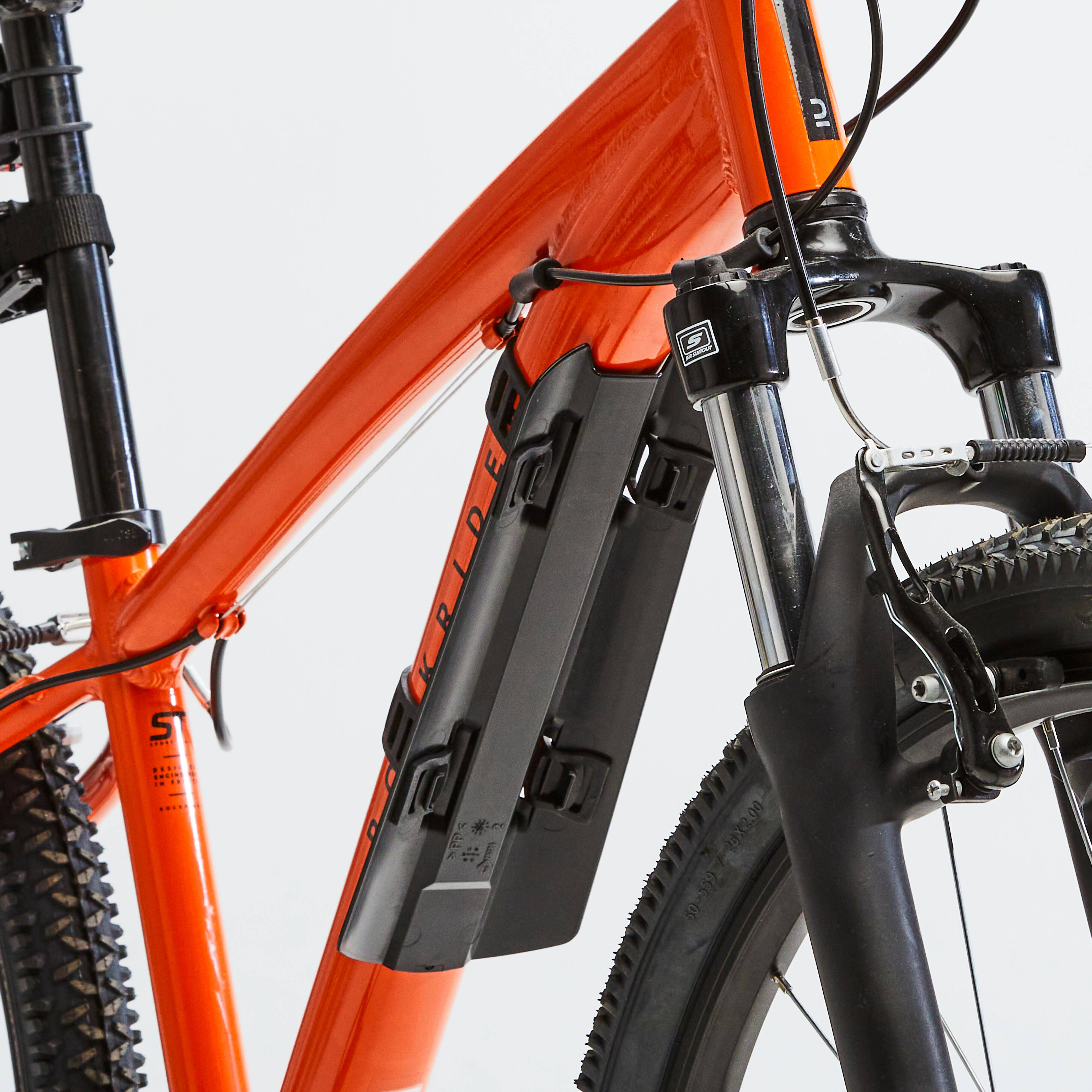
Credit: theraleighbeergarden.com
Expert Recommendations
Selecting the perfect mudguards can be tricky. Size and material are key. Ensure they fit your bike wheels. Plastic mudguards are light and flexible. Metal mudguards are stronger and last longer. Choose the style that suits your riding needs. Consider the weather you often ride in. Mudguards with flaps offer extra protection. Your choice depends on your preference and bike type.
Professional cyclists suggest regular checks of your mudguards. Ensure they are securely attached. Check for any cracks or damage. Clean mudguards after riding in muddy conditions. This prevents rust and keeps them effective. Cyclists use brackets for extra support. Adjust mudguards for better coverage. This helps in keeping you and your bike clean. Stay dry with well-maintained mudguards.
- SKS – Known for durable and reliable mudguards.
- Zefal – Offers a wide range of styles and sizes.
- Crud – Popular for easy installation and lightweight options.
- Topeak – Provides innovative designs and sturdy products.
- Planet Bike – Focuses on eco-friendly materials and designs.

Credit: www.facebook.com
Frequently Asked Questions
How To Clean Bike Mudguards?
To clean bike mudguards, rinse with water to remove loose dirt. Use a mild detergent and sponge for scrubbing. Rinse thoroughly and dry with a cloth to prevent rust. Regular cleaning ensures optimal performance and longevity of mudguards.
Do Mud Guards Really Help A Bike?
Mud guards protect bikes and riders from dirt and water. They reduce cleanup time and keep clothes dry. Essential for rainy or muddy conditions, they enhance riding comfort and safety. Ideal for commuters and off-road cyclists seeking a cleaner, more enjoyable ride.
How To Maintain A Matte Bike?
Clean the matte bike with a mild detergent and water. Use a microfiber cloth to avoid scratches. Apply a matte-specific protectant to maintain the finish. Avoid wax and polish, as they can create unwanted shine. Regularly check for chips or scratches and touch them up promptly.
How To Extend Mudguards?
Extend mudguards by adding rubber or plastic extensions. Use screws or adhesive to secure them firmly. Ensure compatibility with the existing mudguard design. Regularly inspect for wear and tear to maintain effectiveness. Proper installation prevents dirt and water splashes, enhancing vehicle cleanliness and protection.
Conclusion
Keeping your bike mudguards in top shape is simple. Regular checks prevent future issues. Clean them often to avoid dirt buildup. Tighten screws to ensure a secure fit. A well-maintained mudguard protects you from splashes. It also enhances your bike’s appearance.
Don’t overlook small cracks or bends; fix them promptly. Proper care extends your mudguards’ lifespan. Enjoy smoother rides in any weather. Remember, consistent attention saves time and money. Prioritize maintenance for a better biking experience. Stay safe and dry, year-round.
Happy cycling!



