
Imagine the thrill of crossing the finish line at a road cycling event, the wind in your face, and the crowd cheering you on. It’s not just a dream; it’s an achievable goal, and you’re closer to it than you think.
Whether you’re a beginner or have some miles under your belt, training for a road cycling event can be both exciting and challenging. But where do you start? How do you make sure you’re ready to tackle the course with confidence?
This guide is here to answer those questions and more. You’ll discover simple, effective strategies to boost your endurance, power, and speed. You’ll learn how to fuel your body for long rides and how to stay motivated even when the going gets tough. This isn’t just about cycling; it’s about transforming how you see yourself and what you can achieve. Get ready to tap into the secrets of successful cyclists. By the end of this article, you’ll have a clear roadmap to follow and the confidence to take on any road cycling event. Dive in and start turning those dreams into reality!
Setting Goals
Setting clear, achievable goals is essential for training in road cycling events. Define milestones and track your progress regularly. Adjust your plans based on performance to ensure steady improvement.
Assessing Your Fitness Level
Understanding your current fitness levelis important. Begin by noting how often you ride your bike. Think about the distance you can comfortably cover. Check your speed on different terrains. Use a fitness tracker for accurate data. Compare your stats with other cyclists. This will help you set realistic goals.
Choosing The Right Event
Selecting the right cycling event is crucial. Look for events that match your skill level. Consider the distance and terrain. Choose a local event if it’s your first time. This will make logistics easier. Check the event schedule and rules. Make sure you have enough time to prepare. A suitable event will boost your confidence.
Building A Training Plan
Creating a training plan for a road cycling event involves setting realistic goals and mapping out weekly rides. Focus on building endurance, speed, and recovery time to improve performance. Include varied terrain and rest days to balance effort and recuperation.
Creating A Schedule
Start with a simple cycling schedule. Ride three times each week. Plan two short rides and one long ride. Short rides should be 30 minutes. Long rides should be one hour. Pick days that fit your lifestyle. Stick to your schedule for best results. Adjust as needed, but keep it regular.
Balancing Intensity And Recovery
Balance hard and easy rides for best training. Hard rides build strength and speed. Easy rides help your body recover. Include rest days in your plan. Rest days prevent injuries. Listen to your body. If you feel tired, take more rest. Balance leads to success in cycling events.
Essential Gear
Choosing the right gear is crucial for road cycling training. Quality bike, helmet, and cycling shoes enhance performance and safety. Comfortable clothing and reliable water bottles are also essential for long rides.
Selecting The Right Bike
Choosing the right bike is very important. A road bikeis usually the best choice. It is light and fast. Make sure the bike fits your height. This helps you ride comfortably. Check the brakesand gears. They should work smoothly. A good bike will make training fun.
Must-have Accessories
Some accessories make cycling better. A helmetis a must for safety. Wear it every time you ride. Gloves protect your hands. They also give a better grip. Use a water bottleto stay hydrated. A repair kithelps fix flat tires. Keep a pump and spare tube handy. These items keep you prepared for any ride.
Nutrition Strategies
Eating a balanced meal is key before a ride. Focus on foods rich in carbohydrates. They give your body energy. Oatmeal or a banana works well. Include some proteintoo. Eggs or yogurt are good choices. Avoid heavy or greasy foods. They can upset your stomach. Eat your meal at least two hours before the ride. This gives your body time to digest.
Staying hydrated is very important. Drink enough water throughout the day. A good rule is to sip water every hour. Before the ride, drink a glass of water. Take a bottle of water on the ride. You can also use a sports drink. It helps replace lost salts. Avoid sugary drinks. They can make you feel tired.
Mental Preparation
Mental preparation builds confidence and focus for road cycling events. Visualize the course and set achievable goals. Practice mindfulness to stay calm during challenging situations.
Visualizing Success
Picture yourself crossing the finish line. Imagine the cheers and excitement. Feel the wind and see the crowd. Visualize every detail clearly. This builds confidence and readiness. Positive thoughts boost your mental strength. Repeat this exercise daily for best results.
Staying Motivated
Set small and achievable goals. Celebrate each win, however small. Keep a diary to track progress. Write down each ride and lesson learned. Share your goals with friends or family. They will support and encourage you. Stay focused and remember your reasons for cycling. Motivation fuels your journey.
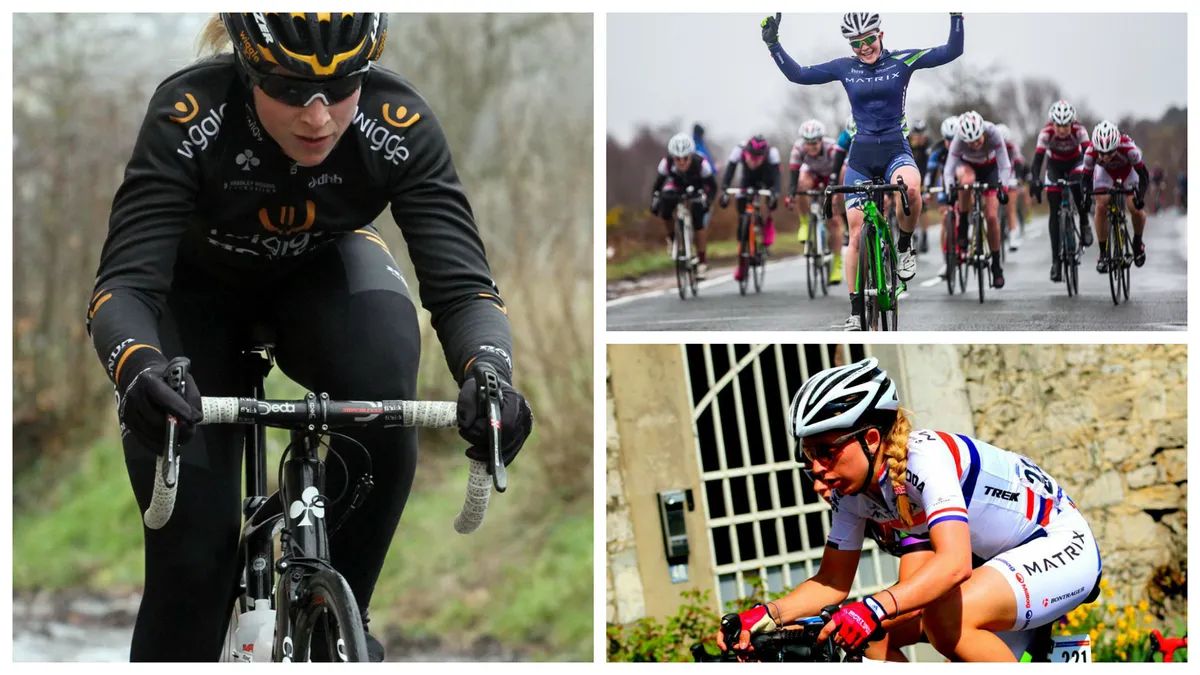
Credit: www.bikeradar.com
Handling Weather Conditions
Training for a road cycling event involves adapting to various weather conditions. Practice in wind, rain, and sun to build resilience. Equip yourself with appropriate clothing and gear for each situation.
Training In Various Climates
Different climates can affect your cycling performance. Hot weather can make you sweat more. Drink plenty of water to stay hydrated. In cold weather, wear layers to keep warm. Rainy days can make roads slippery. Be careful and slow down. Windy conditions can push you off track. Learn to balance your bike well. Each climate needs a different approach. Train in all weathers to be ready.
Adapting To Unexpected Changes
Weather can change suddenly. Always check the forecast before riding. Carry a light jacket for sudden rain. Keep a small towel to wipe off sweat or rain. In case of strong winds, find a safer route. Prepare for any situation to stay safe. Adapt quickly and remain calm. Always have a backup plan for unexpected weather changes.
Tapering Before The Event
Reducing training intensity before a cycling event helps muscles recover. It increases energy and ensures peak performance. Balancing rest and light activity maintains fitness while preventing fatigue.
Reducing Training Volume
Tapering means doing less training before a big event. Reduce the training volume to allow your body to rest. This helps your muscles recover and become stronger. Cut back on long rides and focus on quality. Ride shorter distances, but keep some intensity. Keep your legs moving, but not too much.
Maintaining Sharpness
It’s important to stay sharp for the event. Do some short, fast rides to keep your legs ready. Include sprints and quick bursts to maintain speed. Rest is key, but don’t stop completely. Keep a balance between rest and light activity. This keeps you fresh and ready to perform your best.
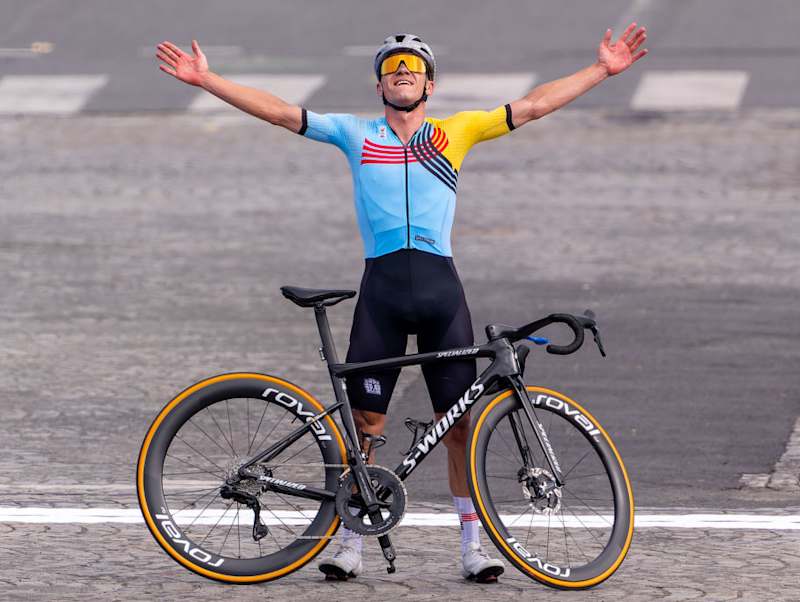
Credit: www.redbull.com
Race Day Tips
Boost your cycling stamina with consistent training. Focus on endurance rides and interval workouts to build strength. Pay attention to recovery and nutrition, ensuring your body is ready for race day challenges.
Packing Essentials
- Water bottles:Stay hydrated during the race.
- Energy bars:Keep your energy levels up.
- Helmet:Safety is crucial for every cyclist.
- Sunscreen:Protect your skin from the sun.
- Repair kit:Be ready for unexpected bike issues.
- Race number:Don’t forget your identification.
Managing Pre-race Jitters
Feeling nervous is normal. Take deep breaths. Focus on your goals. Visualize the race ahead. Listen to calming music. Talk to fellow riders. Share your excitement. Remember, it’s about enjoying the ride. Keep a positive mindset. Avoid overthinking. Stay relaxed and confident.

Credit: www.bikeradar.com
Frequently Asked Questions
How To Train For A Cycling Event?
Start with a structured training plan. Focus on endurance, strength, and speed workouts. Include rest days for recovery. Gradually increase mileage and intensity. Practice cycling nutrition and hydration strategies. Consider joining a cycling group or hiring a coach for guidance.
Ensure your bike is well-maintained for optimal performance.
What Is The 80 20 Rule In Cycling?
The 80/20 rule in cycling involves training at low intensity 80% of the time and high intensity 20% of the time. This approach helps improve endurance and performance by balancing easy and challenging workouts. Cyclists can enhance fitness while minimizing the risk of overtraining and injury.
What Is The 80% Rule In Cycling?
The 80% rule in cycling suggests spending 80% of training time at low intensity. This approach helps build endurance and reduces injury risk, while the remaining 20% focuses on high-intensity workouts to improve speed and performance. Balancing these intensities optimizes overall cycling efficiency and fitness.
How To Train For A Road Race?
Begin with a structured training plan, gradually increasing distance and intensity. Incorporate interval training, hill workouts, and rest days. Focus on proper nutrition and hydration. Practice running at race pace. Ensure a proper warm-up and cool-down routine. Consistently track progress and make adjustments as needed.
Conclusion
Training for a road cycling event requires dedication and planning. Start with small, manageable goals. Increase your distance gradually. Consistency is key. Focus on both speed and endurance. Balance your workouts with rest days. Proper nutrition fuels your rides. Hydration keeps you strong and focused.
Listen to your body; it knows best. Stay motivated and enjoy the journey. Practice often, and you’ll see improvement. Celebrate your milestones, big or small. Cycling offers a sense of freedom and achievement. You can do this. Ride with passion and purpose.
Embrace the challenge and have fun.



