
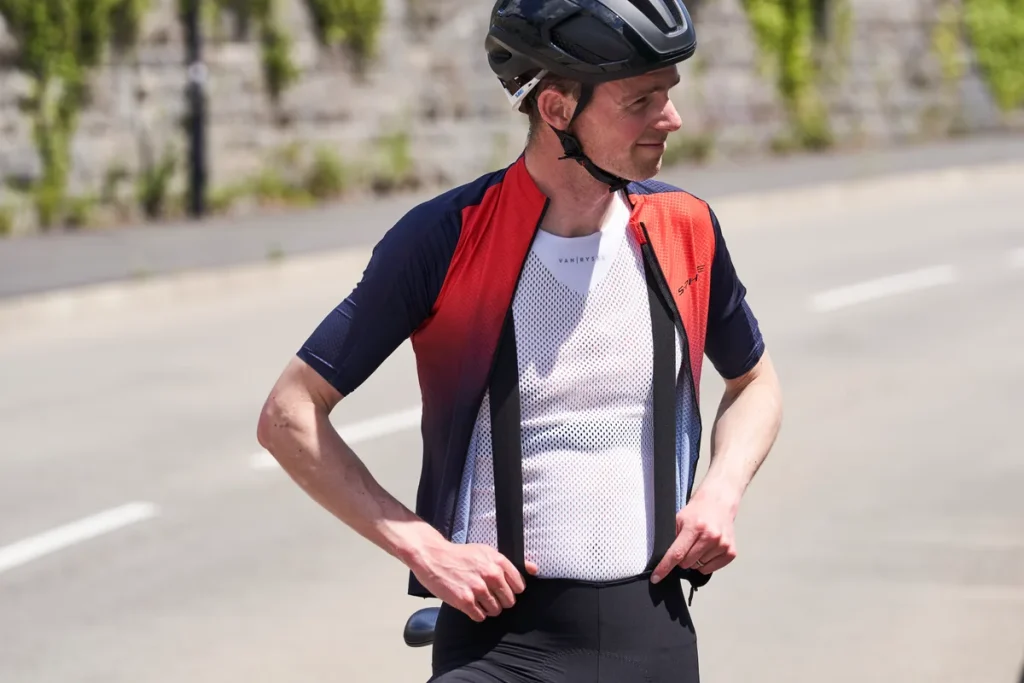
Imagine hitting the trails or roads for a cycling adventure. The sun is shining brightly, or perhaps the clouds are gathering, hinting at a sudden shower.
Whatever the weather throws at you, your comfort and performance hinge heavily on one piece of gear: your cycling jersey. Have you ever wondered how the right jersey can make all the difference in adapting to climate conditions? You’re about to discover how choosing the perfect cycling jersey can keep you comfortable and focused, no matter the weather.
Explore the secrets of climate adaptability in cycling apparel and see how it can transform your rides into seamless, enjoyable experiences. Keep reading to uncover how you can elevate your cycling game with jerseys designed to tackle any weather challenge head-on.

Credit: cycling4climate.nl
Fabric Technology
Cycling jerseys designed with advanced fabric technology adapt to varying climates seamlessly. They manage moisture and temperature, ensuring optimal comfort. These jerseys are breathable and lightweight, enhancing performance in different weather conditions.
Moisture Management
Moisture managementkeeps you dry. It moves sweat away from skin. This fabric absorbs moisture quickly. Then it releases it outside the jersey. You stay comfortable even when it’s hot.
Breathability Features
Breathable fabricslet air flow through. They prevent overheating. Mesh panels improve air circulation. They help keep your body cool. Enjoy long rides without feeling too warm.
Uv Protection
UV protectionshields your skin. Sun can harm your body. Jerseys with UV protection keep you safe. They block harmful rays. Feel safe under the sun’s warmth.

Credit: www.pactimo.com
Seasonal Adaptations
Summer jerseyskeep cyclists cool and comfortable. These jerseys use lightweight, breathable materials. Mesh panels allow air to flow freely. This helps sweat evaporate quickly. Bright colors increase visibility on sunny days. Many jerseys offer UV protection. This shields skin from harmful sun rays. Some have zippers for extra ventilation. Cyclists stay cool and dry.
Winter jerseys offer warmth and protection. They use thicker fabrics to trap heat. Fleece linings provide extra insulation. Windproof layers block cold air. Many jerseys are water-resistant. This keeps cyclists dry in rain and snow. Reflective elements enhance visibility in low light. Jerseys often have high collars and long sleeves. This helps to keep the cold out.
Spring and fall jerseys are adaptable. They balance warmth and breathability. Mid-weight fabrics provide comfort in changing weather. Some jerseys have removable sleeves. Cyclists can adjust as temperatures change. Versatile designs suit unpredictable climates. These jerseys are perfect for transitional seasons. They often include pockets for easy storage. Cyclists can carry essentials like snacks and tools.
Layering Techniques
The base layer keeps you warmand dry. It hugs your skin and moves sweat away. Choose one made of merino woolor synthetic materials. These fabrics breathe well. They help you stay comfortablewhen cycling.
The mid-layer adds extra warmth. It should be lightweightand easyto pack. Fleece or thin insulated jacketswork best. They trap heat but let air in. This keeps you warm without overheating.
The outer layer protects from windand rain. Look for jackets that are waterproofand breathable. This layer should be easy to remove. You want it handy when weather changes. It helps keep you dry and comfortable.

Credit: www.pactimo.com
Fit And Comfort
Cycling jerseys designed for climate adaptability enhance fit and comfort. Materials wick away moisture and regulate temperature. Breathable fabrics keep cyclists cool in hot weather and warm in cooler climates.
Aerodynamic Design
Cycling jerseys use an aerodynamic designfor better speed. These jerseys have smooth surfaces to cut through the wind. This helps riders move faster with less effort. Lightweight materials make them easy to wear for long rides.
Ergonomic Fit
Jerseys are made with an ergonomic fitto match the body’s shape. This fit supports movement and reduces drag. It helps cyclists stay comfortable and efficient. Stretchy fabrics allow freedom in motion. Riders can move easily while pedaling.
Comfort Enhancements
Comfort is key in cycling jerseys. Special comfort enhancementsinclude mesh panels for breathability. These panels keep riders cool and dry. Flat seams prevent skin irritation. They make long rides more enjoyable. Elastic cuffs keep sleeves in place.
Innovative Features
Cycling jerseys keep riders comfortable in different climates. Special fabrics wick sweat away. This keeps the skin dry and cool. Mesh panels offer extra ventilation. They help air circulate around the body. Riders stay cozy in both hot and cold weather.
Wind can slow cyclists down. Jerseys have smooth surfaces to reduce drag. Tight fits prevent flapping in strong winds. This keeps speed steady and saves energy. Riders can perform better on windy days.
Rainy rides require special gear. Jerseys with water-repellent coatings keep cyclists dry. They repel light rain and splashes. Quick-drying fabrics ensure comfort after wet rides. This feature helps maintain focus during unexpected showers.
Sustainability Considerations
Cycling jerseys must adapt to various climates for sustainable use. Materials should offer breathability and insulation. Eco-friendly production reduces environmental impact while enhancing performance.
Eco-friendly Materials
Cycling jerseys use materials that are kind to the earth. These materials break down easily and do not harm nature. They help in saving the planet for future kids.
Recycled Fabrics
Many jerseys are made from old plastic bottles. This process helps keep waste out of landfills. It also gives new life to used items. The jerseys look and feel just like new.
Long-term Durability
Durable jerseys last a long time. They don’t tear or wear out easily. This saves money and reduces waste. Riders can enjoy their jerseys for many years.
Customization Options
Many people love unique designs on their cycling jerseys. You can choose colors and patterns that show your style. Adding your name or a special logo makes it even more personal. These changes make every ride feel special and unique.
Team jerseys help riders feel united. They often have matching colors and logos. This makes it easy to spot team members. Wearing a team jersey builds team spirit and friendship. It shows everyone that you belong to a group.
Brands often work together to create cool cycling jerseys. These jerseys mix styles from different brands. They bring fresh and exciting designs to the market. Fans of both brands love these special editions. It offers them something new and different.
Care And Maintenance
Cycling jerseys require careful washing to maintain climate adaptability. Hang-drying preserves fabric breathability and elasticity. Regular checks ensure optimal performance in varying weather conditions.
Washing Guidelines
Use cold waterfor washing your cycling jersey. Hot water can damage it. Choose a gentle cycle on your washing machine. Avoid using bleach or softeners. These can harm the fabric. Always air dry your jersey. Avoid using a dryer. High heat can shrink the material.
Storage Tips
Keep your jersey in a cooland dryplace. Avoid direct sunlight. This can fade the colors. Hang your jersey on a hanger. Folding can cause wrinkles. Ensure it’s completely dry before storing. Dampness can lead to mold or bad smells.
Repairing Techniques
Small holes can be patched with a needle and thread. Use a matching color for the thread. For larger tears, consider using a patch. Iron-on patches work well. Ensure the patch is secure. If unsure, seek help from a professional tailor. It’s better than risking more damage.
Frequently Asked Questions
What Temperature Should A Cycling Jersey Be?
Cycling jerseys are best suited for temperatures between 60°F and 75°F (15°C to 24°C). Choose breathable, moisture-wicking materials for comfort. Layer appropriately for cooler conditions or opt for lightweight materials in warmer weather.
What Are The Benefits Of Cycling Jersey?
Cycling jerseys enhance performance and comfort. They wick moisture, regulate temperature, and offer aerodynamic benefits. With pockets for essentials, they improve convenience. Bright colors increase visibility for safety. Stretchable fabric ensures a snug fit, minimizing drag.
Do Cycling Jerseys Block Uv?
Yes, cycling jerseys often block UV rays. Many are made with UV-protective fabrics. Check the label for UPF ratings. It’s crucial to wear sunscreen on exposed skin. Choose jerseys with long sleeves for extra protection. Ensure the jersey is well-fitted for optimal coverage.
Is The Dhb Thermal Jersey Any Good?
Yes, the DHB thermal jersey is excellent for cold weather cycling. It offers warmth, comfort, and breathability. The jersey’s high-quality material ensures durability and effective insulation. Cyclists appreciate its fit and functionality, making it a popular choice for winter rides.
Enjoy cycling without compromising on style or performance.
Conclusion
Cycling jerseys offer great climate adaptability. They help you stay comfortable. Whether it’s hot or cold, jerseys adjust to the weather. Choosing the right fabric is important. It impacts your ride. Breathable materials keep you cool. Thermal fabrics keep you warm.
A perfect fit enhances your performance. It allows freedom of movement. Jerseys with moisture-wicking technology are crucial. They keep sweat away. Overall, investing in a good cycling jersey pays off. It enhances your cycling experience. Stay adaptable. Keep enjoying your rides.
A good jersey makes every ride better.



