
Is your bike saddle uncomfortable, loose, or misaligned? This guide walks you through fixing common saddle problems with simple tools and expert tips. You’ll learn how to adjust height, angle, and position for a smooth, pain-free ride.
Key Takeaways
- Check saddle bolts regularly: Loose bolts are the top cause of saddle wobble and slippage.
- Adjust height and angle for comfort: A properly positioned saddle reduces strain on your back, knees, and hips.
- Use the right tools: A hex key or Allen wrench is essential for most saddle adjustments.
- Inspect rails and clamps: Damaged parts can cause instability and need replacement.
- Lubricate moving parts: Prevent rust and stiffness in the seat post and clamp mechanism.
- Test after every adjustment: Always take a short ride to confirm comfort and stability.
- Replace worn saddles: Cracked or sagging saddles should be swapped out for safety and comfort.
Introduction: Why a Properly Fixed Bike Saddle Matters
A well-adjusted bike saddle is the foundation of a comfortable and efficient ride. Whether you’re commuting, training, or exploring trails, a poorly fixed saddle can lead to pain, numbness, or even injury. Fortunately, most saddle issues are easy to fix with basic tools and a little know-how.
In this guide, you’ll learn how to fix bike saddle problems like slipping, wobbling, incorrect height, and discomfort. We’ll cover step-by-step adjustments, maintenance tips, and troubleshooting advice. By the end, you’ll be able to fine-tune your saddle for a smooth, pain-free experience on every ride.
Tools You’ll Need
Before starting, gather these essential tools:
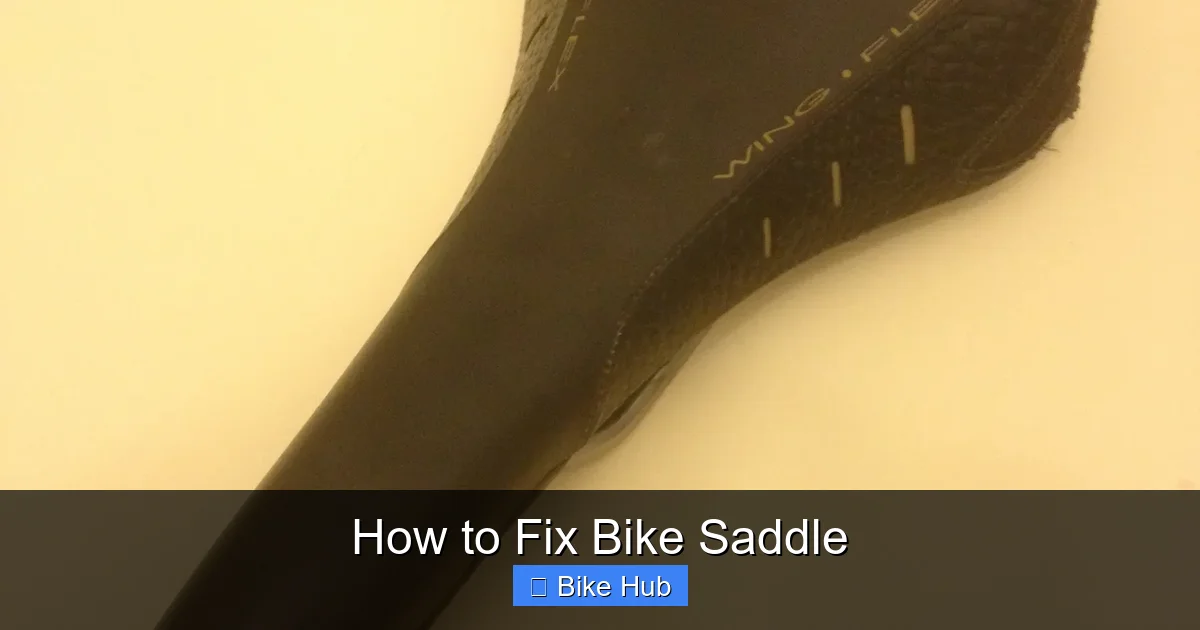
Visual guide about How to Fix Bike Saddle
Image source: content.instructables.com
- Hex key (Allen wrench) set – usually 4mm, 5mm, or 6mm
- Torque wrench (optional but recommended for carbon parts)
- Lubricant (like bike-specific grease or silicone spray)
- Clean cloth or rag
- Measuring tape or ruler (for precise height adjustment)
- Replacement bolts or clamps (if damaged)
Most modern bikes use hex bolts, so a quality Allen wrench set is a must. If you have a carbon seat post, avoid over-tightening—use a torque wrench to stay within safe limits.
Step 1: Diagnose the Problem
Not all saddle issues are the same. Start by identifying what’s wrong:
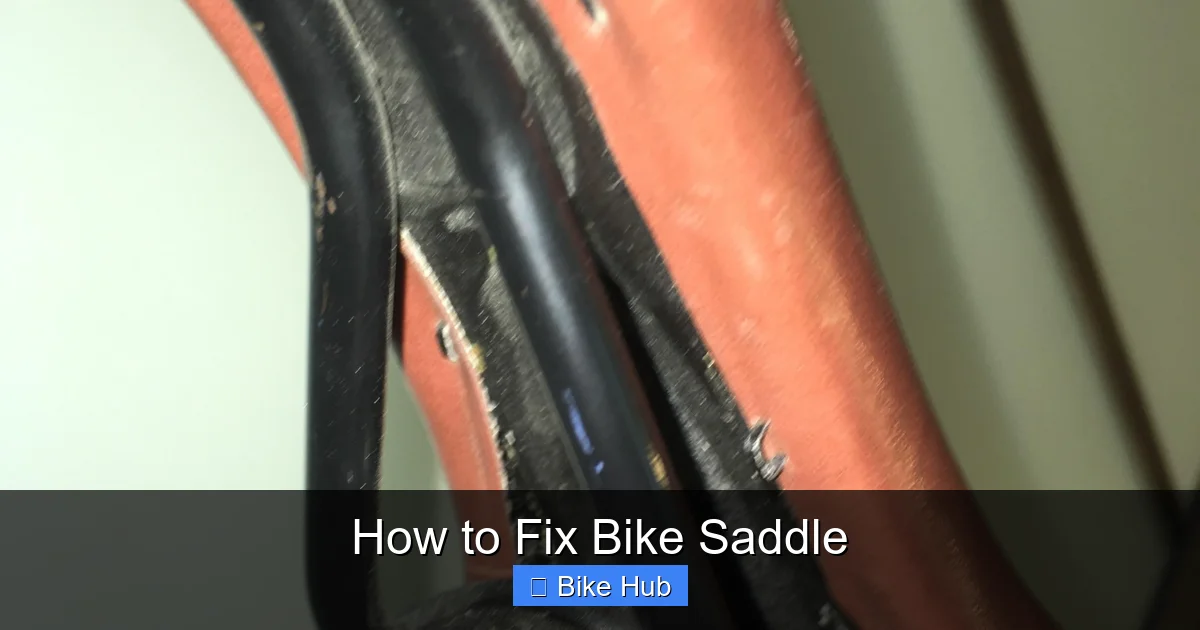
Visual guide about How to Fix Bike Saddle
Image source: i.redd.it
- Saddle slips down: Seat post is loose or worn.
- Saddle wobbles side to side: Clamp bolts are loose or rails are damaged.
- Uncomfortable ride: Saddle is too high, low, or angled incorrectly.
- Pain in lower back or knees: Saddle position affects pedaling mechanics.
Take a close look at the saddle, rails, and seat post. Check for cracks, rust, or stripped bolts. If the saddle itself is cracked or sagging, it may be time for a replacement.
Step 2: Adjust Saddle Height
The right saddle height ensures efficient pedaling and reduces strain on your knees.
Loosen the Seat Post Clamp
Locate the bolt at the top of the seat tube (usually under the saddle). Use your hex key to loosen it just enough to allow the seat post to move up and down. Don’t remove it completely.
Set the Correct Height
Stand next to your bike and raise the saddle to hip level. For a more precise method, sit on the saddle and place your heel on the pedal at its lowest point. Your leg should be fully extended. When you switch to the ball of your foot, there should be a slight bend in your knee.
Tighten the Clamp
Once set, tighten the bolt securely. For carbon seat posts, apply a small amount of carbon grip paste and torque to the manufacturer’s specification (usually 5–6 Nm). Over-tightening can crack the post.
Pro Tip: Mark your ideal height with a piece of tape on the seat post for quick future adjustments.
Step 3: Adjust Saddle Angle and Fore-Aft Position
A level saddle is best for most riders, but slight adjustments can improve comfort.
Check the Angle
Use a smartphone level app or a small spirit level on the saddle. It should be mostly flat. A slight nose-down tilt can relieve pressure on sensitive areas, while a nose-up tilt may help with climbing posture.
Adjust Fore-Aft Position
This controls how far forward or back the saddle sits. Loosen the clamp bolts under the saddle (usually two bolts on the rails). Slide the saddle forward or back. A good starting point is aligning the front of the saddle with the bottom bracket spindle when viewed from the side.
Tighten the Bolts
Once positioned, tighten the bolts evenly in a crisscross pattern to avoid warping the clamp. Don’t overtighten—snug is enough.
Example: If you feel pressure on your hands, try moving the saddle slightly forward. If your knees hurt, moving it back might help.
Step 4: Fix a Wobbly or Slipping Saddle
A wobbly saddle is unsafe and annoying. Here’s how to fix it.
Inspect the Rails and Clamp
Check the metal rails on the bottom of the saddle. Are they bent or cracked? Look at the clamp that holds them. Is it worn or loose? Damaged parts need replacement.
Tighten All Bolts
Use your hex key to tighten the bolts that secure the saddle to the clamp. If the saddle still moves, the clamp may be worn. Consider upgrading to a new seat post clamp—they’re inexpensive and easy to install.
Lubricate Moving Parts
Apply a small amount of grease to the seat post where it meets the frame. This prevents seizing and makes future adjustments easier. Avoid grease on the saddle rails—use a dry lubricant or silicone spray instead.
Warning: Never ride with a loose saddle. It can cause accidents or damage your bike.
Step 5: Maintain and Protect Your Saddle
Regular maintenance keeps your saddle in top shape.
Clean the Saddle
Wipe down the saddle with a damp cloth after rides, especially if it’s leather. For leather saddles, use a specialized cleaner and conditioner to prevent drying and cracking. Learn more in our guide on how to clean leather bike saddle.
Check Bolts Monthly
Vibrations from riding can loosen bolts over time. Make it a habit to check saddle bolts every few weeks.
Store Your Bike Properly
Keep your bike in a dry place to prevent rust on metal parts. If you live in a rainy area, consider using a saddle cover.
Troubleshooting Common Saddle Issues
Even with proper adjustments, problems can arise. Here’s how to handle them:
- Saddle keeps slipping down: The seat post may be worn or the clamp too loose. Try wrapping the post with carbon grip tape or replace the clamp.
- Pain in sit bones: The saddle may be too narrow. Consider a wider or ergonomic model.
- Numbness in hands or groin: Adjust the angle or try a saddle with a cutout to relieve pressure.
- Rust on seat post: Remove the post, scrub with steel wool, and apply anti-seize compound before reinserting.
If you’re still uncomfortable after adjustments, it might be time to try a different saddle. Everyone’s body is different—what works for one rider may not work for another.
When to Replace Your Saddle
No amount of adjustment can fix a damaged saddle. Replace it if you notice:
- Cracks or tears in the cover
- Sagging or broken rails
- Excessive wear on the padding
- Persistent discomfort despite proper positioning
Investing in a quality saddle tailored to your riding style (road, mountain, commuting) can make a huge difference. Pair it with proper adjustment for the best results.
Conclusion: Ride Comfortably with a Well-Fixed Saddle
Fixing your bike saddle doesn’t require a mechanic—just a few tools and attention to detail. By adjusting height, angle, and position, and maintaining your saddle regularly, you’ll enjoy a smoother, more comfortable ride. Remember to check bolts often, lubricate moving parts, and replace worn components.
A well-fixed saddle isn’t just about comfort—it’s about safety and performance. Take the time to get it right, and your body (and your bike) will thank you. For more bike maintenance tips, check out our guide on how to maintain bike wheels or learn how to secure your bike saddle for long rides.



