
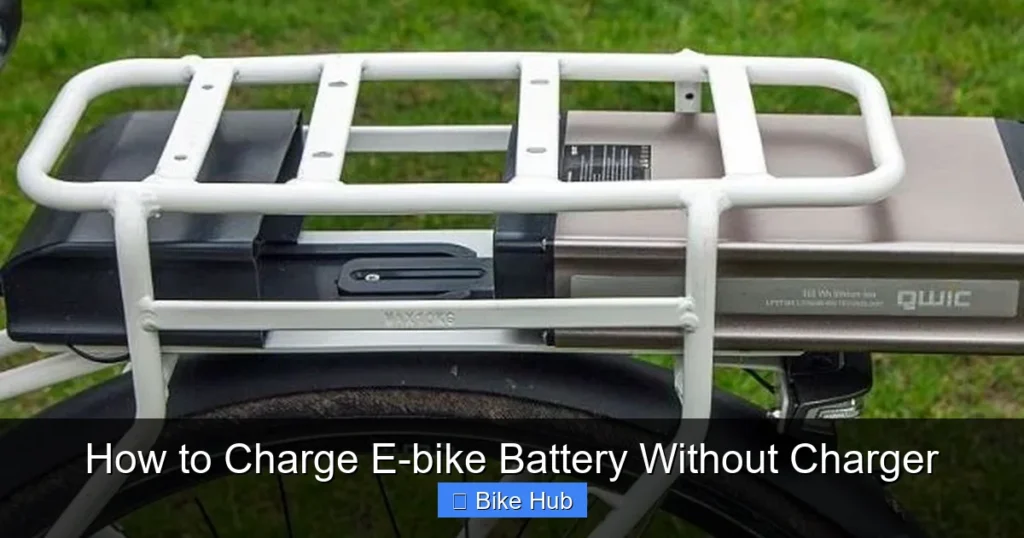
Charging an e-bike battery without its original charger is possible in emergencies, but it requires caution and the right tools. This guide covers safe DIY alternatives like using universal chargers, power banks, or car inverters—plus essential safety tips to protect your battery and avoid damage.
Key Takeaways
- Never use incompatible chargers: Mismatched voltage or current can damage your battery or pose a fire risk.
- Universal e-bike chargers are a safe backup: These adjustable chargers work with multiple battery types and voltages.
- Power banks can work for small top-ups: High-capacity USB-C PD power banks may charge some e-bike batteries via DC input.
- Car inverters offer on-the-go charging: Convert your car’s 12V outlet to AC power to use a compatible charger.
- DIY methods carry risks: Direct wiring or solar setups require electrical knowledge and proper safety gear.
- Always monitor temperature and voltage: Overheating or overcharging can permanently damage lithium-ion batteries.
- Prevention is best: Carry a spare charger or portable power solution to avoid being stranded.
How to Charge E-bike Battery Without Charger
So, you’re out on a scenic trail or commuting through the city when your e-bike suddenly dies—and you realize you left your charger at home. Panic sets in. But don’t worry: while the safest and most reliable way to charge your e-bike is with its original charger, there are emergency alternatives that can get you back on the road—if done carefully.
In this guide, we’ll walk you through several practical and relatively safe methods to charge your e-bike battery without the standard charger. We’ll cover everything from using universal chargers and power banks to car inverters and solar setups. You’ll also learn critical safety precautions to protect your battery, your bike, and yourself. Remember: these are temporary solutions, not long-term replacements. Always prioritize safety and battery health.
Why You Should Avoid Improvised Charging (And When It’s Okay)
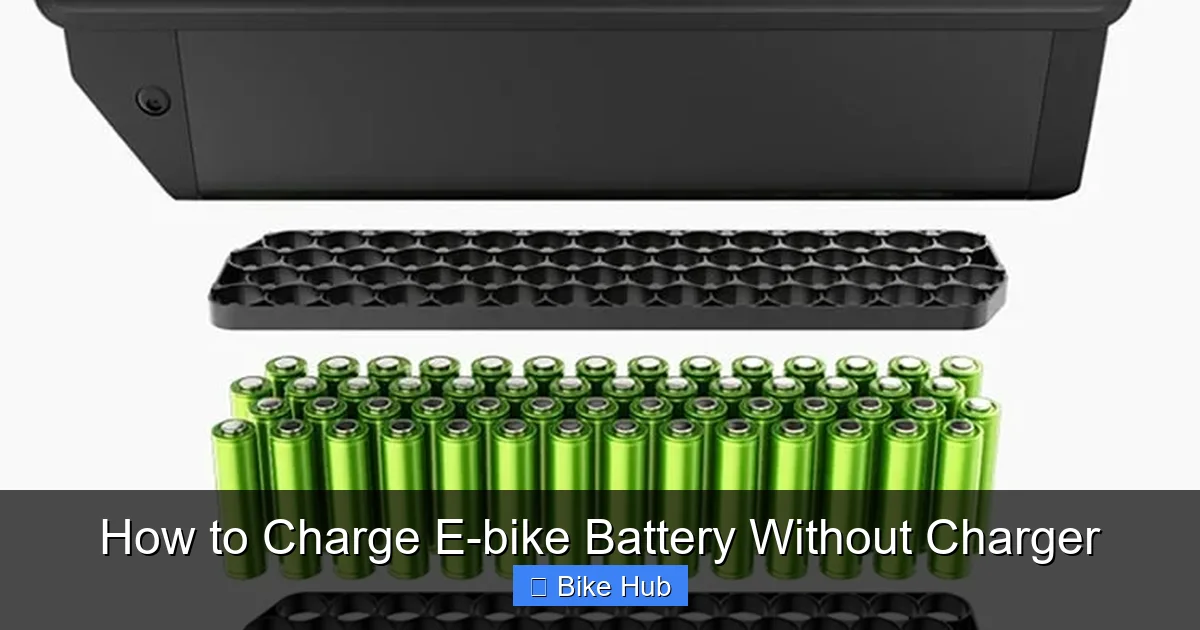
E-bike batteries—typically lithium-ion—are sensitive to voltage, current, and charging patterns. Using the wrong charger can lead to overheating, reduced battery life, or even fire. That’s why manufacturers design specific chargers for each battery model.
Visual guide about How to Charge E-bike Battery Without Charger
Image source: electricwheelers.com
However, in true emergencies—like being miles from home with a dead battery—some alternatives can work. The key is understanding the risks and choosing the safest possible option. Never attempt to charge your battery with random electronics or homemade circuits unless you have advanced electrical knowledge.
Method 1: Use a Universal E-bike Charger
The safest alternative to your original charger is a universal e-bike charger. These devices are designed to work with multiple battery voltages (commonly 36V, 48V, or 52V) and often come with adjustable settings and multiple connector tips.
Visual guide about How to Charge E-bike Battery Without Charger
Image source: electricwheelers.com
Step 1: Check Your Battery Voltage
Look at the label on your battery. It should list the voltage (e.g., “48V”) and capacity (e.g., “13Ah”). This information is crucial for selecting the correct charging mode.
Step 2: Match the Charger Settings
Set the universal charger to the exact voltage of your battery. Never charge a 48V battery with a 36V setting—it won’t charge. Conversely, using a higher voltage can damage the battery.
Step 3: Connect and Monitor
Attach the correct connector tip (many universal chargers include adapters). Plug in the charger and monitor the process. Most quality universal chargers have LED indicators showing charging status and automatic shutoff when full.
Pro Tip: Keep a universal charger in your bike bag or car. It’s a small investment that can save you in a pinch. For more on portable power solutions, check out our guide on how to charge a bike light—many of the same principles apply.
Method 2: Use a High-Capacity Power Bank with DC Output
Some modern power banks—especially those with USB-C Power Delivery (PD) and DC output ports—can charge e-bike batteries, but only if your battery supports DC input charging.
Step 1: Check Battery Compatibility
Not all e-bike batteries can be charged via DC. Look for a secondary charging port on your battery (often labeled “DC IN” or similar). If your battery only has one port for the original charger, this method won’t work.
Step 2: Use a Compatible Power Bank
You’ll need a power bank with at least 20,000mAh capacity and a DC output that matches your battery’s voltage. For example, a 48V battery needs a power bank that outputs 48V DC—these are rare and usually marketed for e-bikes or solar systems.
Step 3: Connect and Charge Slowly
Use the correct DC cable to connect the power bank to your battery. Charging will be slow—expect 2–4 hours for a partial charge. Never leave it unattended.
Note: This method is best for small top-ups, not full charges. For more on portable charging, see our article on how to charge bike camera battery, which explores similar low-power solutions.
Method 3: Use a Car Inverter to Power a Compatible Charger
If you’re near your car and have access to another e-bike charger (even from a friend), a car inverter can be a lifesaver.
Step 1: Get a 100W–300W Car Inverter
These devices plug into your car’s 12V cigarette lighter and convert DC power to standard 110V/220V AC power. Make sure the inverter’s wattage exceeds your charger’s requirement (most e-bike chargers use 50W–100W).
Step 2: Plug in the Charger
Connect your e-bike charger to the inverter, then plug the inverter into the car. Start the car to ensure stable power output—idling may drain the car battery over time.
Step 3: Charge as Normal
Attach the charger to your e-bike battery and monitor the process. This method works just like charging at home, so it’s one of the safest alternatives.
Pro Tip: Keep a spare charger in your car emergency kit. Pair it with an inverter, and you’ll never be stranded. For more on bike preparedness, read our guide on how to prepare a mountain bike for long rides, which includes power and tool checklists.
Method 4: Solar Charging (Advanced)
Solar charging is eco-friendly and ideal for long-distance touring, but it requires setup and patience.
Step 1: Use a Solar Panel with Charge Controller
You’ll need a solar panel (100W or higher), a charge controller compatible with lithium-ion batteries, and the correct cables. The charge controller prevents overcharging and regulates voltage.
Step 2: Connect to Battery
Wire the solar panel to the charge controller, then connect the controller to your e-bike battery. Ensure all connections are secure and weatherproof if outdoors.
Step 3: Park in Sunlight
Position the panel in direct sunlight. Charging can take 6–12 hours depending on sun intensity and battery size.
Caution: This method requires electrical knowledge. Incorrect wiring can damage your battery or cause fire. Only attempt if you understand solar systems.
Method 5: Borrow or Swap Chargers (Temporary Fix)
If you’re near another e-bike rider, ask if their charger is compatible. Many e-bikes use standard voltages (36V or 48V), and some chargers are interchangeable.
Check Connector Type and Voltage
Even if the voltage matches, the connector must fit. Some chargers use XLR, barrel, or proprietary plugs. Never force a connection.
Charge Briefly and Safely
Use the borrowed charger for a quick top-up—just enough to get home. Monitor the battery closely for overheating.
Troubleshooting Common Issues
Battery Won’t Charge?
- Check connections—loose or dirty contacts can prevent charging.
- Ensure the power source is active (e.g., car engine running for inverters).
- Test the battery with a multimeter to confirm it’s not completely dead.
Overheating During Charging
Stop immediately. Overheating can indicate a faulty battery, wrong voltage, or poor ventilation. Let the battery cool in a safe, dry place.
Slow Charging
This is normal with power banks or solar. Avoid rushing—slow charging is safer for lithium-ion batteries.
Safety Tips You Can’t Ignore
- Never leave a charging battery unattended.
- Charge in a cool, dry, well-ventilated area.
- Use only chargers and cables rated for your battery’s voltage and current.
- Inspect cables for fraying or damage before use.
- Keep a fire extinguisher nearby—especially when using DIY methods.
How to Avoid This Situation in the Future
The best way to charge an e-bike battery without a charger is to never be without one. Here’s how:
- Buy a second charger for your home, office, or car.
- Invest in a portable power station with AC outlets and DC outputs.
- Use a battery with a removable pack—easier to charge indoors.
- Carry a universal charger in your bike bag.
For more on bike preparedness, explore our tips on how to prepare for a rainy bike race, which includes gear and power essentials for unpredictable conditions.
Conclusion
Charging an e-bike battery without its original charger is not ideal—but in emergencies, it’s possible with the right tools and knowledge. From universal chargers and power banks to car inverters and solar panels, several methods can help you regain power safely. Always prioritize compatibility, monitor the process, and avoid risky DIY hacks.
Remember: these are temporary fixes. Once you’re home, recharge with the proper charger and inspect your battery for any signs of damage. Better yet, prepare ahead of time so you’re never caught off guard. Stay safe, stay charged, and keep riding!



