

Rainy bike races can be tough, but they don’t have to stop you from performing your best. When the sky turns gray and the rain starts falling, your preparation makes all the difference.
You might worry about slippery roads, wet gear, or staying comfortable. But with the right tips and tricks, you can turn those challenges into an advantage. Keep reading to discover how you can get ready for a rainy bike race and cross the finish line stronger than ever.
Your race, your rules—rain or shine.

Credit: m.youtube.com
Gear Up For Wet Conditions
Preparing for a rainy bike race means more than just hoping the weather clears up. You have to gear up smartly to keep yourself comfortable, safe, and efficient on the track. Choosing the right equipment for wet conditions can make all the difference between a tough, miserable ride and a race you can actually enjoy.
Choose Waterproof Clothing
Waterproof clothing is your first line of defense against rain. Look for jackets and pants made from breathable, waterproof fabrics like Gore-Tex. These materials keep water out while allowing sweat to escape, so you don’t feel clammy inside.
Don’t forget about layering. A lightweight, moisture-wicking base layer under your waterproof jacket will help regulate your body temperature. Have you ever felt soaked from sweat even before the rain starts? Proper layering solves that problem.
Select The Right Tires
Wet roads demand tires that offer more grip and control. Opt for tires with deeper tread patterns designed to channel water away. This reduces the risk of hydroplaning and helps you maintain traction on slippery surfaces.
Consider slightly lowering your tire pressure. It increases the contact area with the road, improving grip. It’s a small adjustment that can boost your confidence when corners get slick.
Use Protective Eyewear
Your vision is crucial in a rainy race. Water droplets and mud splashes can blur your sight, making obstacles harder to spot. Choose eyewear with anti-fog coatings and lenses that repel water.
Clear or light-tinted lenses work best in overcast conditions. Have you noticed how quickly your glasses fog up when the temperature changes? Anti-fog lenses keep your view clear, so you can focus on the race ahead.
Adjust Your Bike Setup
Adjusting your bike setup is vital for racing in rainy conditions. Wet weather changes how your bike handles and responds. Small tweaks make a big difference in safety and performance.
Focus on parts that react to moisture and slippery surfaces. Proper adjustments help maintain control and reduce risks on wet roads. This section covers key areas to check and optimize before the race.
Check Brake Performance
Brakes work differently on wet surfaces. Test them to ensure they stop your bike quickly and smoothly. Clean brake pads and rims to remove dirt and water. Replace worn pads for better grip. Adjust brake cables for firm pressure and fast response.
Optimize Tire Pressure
Lower tire pressure improves traction on wet roads. It increases the tire’s contact with the surface. Reduce pressure slightly but avoid too low to prevent tire damage. Choose tires with good tread patterns for water dispersion. Check tire condition to avoid slips.
Lubricate The Chain Properly
Rain causes rust and dirt buildup on the chain. Use wet-weather bike lubricant for better protection. Apply lubricant evenly to all chain links. Wipe off excess to prevent attracting more dirt. Regular lubrication keeps the chain smooth and efficient during the race.
Plan Your Race Strategy
Planning your race strategy for a rainy bike race means thinking beyond just pedaling hard. Wet conditions change everything—from how you handle your bike to how you manage your energy throughout the race. A solid plan helps you stay safe, competitive, and comfortable on those slippery roads.
Modify Riding Techniques
Rain makes surfaces slick and unpredictable, so adjusting your riding style is crucial. Slow down before corners and avoid sudden braking to maintain control. Try to keep your weight balanced and stay seated more than usual to improve traction.
Have you noticed how small shifts in your body position can make a big difference? Leaning your bike less and focusing on smooth, steady pedaling reduces the chance of slipping. Practicing these changes before race day can boost your confidence and performance.
Identify Safe Passing Zones
Passing in the rain requires extra caution. Look for sections of the course with good visibility, wider lanes, and fewer hazards like puddles or oil slicks. These areas give you better footing and time to react if something unexpected happens.
Keep an eye on your competitors’ lines too. Often, riders will avoid certain parts of the road, leaving safer zones open. Planning where and when to pass can prevent crashes and help you gain places without unnecessary risk.
Manage Energy Efficiently
Wet races often demand more focus and muscle control, which can tire you faster. Plan your effort by conserving energy during less technical stretches and pushing harder on safer, straighter sections. This balance keeps you strong for critical moments.
Have you considered how mental fatigue affects your energy? Staying calm and focused reduces wasted effort. Use short breathing exercises or focus points to reset your mind when the rain starts to wear on you.

Credit: m.youtube.com
Stay Safe On Slippery Terrain
Riding on wet roads needs extra care to avoid slipping. Choose tires with good grip and lower your speed on sharp turns. Wear bright clothes to stay visible in the rain.
Handle Corners With Care
Corners can be dangerous when wet. Approach them slowly. Brake before entering the turn. Keep your bike upright. Lean your body instead. This helps maintain grip and balance. Avoid sudden movements. They can lead to slips.Watch For Road Hazards
Rain reveals hidden dangers. Look for puddles, oil, and debris. These can cause accidents. Adjust your speed accordingly. Stay alert for changing conditions. Puddles might hide deeper holes. Always ride with caution.Maintain Proper Body Position
Your body position affects control. Keep a relaxed grip on the handlebars. Allow your body to absorb shocks. Shift your weight slightly back. This improves traction on the rear wheel. Stay loose to react quickly to changes.Prepare Mentally And Physically
Preparing mentally and physically for a rainy bike race can make all the difference between a tough day and a rewarding challenge. Rain changes everything—from the feel of the road to how your body reacts. Getting your mind and muscles ready helps you stay calm and strong when the skies open up.
Build Confidence In Wet Rides
Riding in wet conditions can feel intimidating at first. The slippery roads and reduced visibility demand sharper focus. You can build confidence by gradually exposing yourself to wet rides in controlled environments.
Start with short rides on wet pavement to understand how your bike handles. Notice how braking distances increase and how your tires grip the surface. Over time, these experiences become muscle memory, reducing fear on race day.
Practice In Similar Conditions
Practice isn’t just about mileage; it’s about context. Schedule training sessions during rainy weather or simulate wet conditions if the weather is dry. This helps your body adapt to the cold and dampness, improving endurance.
Try training on routes with similar terrain and technical demands as your race course. This familiarity boosts your confidence and sharpens your skills. Ask yourself—how does your riding technique change when the roads are slick?
Focus On Nutrition And Hydration
Rainy races often mean cooler temperatures, but your body still needs proper fuel and fluids. Staying hydrated can be tricky when you don’t feel as thirsty, so set reminders to drink regularly. Choose foods that provide steady energy without upsetting your stomach.
Consider warm drinks or electrolyte-rich fluids that support your endurance in cooler, wet conditions. Plan your nutrition strategy just like you would for dry races—your body’s needs don’t disappear because of rain. What snacks or drinks keep you feeling strong during tough rides?
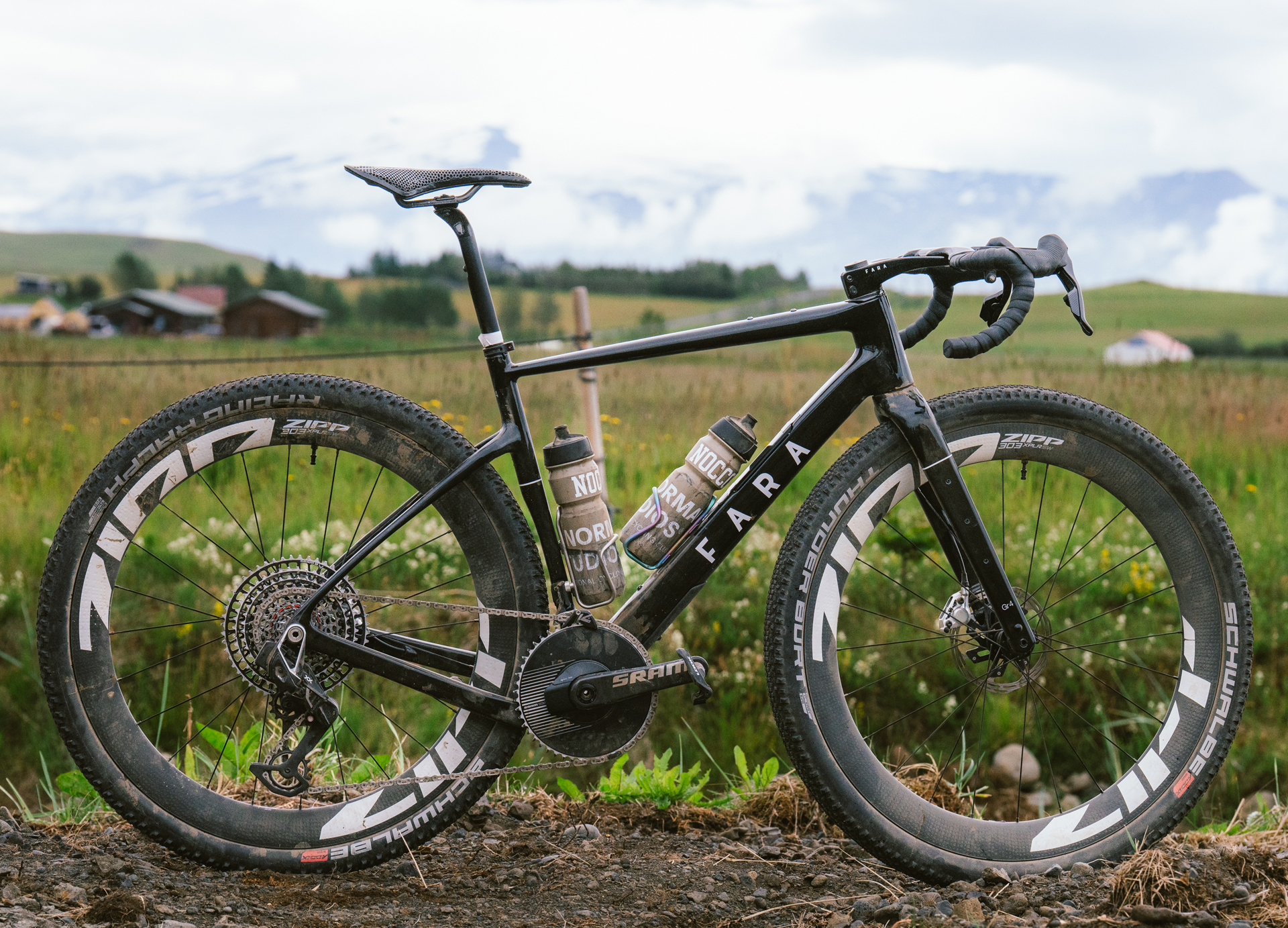
Credit: www.cyclingweekly.com
Post-race Care
After crossing the finish line of a rainy bike race, your work isn’t done yet. Post-race care is crucial to keep both you and your bike in top shape for the next ride. Taking a few thoughtful steps can make a big difference in recovery and future performance.
Clean And Dry Your Bike
Rainy races mean your bike is covered in mud, water, and grit. Start by rinsing off the dirt with a gentle stream of water—avoid high pressure as it can force grime into bearings. Use a soft brush and bike-specific cleaner to scrub the frame, chain, and gears.
Once clean, dry your bike thoroughly with a clean cloth. Moisture left on metal parts can cause rust quickly. Don’t forget to lubricate the chain and moving parts after drying to prevent wear. Have you noticed how a well-maintained bike rides smoother and feels more responsive? That’s no coincidence.
Address Any Injuries
Riding in wet conditions increases your chance of slips and falls. Check yourself for scrapes, bruises, or any pain you might have ignored during the race. Clean wounds immediately with antiseptic to prevent infection, especially since wet environments can harbor bacteria.
If you feel lingering pain or swelling, consider applying ice and resting the area. Don’t push through severe discomfort—your body needs attention to heal properly. Have you ever ignored a small injury only to have it sideline you later? Taking care now saves you downtime.
Review Performance For Improvement
Post-race is the perfect time to analyze how you handled the wet conditions. Think about your bike handling, pacing, and gear choices. Did you struggle with traction or brake responsiveness? Jot down what worked and what didn’t.
Use this insight to adjust your training and equipment. Maybe switching to wider tires or practicing cornering in the rain will boost your confidence next time. What small change could make the biggest impact on your next rainy race?
Frequently Asked Questions
How Do I Dress For A Rainy Bike Race?
Wear waterproof and breathable clothing to stay dry. Use a rain jacket, gloves, and shoe covers. Bright colors improve visibility in low light. Dress in layers to regulate body temperature during the race.
What Bike Tires Work Best In Wet Conditions?
Choose tires with good tread to improve grip on wet roads. Wider tires at lower pressure increase surface contact. Avoid slick tires, as they reduce traction and increase slipping risk.
How Should I Adjust My Riding Style In Rain?
Ride cautiously and reduce speed to avoid slipping. Brake gently and early to prevent skidding. Avoid sharp turns and sudden movements. Stay alert for puddles and slippery surfaces.
How Can I Protect My Bike From Rain Damage?
Use fenders to reduce water splashing on your bike. Lubricate the chain and moving parts frequently. Clean and dry your bike promptly after the race to prevent rust and corrosion.
Conclusion
Preparing for a rainy bike race takes focus and care. Dress right to stay dry and warm. Check your bike tires for good grip. Practice riding safely on wet roads. Stay calm and keep your balance. Rain can slow you down, but don’t give up.
Enjoy the challenge and learn from the experience. Every race helps you become a better rider. Stay safe and have fun in the rain.



