
Wondering how much for bike tune up? Costs range from $50 to $150+ depending on service level and location. This guide breaks down pricing, what’s included, and how to save money with DIY options.
Key Takeaways
- Basic tune-ups cost $50–$80: Ideal for routine maintenance like brake checks, tire inflation, and chain lubrication.
- Mid-level service runs $80–$120: Includes wheel truing, gear adjustments, and drivetrain cleaning for smoother rides.
- Full overhauls can reach $150+: Best for older bikes or those needing deep cleaning, bearing repacking, or part replacements.
- DIY saves money long-term: Learning basic maintenance cuts costs and extends your bike’s life.
- Shop location affects price: Urban areas often charge 15–20% more than rural shops due to overhead.
- Seasonal timing matters: Spring tune-ups are busiest—book early or wait for off-season discounts.
- Ask for a detailed quote: Always request itemized pricing so you know exactly what you’re paying for.
How Much for Bike Tune Up? A Complete Cost Guide
If your bike feels sluggish, squeaks when you pedal, or just hasn’t been serviced in over a year, it’s probably time for a tune-up. But before you head to the shop, you’re likely asking: *How much for bike tune up?* The answer isn’t one-size-fits-all—it depends on your bike type, the level of service needed, and where you live. In this guide, we’ll walk you through average costs, what each service includes, and how to decide whether to DIY or hire a pro.
Whether you’re a weekend cruiser, a daily commuter, or a mountain trail enthusiast, keeping your bike in top shape ensures safety, comfort, and longevity. A proper tune-up can prevent costly repairs down the road and make every ride more enjoyable. Let’s break down the numbers so you can budget wisely and ride confidently.
What’s Included in a Bike Tune-Up?
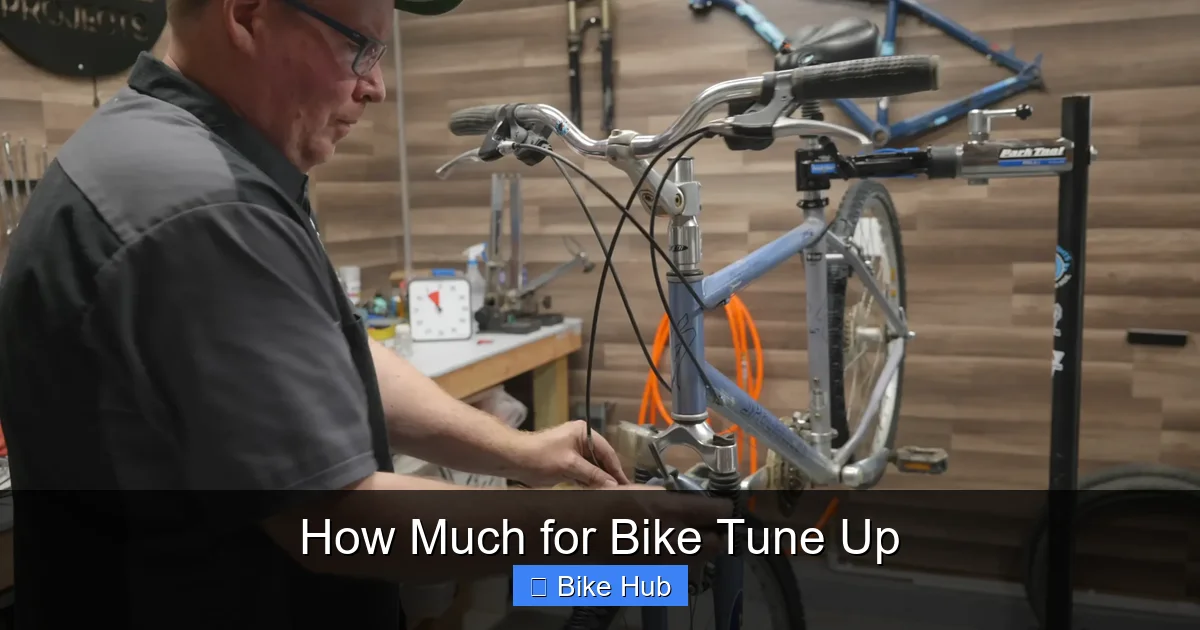
Visual guide about How Much for Bike Tune Up
Image source: stringbike.com
Not all tune-ups are created equal. Bike shops typically offer three tiers of service: basic, standard, and premium. Understanding what each level covers helps you choose the right option—and avoid paying for unnecessary extras.
Basic Tune-Up ($50–$80)
This is the entry-level service, perfect for bikes that are relatively new or well-maintained. It’s ideal if you ride regularly but haven’t noticed major issues.
A basic tune-up usually includes:
- Checking and inflating tires to correct pressure
- Inspecting brakes for pad wear and alignment
- Lubricating the chain and drivetrain
- Testing gears for smooth shifting
- Tightening bolts on handlebars, seat, and pedals
- Quick safety inspection (lights, reflectors, frame cracks)
This service takes about 30–45 minutes and is great for commuters or casual riders who want peace of mind without breaking the bank.
Standard Tune-Up ($80–$120)
The most popular option, the standard tune-up goes deeper than the basics. It’s recommended every 6–12 months or after heavy use.
In addition to everything in the basic package, you’ll typically get:
- Wheel truing (straightening wobbly wheels)
- Full drivetrain cleaning and degreasing
- Gear and brake cable adjustments
- Brake pad alignment and tension tuning
- Headset and bottom bracket inspection
- Lubrication of pivot points and cables
This level is ideal if your bike has started to feel “off”—maybe the gears hesitate, or the brakes squeal. It’s also a smart choice before long rides or events. For example, if you’re preparing for a multi-day tour, consider pairing this with our guide on how to pack bike for touring with rack to ensure everything is secure and balanced.
Premium or Full Overhaul ($120–$200+)
This is the full spa treatment for your bike. It’s best for older bikes, those stored for long periods, or machines with performance issues.
A premium tune-up includes:
- Complete disassembly of key components
- Deep cleaning of frame, wheels, and drivetrain
- Repacking or replacing headset, bottom bracket, and hub bearings
- Replacing worn cables and housing
- Wheel dishing and tensioning
- Detailed inspection for frame damage or fatigue
This service can take 2–3 hours and is often worth it if your bike hasn’t been serviced in years. Think of it as a reset—your bike will feel like new again.
Factors That Affect Tune-Up Pricing
Visual guide about How Much for Bike Tune Up
Image source: stringbike.com
Now that you know the service tiers, let’s look at what influences the final price tag.
Bike Type
Road bikes, mountain bikes, hybrids, and e-bikes each have different complexity levels. For example, a mountain bike with suspension forks and hydraulic disc brakes may cost 10–15% more to service than a simple road bike. E-bikes often require specialized knowledge and tools, which can add $20–$40 to the bill.
Shop Location
Urban bike shops in cities like New York, San Francisco, or Chicago tend to charge more due to higher rent and labor costs. Expect to pay 15–20% above national averages in these areas. In contrast, rural or suburban shops may offer lower rates but fewer specialized services.
Seasonal Demand
Spring is peak season for bike tune-ups. As riders emerge from winter storage, shops get busy—and prices may rise slightly due to demand. If you can wait, consider scheduling your service in late fall or winter for potential discounts. Some shops offer “off-season specials” to keep technicians busy.
Parts and Upgrades
If your tune-up reveals worn parts—like brake pads, cables, or a chain—replacement costs are usually extra. Always ask for an estimate before approving any additional work. For instance, a new chain might add $25–$50, while hydraulic brake bleeding could cost $30–$60 per wheel.
DIY vs. Professional Tune-Up: Which Is Right for You?
One of the biggest decisions is whether to do it yourself or hire a pro. Both options have pros and cons.
Pros of DIY
- Cost savings: You only pay for parts and tools, not labor.
- Learning experience: You’ll understand your bike better and spot issues early.
- Convenience: Work on your schedule, no need to drop off or wait.
Cons of DIY
- Time and effort: A full tune-up can take 2–4 hours if you’re learning.
- Tool investment: Quality tools (like a chain checker, torque wrench, or cable cutter) can cost $100+ upfront.
- Risk of mistakes: Incorrect adjustments can lead to safety issues or damage.
If you’re new to bike maintenance, start small. Learn to clean your chain, fix a flat, and adjust brakes. Over time, you’ll build confidence. For help getting started, check out our guide on the best bike tool kit for beginners—it lists essential tools and budget-friendly options.
For complex tasks like wheel truing or hydraulic brake servicing, it’s often safer to let a professional handle it—especially if you rely on your bike for daily commuting.
How to Save Money on Your Next Tune-Up
You don’t need to break the bank to keep your bike running well. Here are practical ways to reduce costs:
1. Learn Basic Maintenance
Spend a weekend learning how to clean your drivetrain, adjust derailleurs, and true a wheel. YouTube tutorials and local bike co-ops often offer free workshops. The more you can do yourself, the less you’ll pay in labor.
2. Bundle Services
Some shops offer discounts if you combine a tune-up with other services, like a new tire installation or brake pad replacement. Ask about package deals.
3. Shop Around
Get quotes from 2–3 local shops. Prices can vary significantly, even within the same city. Don’t forget to check reviews—cheaper isn’t always better if the quality suffers.
4. Time It Right
As mentioned earlier, avoid spring rush. Call in January or February and ask if they offer winter tune-up specials. Some shops even provide 10–15% off during slower months.
5. Maintain Regularly
A little care goes a long way. Wipe down your bike after rainy rides, lubricate the chain monthly, and check tire pressure weekly. This prevents major issues and keeps your bike in tune-up-ready condition.
For example, if you ride in wet conditions, consider reading our guide on how to layer clothing for cycling in the rain to stay dry—and reduce wear on your bike from moisture exposure.
Troubleshooting Common Tune-Up Issues
Even after a tune-up, you might notice lingering problems. Here’s how to address them:
Gears Still Skipping?
This could mean your chain is worn. Use a chain checker tool—if it’s stretched beyond 0.75%, replace it. A worn chain damages the cassette, leading to costly repairs.
Brakes Feel Spongy?
Air may be trapped in hydraulic lines. This requires a bleed, which most shops can do for $30–$60 per wheel. If you have mechanical brakes, check cable tension and pad alignment.
Wheels Still Wobble?
Minor wobbles can often be fixed with truing. But if the rim is cracked or the hub is loose, you may need a new wheel or bearing service.
Squeaky Chain?
It might just need lubrication. But if the noise persists, check for dirt buildup or a dry bottom bracket.
Final Thoughts: Is a Tune-Up Worth It?
Absolutely. A well-maintained bike is safer, more efficient, and more fun to ride. Whether you pay $50 for a basic check or $150 for a full overhaul, the investment pays off in performance and longevity.
Remember, how much for bike tune up isn’t just about the price—it’s about value. A $100 tune-up that prevents a $300 repair is a smart move. And if you’re planning a big ride, like a mountain adventure, make sure your bike is ready by reviewing our tips on how to prepare a mountain bike for long rides.
Ultimately, the best tune-up is the one that matches your needs, budget, and riding style. Don’t wait until something breaks—schedule regular maintenance and enjoy every mile with confidence.



