
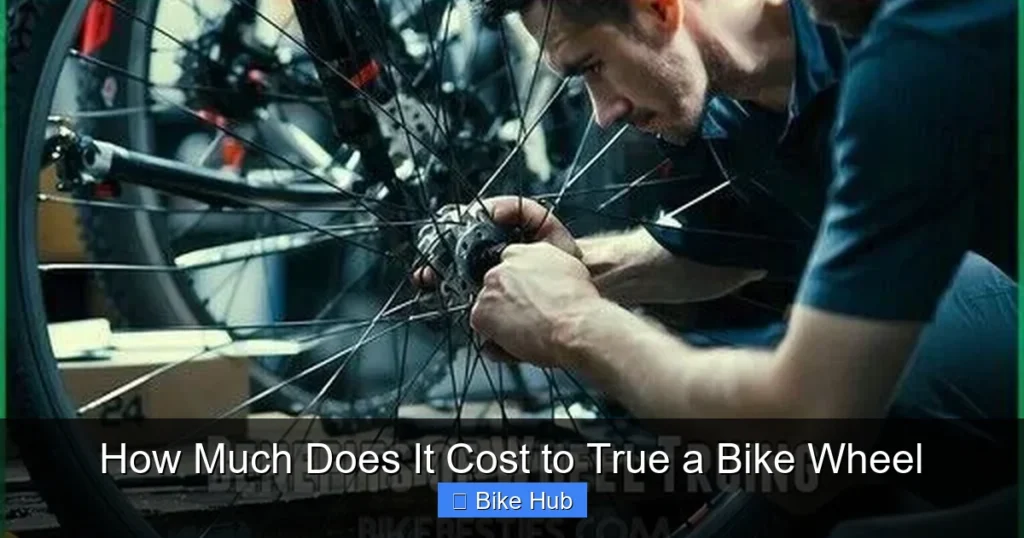
Truing a bike wheel keeps your ride smooth and safe. This guide breaks down the cost—whether you do it yourself or hire a pro—and explains what affects the price.
Key Takeaways
- Professional wheel truing typically costs $15–$40 per wheel, depending on the shop and severity of the wobble.
- DIY truing is free if you already have tools, but buying a truing stand and spoke wrench may cost $30–$100 upfront.
- Minor wobbles can often be fixed at home with basic tools and patience, saving you money and time.
- Severe damage like broken spokes or bent rims may require professional help or even wheel replacement.
- Regular maintenance prevents costly repairs—check your wheels monthly for early signs of misalignment.
- Learning to true your own wheels builds confidence and helps you handle other bike repairs too.
- Some bike shops offer free truing with tire changes or tune-ups—always ask before paying!
How Much Does It Cost to True a Bike Wheel? A Complete Guide
Ever felt your bike wobble side to side when you ride? That’s likely a wheel that needs truing—a process of adjusting the tension in the spokes to straighten the wheel. Whether you’re a weekend warrior or a daily commuter, knowing how much it costs to true a bike wheel helps you make smart decisions about maintenance. In this guide, we’ll walk you through everything: from DIY costs to professional pricing, tools you’ll need, and when it’s time to call in an expert.
What Is Wheel Truing?
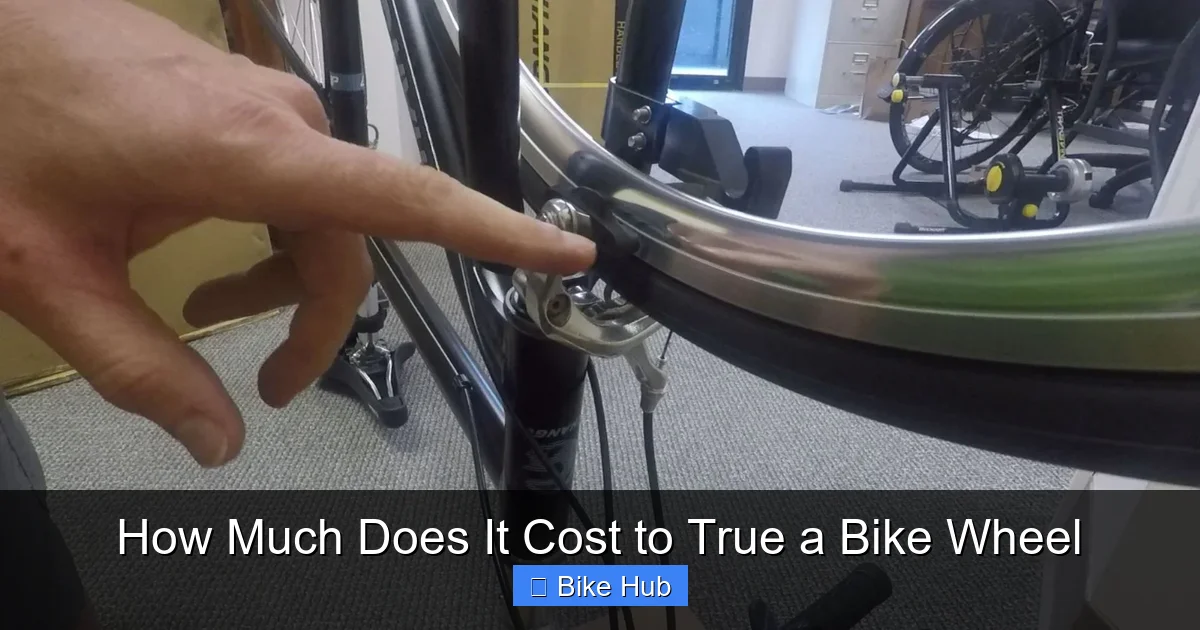
Wheel truing is the process of aligning a bike wheel so it spins straight without wobbling side to side (lateral truing) or up and down (radial truing). Over time, normal riding—especially over bumps, potholes, or during hard braking—can loosen spokes and cause the wheel to go out of true. A well-trued wheel improves handling, reduces tire wear, and prevents further damage.
Visual guide about How Much Does It Cost to True a Bike Wheel
Image source: flatbike.com
Most wheels can be trued multiple times, but severe damage like a cracked rim or multiple broken spokes may mean it’s time for a new wheel. The good news? Minor wobbles are common and usually easy to fix.
How Much Does Professional Wheel Truing Cost?
If you take your bike to a local shop, expect to pay $15 to $40 per wheel for truing. The exact cost depends on several factors:
Visual guide about How Much Does It Cost to True a Bike Wheel
Image source: electricalwheel.com
- Shop location: Urban shops may charge more than rural ones.
- Severity of the wobble: A slight wobble is cheaper to fix than a severely bent wheel.
- Labor rates: Some shops charge by the hour, others have flat rates.
- Bike type: Road bikes, mountain bikes, and e-bikes may have different pricing.
Many shops include a basic truing in a standard tune-up (usually $50–$100), so if your bike needs other work, bundling services can save money. Also, some shops offer free truing with tire replacements or wheel installations—always ask!
DIY Wheel Truing: Cost and Tools
Doing it yourself is the most cost-effective option—especially if you ride regularly. The cost depends on whether you already own the tools.
Essential Tools for DIY Truing
- Spoke wrench: $5–$15. This small tool fits onto the spoke nipples and lets you tighten or loosen spokes. Get one that matches your spoke nipple size (usually 3.2mm or 3.3mm).
- Truing stand: $30–$100. This holds the wheel steady while you spin it and check for wobbles. Entry-level stands work fine for home use.
- Zip ties or tape (optional): If you don’t have a truing stand, you can use zip ties attached to the frame or fork as a reference point.
If you already have these tools, truing your wheel costs $0 in labor—just your time. But even if you buy everything new, the total is usually under $100, and the tools last for years.
Step-by-Step: How to True a Bike Wheel at Home
Ready to try it yourself? Here’s a simple guide to truing your wheel without a professional.
Step 1: Remove the Wheel
Flip your bike upside down or use a bike stand. Release the brake (if needed), then remove the wheel. For rear wheels, shift into the smallest cog to make removal easier.
Step 2: Inspect the Wheel
Spin the wheel and look for:
- Side-to-side wobble (lateral runout)
- Up-and-down hop (radial runout)
- Broken or loose spokes
If you see broken spokes, replace them first. A wheel with multiple broken spokes may need professional attention.
Step 3: Set Up Your Truing Stand (or DIY Alternative)
Mount the wheel in a truing stand. If you don’t have one, use zip ties attached to the fork or frame as reference points. The goal is to have a fixed point close to the rim to detect wobbles.
Step 4: Identify the Wobble
Spin the wheel slowly. Watch where the rim moves toward or away from your reference point. Mark the spot with tape if needed.
Step 5: Adjust the Spokes
To correct a wobble:
- If the rim moves toward the left, tighten the spokes on the right side or loosen those on the left.
- If the rim moves toward the right, tighten the spokes on the left or loosen those on the right.
Make small adjustments—quarter turns at a time. Over-tightening can damage the rim or break spokes.
Step 6: Check Radial Truing (Up-and-Down)
Look for high and low spots. To lower a high spot, loosen spokes in that area. To raise a low spot, tighten them. Again, go slow and check often.
Step 7: Recheck and Repeat
Spin the wheel after each adjustment. It may take several rounds to get it perfectly true. Patience is key!
Step 8: Reinstall the Wheel
Once the wheel spins straight, reinstall it, reattach the brake, and take a short test ride. Listen for rubbing and check alignment.
When to Call a Professional
DIY truing works great for minor issues, but sometimes you need an expert. Consider professional help if:
- The wheel has a severe bend or crack
- Multiple spokes are broken
- You’ve tried truing but the wobble returns
- The rim is worn or damaged
In these cases, the cost of truing might not be worth it. A new wheel could be a better investment. For example, a basic replacement wheel starts around $50, while high-end models can cost $200 or more.
Troubleshooting Common Truing Problems
Problem: Wheel Still Wobbles After Adjustments
This could mean the rim is too damaged or the spoke tension is uneven. Try re-checking all spokes for consistent tightness. If the problem persists, consult a shop.
Problem: Spokes Keep Loosening
This often happens if the wheel wasn’t properly stress-relieved after truing. After adjustments, squeeze pairs of spokes together to settle them. This helps distribute tension evenly.
Problem: Brake Rubs After Truing
You may have shifted the wheel slightly. Re-center the wheel in the dropouts or adjust the brake calipers. For more on brake alignment, check out our guide on how to fix bike wheel wobble.
Tips to Prevent Wheel Wobbles
Prevention is cheaper than repair! Follow these tips to keep your wheels true longer:
- Check wheel alignment monthly
- Avoid potholes and curbs when possible
- Keep tires properly inflated—underinflated tires increase rim stress
- Use a bike pump with a pressure gauge for accuracy
- Store your bike properly—hanging or using a stand reduces wheel stress
For long-term care, regular maintenance is key. Learn more in our guide on how to maintain bike wheels.
Is DIY Truing Worth It?
Absolutely—if you ride often. The initial tool cost pays off after just a few truings. Plus, you’ll gain confidence in handling other repairs, like fixing a flat or adjusting brakes. And if you’re preparing for a long ride, knowing how to true a wheel can save you from being stranded. Check out our tips on how to prepare a mountain bike for long rides for more essential skills.
Final Thoughts
So, how much does it cost to true a bike wheel? If you go to a shop, expect to pay $15–$40. If you do it yourself, the cost is minimal—especially if you already have tools. With a little practice, truing your own wheels is a rewarding skill that saves money and keeps your bike running smoothly.
Remember: a true wheel means a safer, smoother ride. Whether you’re commuting, racing, or exploring trails, take a few minutes each month to check your wheels. Your bike—and your wallet—will thank you.



