
Biking 40 miles typically takes between 2.5 to 4 hours, depending on your fitness level, bike type, terrain, and weather. This guide breaks down the variables that impact ride time and offers practical tips to help you prepare, stay safe, and enjoy the journey.
Key Takeaways
- Average time ranges from 2.5 to 4 hours: Most recreational cyclists complete 40 miles in this window, while experienced riders may finish faster.
- Fitness level is a major factor: Stronger cardiovascular endurance and leg strength directly improve your speed and stamina.
- Bike type matters: Road bikes are faster than mountain or hybrid bikes due to lighter frames and smoother tires.
- Terrain and elevation affect pace: Flat routes are quicker; hills and rough trails slow you down significantly.
- Weather and wind play a role: Headwinds, heat, or rain can increase ride time and fatigue.
- Proper preparation reduces delays: Checking tire pressure, packing essentials, and warming up prevent mid-ride issues.
- Nutrition and hydration are essential: Fueling your body helps maintain energy and avoid cramps or burnout.
How Long Does It Take to Bike 40 Miles?
If you’re planning a 40-mile bike ride, one of the first questions you’ll ask is: “How long will this take?” The answer isn’t one-size-fits-all. While the average cyclist completes 40 miles in about 3 hours, your actual time will depend on several factors—your fitness, the bike you’re riding, the route, and even the weather.
In this guide, we’ll walk you through everything you need to know to estimate your ride time, prepare effectively, and finish strong. Whether you’re training for a long-distance event or just exploring scenic trails, understanding these elements will help you set realistic expectations and enjoy the ride.
Step 1: Estimate Your Average Speed
Your speed is the biggest determinant of how long your 40-mile ride will take. Most recreational cyclists ride at an average speed of 10 to 14 miles per hour (mph). At 12 mph, a 40-mile ride takes about 3 hours and 20 minutes. More experienced riders often average 15 to 18 mph, cutting the time down to 2 hours and 15 minutes to 2 hours and 40 minutes.
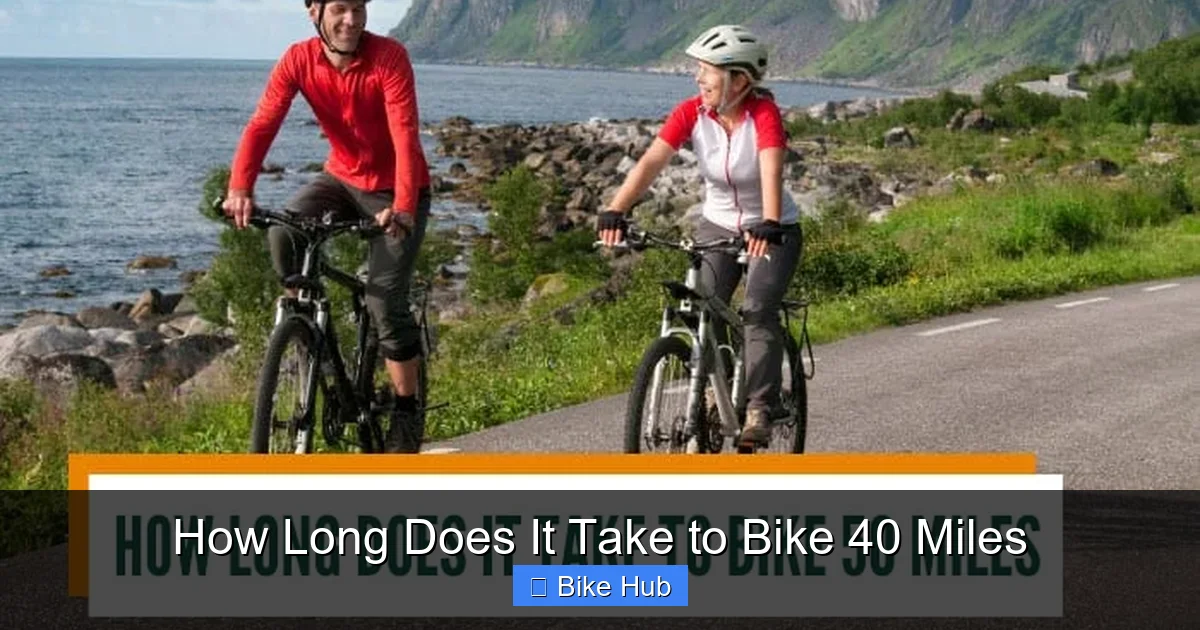
Visual guide about How Long Does It Take to Bike 40 Miles
Image source: biketoworkday.us
How to Calculate Ride Time
Use this simple formula:
Time = Distance ÷ Speed
For example:
40 miles ÷ 12 mph = 3.33 hours (or 3 hours and 20 minutes)
Try plugging in your own average speed to get a personalized estimate.
Track Your Speed Accurately
Use a bike computer, smartphone app, or GPS watch to monitor your speed in real time. Apps like Strava or MapMyRide can also analyze your past rides to give you a reliable average. If you’re new to cycling, start with shorter rides to build up your pace before tackling 40 miles.
Step 2: Consider Your Fitness Level
Your physical condition plays a huge role in how quickly—and comfortably—you can complete 40 miles. Beginners may find the ride challenging and take closer to 4 hours, while seasoned cyclists breeze through in under 2.5 hours.
Build Endurance Gradually
If you’re not used to long rides, don’t jump straight into 40 miles. Start with 10- or 15-mile rides and increase your distance by 10% each week. This helps your muscles, heart, and lungs adapt without overtraining.
Include Strength and Cardio Training
Incorporate leg workouts (like squats and lunges) and cardio exercises (such as running or swimming) into your routine. Stronger muscles mean more power per pedal stroke, and better cardiovascular health means you can sustain your effort longer.
Step 3: Choose the Right Bike
The type of bike you ride significantly impacts your speed and comfort over 40 miles. Here’s how different bikes compare:
- Road bikes: Lightweight with thin, smooth tires. Ideal for paved roads. Average speed: 15–18 mph.
- Hybrid bikes: Comfortable and versatile, but heavier. Average speed: 12–15 mph.
- Mountain bikes: Built for rough terrain with wide, knobby tires. Slower on pavement. Average speed: 8–12 mph.
- Recumbent bikes: Offer great back support but are less aerodynamic. Average speed: 10–14 mph.
Maintain Your Bike for Optimal Performance
A well-maintained bike rides smoother and faster. Regularly check your tire pressure, clean your drivetrain, and lubricate the chain. For mountain bikers, preparing your bike for long rides includes inspecting suspension and ensuring gears shift smoothly.
Step 4: Evaluate the Route and Terrain
Not all 40-mile routes are created equal. Flat, paved roads let you maintain speed, while hilly or gravel paths slow you down.
Use Mapping Tools to Plan
Apps like Google Maps, Ride with GPS, or Komoot show elevation profiles and surface types. Look for routes with minimal elevation gain if you want a faster ride. For example, a flat 40-mile loop might take 2.5 hours, while a hilly one could take 3.5 hours or more.
Practice on Similar Terrain
If your goal ride includes hills, train on similar inclines. Hill climbing builds leg strength and teaches you pacing strategies—like standing on steep climbs or shifting to lower gears early.
Step 5: Prepare for Weather Conditions
Weather can make or break your ride time. Hot temperatures increase fatigue, while headwinds can feel like riding uphill. Rain makes roads slippery and reduces visibility.
Dress Appropriately
Wear moisture-wicking clothing in summer and layer up in cooler weather. A lightweight windbreaker helps in windy conditions. Don’t forget sunscreen and sunglasses.
Adjust Your Expectations
If it’s windy or hot, add 15–30 minutes to your estimated time. For rainy conditions, consider postponing or choosing a safer route. If you must ride in the rain, prepare for wet conditions with fenders, lights, and waterproof gear.
Step 6: Pack Smart and Stay Fueled
Long rides demand energy and focus. Skipping meals or forgetting water can lead to fatigue, cramps, or even dizziness.
Bring the Essentials
Pack a hydration pack or water bottles, energy bars or gels, a small first-aid kit, and a multi-tool. If you’re riding far from home, carry a spare tube and a mini pump—knowing how to fix a flat can save you hours.
Eat Before and During the Ride
Eat a balanced meal 2–3 hours before riding (carbs, protein, healthy fats). During the ride, consume 30–60 grams of carbs per hour—think bananas, energy gels, or granola bars. Drink water regularly, even if you don’t feel thirsty.
Step 7: Warm Up and Cool Down
Jumping on your bike cold increases injury risk and reduces performance. A proper warm-up prepares your muscles and heart.
Do a 10-Minute Warm-Up
Start with 5 minutes of easy pedaling, then do dynamic stretches like leg swings and torso twists. This boosts blood flow and flexibility.
Cool Down After the Ride
Spend 10 minutes riding slowly, then stretch your quads, hamstrings, and calves. This helps reduce soreness and speeds recovery.
Troubleshooting Common Issues
Even with the best planning, things can go wrong. Here’s how to handle common problems:
- Flat tire: Carry a spare tube and know how to replace it. Practice at home first.
- Chain slips or breaks: Keep your drivetrain clean and lubricated. A quick-link can help reattach a broken chain.
- Muscle cramps: Stop, stretch, and hydrate. Electrolyte drinks can help prevent future cramps.
- Getting lost: Use a GPS device or phone app with offline maps. Always tell someone your route and expected return time.
- Overheating: Take breaks in the shade, pour water on your head, and slow your pace.
Conclusion
So, how long does it take to bike 40 miles? For most people, the answer is between 2.5 and 4 hours—but your personal time depends on fitness, bike type, terrain, and preparation. By understanding these factors and planning ahead, you can set realistic goals, avoid common pitfalls, and enjoy every mile.
Whether you’re cycling for fitness, fun, or competition, the key is consistency and smart preparation. Start training early, maintain your bike, fuel your body, and respect the conditions. With the right mindset and gear, 40 miles isn’t just achievable—it’s an adventure waiting to happen.



