
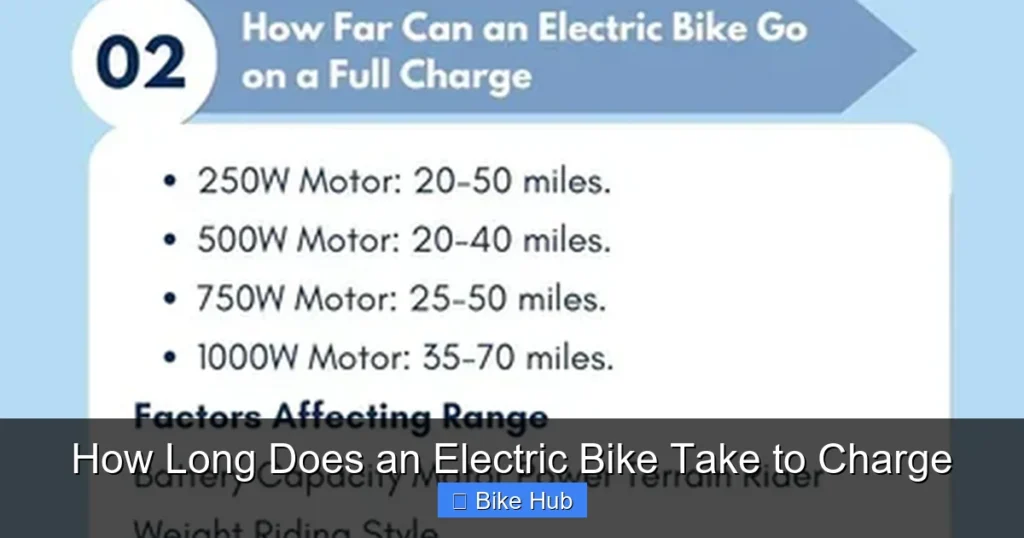
Charging an electric bike battery typically takes 3 to 6 hours, depending on battery size, charger type, and charge level. Understanding your e-bike’s specs and using proper charging habits can help extend battery life and ensure reliable performance on every ride.
Key Takeaways
- Battery capacity matters: Larger batteries (e.g., 750Wh) take longer to charge than smaller ones (e.g., 400Wh).
- Charger amperage affects speed: A 4A charger charges faster than a 2A charger, cutting time nearly in half.
- Partial charging is fine: You don’t need to charge from 0% to 100% every time—topping up is safe and convenient.
- Avoid extreme temperatures: Charging in very hot or cold conditions can slow charging and damage the battery.
- Use the right charger: Always use the manufacturer-recommended charger to prevent overheating or undercharging.
- Store batteries properly: For long-term storage, keep the battery at 50–70% charge in a cool, dry place.
- Monitor battery health: Regular checks help spot issues early and maintain optimal charging performance.
How Long Does an Electric Bike Take to Charge?
If you’re new to electric bikes or just curious about battery care, one of the most common questions is: How long does an electric bike take to charge? The answer isn’t one-size-fits-all—it depends on several factors like battery size, charger type, and how depleted the battery is. But don’t worry—this guide will walk you through everything you need to know to charge your e-bike efficiently and safely.
On average, most electric bike batteries take between 3 to 6 hours to charge from empty to full. However, many riders only need a partial charge, which can take as little as 1 to 2 hours. Understanding the variables that influence charging time will help you plan your rides, extend your battery’s lifespan, and avoid common pitfalls.
What Affects E-Bike Charging Time?
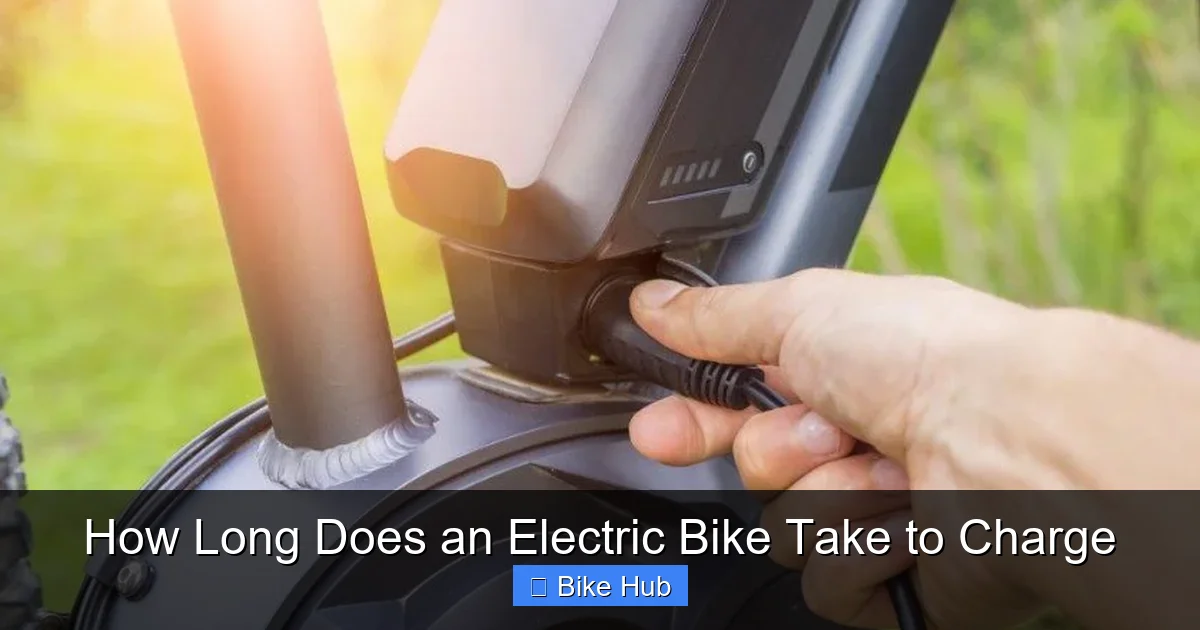
Visual guide about How Long Does an Electric Bike Take to Charge
Image source: electricalwheel.com
Several key factors determine how long your electric bike battery will take to charge. Let’s break them down.
Battery Capacity (Measured in Watt-Hours)
The most important factor is the battery’s capacity, measured in watt-hours (Wh). Think of this as the “fuel tank” size of your e-bike. A higher Wh rating means more energy storage—and longer charging time.
For example:
– A 400Wh battery might take 3–4 hours to charge.
– A 750Wh battery could take 5–6 hours or more.
You can usually find the battery capacity in your e-bike’s manual or on the battery label. If you’re comparing models, this number helps you estimate both range and charging needs.
Charger Output (Amperage)
Not all chargers are created equal. The charger’s output, measured in amps (A), directly affects charging speed.
– A 2A charger delivers 2 amps of current and is common with entry-level e-bikes. It’s slower but gentler on the battery.
– A 4A charger delivers twice the current, cutting charging time significantly—often by 40–50%.
For instance, a 500Wh battery with a 2A charger might take 5 hours, but with a 4A charger, it could drop to just 2.5–3 hours. Always use the charger that came with your bike or one recommended by the manufacturer.
Current Battery Charge Level
You don’t always need to charge from 0% to 100%. In fact, most riders charge from 20% to 80%, which is faster and better for battery health. Charging from 50% to 100% takes less time than from 0% to 100%, so partial top-ups are both convenient and efficient.
Battery Chemistry and Age
Most e-bikes use lithium-ion batteries, which charge efficiently and hold their charge well. However, as batteries age, their capacity decreases. An older battery may take longer to charge or not reach full capacity, even after a full charge cycle.
Step-by-Step Guide to Charging Your Electric Bike
Visual guide about How Long Does an Electric Bike Take to Charge
Image source: ridereview.com
Charging your e-bike is simple, but following best practices ensures safety and longevity. Here’s how to do it right.
Step 1: Check the Battery and Charger
Before plugging in, inspect both the battery and charger for damage. Look for cracks, frayed wires, or loose connections. Never use a damaged charger—it can overheat or cause a fire.
Also, make sure the charger matches your battery’s voltage (usually 36V or 48V). Using the wrong charger can damage the battery or reduce its lifespan.
Step 2: Choose the Right Environment
Charge your e-bike in a cool, dry place—ideally between 50°F and 77°F (10°C to 25°C). Avoid charging in direct sunlight, near heaters, or in freezing garages. Extreme temperatures can slow charging and harm the battery.
If your battery is cold (e.g., after a winter ride), let it warm up to room temperature before charging.
Step 3: Plug In the Charger
Most e-bikes allow you to charge the battery while it’s on the bike or after removing it. If you remove the battery, store it in a safe, dry spot.
Connect the charger to the battery first, then plug it into the wall outlet. Some chargers have indicator lights—green usually means fully charged, red or orange means charging.
Step 4: Monitor the Charging Process
While modern chargers are designed to stop when the battery is full, it’s still a good idea to check periodically. Overcharging is rare with quality lithium-ion batteries, but leaving a battery plugged in for days can stress it.
Aim to unplug once the light turns green. If you’re topping up for a short ride, you can unplug earlier—no need to wait for 100%.
Step 5: Store or Ride
Once charged, you’re ready to ride! If you’re not using the bike right away, store the battery at 50–70% charge in a cool place. This helps preserve its health over time.
For long-term storage (e.g., winter), check the charge every few weeks and top it up if it drops below 40%. You can learn more about proper storage in our guide on how to store bike components for long-term.
Tips to Speed Up Charging (Safely)
Want to charge faster without risking damage? Try these smart tips.
Use a Higher-Amperage Charger (If Compatible)
If your e-bike supports it, a 4A charger can significantly reduce charging time. Check your manual or contact the manufacturer before upgrading.
Avoid Charging in Extreme Temperatures
Cold slows chemical reactions in the battery, while heat can cause overheating. Charge indoors when possible.
Keep the Battery Clean and Dry
Dirt and moisture can interfere with connections. Wipe the battery terminals with a dry cloth before charging.
Charge After Every Ride (If Needed)
You don’t need to wait until the battery is empty. Charging after each ride keeps it ready and reduces deep discharge cycles, which can wear out the battery faster.
Troubleshooting Common Charging Issues
Sometimes, charging doesn’t go as planned. Here’s how to fix common problems.
Battery Won’t Charge
– Check the power outlet—try a different one.
– Ensure the charger is properly connected.
– Look for error lights on the charger or battery.
– If the battery is deeply discharged (below 10%), it may need a “wake-up” charge. Leave it plugged in for 10–15 minutes before checking again.
Charger Gets Very Hot
Some heat is normal, but if the charger is too hot to touch, unplug it immediately. It could be faulty or incompatible. Replace it with a manufacturer-approved model.
Battery Charges Slowly
– The battery may be old or damaged.
– The charger might be low-amperage.
– Cold temperatures could be slowing the process.
If slow charging persists, have the battery tested by a professional.
Battery Doesn’t Hold a Charge
This is often a sign of battery aging. Lithium-ion batteries typically last 500–1,000 charge cycles. If your battery drains quickly even after a full charge, it may be time for a replacement.
How to Extend Your E-Bike Battery’s Lifespan
Charging habits play a big role in how long your battery lasts. Follow these tips to get the most out of it.
Avoid Full Discharges
Try not to let the battery drop below 20%. Frequent deep discharges stress the cells and shorten lifespan.
Don’t Leave It Plugged In Overnight
While modern chargers prevent overcharging, it’s still best to unplug once full. Leaving it connected for days can cause minor stress over time.
Store at Partial Charge
For storage longer than a month, keep the battery at 50–70%. This reduces chemical degradation.
Use the Right Charger
Never use a generic or third-party charger unless it’s certified for your bike. The wrong voltage or amperage can damage the battery.
Keep It Clean and Dry
Moisture and dirt can corrode connections. Store your e-bike in a dry place and clean the battery terminals regularly.
For more on maintaining your e-bike, check out our guide on how to maintain bike wheels and other components.
Conclusion
So, how long does an electric bike take to charge? Most e-bikes need 3 to 6 hours for a full charge, but you can often get enough power for a short ride in just 1 to 2 hours. The key is understanding your battery’s capacity, using the right charger, and charging in the right conditions.
By following best practices—like avoiding extreme temperatures, not overcharging, and storing the battery properly—you’ll keep your e-bike running smoothly for years. And remember, partial charging is not only safe but often better for battery health.
Whether you’re commuting, exploring trails, or just enjoying a weekend ride, knowing how to charge your e-bike efficiently means less downtime and more time on the road. For riders preparing for long journeys, don’t miss our tips on how to prepare a mountain bike for long rides—many of the principles apply to e-bikes too.
With the right care, your electric bike battery will deliver reliable performance, ride after ride.



