
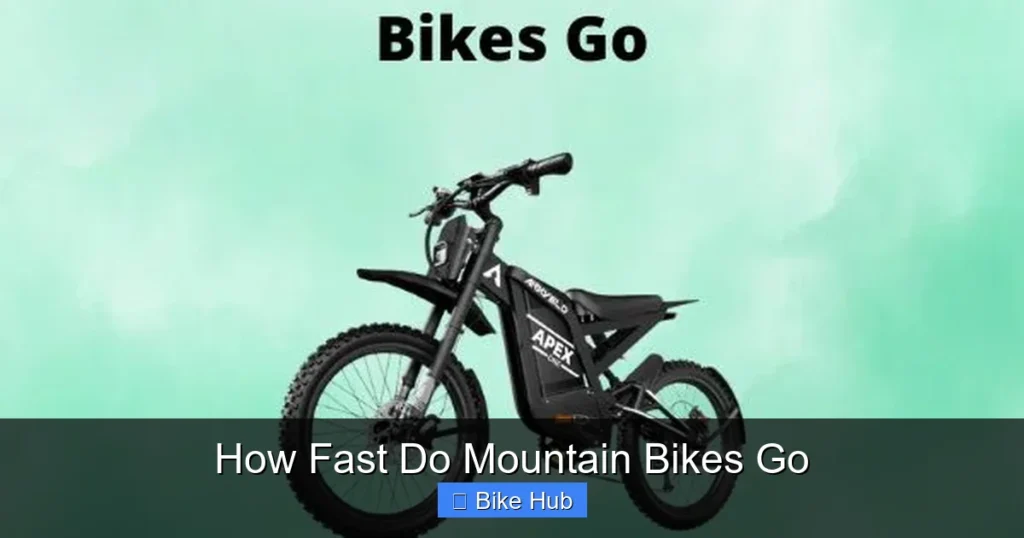
Mountain bikes can reach speeds from 10 to over 50 mph, depending on terrain, rider skill, and bike type. This guide breaks down real-world speeds, factors that influence performance, and how to ride faster safely.
[FEATURED_IMAGE_PLACEHOUNDER]
Key Takeaways
- Speed varies widely: Most recreational riders average 8–15 mph on trails, while downhill pros can exceed 50 mph.
- Bike type matters: Hardtail, full-suspension, and downhill bikes are built for different speeds and terrains.
- Tire choice affects speed: Knobby tires slow you down on pavement but boost grip on dirt; slicker tires help on smoother trails.
- Gear ratios impact acceleration: Bikes with high gear ranges let you go faster on descents and flat sections.
- Rider fitness and technique are key: Even the best bike won’t go fast without proper body position, braking control, and pedaling efficiency.
- Trail conditions play a big role: Wet, rocky, or root-filled trails reduce speed; smooth singletrack allows faster riding.
- Preparation enhances performance: Regular maintenance, proper tire pressure, and packing essential tools help maintain speed and safety.
How Fast Do Mountain Bikes Go? A Complete Guide
If you’re new to mountain biking—or just curious about how fast these rugged machines can really go—you’ve come to the right place. Mountain bikes aren’t built for pure speed like road bikes, but they can still move surprisingly fast, especially when the trail drops downhill. In this guide, we’ll explore real-world speeds, what affects them, and how you can ride faster and safer on any terrain.
Whether you’re riding a hardtail on a forest loop or shredding a full-suspension beast down a mountain, understanding speed helps you choose the right bike, gear, and technique. Let’s dive in.
Average Speeds: What to Expect on the Trail
Mountain bike speeds depend heavily on the type of riding you’re doing. Here’s a quick breakdown:
Casual Trail Riding
Most weekend warriors and beginners ride at 8 to 12 mph on moderate singletrack. This pace lets you enjoy the scenery, navigate technical sections, and recover between climbs. On flatter, smoother trails, you might hit 15 mph with a good pedal stroke.
Visual guide about How Fast Do Mountain Bikes Go
Image source: vilanobikes.com
Cross-Country (XC) Riding
XC riders focus on endurance and efficiency. With lightweight bikes and efficient pedaling, speeds average 10 to 18 mph. Elite racers in events like the UCI Mountain Bike World Cup often maintain 15–20 mph over long distances.
Downhill and Freeride
This is where mountain bikes hit their top speeds. Downhill racers on steep, smooth tracks can reach 40 to 60 mph. The world record for downhill mountain biking is over 167 mph (on a modified bike with a ramp and wind assist), but in natural terrain, 50+ mph is common for experts.
Enduro and All-Mountain
These bikes balance climbing and descending. Riders typically average 10 to 16 mph, with short bursts up to 30 mph on fast descents.
What Affects How Fast a Mountain Bike Goes?
Speed isn’t just about pedaling hard. Several factors influence how fast your bike moves.
Bike Type and Design
The kind of mountain bike you ride plays a huge role. Hardtail bikes (with front suspension only) are lighter and more efficient on climbs, helping you maintain speed with less effort. Full-suspension bikes absorb bumps better, letting you ride faster over rough terrain without losing control.

Visual guide about How Fast Do Mountain Bikes Go
Image source: rcfact.com
Downhill bikes are built for speed on descents, with long travel suspension and strong frames. But they’re heavy and slow on climbs. If you want a balance, consider an enduro or trail bike.
Tire Choice and Pressure
Tires are your bike’s contact point with the ground. Knobby, aggressive treads give great grip on loose dirt but create more rolling resistance, slowing you down. For smoother trails or fire roads, consider semi-slick or low-profile tires to boost speed.
Proper tire pressure also matters. Too high, and you lose traction; too low, and you slow down and risk pinch flats. Adjust based on terrain—lower pressure for rough trails, higher for smooth or paved sections.
Gear Ratios and Drivetrain
Mountain bikes come with a wide range of gears. Bikes with high gear ratios let you spin faster on descents and flat sections. A 1x drivetrain (single front chainring) is simpler and lighter, while 2x systems offer more gear options for varied terrain.
Use your gears wisely. Shift early before climbs to maintain momentum, and drop into higher gears on descents to keep up with speed.
Rider Fitness and Technique
Even the best bike won’t go fast without a strong rider. Cardio fitness helps you sustain speed over long rides. Core strength keeps you stable on rough terrain. And proper technique—like leaning back on descents, keeping your eyes up, and using your legs as shocks—lets you ride faster and safer.
Want to improve? Practice smooth gear shifting and controlled braking. Avoid “death gripping” the handlebars—relax your arms to reduce fatigue and improve control.
Trail Conditions and Weather
Wet, muddy, or rocky trails slow you down. Roots, ruts, and loose gravel require slower, more careful riding. In contrast, smooth, hard-packed singletrack lets you open up and go fast.
Weather also plays a role. Rain makes trails slippery. Wind can slow you on exposed ridges. Always check conditions before heading out, and adjust your speed accordingly.
How to Ride Faster on a Mountain Bike
Want to pick up the pace? Here’s how to go faster without sacrificing safety.
1. Maintain Your Bike
A well-tuned bike rolls smoother and faster. Regularly clean and lubricate your chain, check brake pads, and ensure your suspension is properly set up. A dirty drivetrain or worn brakes can slow you down and be dangerous.
2. Optimize Tire Setup
Choose tires that match your terrain. For fast, dry trails, go with lighter, faster-rolling treads. Use a tire pressure app or guide to find the sweet spot for your weight and riding style.
3. Improve Your Body Position
On climbs, stay seated and keep your weight centered. On descents, shift your weight back, bend your knees, and lower your center of gravity. This improves balance and lets you ride faster through technical sections.
4. Use Efficient Pedaling
Spin at a steady cadence (70–90 RPM) instead of mashing big gears. This reduces fatigue and helps you maintain speed over long rides. Practice standing climbs for short bursts of power.
5. Plan Your Line
Look ahead and pick the smoothest, fastest path. Avoid braking in corners—slow down before, then accelerate out. Smooth riding is fast riding.
Troubleshooting Common Speed Issues
Why is my bike so slow on climbs?
Possible causes: incorrect gear selection, poor fitness, heavy bike, or low tire pressure. Try shifting to an easier gear early, lightening your load, and checking your tire pressure.
Why do I lose speed on descents?
You might be braking too much, riding in too low a gear, or not leaning back enough. Practice controlled descending and use your gears to match your speed.
Why does my bike feel sluggish on flat trails?
Check for brake drag, chain dirt, or under-inflated tires. Also, consider if your tires are too aggressive for the terrain.
Safety First: Speed Isn’t Everything
While it’s fun to go fast, safety should always come first. Always wear a helmet, ride within your skill level, and respect trail etiquette. Learn trail rules to share the path responsibly with hikers and other riders.
If you’re pushing your limits, carry essential tools and know how to fix a flat or adjust your brakes. Packing the right tools can save your ride—and keep you safe.
Conclusion
So, how fast do mountain bikes go? The answer depends on you, your bike, and the trail. Most riders cruise between 8 and 18 mph, while experts can hit 50+ mph on downhill runs. The key to going faster isn’t just a better bike—it’s smart setup, good technique, and regular maintenance.
Whether you’re chasing speed records or just want to enjoy a faster, smoother ride, use this guide to optimize your setup and skills. And remember: the best speed is the one that keeps you safe, in control, and having fun.
Ready to upgrade? Check out our picks for the best mountain bikes for ultra-marathon rides or learn how to choose the right mountain bike for your style.



