

Are you ready to explore the great outdoors on two wheels but unsure which mountain bike suits your adventure style? The choice between a hardtail and a full suspension mountain bike is a common dilemma for many cycling enthusiasts like you.
Each type offers unique benefits, and understanding these differences can elevate your biking experience to new heights. Imagine gliding over trails with ease, feeling every twist and turn, or tackling rough terrains with the confidence that your bike has got your back.
By the end of this article, you’ll know exactly which option aligns with your needs and enhances your outdoor escapades. So, keep reading to discover how the right choice can transform your rides and maximize your enjoyment on the trails.
Design And Structure
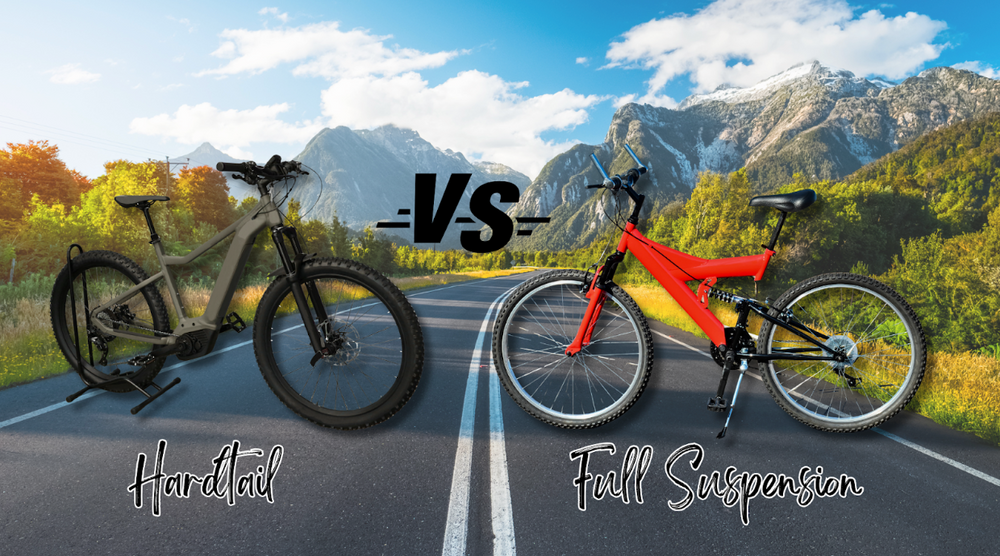
Hardtail mountain bikes feature a rigid rear, offering a simpler design for smoother trails. Full suspension bikes boast both front and rear suspension, enhancing control and comfort on rugged terrains.
Frame Composition
Hardtail bikes have a simple frame. It includes a front fork for shock absorption. The rear is rigid, providing stability. Full suspension bikes have a complex frame. They include both front and rear shocks. This offers better comfort on rough terrains. Hardtails are lighter due to fewer parts. Full suspension bikes can be heavier but offer more control.
Suspension Mechanisms
Hardtail bikes rely only on front suspension. This makes them ideal for smooth trails. Full suspension bikes have shocks in both front and back. They handle bumpy trails better. Hardtails require less maintenance. Full suspension bikes need regular care for their complex parts. Hardtails offer direct power transfer to the pedals. Full suspension bikes reduce fatigue on long rides.
Ride Experience
Hardtail mountain bikes offer a lightweight and efficient ride on smooth trails. In contrast, full suspension bikes provide better comfort and control on rough terrains. Choosing between them depends on your riding style and trail preferences.
Terrain Adaptability
Hardtail bikesare great for smooth trails and gentle paths. Their simple design means fewer parts can break. You feel the bumps more, but you learn to ride better. Full suspension bikeshave springs both front and back. This helps on rocky trails or bumpy paths. You ride smoother and stay balanced. Choose based on your favorite trails.
Comfort And Control
Hardtailsgive you direct contact with the ground. They can be less comfy on rough paths. You control them easily on flat trails. Full suspension bikessoak up bumps and jumps. You feel less shock, and you stay in control on rough paths. Both types have benefits; pick what suits your rides best.
Performance Factors
Choosing between hardtail and full suspension mountain bikes involves performance differences. Hardtail bikes are lighter and better for climbing. Full suspension bikes offer more comfort and control on rough terrains. Each type suits different riding styles and conditions.
Speed And Efficiency
Hardtail bikes are generally faster on flat surfaces. They weigh less because they have fewer parts. This makes them more efficient when pedaling uphill. Riders can go longer distances with less effort. Full suspension bikes provide a smoother ride on rocky trails. They absorb bumps better, keeping the rider comfortable. But they can be slower on smooth paths due to added weight.
Handling And Stability
Full suspension bikes offer better control on rough terrains. They keep both wheels on the ground, increasing stability. This is helpful when riding downhill or over rocks. Hardtail bikes can feel bumpy on uneven trails. But they are easier to handle on simple paths. They are also good for learning basic biking skills. Each type has its strengths based on the trail.

Credit: www.bikeradar.com
Maintenance Needs
Hardtail bikesare generally more durable. They have fewer moving parts. This means fewer things can break. Full suspension bikeshave more parts. They can wear out faster. Hardtails are tough and strong. They handle rough rides well. Full suspension bikes are softer. They need more care. Hardtails are easy to fix. Full suspension bikes can be tricky. Hardtails last longer. They need less maintenance.
Hardtail bikes are simple to repair. You don’t have to worry about complex parts. Full suspension bikes need special care. They have shocks and pivots. These parts need regular checks. Hardtails are cheaper to maintain. Full suspension bikes can be costly. Hardtails have fewer issues. Full suspension bikes need more attention. Hardtail repairs are quick. Full suspension repairs take time.
Cost Implications
Choosing between hardtail and full suspension mountain bikes affects your wallet. Hardtail bikes are generally cheaper, making them a budget-friendly choice. Full suspension bikes offer more comfort but come with higher costs due to complex design.
Initial Investment
Choosing between a hardtailand a full suspensionbike affects your wallet. Hardtail bikes usually cost less. They have fewer parts. Full suspension bikes are more expensive. They have more parts. This makes them pricier.
Long-term Expenses
Maintenance costs differ for these bikes. Hardtail bikes need less care. They have fewer moving parts. Full suspension bikes have more parts. They need regular checks. This means spending more over time.
Ideal Usage Scenarios
Hardtail mountain bikes excel on smooth trails and uphill climbs, offering a lightweight and efficient ride. Full suspension bikes provide superior comfort and control on rough terrains, absorbing shocks and enhancing stability.
Trail Riding
Hardtail bikes are great for trail riding. They are lightweight and easy to pedal. You feel more control on smooth paths. They are good for climbing hills. Full suspension bikes are better for bumpy trails. They have shocks that absorb bumps. You stay comfortable on rough paths. Both bikes are fun for trails. Choose based on your trail type.
Competitive Racing
Competitive racers often choose hardtail bikes. They are fast on smooth tracks. Racers like their speed and efficiency. Full suspension bikes are used in tough races. They handle rough terrain well. They keep racers stable during jumps. Each bike has its own racing benefits. Pick the one that fits your race style.
Choosing The Right Bike
Every rider has different needs and wants. Some like smooth rides, while others enjoy rough trails. Hardtail bikes have no rear suspension. They are lighter and easier to maintain. Full suspension bikes have both front and rear shocks. This makes them heavier but more comfortable. The choice depends on what feels right. Test both types to see which one you like.
Think about where you will ride. Hardtail bikes are great for climbing hills. They work well on smooth trails. Full suspension bikes handle bumps better. They are good for downhill and rough paths. If speed is your goal, hardtails are often faster. For comfort and control, full suspension is better. Decide what fits your riding plans.

Credit: www.bikeradar.com
Credit: www.isinwheel.co.uk
Frequently Asked Questions
Is A Hardtail Or Full-suspension Better?
Hardtails are lighter and cheaper, ideal for smooth trails. Full-suspension bikes offer better control on rough terrains. Choose based on your riding style and budget.
What Are The Disadvantages Of A Hardtail Bike?
Hardtail bikes can struggle on rough terrains, providing less comfort due to the absence of rear suspension. They offer reduced traction on technical trails, making them less suitable for challenging rides. Riders may experience more fatigue on long distances compared to full-suspension bikes.
Why Do People Prefer Hardtails?
People prefer hardtails for their lighter weight and simpler design. They offer better climbing efficiency and are easier to maintain. Hardtails are often more affordable, making them ideal for beginners. Riders enjoy enhanced trail feedback and control, which adds excitement to off-road adventures.
Are Hardtails Ok For Trails?
Yes, hardtails are great for trails. They offer efficient pedaling and are suitable for various terrains. Riders enjoy their lightweight and responsive handling. Hardtails are also budget-friendly and easier to maintain than full-suspension bikes. They’re ideal for beginners and experienced riders alike.
Conclusion
Choosing between hardtail and full suspension depends on your riding style. Hardtail bikes are lighter and cost less. Ideal for smooth trails. Full suspension bikes offer more comfort. Better for rough terrains. Consider where you ride most often. Think about your budget too.
Both types have their benefits. Reflect on your preferences and needs. Test ride if possible. Feel the difference yourself. Make an informed decision. Enjoy your biking adventures. Explore nature with the right bike. Keep your passion alive. Happy riding!



