
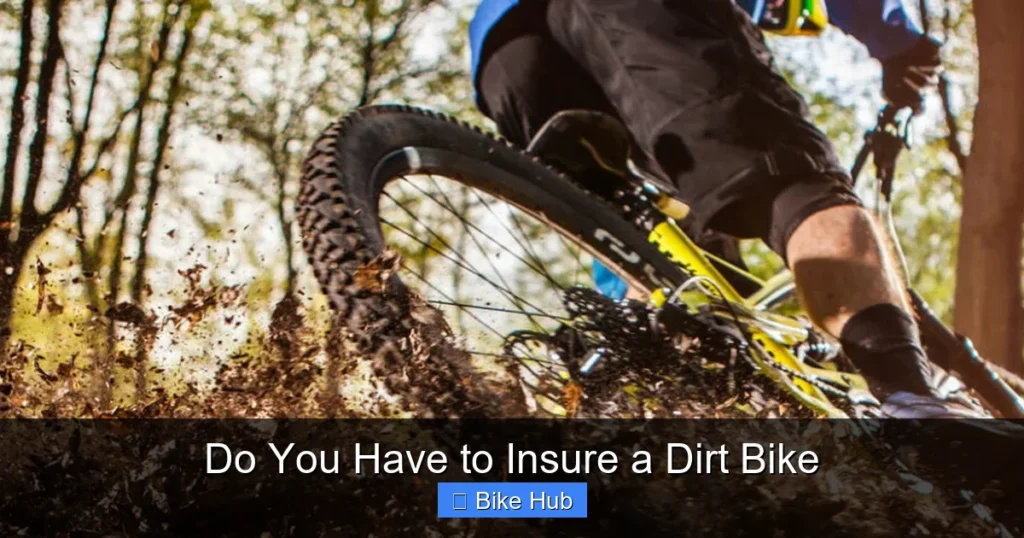
Do you have to insure a dirt bike? The answer depends on where and how you ride. While off-road use often doesn’t require insurance, riding on public roads or private property with public access usually does. This guide breaks down the rules, coverage types, and how to choose the right policy to keep you and your bike protected.
Key Takeaways
- Insurance is often required for street-legal dirt bikes: If your dirt bike is registered and ridden on public roads, most states mandate liability coverage.
- Off-road use may not require insurance: Riding on private land or designated trails usually doesn’t need a policy, but it’s still smart to have protection.
- Liability, collision, and comprehensive coverage are key options: These protect against damage, theft, and injuries to others.
- Check your homeowner’s or renter’s insurance: Some policies cover dirt bike theft or damage, but not liability or accidents.
- Specialized dirt bike insurance offers better protection: These plans often include off-road coverage, parts replacement, and race-day options.
- Uninsured riders risk fines, lawsuits, and financial loss: Even if not required, skipping insurance can be a costly mistake.
- Shop around and compare quotes: Prices and coverage vary widely, so get multiple estimates before deciding.
Do You Have to Insure a Dirt Bike? A Complete Guide
If you’re a dirt bike enthusiast, you know the thrill of tearing up trails, jumping hills, and feeling the wind as you ride. But before you hit the dirt, there’s an important question you need to answer: Do you have to insure a dirt bike?
The short answer? It depends. Unlike cars, dirt bikes don’t always require insurance—but that doesn’t mean you should skip it. Whether you’re riding on private land, public trails, or city streets, understanding your insurance needs can save you from hefty fines, legal trouble, or financial disaster.
In this guide, we’ll walk you through everything you need to know about dirt bike insurance. You’ll learn when it’s legally required, what types of coverage are available, and how to choose the right policy for your riding style. We’ll also cover common mistakes to avoid and tips for saving money on premiums.
Let’s dive in.
When Is Dirt Bike Insurance Required by Law?
Visual guide about Do You Have to Insure a Dirt Bike
Image source: howtodrawforkids.com
The first step in deciding whether you need insurance is understanding the legal requirements in your area. These vary widely depending on where you live and how you use your dirt bike.
Riding on Public Roads
If your dirt bike is street-legal—meaning it has lights, mirrors, a horn, and is registered with your state’s DMV—then you’re likely required to carry insurance. Most states mandate at least liability coverage, which pays for injuries or property damage you cause to others.
For example, in California, any motorcycle—including street-legal dirt bikes—must have liability insurance with minimum coverage of $15,000 for injury per person, $30,000 per accident, and $5,000 for property damage.
Off-Road and Trail Riding
If you only ride on private property or designated off-road trails, insurance is usually not required by law. However, many public trail systems (like those run by state parks or the Bureau of Land Management) may still encourage or require proof of insurance, especially for organized events.
Always check local regulations before heading out. Some states, like Texas and Florida, have specific off-road vehicle (ORV) programs that include insurance recommendations or requirements.
Racing and Competitive Events
Most organized dirt bike races require participants to carry insurance or sign liability waivers. Even if not mandated, having coverage is wise—accidents happen fast on the track, and medical bills can add up quickly.
Types of Dirt Bike Insurance Coverage
Visual guide about Do You Have to Insure a Dirt Bike
Image source: thehobbykraze.com
Even when not required by law, insurance can protect you from unexpected costs. Here are the main types of coverage to consider:
Liability Coverage
This is the most basic and commonly required type of insurance. It covers damages or injuries you cause to other people or property. For example, if you accidentally hit a fence or injure another rider, liability insurance helps pay for repairs or medical bills.
Collision Coverage
This pays to repair or replace your dirt bike if it’s damaged in a crash—regardless of who’s at fault. If you wipe out on a jump or collide with another rider, collision coverage can save you thousands in repair costs.
Comprehensive Coverage
This protects against non-collision events like theft, vandalism, fire, or weather damage. If your bike is stolen from your garage or damaged in a storm, comprehensive coverage steps in.
Uninsured/Underinsured Motorist Coverage
If you’re involved in an accident with someone who doesn’t have insurance (or enough coverage), this helps pay for your medical bills and bike repairs.
Accessories and Gear Coverage
Many policies let you add coverage for helmets, boots, goggles, and aftermarket parts like exhaust systems or suspension upgrades. This is especially useful if you’ve invested in high-end gear.
Do You Need Insurance for Off-Road Riding?
This is where things get tricky. If you only ride on private land or closed trails, you might think insurance isn’t necessary. And legally, you might be right—but that doesn’t mean it’s a good idea.
Imagine this: You’re riding on a friend’s farm, lose control, and crash into a shed. The owner sues you for damages. Without insurance, you’re on the hook for repair costs. Or worse—what if you injure someone? Medical bills can easily exceed $50,000.
Even on private property, accidents happen. And while your homeowner’s or renter’s insurance might cover some liability, it often excludes motorized vehicles like dirt bikes. That’s why many riders opt for a standalone policy.
How to Choose the Right Dirt Bike Insurance Policy
Now that you know the basics, here’s how to pick the best policy for your needs.
Step 1: Assess Your Riding Habits
Ask yourself:
– Do I ride on public roads?
– Do I participate in races or events?
– Do I store my bike at home or in a garage?
– Have I made expensive modifications?
Your answers will help determine the level of coverage you need.
Step 2: Compare Insurance Providers
Not all insurers offer dirt bike coverage. Look for companies that specialize in motorcycles or off-road vehicles. Some popular options include Progressive, Geico, Dairyland, and Foremost.
Step 3: Get Multiple Quotes
Prices can vary significantly. Request quotes from at least three providers. Be sure to compare apples to apples—same coverage limits, deductibles, and add-ons.
Step 4: Check for Discounts
Many insurers offer discounts for:
– Completing a safety course
– Bundling with other policies (like auto or home)
– Installing anti-theft devices
– Being a member of an off-road riding club
Step 5: Read the Fine Print
Make sure the policy covers off-road use, trail riding, and any events you plan to attend. Some standard motorcycle policies only cover street use.
Can You Use Homeowner’s or Renter’s Insurance?
It’s a common question: Can your existing homeowner’s or renter’s policy cover your dirt bike?
The answer is: sometimes—but not for everything.
These policies may cover theft or damage to your bike while it’s stored at home. For example, if a tree falls on your garage and crushes your dirt bike, your homeowner’s insurance might pay for repairs.
However, they typically exclude liability and accidents. If you crash and injure someone, your homeowner’s policy won’t help. That’s why a dedicated dirt bike policy is usually the better choice.
Troubleshooting Common Insurance Issues
Even with the best planning, problems can arise. Here’s how to handle common issues:
“My Policy Doesn’t Cover Off-Road Use”
Some insurers limit coverage to street-legal riding. If you ride off-road, look for a policy that explicitly includes trail and private land use.
“I Can’t Afford Full Coverage”
If cost is a concern, start with liability-only coverage. It’s the cheapest option and meets legal requirements in most states. You can always add more later.
“My Bike Was Stolen and the Claim Was Denied”
This often happens if the bike wasn’t stored securely or if the policy excludes theft. Always lock your bike, store it indoors when possible, and document its condition with photos.
“I’m in an Accident and the Other Rider Has No Insurance”
This is where uninsured motorist coverage pays off. Without it, you could be stuck paying medical bills out of pocket.
Tips to Save Money on Dirt Bike Insurance
Insurance doesn’t have to break the bank. Try these money-saving tips:
- Take a safety course: Many insurers offer discounts for completing an approved motorcycle safety program.
- Increase your deductible: A higher deductible lowers your premium, but make sure you can afford to pay it if needed.
- Store your bike securely: Garages, locks, and alarms can reduce theft risk and lower premiums.
- Ride less frequently: Some insurers offer lower rates for bikes used seasonally or infrequently.
- Bundle policies: Combine your dirt bike insurance with auto or home coverage for a discount.
Final Thoughts: Is Dirt Bike Insurance Worth It?
So, do you have to insure a dirt bike? Legally, maybe not—if you only ride on private land. But practically? Absolutely.
Accidents, theft, and lawsuits don’t care about legal loopholes. A single crash could cost you thousands. And while no one plans to crash, it happens to the best riders.
Investing in the right insurance policy gives you peace of mind. It protects your wallet, your bike, and your future. Whether you’re a weekend trail rider or a competitive racer, coverage is a smart move.
Before you rev up your engine, take the time to research your options. Compare quotes, read the details, and choose a policy that fits your lifestyle. Your dirt bike deserves protection—and so do you.
And if you’re looking to improve your riding skills, check out our guide on how to 360 spin on a dirt jump bike for some fun off-road tricks. Or, if you’re planning a long adventure, learn how to prepare a mountain bike for long rides to keep your gear in top shape. For rainy-day riding, don’t miss our tips on how to prepare for a rainy bike race.
Ride safe, ride smart, and always be covered.



