
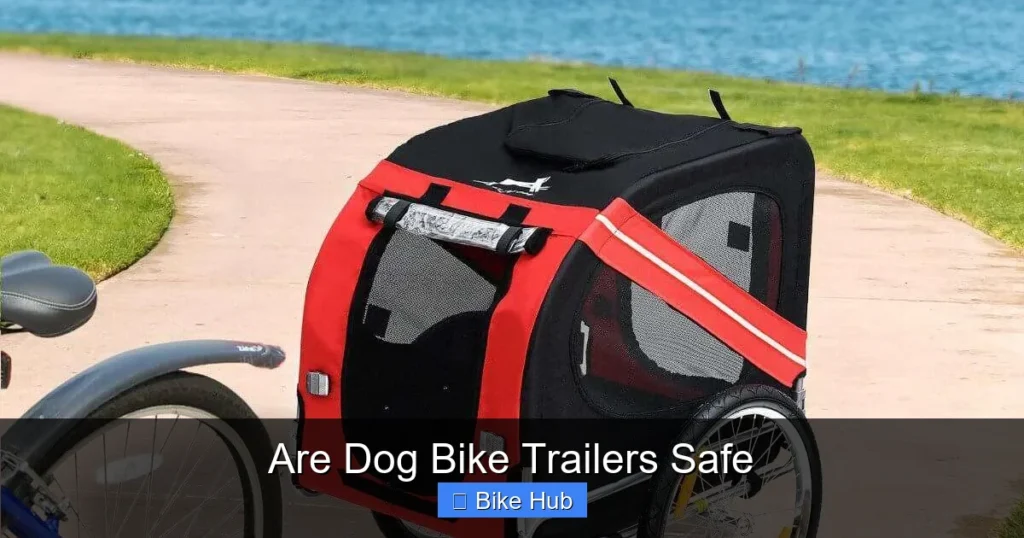
Dog bike trailers can be safe and enjoyable for your pet when used correctly. This guide covers safety features, proper setup, riding tips, and maintenance to keep your dog secure and comfortable on every ride.
Key Takeaways
- Choose a well-ventilated, sturdy trailer with safety harnesses to prevent injury and ensure your dog stays secure during the ride.
- Always use a safety leash or tether inside the trailer to keep your dog from jumping out, even if the door is closed.
- Practice short rides before longer adventures to help your dog get used to the motion and environment.
- Check tire pressure, frame bolts, and zippers regularly to maintain trailer integrity and avoid mid-ride failures.
- Avoid high-traffic or rough terrain until you’re confident in your control and your dog’s comfort level.
- Never leave your dog unattended in a parked trailer, especially in hot or cold weather.
- Follow local biking laws and use reflectors or flags to increase visibility and stay safe on the road.
Are Dog Bike Trailers Safe? A Complete Safety Guide for Pet Owners
If you love biking and want to bring your furry friend along, a dog bike trailer might seem like the perfect solution. But before you hit the trail, it’s important to ask: Are dog bike trailers safe? The short answer is yes—when used properly. Like any pet accessory, safety depends on the quality of the trailer, how you use it, and how well you prepare your dog.
In this guide, you’ll learn everything you need to know to keep your dog safe, comfortable, and happy while biking. We’ll walk you through choosing the right trailer, setting it up correctly, riding safely, and maintaining it over time. Whether you’re a weekend rider or planning a long-distance trip, these tips will help you enjoy stress-free adventures with your pup.
Step 1: Choose a Safe and Suitable Dog Bike Trailer
Not all dog bike trailers are created equal. To ensure safety, start by selecting a model designed specifically for pets. Look for these key features:
Sturdy Frame and Construction
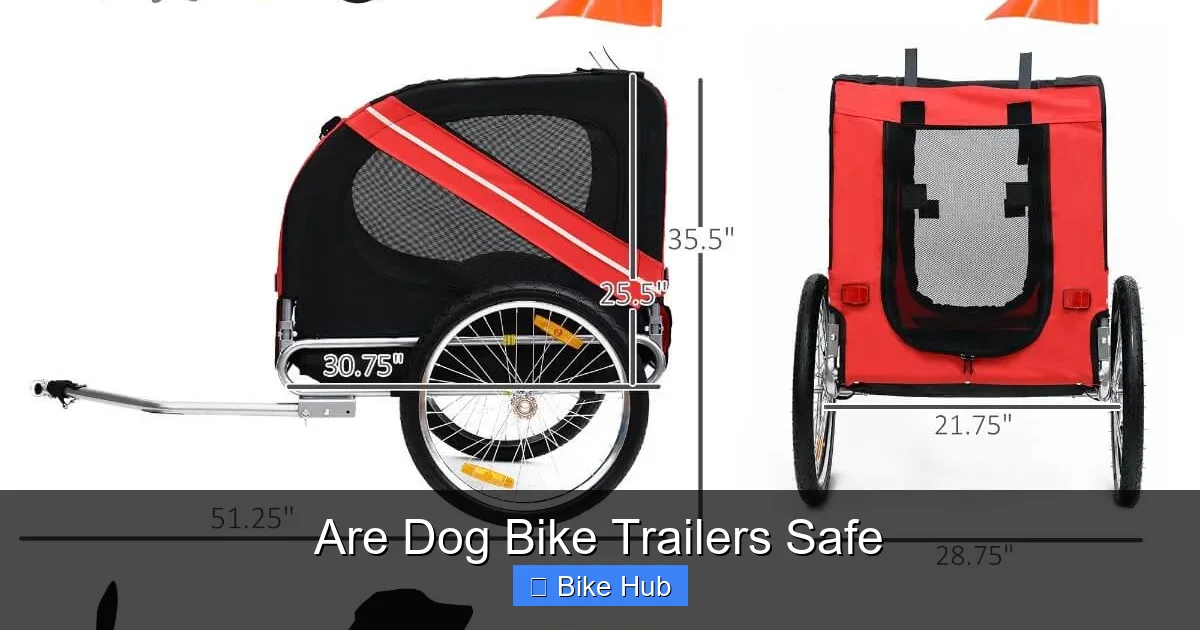
A strong aluminum or steel frame resists bending or breaking, even on bumpy paths. Avoid flimsy plastic frames that can crack under stress. Check customer reviews and manufacturer specs to confirm durability.
Visual guide about Are Dog Bike Trailers Safe
Image source: mypetshopworld.com
Proper Ventilation and Visibility
Your dog needs fresh air and a clear view. Choose a trailer with mesh windows on all sides. Mesh keeps bugs out while allowing airflow. Some models include rain covers—great for unexpected weather.
Safety Harness or Tether System
Even if the trailer has a zippered door, your dog should be secured inside. Look for trailers with built-in harness attachment points. If yours doesn’t have one, use a dog carrier safety leash clipped to your dog’s harness (not collar) to prevent jumping.
Low Center of Gravity
A wider base and low profile help prevent tipping. Avoid tall, narrow designs. Trailers with a wheelbase wider than the body are more stable, especially on turns.
Quality Wheels and Suspension
Look for pneumatic (air-filled) tires over solid rubber. Air tires absorb shocks better, giving your dog a smoother ride. Some models include suspension systems for extra comfort on rough terrain.
Step 2: Properly Attach the Trailer to Your Bike
A loose or poorly connected trailer is a major safety risk. Follow these steps to secure it correctly:
Use the Right Hitch System
Most trailers come with a hitch that attaches to your bike’s rear axle or seat post. Make sure it’s compatible with your bike model. Tighten all bolts and check the connection before every ride.
Visual guide about Are Dog Bike Trailers Safe
Image source: easyspanieltraining.com
Test the Connection
Lift the trailer slightly and gently rock it. If it wobbles or feels loose, stop and recheck the hitch. A secure trailer should move only when you move the bike.
Check for Clearance
Ensure the trailer doesn’t interfere with your pedals, wheels, or brakes. On tight turns, the trailer should follow smoothly without dragging or tipping.
Step 3: Prepare Your Dog for the Ride
Even the safest trailer won’t help if your dog is stressed or unprepared. Ease them into the experience.
Start with Short Sessions
Let your dog explore the trailer while it’s stationary. Place treats inside to create positive associations. Once they’re comfortable, take a slow 5-minute ride around the block.
Use a Well-Fitting Harness
Never attach a leash to your dog’s collar inside the trailer. Collars can cause injury if they jump or pull. Use a harness and clip the safety tether to it.
Watch for Signs of Stress
Panting, whining, or trying to escape are signs your dog isn’t ready. Take breaks, offer water, and end the ride if they seem anxious. Gradual exposure builds confidence.
Step 4: Ride Safely and Responsibly
Your riding habits directly impact your dog’s safety. Follow these best practices:
Choose the Right Terrain
Start on smooth, flat paths like bike trails or quiet streets. Avoid rocky, steep, or uneven terrain until you and your dog are experienced. For mountain biking prep, see our guide on preparing a mountain bike for long rides.
Maintain a Steady Speed
Sudden starts, stops, or sharp turns can scare your dog or cause the trailer to tip. Ride smoothly and signal your turns in advance.
Increase Visibility
Attach a bright flag to the trailer so cars can see you from a distance. Use reflective tape and front/rear lights, especially in low-light conditions. This is crucial for road safety.
Follow Trail Etiquette
Yield to pedestrians, announce your presence (“Bike back!”), and stay in bike lanes when available. For more on sharing trails safely, read our article on mountain bike trail etiquette rules.
Step 5: Maintain Your Trailer Regularly
A well-maintained trailer is a safe trailer. Set a monthly check routine:
Inspect Tires and Wheels
Check tire pressure before each ride. Underinflated tires reduce stability and increase rolling resistance. For help, see our mountain bike tire pressure guide.
Tighten Bolts and Hinges
Vibration from riding can loosen connections. Use a wrench to check frame joints, hitch bolts, and wheel axles.
Clean the Interior
Wipe down the floor and walls to remove dirt, fur, and moisture. Mild soap and water work well. Let it dry completely to prevent mold or odors.
Test Zippers and Latches
Make sure doors open and close smoothly. A stuck zipper could trap your dog in an emergency.
Troubleshooting Common Issues
Even with preparation, problems can happen. Here’s how to handle them:
Dog Won’t Enter the Trailer
Try placing their favorite toy or blanket inside. Walk the trailer (without biking) so they get used to the motion. Never force them—patience pays off.
Trailer Wobbles or Shakes
This could mean loose wheels, uneven tire pressure, or an unbalanced load. Stop and check all connections. Redistribute weight if needed.
Dog Seems Overheated
Stop in the shade, offer water, and let them cool down. Avoid riding in extreme heat. Early morning or evening rides are best in summer.
Hitch Detaches Mid-Ride
This is rare but dangerous. Always carry a spare hitch pin or quick-release tool. Practice reattaching it at home so you’re prepared.
Conclusion
So, are dog bike trailers safe? Absolutely—when you choose a quality model, use it correctly, and prioritize your dog’s comfort and security. A safe trailer gives your pup a cozy, protected space to enjoy the ride while you explore new trails together.
Remember: safety starts before you even pedal. Invest in a well-built trailer, secure it properly, and train your dog gradually. Regular maintenance and smart riding habits will keep every trip enjoyable and risk-free.
With the right preparation, biking with your dog can become one of your favorite shared activities. Just like tuning up your bike or packing the right gear, caring for your trailer is part of being a responsible pet owner and cyclist.
Now that you know how to keep your dog safe, it’s time to hit the road—together.



