
Imagine you’re riding your bike down a scenic path, feeling the wind on your face. Suddenly, you need to slow down, but your brake levers aren’t responding like they should.
It’s a moment that can be frustrating or even dangerous. Knowing how to replace brake levers can save you from this hassle and keep your rides safe and enjoyable. By the end of this article, you’ll have the confidence to tackle this task yourself, ensuring your bike is always in top condition.
Get ready to discover simple steps and expert tips that will make the process straightforward and stress-free. Your bike deserves the best, and so do you. Dive in to transform your biking experience and never let faulty brake levers hold you back again.
Tools And Materials Needed
Gather the tools before starting. This makes the task easier. You will need a screwdriverand a wrench. These help in removing old brake levers. Have a new setof brake levers ready. This is important for replacement. Keep a clean clothhandy. It helps to clean parts. Use lubricantfor smooth functioning. Lubricant stops squeaking sounds.
Ensure you have a bike stand. It holds the bike steady. This prevents accidents. A small boxis useful. Keep screws and nuts safe here. This stops them from getting lost. A pair of glovesis good. Gloves protect your hands. They keep dirt and oil away.

Credit: www.youtube.com
Preparation Steps
Gather necessary tools like screwdrivers and wrenches before starting. Ensure the bike is secure and clean. Disconnect cables gently to avoid damage.
Safety Precautions
Wearing gloves keeps your hands safe. Always use a helmet for protection. Ensure the bike is on a stable surface. This prevents falls and accidents. Keep tools organized for easy access. Secure the bike to prevent movement. Work in a well-lit area to see clearly. Be patient and take your time.
Bike Positioning
Place the bike on a flat surface. Check if the bike is stable. Use a bike stand for extra support. Keep the front wheel straight. This helps maintain balance. Ensure the handlebars are level. It aids in keeping the bike steady. Clear the area around the bike. Remove any obstacles in your path.
Removing Old Brake Levers
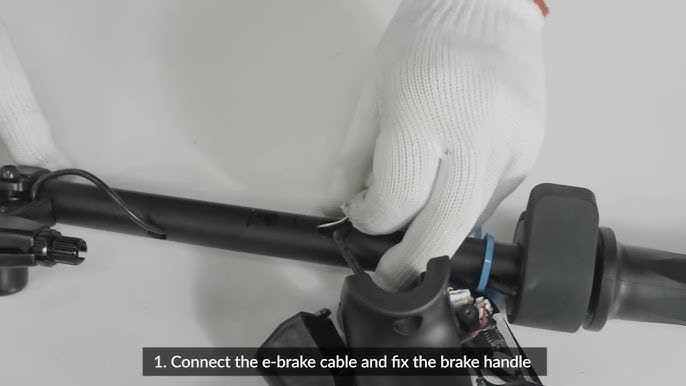
Replacing old brake levers begins by loosening the screws on the handlebar clamps. Slide the levers off gently, ensuring cables remain intact.
Loosening The Brake Cables
Start by finding the brake cable adjusters. Twist them to loosen the cables. This will make the brake levers easier to remove. Make sure the cables are loose but not disconnected. Loose cables help in sliding out the levers.
Detaching The Brake Levers
Locate the screwsholding the brake levers. Use a screwdriver to remove these screws. Once the screws are removed, gently pull the levers away. Avoid tugging too hard to prevent damage. The levers should come off easily.

Credit: www.youtube.com
Installing New Brake Levers
Align the new brake levers with the handlebar. Make sure they fit well. Tighten the screws to secure them. Use a wrench if needed. Check the position of the levers. They should be easy to reach. Adjust them for comfort. Ensure they do not wobble. Test the levers by pulling them.
Connect the brake cables to the levers. Thread the cable through the lever hole. Pull it tight to remove slack. Secure the cable with a bolt. Use a screwdriver to tighten it. Check the cable tension. It should be firm but not too tight. Test the brakes to ensure they work smoothly.
Adjusting Brake Lever Position
Ensure the brake levers are in line with the handlebars. This helps in comfortable braking. Sit on the bike and hold the handlebars. Check if the levers feel natural. If they don’t, adjust them accordingly. Loosen the screws holding the levers. Move them up or down as needed. Tighten the screws once aligned. Make sure both levers are at the same angle. This balance is important for safe riding.
Use a wrench to tighten the bolts on the levers. Ensure the bolts are snug but not overly tight. Over-tightening can damage the levers. Check the levers after tightening. They should not wobble or move. If they do, tighten the bolts a bit more. Always double-check the bolts before riding. Loose bolts can cause accidents.
Testing The New Brake Levers
Testing the new brake levers ensures their proper functioning after installation. Ensure they respond smoothly and offer firm stopping power. This step confirms that the replacement was successful and safe for riding.
Checking Brake Responsiveness
Press the brake levers gently. Feel the immediate response. The brakes should not feel loose or sticky. Listen for any unusual sounds. Test the braking power by slowly moving the bike. The bike should stop smoothly. Check if the wheels lock properly. Ensure the levers return to their original position.
Ensuring Safety
Wear safety gear while testing. Ensure the bike is in a safe area. Avoid slopes or busy roads. Test brakes at low speed first. Keep hands ready to adjust levers. Check for any loose parts. Make sure the cables are tight. Confirm the brake pads are not worn. Always prioritize safety while testing.
Tips For Maintaining Brake Levers
Check brake levers often. Look for signs of wear or damage. Ensure they move smoothly. Tighten loose bolts. Replace worn parts quickly. Proper tension is key. Safety comes first.
Wipe levers with a clean cloth. Remove dirt and grease. Use mild soap and water. Avoid harsh chemicals. Dry well after cleaning. Clean levers work better. Keep them shiny and smooth. Protect from rust.

Credit: www.youtube.com
Frequently Asked Questions
Can You Replace Just The Brake Lever?
Yes, you can replace just the brake lever. Ensure compatibility with your bike model. Consult the user manual or a professional mechanic for guidance. Proper installation is crucial for safety. Always test the brakes after replacement to ensure they work correctly.
How To Attach Brake Levers?
To attach brake levers, position them on the handlebars. Securely tighten the clamps using an Allen wrench. Adjust the angle for comfort. Ensure cables are correctly routed and test the brakes for proper function.
Do You Need To Bleed Brakes When Changing Handlebars?
You might need to bleed brakes after changing handlebars if the brake lines were disconnected or moved. This ensures air is removed from the system, maintaining optimal performance. Always check brake functionality after adjustments to ensure safety while riding.
Are All Brake Levers Universal?
Not all brake levers are universal. Compatibility depends on the bike type, brake system, and lever design. Check specifications to ensure the correct fit. Consider factors like handlebar diameter and brake cable type for proper installation. Always verify with the manufacturer or a bike specialist for accurate compatibility.
Conclusion
Replacing brake levers is a straightforward task. With basic tools, you can do it yourself. Start by removing the old levers carefully. Then, install the new ones. Ensure they fit snugly and work properly. Safety is key, so test the brakes after replacing.
Regular maintenance prevents issues on the road. Enjoy smoother rides with well-functioning brakes. With practice, this becomes an easy routine. Keep your bike in top condition. Ride confidently, knowing your brakes are reliable. Happy cycling and safe journeys ahead!



