
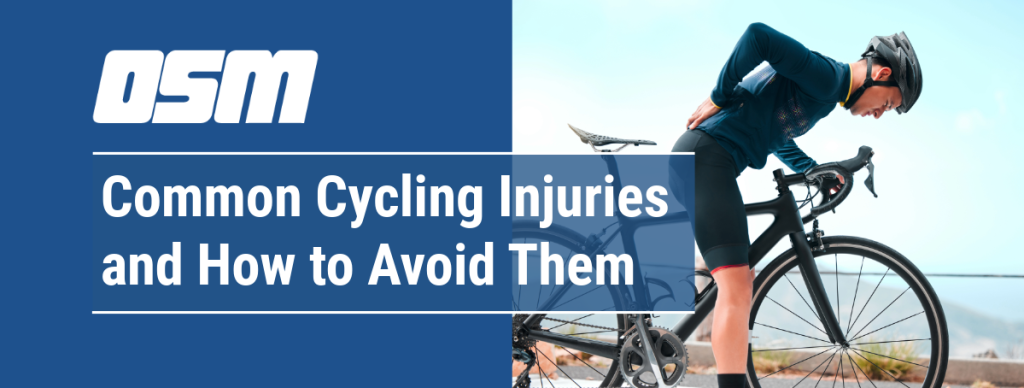
Are you passionate about road cycling but worried about potential injuries? You’re not alone.
Many cyclists share the same concern, and it’s essential to take proactive steps to protect yourself. Imagine the thrill of speeding down an open road, the wind in your hair, and the freedom that only cycling can offer. But what if you could enjoy all of that without the constant worry of getting hurt?
Understanding how to avoid road cycling injuries can transform your cycling experience from cautious to confident. In this guide, we will explore practical tips and expert advice that will keep you safe and sound on your bike, allowing you to focus on what you love most—riding. Let’s ensure your cycling adventures remain exhilarating and injury-free.

Credit: www.instagram.com
Common Cycling Injuries
The knees often hurt in cycling. Adjust seat height to help. Too high or low causes pain. Proper alignment reduces strain. Stretching can ease discomfort. Strong muscles support joints better.
Back pain is common in cyclists. Proper posture is key. Keep back straight when riding. Strengthen core muscles for support. Avoid hunching over handlebars. Adjust bike fit for comfort.
Hands and wrists often hurt. Grip handlebars loosely. Change hand positions often. Use padded gloves for protection. Ensure handlebars are set correctly. Reduce vibration for comfort.
Neck pain affects many cyclists. Check helmet fit regularly. Adjust handlebars to ease strain. Stretch neck muscles often. Keep eyes forward for better posture. Relax shoulders while riding.
Proper Bike Fit
A comfortable ride needs the right saddle height. Start by sitting on the bike. Your heel should touch the pedal when it’s at the lowest point. This means your leg is straight. Check if your knee bends slightly when the pedal is forward. If not, adjust the saddle. A good height prevents knee pain. It also helps you pedal better. Always use a wrench or lever for adjustments. Never force the saddle too high.
Handlebars should be level with the saddle. This gives better control. Keep them at a comfortable width. Your hands should grip naturally. Too wide or narrow can hurt your shoulders. Adjust the angle to reduce wrist strain. Check it often, especially on long rides. Good positioning helps you steer safely.
Pedals must be straight and firm. Check that they spin smoothly. Align your feet with the pedal’s middle. This avoids foot pain. Always tighten loose pedals. Check for any wobble. Proper alignment supports your legs and feet. This keeps you riding comfortably.
Strength And Flexibility Training
Core muscleshelp keep balance while cycling. Try planks and sit-ups. Keep your tummy tight during exercises. Do these exercises often. Strong core makes cycling safe and fun.
Stretch legs and hipsto move easily. Touch your toes slowly. Stretch each leg for 20 seconds. Bend hips and stretch thighs. Good flexibility keeps injuries away.
Strong arms and shouldershelp control the bike. Do push-ups and lift light weights. Practice 2-3 times a week. This makes arms strong and cycling easier.
Correct Cycling Techniques
Pedal smoothlyto avoid injuries. Push down and pull up in a circle. This keeps your ride smooth. Keep your feet level on the pedals. Avoid bouncing on the seat. Bouncing can hurt your knees. Practice makes pedaling easier.
Keep your back straightwhile cycling. Bend your elbows a bit. This helps absorb bumps. Your seat should be the right height. Too high or low can cause pain. Eyes should look ahead, not down. Relax your shoulders and grip. Tension can lead to aches.
Use both brakesto stop safely. Front brakes stop faster. Rear brakes help control. Squeeze gently, do not slam. Sudden stops can cause falls. Practice stopping in different places. Know when to slow down. Be ready for surprises on the road.
Protective Gear Essentials
Wearing the right protective gear reduces the risk of road cycling injuries. Helmets, gloves, and padded shorts provide crucial protection. Bright clothing and reflective gear enhance visibility, ensuring safer rides.
Helmet Safety
Wearing a helmet is very important. It protects your head. Choose a helmet that fits well. It should not be too tight or too loose. Always fasten the strap snugly under your chin. A good helmet can save your life in a crash.
Gloves And Wrist Support
Gloves protect your hands from falls. They also give a better grip on the handlebars. Choose gloves that fit well. Wrist supports can help prevent injuries. They keep your wrists stable and safe.
Proper Footwear
Wear shoes that fit well and are comfortable. Cycling shoes should have a hard sole. This helps transfer power to the pedals. Avoid sandals or flip-flops. They are not safe for cycling.
Warm-up And Cool-down Routine
Warm-up and cool-down routines are essential for preventing road cycling injuries. Stretch and prepare your muscles before cycling. After your ride, cool down with gentle stretches to reduce muscle strain.
Dynamic Stretching
Dynamic stretching helps prepare muscles for cycling. Start with simple arm swings. Move to leg swings and gentle lunges. These stretches increase blood flow. They loosen up muscles and joints. Always breathe deeply while stretching. This keeps your body relaxed and ready. Stretching should last about 10 minutes. It reduces risk of muscle strains.
Post-ride Recovery
Recovery after cycling is vital. Drink plenty of water to rehydrate. Eating a light snack replenishes energy. Include protein and carbs in your snack. Gentle stretching aids muscle repair. It prevents stiffness and soreness. A short walk also helps relax muscles. Rest allows your body to heal and get stronger. Recovery should be part of every ride.
Nutrition And Hydration
A balanced diet is key for cyclists. It fuels your rides and keeps you strong. Eat lots of fruits and vegetables. They give vitamins and minerals. Whole grains are good too. They provide energy slowly. Protein is important for muscles. Include lean meats or beans. Healthy fats help your body. Choose nuts and avocados. Avoid junk food and sugary drinks. They make you feel tired.
Drink water often to stay hydrated. Thirst means your body needs more water. Carry a water bottle on rides. Sip small amounts throughout the day. Before riding, drink water to prepare. On hot days, drink more than usual. Sports drinks can help. They replace lost salts from sweat. Avoid soda; it can make you dehydrated. After cycling, rehydrate well. Water is best for recovery.

Credit: toferlaw.com
Listening To Your Body
Feeling pain is your body’s way of talking to you. It’s like a warning. Listen carefully to these signals. Not all pain is the same. Some pain is sharp and sudden. This might mean you are hurt. Other pain is dull and stays longer. This could be from tired muscles. Rest is very important. Ignoring pain can make things worse. Tell an adult if something feels wrong.
Cycling hard every day is not good. Balance is key. Mix hard rides with easy ones. This helps your body get stronger. Always warm up before cycling. Stretch your muscles to prevent injuries. If you feel too tired, take a break. Listen to what your body needs. Getting enough sleep helps too. Your body repairs itself when you rest.
Regular Bike Maintenance
Check tires before each ride. Look for any cuts or punctures. Ensure they have the right air pressure. Proper air keeps you safe. Test brakes by squeezing the levers. Make sure they stop the wheels fast. Look for wear on brake pads. Replace pads if they seem thin. Keep tires and brakes in top shape for safety.
Keep the chain clean and oiled. This helps it move smoothly. Use a soft cloth to wipe the chain. Apply a few drops of bike oil. Shift through gears to spread the oil. Check gears for any damage. Make sure they shift without noise. A well-maintained chain and gears make riding easy.

Credit: www.instagram.com
Frequently Asked Questions
How Can Cycling Injuries Be Prevented?
Wear a helmet to protect your head. Adjust bike fit for comfort and control. Warm up before cycling to prevent strains. Use proper techniques to avoid overuse injuries. Stay visible with bright clothing and lights for safety. Regularly maintain your bike to ensure smooth operation and reduce accident risks.
What Is The Most Common Road Bike Injury?
The most common road bike injury is road rash. It occurs when skin scrapes against pavement during a fall. Cyclists often suffer from bruises, fractures, and muscle strains as well. Wearing protective gear can reduce injury risk. Regular bike maintenance helps prevent accidents and injuries.
What Is Rule 5 In Cycling?
Rule 5 in cycling, coined by Velominati, states: “Harden the f*** up. ” It encourages cyclists to toughen up, push through challenges, and maintain mental resilience during rides. This rule emphasizes perseverance and dedication, urging cyclists to embrace the sport’s difficulties and continue pedaling despite discomfort or adversity.
How To Start Cycling Without Getting Injured?
Begin with a proper bike fit to ensure comfort. Warm up before cycling to prepare your muscles. Increase your intensity gradually to prevent strain. Wear protective gear like a helmet and gloves for safety. Listen to your body and rest when needed to avoid injuries.
Conclusion
Staying safe while road cycling is crucial for every rider. Prioritize wearing a helmet always. Check your bike regularly for any faults. Practice proper riding techniques to minimize risks. Stay alert to your surroundings. This helps in avoiding unexpected obstacles.
Hydrate and rest adequately before your ride. Your body needs to be ready. Communicate with fellow cyclists for a smoother experience. Follow traffic rules strictly to prevent accidents. These steps make cycling safer and more enjoyable. Remember, prevention is better than cure.
Enjoy your rides without the fear of injuries. Stay safe and keep pedaling!



