
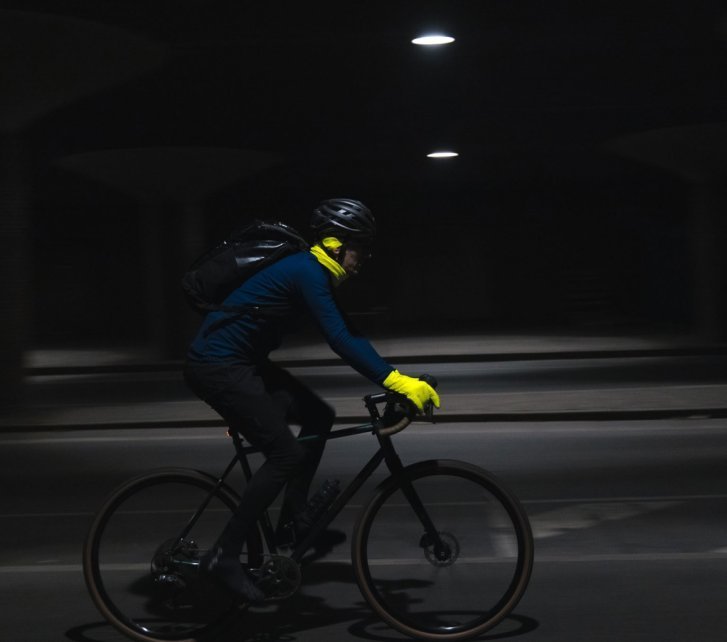
Imagine gliding through the cool evening air on your bicycle, feeling the thrill of freedom that only a night ride can provide. But as enchanting as night cycling is, it comes with its own set of challenges, particularly when it comes to staying visible.
That’s where reflective gear steps in. Choosing the right reflective gear for night cycling is not just about safety; it’s about enjoying your ride with peace of mind, knowing you’re seen by others on the road. In this guide, you’ll discover how to pick the perfect reflective gear that keeps you visible and stylish, ensuring every night ride is a safe and exhilarating experience.
Ready to transform your night cycling adventures? Let’s dive into the essentials that will keep you glowing in the dark.
Importance Of Reflective Gear
Reflective gear keeps cyclists safe at night. It makes them visible to cars. Bright colors and shiny materials work best. Reflective jackets, vests, and helmets are great choices. They catch light from headlights. This helps drivers see cyclists from far away.
Consider reflective tape on bikes. It adds extra safety. Place it on bike frames and wheels. This way, bikes become visible from all angles. Using lights is important too. Front and rear lights alert others. They help cyclists see the road.
Different types of reflective gear exist. Choose what’s comfortable and fits well. Gear should not restrict movement. It’s good to test gear in dark places. This shows how effective it is. Always wear reflective gear at night.

Credit: reflectoes.com
Types Of Reflective Materials
Reflective tape helps you stay visible at night. It’s easy to use and stick on bikes. This tape shines bright when car lights hit it. Use it on your bike’s frame or helmet. It’s a simple way to stay safe.
LED lights are bright and catch attention. They can blink or stay on. Attach them to your bike’s front and back. These lights make you easy to see in dark. They are powered by batteries and last long.
Reflective clothing is great for night cycling. Jackets, vests, and pants have shiny strips. These strips glow when headlights shine on them. Such clothes help drivers spot you from far. Always choose clothes that fit well and feel comfy.
Choosing The Right Reflective Clothing
Selecting reflective gear for night cycling is crucial for safety. Prioritize clothing with high visibility and vibrant colors. Consider lightweight, breathable materials with strategically placed reflective strips for enhanced protection.
Visibility Factors
Reflective clothing helps drivers see you at night. Choose clothes with bright colors. Neon colors work best for day and night. Look for reflective strips on your clothes. Strips should be on arms, legs, and back. This helps drivers notice you quickly. Flashing lights on your bike add extra safety. Reflective gear is not only for clothes. Consider helmets and shoes with reflective parts too.
Comfort And Fit
Comfort is key for enjoyable night cycling. Clothes should fit well but not too tight. Loose clothes can catch in bike parts. Choose materials that breathe and dry quickly. This keeps you cool and comfortable. Check if the clothing is easy to move in. Try stretching and bending in it. Feel good in your gear, and you’ll ride better.

Credit: www.bike-components.de
Reflective Accessories For Cyclists
Selecting the right reflective gear for night cycling ensures safety and visibility. Opt for high-visibility colors and materials that reflect light well. Consider vests, bands, and stickers that are easy to attach and comfortable to wear.
Helmets And Gloves
Choosing a helmet with reflective strips helps you stand out. Bright colors add extra visibility. Gloves with reflective patches are important too. They make hand signals more visible to drivers. Reflective material on gloves enhances safety.
Shoes And Socks
Reflective shoes boost your presence on the road. Look for shoes with reflective sections or laces. Socks with reflective threads or patches are smart choices. They make your feet noticeable in low light. Choose bright socks with reflective details for added safety.
Safety Standards For Reflective Gear
Choosing the right reflective gear is crucial for night cycling safety. Look for gear that meets safety standards and provides maximum visibility. Bright, reflective materials and proper placement ensure you’re seen by others on the road.
Certification Labels
Look for gear with certification labels. These labels show safety standards. They tell if the gear is safe for night cycling. Common labels include EN ISO and ANSI. They ensure the gear reflects light well. Labels help you trust the gear’s quality. Always check for these before buying.
Quality Checks
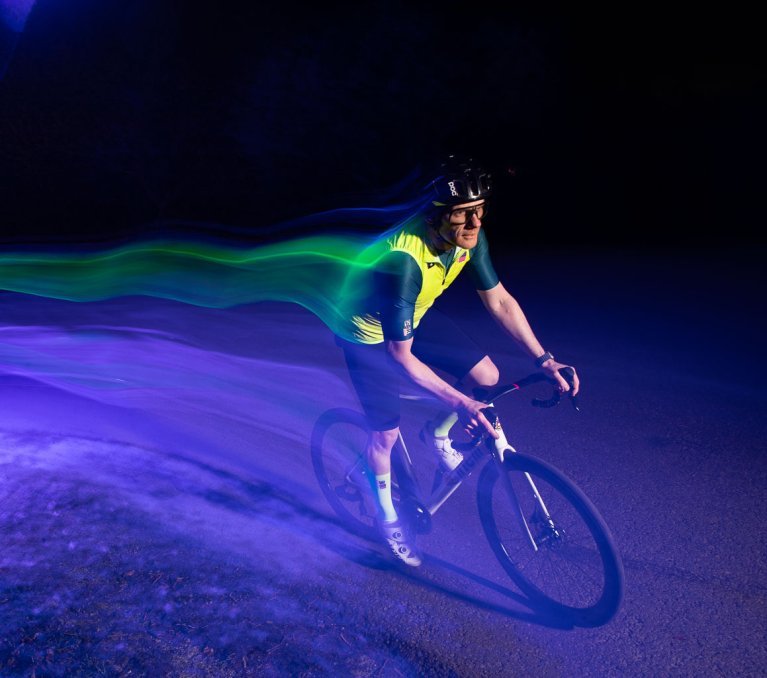
Do basic checks to ensure the gear’s quality. Hold the gear under light. See if it reflects brightly. Bend the material to test its strength. Check for loose threads or weak spots. Ensure the gear feels sturdy and reliable. Good quality gear keeps you safe at night.
Credit: www.bike-components.de
Expert Tips For Night Cycling
Choosing the right reflective gear enhances safety while night cycling. Bright colors and reflective strips improve visibility on roads. Consider vests, ankle bands, and helmets with lights for added protection.
Layering Strategies
Layering keeps you warm while riding at night. Start with a base layer to wick away sweat. Add a middle layer for insulation. Choose materials like fleece for warmth. Finish with a reflective outer layer. This layer should be visible to drivers. Reflective jackets or vests are ideal. Bright colors help you stand out. Check if your gear has reflective strips. Reflective tape can be added if needed.
Maintenance Of Reflective Gear
Keep your reflective gear clean to stay visible. Hand wash the gear to avoid damage. Use mild soap and cold water. Avoid bleaching or ironing reflective parts. Air dry the gear to maintain its quality. Store the gear away from direct sunlight. This prevents fading of reflective materials. Regular checks ensure the gear is still reflective. Replace the gear if it shows wear and tear.
Frequently Asked Questions
Should Cyclists Wear Reflective Clothes At Night?
Yes, cyclists should wear reflective clothes at night. Reflective gear enhances visibility, reducing accident risks. Prioritize safety by using reflective jackets, vests, or accessories. Visibility increases with bright, reflective clothing, making cyclists more noticeable to drivers. Always combine reflective gear with proper bike lights for maximum safety.
What Gear Do You Need To Ride A Bike At Night?
To ride a bike at night, use front and rear lights for visibility. Wear reflective clothing for safety. Ensure your helmet has reflective stickers. Consider installing reflective tape on your bike. Carry a flashlight for emergencies. Regularly check battery levels and replace as needed.
Prioritize visibility and safety.
How To Make Your Bike More Visible At Night?
Enhance bike visibility at night with reflective tape, bright lights, and neon clothing. Use LED wheel lights for added flair. Regularly check and clean lights to ensure maximum brightness. Riding smartly in well-lit areas can also boost visibility and safety.
How Many Lumens For Biking At Night?
For night biking, 200-600 lumens are ideal for urban areas. Use 600-1000 lumens for dimly lit paths. Trails and off-road biking require 1000-2000 lumens for safe visibility. Always adjust brightness based on environment and speed for optimal safety.
Conclusion
Choosing the right reflective gear ensures safer night cycling. Prioritize visibility to avoid accidents. Bright colors and reflective strips increase your presence on the road. Consider comfort and durability when selecting gear. Lightweight options often provide better comfort during long rides.
Check reviews for real user experiences. Budget wisely; quality gear can be affordable. Remember, your safety is worth the investment. Explore options, try them, and find what suits you best. Cycling at night can be safe and enjoyable with the right gear.
Happy cycling!



