
Jailbreaking an electric bike means removing factory speed and power limits to unlock higher performance. This guide walks you through the process safely, covering tools, methods, and important legal and safety considerations.
Key Takeaways
- Understand the risks: Jailbreaking may void your warranty, damage your bike, or break local laws.
- Check local regulations: In many areas, e-bikes over 20 mph or 750W are classified as motorcycles and require registration.
- Use the right tools: A laptop, USB cable, and compatible software are often needed for firmware modifications.
- Backup original settings: Always save your factory configuration before making changes.
- Test gradually: After jailbreaking, ride in a safe area and monitor performance closely.
- Maintain your bike: Higher speeds increase wear on tires, brakes, and drivetrain—regular maintenance is essential.
- Consider professional help: If unsure, consult an e-bike technician to avoid costly mistakes.
What Is Electric Bike Jailbreaking?
Jailbreaking an electric bike means modifying its firmware or settings to remove manufacturer-imposed limits. Most e-bikes are capped at 20 mph (32 km/h) in the U.S. or 25 km/h in Europe, and power output is often restricted to 250W–750W. Jailbreaking allows you to go faster and access more torque, but it comes with serious responsibilities.
This guide will show you how to jailbreak an electric bike safely and effectively. You’ll learn about common methods, required tools, and how to avoid common pitfalls. Whether you’re a weekend warrior or a daily commuter looking for more speed, this guide has you covered—just remember: with great power comes great responsibility.
Why People Jailbreak Their E-Bikes
There are several reasons riders choose to jailbreak their electric bikes:
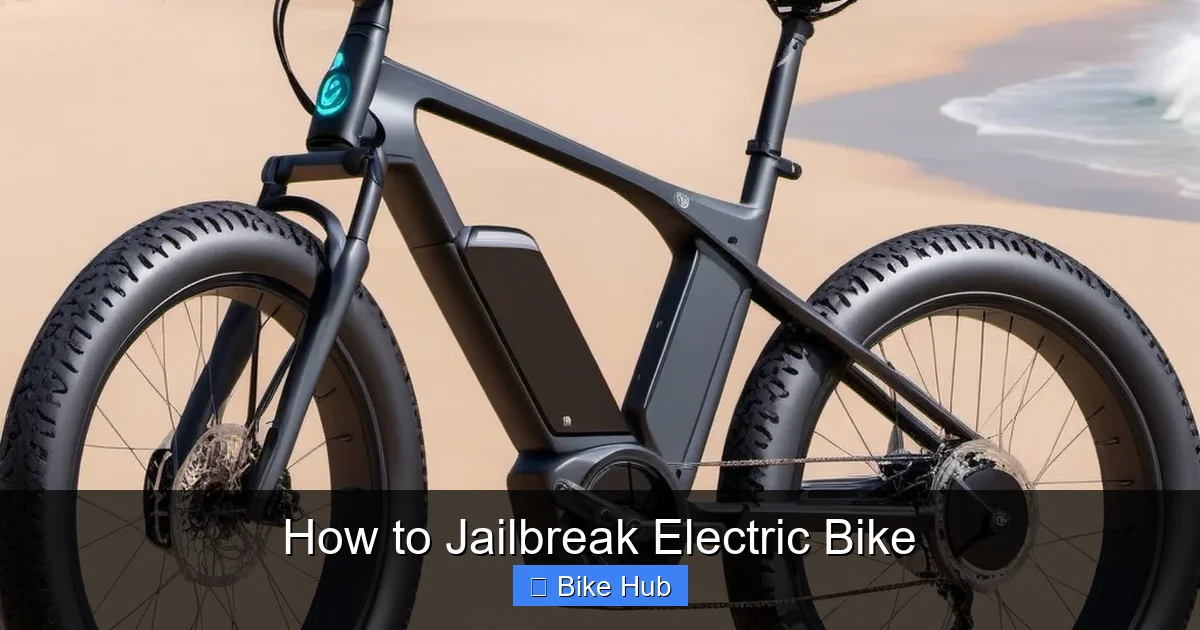
Visual guide about How to Jailbreak Electric Bike
Image source: electricbikeexplorer.com
- Faster commutes: Cut travel time on long routes.
- Hill climbing: Extra torque helps conquer steep inclines.
- Custom performance: Tailor power delivery to your riding style.
- Unlock hidden features: Some bikes have unused modes or settings.
However, these benefits come with trade-offs. Increased speed puts more stress on components like brakes, tires, and the motor. It can also make your bike illegal to ride on public roads in some regions. Always weigh the pros and cons before proceeding.
Legal and Safety Considerations
Before you even think about jailbreaking, check your local laws. In the U.S., the Consumer Product Safety Commission (CPSC) defines a legal e-bike as having a motor under 750W and a top speed of 20 mph with pedal assist. Going beyond these limits may reclassify your bike as a motor vehicle, requiring registration, insurance, and a license.
Visual guide about How to Jailbreak Electric Bike
Image source: solaremobility.com
In Europe, EN 15194 standards limit e-bikes to 25 km/h (about 15.5 mph) and 250W. Exceeding these can result in fines or confiscation. Even if it’s technically possible to jailbreak your bike, riding it on public roads may not be legal.
Safety is just as important. At higher speeds, stopping distances increase, and tire grip becomes critical. Make sure your brakes are in top condition and consider upgrading to high-performance pads. Also, inspect your tire pressure regularly—underinflated tires can overheat and fail at high speeds.
Tools and Software You’ll Need
Jailbreaking methods vary by brand and model, but most involve connecting your bike’s controller to a computer. Here’s what you’ll typically need:
Essential Tools
- A laptop or desktop computer
- USB-to-serial adapter (often included with tuning kits)
- Compatible tuning software (e.g., SH-EBike, Bafang Config Tool, or Grin Technologies’ Phaserunner)
- Basic screwdrivers and Allen keys
Software Options
Popular software includes:
- SH-EBike: Works with many Chinese-brand motors like Bafang and Tongsheng.
- Bafang Config Tool: Official software for Bafang motors—great for beginners.
- Grin All-Access: Advanced tool for Phaserunner and other programmable controllers.
Always download software from official sources to avoid malware. Some brands, like Bosch and Shimano, use encrypted systems that are nearly impossible to jailbreak without specialized (and often expensive) equipment.
Step-by-Step Guide to Jailbreaking Your E-Bike
Follow these steps carefully. Rushing can lead to bricked controllers or unsafe riding conditions.
Step 1: Identify Your Motor and Controller
Check your bike’s manual or look for a model number on the motor. Common brands include Bafang, Bosch, Shimano, and Grin. Each has different jailbreaking methods. For example, Bafang motors are easier to modify than Bosch systems.
Step 2: Backup Original Settings
Before making any changes, use your tuning software to save a copy of the current configuration. This lets you restore factory settings if something goes wrong. Think of it as a safety net.
Step 3: Connect to Your Bike
Locate the controller—usually under the battery or near the bottom bracket. Disconnect the battery for safety. Use the USB adapter to connect the controller to your computer. Reconnect the battery only when instructed by the software.
Step 4: Adjust Speed and Power Limits
Open your tuning software and navigate to the speed limit setting. Increase it gradually—don’t jump from 20 mph to 35 mph in one go. Also, raise the current limit (measured in amps) to boost power. A typical increase is from 15A to 20A, but check your motor’s specs to avoid overheating.
Step 5: Test in a Safe Environment
After saving changes, take your bike to an empty parking lot or quiet trail. Start with short bursts to test acceleration and braking. Listen for unusual noises from the motor or drivetrain.
Step 6: Monitor Performance and Temperature
High power output generates heat. After a 10-minute ride, feel the motor and controller. If they’re too hot to touch, reduce the current limit. Overheating can damage components permanently.
Troubleshooting Common Issues
Even with careful steps, problems can arise. Here’s how to handle them:
Bike Won’t Turn On After Jailbreaking
This usually means a firmware error. Reconnect to your computer and restore the backup settings. If that fails, you may need to flash the original firmware using manufacturer tools.
Motor Overheats Quickly
Reduce the current limit in the software. Also, ensure your battery can handle the increased draw. A weak or old battery may cause voltage drops and overheating.
Speed Doesn’t Increase
Some bikes have hardware limits (like sensor placement). Check if your wheel speed sensor is compatible with higher speeds. You might need to adjust its position or replace it.
Error Codes Appear
Common codes like “E03” or “E07” indicate communication issues. Reconnect all cables and restart the system. If errors persist, consult your motor’s manual or contact support.
Maintenance After Jailbreaking
Jailbreaking increases wear and tear. To keep your bike running smoothly:
- Inspect brakes weekly: Upgrade to hydraulic disc brakes if you haven’t already.
- Check tire condition: Look for cracks, wear, or bulges. Replace tires more often.
- Lubricate the chain: Use a high-quality bike lubricant and clean it regularly. For tips, see our guide on how to oil a fat tire bike chain.
- Monitor battery health: High current draws shorten battery life. Avoid draining it below 20%.
- Service the drivetrain: Clean and inspect the chain, cassette, and derailleur every few weeks. Learn more in our article on cleaning a road bike drivetrain.
When Not to Jailbreak
Jailbreaking isn’t for everyone. Avoid it if:
- You ride in heavy traffic or crowded areas
- Your bike is still under warranty
- You lack mechanical experience
- Local laws prohibit modified e-bikes
If you’re planning long rides, consider preparing your bike properly instead. Check out our guide on how to prepare a mountain bike for long rides for tips on safety and performance without jailbreaking.
Conclusion
Jailbreaking your electric bike can unlock exciting performance gains, but it’s not a decision to take lightly. Always prioritize safety, legality, and proper maintenance. With the right tools, careful adjustments, and ongoing care, you can enjoy a faster, more powerful ride—responsibly.
Remember: your bike is only as safe as its weakest component. Regular checks, quality parts, and smart riding will keep you rolling for years to come.



