
Choosing your first motorcycle is a big decision, and a 600cc bike might seem tempting—but is it right for you? This guide breaks down everything you need to know about 600cc starter bikes, from power and handling to safety tips and alternatives, so you can ride confidently from day one.
Key Takeaways
- Power vs. Control: 600cc bikes offer strong acceleration and top speed, but they can be overwhelming for new riders who haven’t yet mastered throttle control and braking.
- Weight Matters: Most 600cc sport bikes weigh between 400–450 pounds, making them harder to manage at low speeds or when parking.
- Insurance Costs: Insurance premiums for 600cc motorcycles are typically higher than for smaller bikes, especially for riders under 25.
- Learning Curve: Beginners benefit more from bikes under 500cc that allow them to build skills without fear of overpowering the machine.
- Alternatives Exist: Consider 300cc to 500cc models like the Honda CB300R or Kawasaki Ninja 400 as safer, more manageable starter options.
- Training First: Always complete a motorcycle safety course before riding any bike—regardless of engine size—to build foundational skills.
- Long-Term Value: Starting small lets you progress naturally; many riders upgrade within a year, so don’t rush into a high-performance bike too soon.
Is a 600 a Good Starter Bike? A Complete Guide for New Riders
So you’re ready to hit the open road on two wheels—congratulations! But now comes the million-dollar question: *Is a 600cc motorcycle a good starter bike?* It’s a common dilemma, especially with sleek sport bikes like the Yamaha R6 or Kawasaki ZX-6R catching your eye at the dealership. While these machines look fast (because they are!), their suitability for beginners isn’t as clear-cut.
In this guide, we’ll walk you through everything you need to consider before buying a 600cc bike as your first motorcycle. You’ll learn about power delivery, handling, safety, cost implications, and smarter alternatives—so you can make an informed choice that keeps you safe, confident, and excited about riding.
Understanding What “600” Really Means
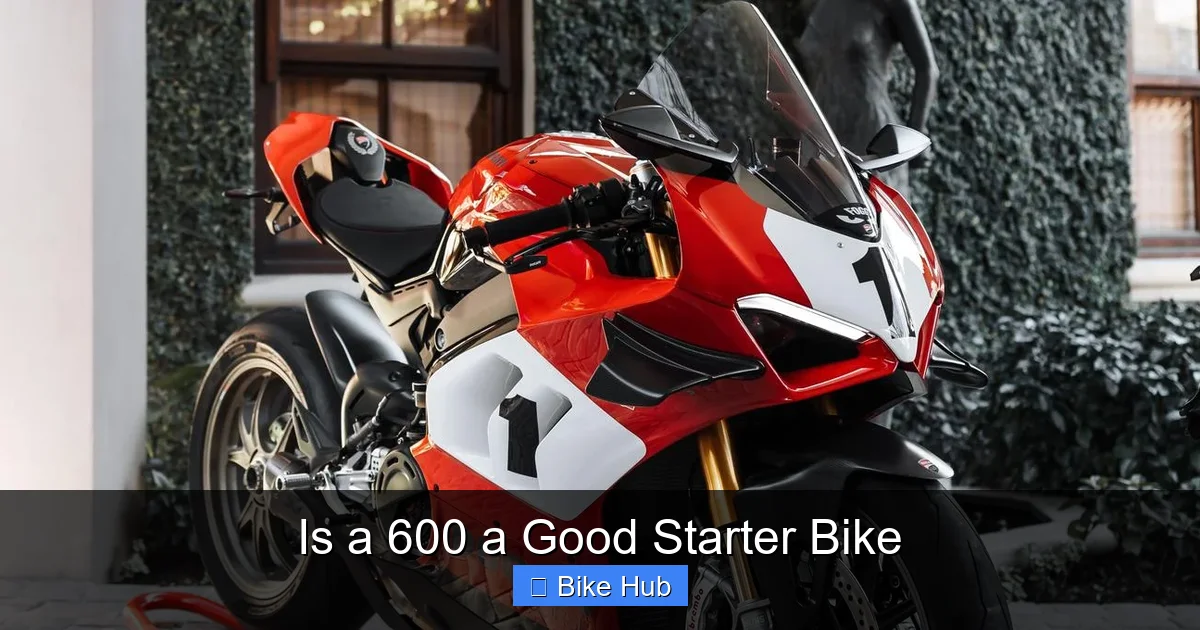
Visual guide about Is a 600 a Good Starter Bike
Image source: assets-global.website-files.com
When people say “a 600,” they’re usually referring to a 600cc sport bike—a lightweight, high-revving motorcycle designed for speed and agility. These bikes are often used in racing and are built for performance, not comfort or ease of use.
But engine size alone doesn’t tell the whole story. A 600cc inline-four engine can produce 100+ horsepower, which is more than enough to launch you from 0 to 60 mph in under 4 seconds. For context, that’s faster than many sports cars. While impressive, that kind of power requires precise control—something new riders are still developing.
Power Delivery and Throttle Sensitivity
One of the biggest challenges with 600cc bikes is how abruptly power comes on. Even at low RPMs, a slight twist of the throttle can send you surging forward. This “on/off” feel makes smooth acceleration difficult, especially in city traffic or tight turns.
New riders often overcorrect when startled, leading to accidental wheelies, skids, or loss of control. On a smaller bike (say, 300–500cc), the same mistake would result in a gentler response—giving you time to react and recover.
Weight and Maneuverability
Most 600cc sport bikes weigh between 400 and 450 pounds dry. That might not sound like much, but when you’re trying to back it up a ramp, make a U-turn in a parking lot, or catch it from tipping over, every pound counts.
Compare that to a beginner-friendly bike like the Honda Grom (180 lbs) or Kawasaki Ninja 400 (366 lbs), and the difference becomes obvious. Lighter bikes are easier to handle at slow speeds—a critical skill when you’re just starting out.
The Hidden Costs of Riding a 600cc Starter Bike
Visual guide about Is a 600 a Good Starter Bike
Image source: suprememotos.com
Beyond the purchase price, owning a 600cc bike comes with financial considerations that can catch new riders off guard.
Insurance Premiums
Insurance companies view 600cc motorcycles as high-risk, especially for young or inexperienced riders. Expect significantly higher premiums compared to smaller-displacement bikes. For example, a 20-year-old rider might pay $1,200/year to insure a Ninja ZX-6R but only $600/year for a Ninja 400.
Maintenance and Fuel Efficiency
High-performance engines demand premium fuel, frequent oil changes, and more expensive parts. A 600cc sport bike may get 35–40 mpg, while a 300cc bike can easily hit 60+ mpg. Over a year, that difference adds up—especially if you’re commuting daily.
Plus, if you drop your bike (a common mishap for beginners), repair costs on a 600cc model will be steeper due to pricier fairings, mirrors, and electronics.
Safety First: Why Skill Development Matters More Than Speed
Riding a motorcycle is inherently risky, but starting with an overly powerful bike increases that risk exponentially. The National Highway Traffic Safety Administration (NHTSA) reports that riders on sport bikes have higher accident rates, particularly in the first six months of riding.
Building Core Skills Gradually
New riders need time to develop essential skills like:
– Smooth throttle control
– Progressive braking
– Countersteering
– Situational awareness
A smaller bike allows you to practice these without fear of losing control. Once you’ve built confidence and muscle memory, upgrading to a 600cc bike feels natural—not terrifying.
The Role of Training
No matter what bike you choose, completing a Motorcycle Safety Foundation (MSF) course is non-negotiable. These courses teach low-speed maneuvers, emergency braking, and hazard avoidance in a controlled environment. Many also provide loaner bikes—so you can test ride different sizes before buying.
If you’re set on a 600cc bike, consider taking advanced training *after* you’ve logged 1,000+ miles on a smaller machine. Rushing into high performance without foundational skills is a recipe for disaster.
Better Starter Bike Alternatives Under 600cc
Before you commit to a 600, explore these beginner-friendly options that offer fun without the fear:
300cc to 400cc Standards and Sport Bikes
– **Kawasaki Ninja 400**: Lightweight, nimble, and capable of highway speeds—but forgiving for new riders.
– **Honda CB300R**: Naked bike style with upright seating, great for city riding and learning basics.
– **Yamaha YZF-R3**: Sporty looks with manageable power and excellent fuel economy.
These bikes let you enjoy the thrill of riding while minimizing risk. And when you’re ready to upgrade? You’ll appreciate the extra power even more.
Adventure and Dual-Sport Options
If you’re interested in off-road capability or long-distance touring, consider:
– **KTM 390 Adventure**
– **BMW G 310 GS**
These bikes are versatile, durable, and designed for real-world conditions—not just track days.
For tips on preparing your bike for longer journeys, check out our guide on how to prepare a mountain bike for long rides—many of the principles apply to adventure motorcycles too.
Troubleshooting Common Beginner Mistakes
Even with the right bike, new riders face challenges. Here’s how to avoid common pitfalls:
Overconfidence After a Few Rides
It’s easy to feel like an expert after a weekend on back roads. But motorcycling rewards humility. Stick to familiar routes, avoid highways until you’re comfortable, and never ride beyond your skill level.
Poor Maintenance Habits
Neglecting tire pressure, chain tension, or brake fluid can lead to dangerous failures. Regular maintenance is crucial—especially on high-performance bikes. Learn basic upkeep with our road bike maintenance guide, which covers essentials like cleaning, lubrication, and inspection.
Ignoring Weather Conditions
Rain, wind, and cold drastically affect traction and control. If you must ride in bad weather, read our tips on how to prepare for a rainy bike race—the advice applies to everyday commuting too.
When a 600cc Bike *Might* Be Okay for Beginners
We’ve been tough on 600s—but there are rare exceptions. A 600cc bike could be a reasonable starter option if:
– You’re an experienced rider transitioning from another vehicle (e.g., ATV or dirt bike).
– You’ve completed advanced training and have strong mechanical aptitude.
– You choose a detuned or “restricted” model (some European bikes offer power limiters for new riders).
– You’re taller and heavier, giving you better leverage over the bike’s weight.
Even then, we recommend starting with at least 500–1,000 miles on a smaller bike first.
Final Verdict: Think Twice Before Choosing a 600
So, is a 600 a good starter bike? For most new riders—**no**. The combination of high power, heavy weight, steep costs, and steep learning curve makes 600cc sport bikes a risky first choice.
Instead, opt for a bike under 500cc that lets you focus on skill-building, not survival. You’ll save money, reduce stress, and set yourself up for a lifetime of safe, enjoyable riding.
Remember: Motorcycling isn’t a race. The goal isn’t to ride the fastest bike—it’s to ride smart, stay safe, and keep coming back for more.



