
Looking to make your e-bike faster? This guide covers legal, safe, and practical methods—from optimizing tire pressure and reducing weight to upgrading components and tuning your motor. Speed up your ride without sacrificing safety or battery life.
Key Takeaways
- Check local laws first: Many regions limit e-bike speed to 20–28 mph. Modifying your bike may be illegal or void your warranty.
- Optimize tire pressure: Properly inflated tires reduce rolling resistance and improve speed and efficiency.
- Reduce bike weight: Lighter e-bikes accelerate faster and use less battery—swap heavy parts for lighter alternatives.
- Upgrade your battery: A higher-voltage or higher-capacity battery can deliver more power and extend range.
- Maintain your drivetrain: Clean and lubricate the chain regularly to reduce friction and improve performance.
- Consider a tune or unlock: Some e-bikes can be “unlocked” for higher speeds, but this may be risky and illegal.
- Improve aerodynamics: A streamlined riding position and accessories can help you cut through wind more efficiently.
How to Make My E-Bike Faster: A Complete Guide
If you’ve ever wondered, “How can I make my e-bike faster?” you’re not alone. Many riders want more speed for commuting, fitness, or just the thrill of a quicker ride. The good news? There are several safe, effective ways to boost your e-bike’s performance—without breaking the bank or the law.
In this guide, we’ll walk you through practical, step-by-step methods to increase your e-bike’s speed. From simple maintenance tweaks to smart upgrades, you’ll learn how to get the most out of your ride. We’ll also cover what not to do—because safety and legality matter just as much as speed.
Step 1: Check Local Laws and Regulations
Before you make any changes, it’s crucial to understand the legal limits for e-bikes in your area. In the U.S., for example, Class 1 and Class 2 e-bikes are limited to 20 mph, while Class 3 can go up to 28 mph. In Europe, the limit is typically 25 km/h (about 15.5 mph).
Visual guide about How to Make My E Bike Faster
Image source: foldingbikerider.com
Modifying your e-bike to exceed these limits may classify it as a motor vehicle, requiring registration, insurance, and a license. It could also void your warranty or make your bike illegal to ride on bike paths. Always check your local regulations before making speed-related changes.
Step 2: Optimize Tire Pressure and Type
One of the easiest and most effective ways to make your e-bike faster is by using the right tires and keeping them properly inflated.
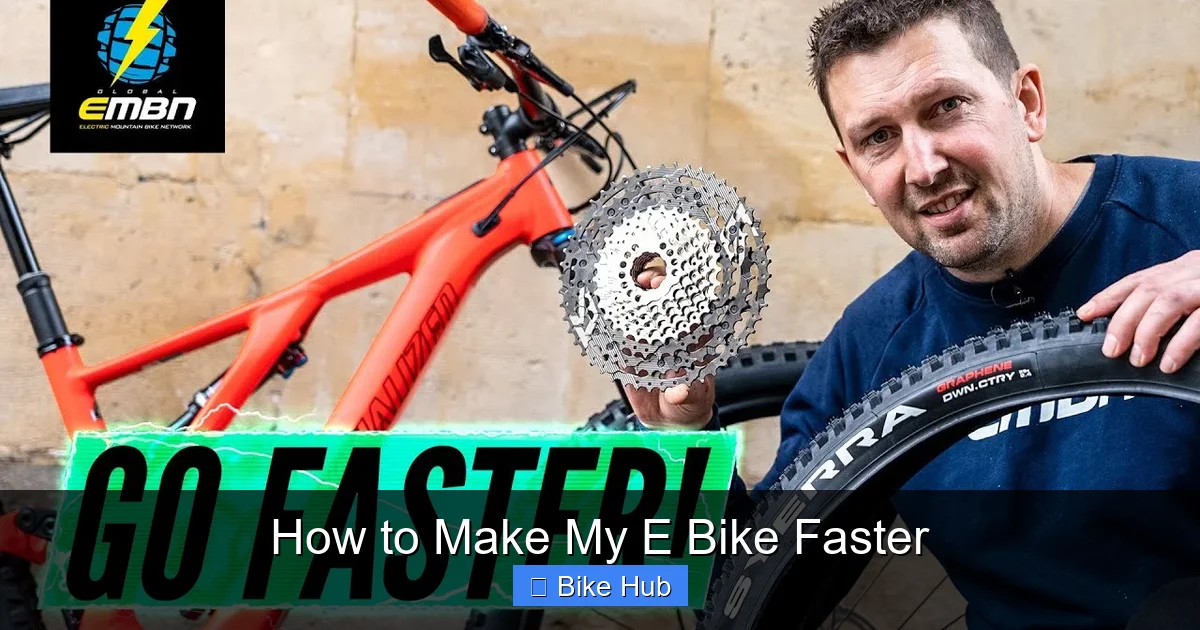
Visual guide about How to Make My E Bike Faster
Image source: i.ytimg.com
Check Tire Pressure Regularly
Underinflated tires create more rolling resistance, which slows you down and drains your battery faster. Use a reliable gauge to check pressure weekly. Most e-bike tires recommend between 40–65 PSI, but check the sidewall for exact numbers.
For a quick fix, learn how to inflate bike tires without a pump using portable CO2 inflators or gas station air—perfect for on-the-go top-ups.
Choose Low-Resistance Tires
Switch to slick or semi-slick tires with minimal tread. These reduce friction on pavement and improve speed. For road or commuter e-bikes, consider lightweight, high-pressure tires designed for efficiency.
If you’re unsure which tires to pick, read our guide on how to choose road bike tires—many tips apply to e-bikes too.
Step 3: Reduce Weight Where Possible
A lighter e-bike accelerates faster and uses less battery power. While e-bikes are inherently heavy due to motors and batteries, you can shed unnecessary pounds.
Upgrade to Lighter Components
Swap heavy parts like the saddle, handlebars, or rack for lightweight aluminum or carbon fiber versions. Even small changes add up.
Remove Unnecessary Accessories
Take off racks, baskets, or mudguards you don’t need. For example, if you’re not carrying gear, ditch the DIY bike rack you built last summer. Less weight means more speed.
Consider a Lighter Battery
Some high-performance batteries are lighter than standard ones. If your current battery is bulky, research lighter lithium-ion options that fit your model.
Step 4: Upgrade Your Battery
Your battery is the heart of your e-bike’s performance. A stronger battery can deliver more power, increasing speed and range.
Increase Voltage or Capacity
Upgrading to a higher-voltage battery (e.g., from 36V to 48V) can boost motor output. Alternatively, a higher-capacity battery (measured in amp-hours, or Ah) gives you more energy for sustained speed.
⚠️ Warning: Only use batteries compatible with your motor and controller. Mismatched voltages can damage your system or cause fires.
Maintain Battery Health
Keep your battery charged between 20% and 80% for longevity. Avoid extreme temperatures and store it properly. For tips, see our guide on how to store bike lubricant—similar principles apply to battery care.
Step 5: Maintain Your Drivetrain
A clean, well-lubricated drivetrain reduces friction and helps your motor work more efficiently.
Clean and Lubricate the Chain
Use a degreaser to remove dirt and old lube, then apply a quality bike chain oil. Wipe off excess to prevent grime buildup. For fat tire bikes, follow our guide on how to oil a fat tire bike chain.
Check for Wear
A worn chain or cassette can slip or resist motion, slowing you down. Replace them if they show signs of wear—like stretched links or sharp teeth.
Step 6: Improve Aerodynamics
At higher speeds, air resistance becomes a major factor. You can’t change your e-bike’s shape much, but you can adjust your riding style.
Adopt a Streamlined Position
Lower your torso, tuck your elbows in, and keep your head down. This reduces wind drag and helps you cut through the air more easily.
Use Aerodynamic Accessories
Attach a sleek front fairing or use a backpack instead of a bulky basket. Even wearing tighter clothing helps.
Step 7: Consider a Tune or Unlock (With Caution)
Some e-bikes come with speed limiters that can be removed via software or hardware tweaks. This is often called “unlocking” or “tuning.”
Use a Speed Unlock Device
Devices like the “DPC-14” or “Speedbox” can trick your motor into thinking the wheel is smaller, allowing higher speeds. These are popular in Europe but may be illegal in your area.
Install a Tuning Kit
Some kits allow you to adjust pedal-assist levels or remove speed caps. Again, check local laws—and your warranty—before proceeding.
⚠️ Important: Tampering with your e-bike’s electronics can be dangerous. It may cause overheating, battery failure, or loss of control. Only attempt this if you’re experienced or working with a professional.
Step 8: Upgrade Your Motor (Advanced)
If you’re serious about speed, consider upgrading to a more powerful motor. However, this is a complex and costly process.
Choose a Compatible Motor
Look for a motor with higher wattage (e.g., 750W instead of 500W) and ensure it fits your frame and battery. Mid-drive motors often offer better performance than hub motors.
Consult a Professional
Motor swaps require mechanical and electrical expertise. Unless you’re highly skilled, hire a certified e-bike technician.
Troubleshooting Common Speed Issues
Sometimes, your e-bike feels slow not because it’s underpowered—but because something is wrong.
Battery Not Holding Charge
If your battery drains quickly or cuts out, it may be old or damaged. Test it with a multimeter or replace it.
Motor Overheating
Pushing your motor too hard can cause it to overheat and throttle back. Let it cool down and avoid steep hills at full power.
Brake Drag
Misaligned brakes can rub against the wheel, slowing you down. Adjust the calipers or pads so they don’t touch when not engaged.
Wobbly Wheels
Loose or bent wheels create drag and instability. Learn how to fix bike wheel wobble to keep your ride smooth and fast.
Conclusion
Making your e-bike faster doesn’t require a complete overhaul. Start with simple steps: inflate your tires, clean your chain, and reduce weight. These small changes can make a big difference in speed and efficiency.
For bigger gains, consider upgrading your battery or tires—but always stay within legal limits and prioritize safety. Avoid risky modifications like motor tuning unless you fully understand the risks.
With the right approach, you can enjoy a faster, smoother, and more thrilling e-bike ride—without compromising reliability or safety. Now get out there and feel the wind in your hair!



