
In Texas, you generally cannot be charged with a DUI on a traditional bicycle, but you can face other legal consequences for riding under the influence. Electric bikes and motorized cycles may fall under different rules, and impaired riding can still lead to fines, citations, or safety risks.
Key Takeaways
- Bicycles are not motor vehicles: In Texas, standard pedal bikes are not classified as motor vehicles, so DUI laws don’t apply in the traditional sense.
- Electric bikes may be treated differently: If your e-bike has a motor over 750 watts or can exceed 20 mph, it may be classified as a moped or motorcycle, bringing DUI laws into play.
- Public intoxication and disorderly conduct charges are possible: Even without a DUI, police can arrest you for being drunk in public or creating a hazard.
- Safety risks increase when impaired: Riding a bike while intoxicated reduces balance, reaction time, and judgment—raising accident risks.
- Know local ordinances: Some cities have specific rules about cycling under the influence, including fines or equipment requirements.
- Prevention is key: Plan ahead—use rideshares, public transit, or stay overnight instead of biking while impaired.
- Legal advice matters: If you’re cited or arrested, consult a Texas traffic attorney familiar with bicycle laws.
Can You Get a DUI on a Bike in Texas? A Complete Guide
If you’re a cyclist in Texas, you might assume that because your bike doesn’t have an engine, you’re free from DUI laws. After all, you’re not driving a car—you’re pedaling. But the reality is more nuanced. While you likely won’t be charged with a standard DUI (Driving Under the Influence) on a regular bicycle, there are still legal and safety implications to consider when riding after drinking.
This guide will walk you through everything you need to know about cycling under the influence in Texas—from state laws and local rules to practical safety tips. By the end, you’ll understand your rights, the risks involved, and how to stay both legal and safe on two wheels.
Understanding Texas DUI Laws and Bicycles
In Texas, DUI (Driving Under the Influence) charges typically apply to motor vehicles. The legal definition of a “motor vehicle” includes cars, trucks, motorcycles, and other engine-powered machines. Traditional bicycles—those powered solely by human pedaling—are not considered motor vehicles under Texas law.
That means if you’re riding a standard bike while intoxicated, you generally cannot be charged with a DUI. However, that doesn’t mean you’re off the hook entirely.
What the Law Says
Texas Transportation Code § 541.201 defines a motor vehicle as “a device in, on, or by which a person or property is or may be transported or drawn on a highway, except a device used exclusively on stationary rails or tracks.” Since bicycles don’t use motors, they fall outside this definition.
But here’s the catch: even though you can’t get a DUI on a regular bike, law enforcement can still take action if your behavior poses a public risk.
Alternative Charges You Might Face
Even without a DUI, you could be cited or arrested for:
– Public Intoxication (Texas Penal Code § 49.02): If you’re drunk in a public place and a danger to yourself or others, you can be arrested.
– Disorderly Conduct: Swerving, yelling, or causing a disturbance while riding drunk could lead to this charge.
– Reckless Driving or Endangerment: If your impaired riding creates a hazard, police may intervene.
These charges carry fines, possible jail time, and a criminal record—so it’s not something to take lightly.
Electric Bikes and DUI Risks
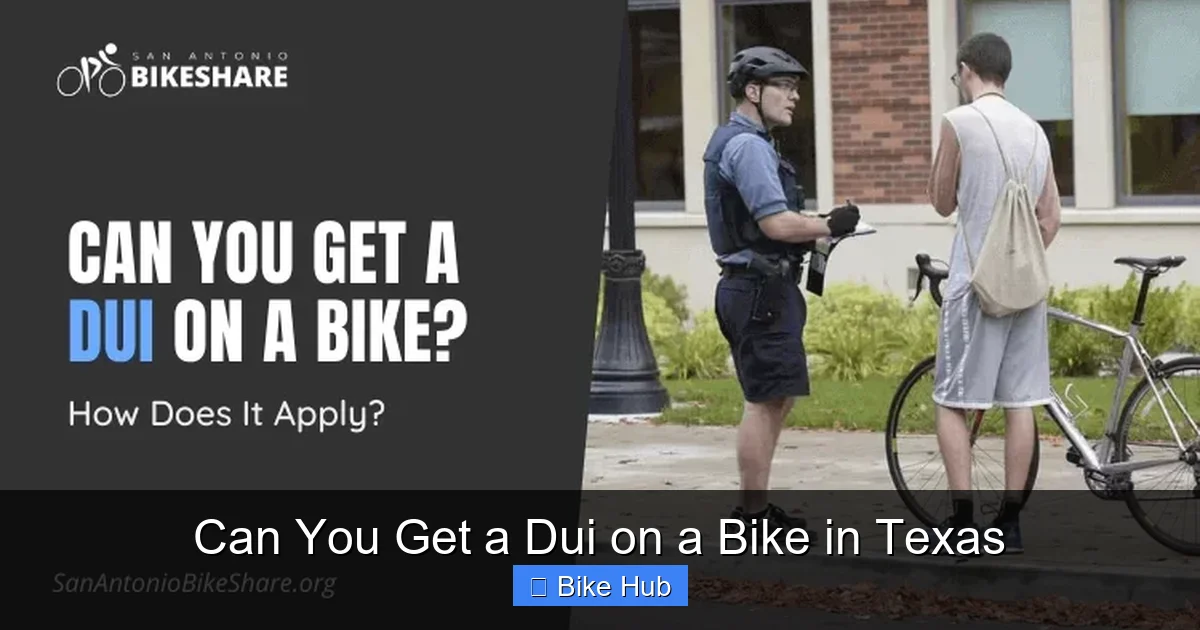
Visual guide about Can You Get a Dui on a Bike in Texas
Image source: sanantoniobikeshare.org
Now, let’s talk about electric bikes (e-bikes). This is where things get more complicated.
In Texas, e-bikes are classified into three categories based on speed and motor power:
– Class 1: Pedal-assist only, max speed 20 mph.
– Class 2: Throttle-assisted, max speed 20 mph.
– Class 3: Pedal-assist, max speed 28 mph.
If your e-bike fits within these classes and has a motor under 750 watts, it’s generally treated like a regular bicycle. No license, registration, or insurance is required—and DUI laws don’t apply.
But What If Your E-Bike Exceeds These Limits?
If your e-bike has a motor over 750 watts or can go faster than 20 mph without pedaling, it may be reclassified as a motor-driven cycle or even a motorcycle. In that case, Texas DUI laws do apply.
That means riding such a vehicle while intoxicated could result in a DUI charge—just like driving a car or motorcycle. Penalties include fines, license suspension, mandatory classes, and even jail time for repeat offenses.
Always check your e-bike’s specs. If you’re unsure, consult the manufacturer or a local bike shop. Better yet, avoid riding any motorized vehicle after drinking.
Safety Risks of Riding Impaired
Even if you avoid legal trouble, riding a bike while intoxicated is dangerous. Alcohol affects your balance, coordination, reaction time, and decision-making—all critical skills for safe cycling.
Real-World Consequences
Imagine you’ve had a few drinks at a friend’s house and decide to bike home. You might:
– Swerve into traffic or sidewalks.
– Fail to see stop signs or traffic lights.
– Lose control on turns or bumps.
– Be less aware of cars, pedestrians, or road hazards.
According to the National Highway Traffic Safety Administration (NHTSA), alcohol is a factor in a significant number of cyclist fatalities. In 2022, 20% of bicyclists killed in crashes had a blood alcohol concentration (BAC) of 0.08% or higher—the legal limit for drivers.
And remember: even if you’re not breaking the law, a fall or collision could lead to serious injury—or worse.
Protect Yourself and Others
To stay safe:
– Plan ahead: If you’re drinking, don’t rely on your bike for transportation.
– Use alternatives: Call a rideshare, take public transit, or stay overnight.
– Wear safety gear: Always use a helmet and lights, especially at night. For tips, check out our guide on how to install lights on a fat tire bike to improve visibility.
– Know your limits: Even one drink can impair your abilities.
Local Ordinances and City-Specific Rules
While Texas state law is clear, individual cities may have their own rules about cycling under the influence.
For example:
– Some cities prohibit riding a bike while intoxicated in public parks or on certain trails.
– Others require bikes to have lights, bells, or reflectors—especially at night—and may issue fines for non-compliance.
– A few municipalities have “open container” laws that apply to cyclists, meaning you can’t carry or consume alcohol while riding.
Always check your local city code or consult your city’s transportation department. When in doubt, assume that impaired riding is discouraged—and potentially punishable.
What to Do If You’re Stopped by Police
If a police officer stops you while riding your bike and suspects you’re intoxicated, here’s how to handle it:
Stay Calm and Cooperative
– Don’t argue or resist.
– Provide your name and address if asked.
– Avoid making sudden movements.
Know Your Rights
– You are not required to take a field sobriety test on a bicycle (since DUI doesn’t apply).
– However, if you’re on a motorized bike classified as a moped or motorcycle, different rules may apply.
– You can politely decline to answer questions beyond basic identification.
Document the Interaction
If you believe you were treated unfairly, note the officer’s badge number, patrol car number, and time/location of the stop. This can be useful if you need to file a complaint or seek legal advice.
Troubleshooting Common Scenarios
“I Was Riding My E-Bike and Got Pulled Over—Can I Get a DUI?”
It depends on your bike’s classification. If it’s a Class 1, 2, or 3 e-bike, no—DUI doesn’t apply. But if it’s motorized beyond those limits, yes, you could face charges. Always verify your e-bike’s specs.
“I Fell Off My Bike While Drunk—Can I Be Arrested?”
If you’re in a public place and deemed a danger to yourself or others, you could be arrested for public intoxication—even if no one was hurt.
“My Friend Rode Home Drunk and Got a Ticket—What Now?”
They should consult a local attorney familiar with Texas bicycle and traffic laws. Fines may be reduced or dismissed with proper representation.
Conclusion
So, can you get a DUI on a bike in Texas? The short answer: not on a standard bicycle. But that doesn’t mean you’re in the clear. Impaired cycling can still lead to legal trouble, safety risks, and serious consequences.
Whether you’re riding a road bike, mountain bike, or e-bike, the best policy is to avoid alcohol before cycling. Plan your route, use safety gear, and choose safer transportation when needed. For long rides, consider how to prepare a mountain bike for long rides to ensure you’re ready for the journey.
And if you’re ever in doubt, remember: it’s always better to walk, wait, or call a ride than to risk your safety—and your freedom—on two wheels.
Stay smart, stay safe, and keep pedaling responsibly.



