
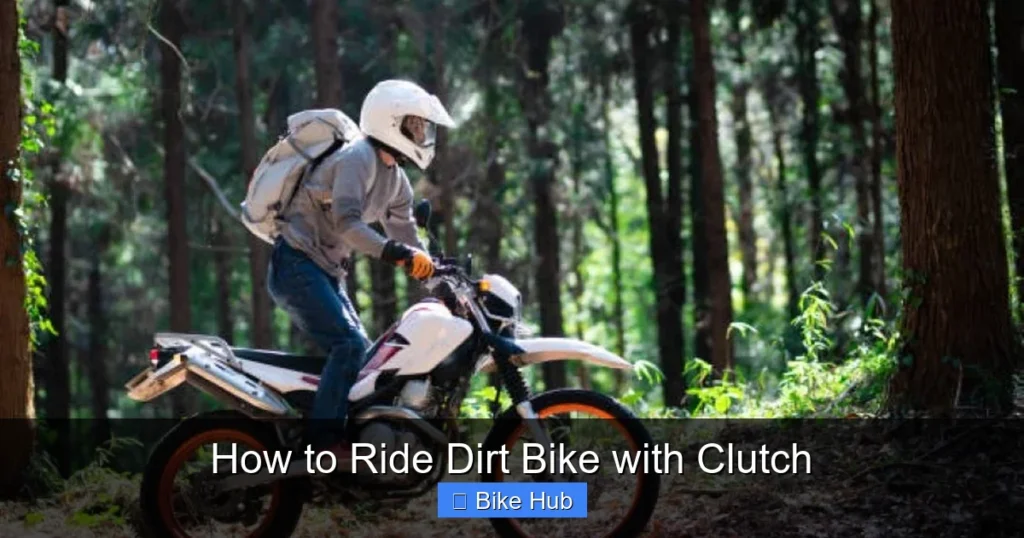
Learning to ride a dirt bike with clutch control is essential for mastering off-road riding. This guide breaks down clutch operation, starting, shifting, and advanced techniques to help beginners and riders improve their skills safely and confidently.
Key Takeaways
- Understand clutch basics: The clutch connects and disconnects engine power to the rear wheel, allowing smooth starts and gear changes.
- Practice in a safe area: Always begin on flat, open terrain free of traffic or obstacles to build confidence.
- Use the friction zone: This critical range of clutch engagement helps control power delivery during slow-speed maneuvers.
- Shift smoothly: Coordinate clutch, throttle, and gear lever to avoid stalling or jerky movements.
- Master hill starts: Use rear brake and clutch control to prevent rolling backward on inclines.
- Wear proper gear: Always ride with a helmet, gloves, boots, and protective clothing for safety.
- Be patient: Clutch control takes time—practice regularly to build muscle memory and confidence.
Introduction: Why Clutch Control Matters
Learning how to ride a dirt bike with clutch is one of the most important skills for any off-road rider. Unlike automatic motorcycles, most dirt bikes use a manual clutch, which gives you full control over power delivery, speed, and traction. Mastering the clutch allows you to start smoothly, shift gears seamlessly, and navigate tricky terrain like hills, mud, and rocks with confidence.
This guide will walk you through everything you need to know—from understanding how the clutch works to practicing essential techniques and troubleshooting common problems. Whether you’re a complete beginner or looking to refine your skills, these step-by-step instructions will help you become a more capable and confident dirt bike rider.
Understanding the Dirt Bike Clutch
Before you start riding, it’s important to understand what the clutch does and how it works. The clutch is a mechanical device that temporarily disconnects the engine from the transmission. When you pull the clutch lever, it disengages power so you can shift gears or come to a stop without stalling the engine.
On a dirt bike, the clutch lever is located on the left handlebar. When fully pulled in, the engine spins freely. When released, it gradually connects to the rear wheel, sending power through the drivetrain. The key to smooth riding is learning how to control this connection—especially in the “friction zone.”
What Is the Friction Zone?
The friction zone is the range where the clutch plates are partially engaged. It’s the sweet spot between full disengagement (lever pulled) and full engagement (lever released). This zone allows you to control power delivery at low speeds, making it essential for starting, slow maneuvers, and technical riding.
For example, when starting from a stop, you slowly release the clutch lever until the bike begins to move—this is the friction zone in action. Too fast, and the engine stalls. Too slow, and the bike lurches forward.
Getting Started: Safety and Setup
Before you hop on your dirt bike, make sure you’re prepared for a safe and effective practice session.
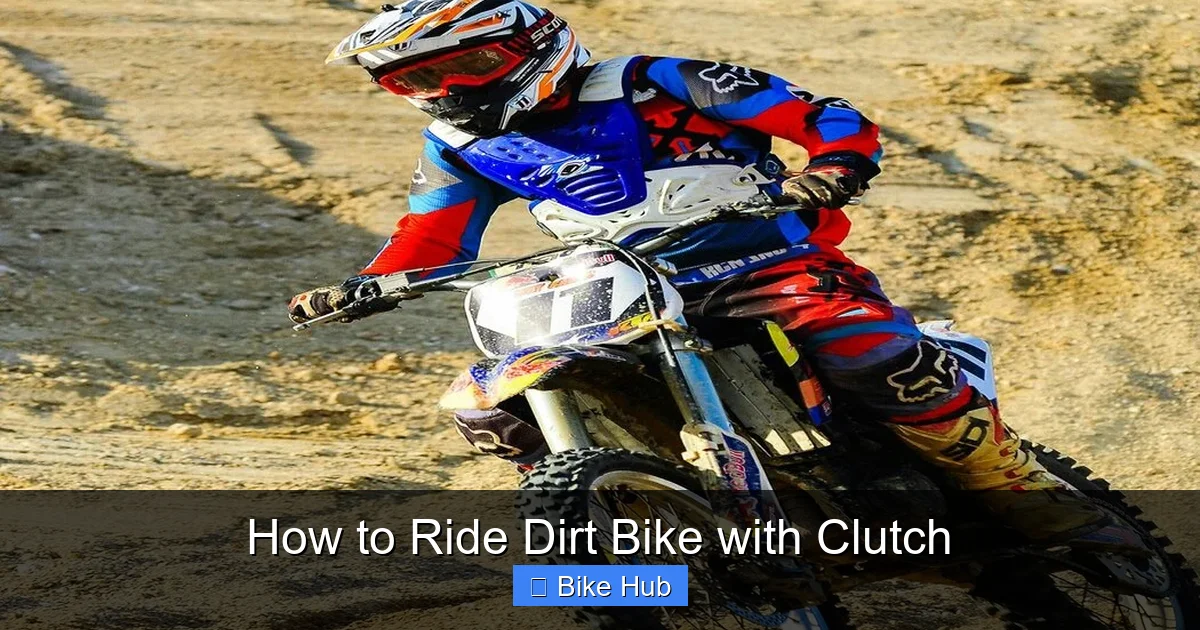
Visual guide about How to Ride Dirt Bike with Clutch
Image source: dirtbikea.com
Wear Proper Protective Gear
Always wear a full-face helmet, gloves, goggles, long sleeves, pants, and sturdy boots. A chest protector and knee braces are also recommended. Safety should always come first—especially when learning new skills.
If you’re unsure about gear, check out our guide on how to ride with a helmet in hot weather for tips on staying cool and protected.
Choose the Right Practice Area
Find a flat, open area with soft ground—like a field or empty parking lot. Avoid roads, traffic, or steep hills at first. The goal is to practice without pressure or danger.
Check Your Bike
Make sure your dirt bike is in good working order. Check tire pressure, oil level, chain tension, and brake function. A well-maintained bike is easier to control and safer to ride.
Step-by-Step: Starting and Riding with the Clutch
Now that you’re ready, let’s walk through the basics of starting and riding your dirt bike using the clutch.
Step 1: Mount the Bike and Get Comfortable
Stand over the bike with both feet flat on the ground. Hold the handlebars firmly and make sure the bike is upright. Turn the ignition on and ensure the bike is in neutral (the neutral light on the dashboard should be on).
Step 2: Start the Engine
Pull in the clutch lever fully. Press the starter button or kick-start the engine. Once it’s running, let it warm up for 30–60 seconds, especially if it’s cold outside.
Step 3: Shift into First Gear
With the clutch still pulled in, press down on the gear shifter with your left foot to shift into first gear. You should feel a slight click. If you hear grinding, the clutch may not be fully engaged—pull it in again and try shifting.
Step 4: Begin Moving (The Friction Zone)
This is the most important part. Slowly release the clutch lever while gently applying throttle with your right hand. As the clutch reaches the friction zone, the bike will start to move forward. Keep releasing the clutch smoothly until it’s fully out.
If the engine stalls, pull the clutch back in, shift to neutral, restart, and try again. It’s normal to stall a few times when learning.
Step 5: Practice Stopping and Restarting
To stop, pull in the clutch lever and apply both front and rear brakes gently. Come to a complete stop with your feet down. To restart, shift back to first gear and repeat the process.
Step 6: Learn to Shift Gears
Once you’re moving, practice shifting up and down. To shift up, roll off the throttle, pull in the clutch, tap the shifter up with your foot, and release the clutch while reapplying throttle. To downshift, do the same but press the shifter down.
Smooth coordination between clutch, throttle, and gear changes is key. Avoid “dumping” the clutch—this causes jerky movements and can damage the transmission.
Advanced Clutch Techniques
Once you’re comfortable with basic riding, you can start using the clutch for more advanced maneuvers.
Hill Starts
Starting on a hill is tricky because gravity wants to pull you backward. To prevent rolling back, use the rear brake while slowly releasing the clutch. As the bike begins to move forward, release the brake and apply throttle.
Slow-Speed Control
For tight turns or technical sections, use the friction zone to “feather” the clutch. This keeps the engine running while giving you precise control over speed. It’s especially useful in mud, sand, or rocky terrain.
Clutchless Shifting (Advanced)
Experienced riders sometimes shift without using the clutch by matching engine speed to gear speed. However, this should only be attempted after mastering clutch control, as it can damage the transmission if done incorrectly.
Troubleshooting Common Problems
Even experienced riders run into issues. Here are some common problems and how to fix them.
Bike Stalls When Starting
This usually means you’re releasing the clutch too quickly or not giving enough throttle. Practice finding the friction zone slowly and smoothly.
Hard to Shift Gears
Make sure the clutch is fully pulled in when shifting. If it’s still difficult, check the clutch cable tension or clutch plates—they may need adjustment or replacement.
Clutch Slipping
If the engine revs but the bike doesn’t accelerate, the clutch may be worn. This is common after heavy use. Have it inspected by a mechanic.
Bike Jerks or Lurches
This often happens when the clutch is released too fast. Focus on smooth, gradual movements. Practice in a safe area until it feels natural.
Tips for Building Confidence
Learning to ride a dirt bike with clutch takes time and patience. Here are a few tips to help you improve faster:
- Practice daily: Even 15–20 minutes a day can make a big difference.
- Start slow: Focus on control before speed.
- Watch experienced riders: Observe how they use the clutch in different situations.
- Stay relaxed: Tension in your arms or body makes control harder.
- Take breaks: Fatigue leads to mistakes—rest when needed.
If you’re also interested in bike maintenance, check out our guide on how to oil a fat tire bike chain to keep your drivetrain running smoothly.
Conclusion: Master the Clutch, Master the Ride
Mastering the clutch is the foundation of confident dirt bike riding. It gives you control over power, speed, and traction—especially in challenging off-road conditions. While it may feel awkward at first, consistent practice will build muscle memory and make clutch operation second nature.
Remember to start slow, wear proper gear, and practice in a safe environment. With time and patience, you’ll be navigating hills, trails, and jumps with ease. And if you’re preparing for longer rides, don’t forget to review our tips on how to prepare a mountain bike for long rides to ensure your bike is ready for adventure.
Now get out there, practice your clutch control, and enjoy the ride!



