
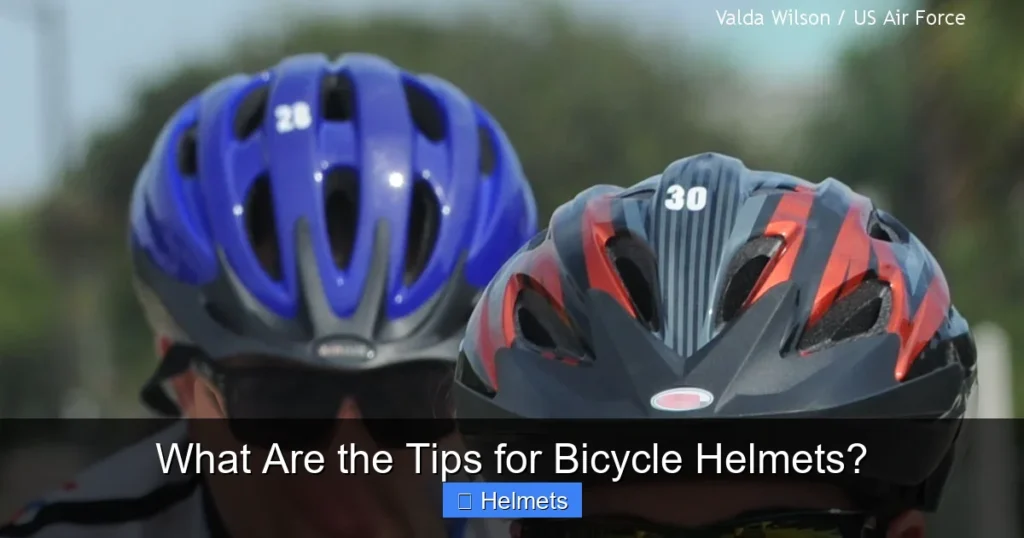
Want to ride safe? Bicycle helmets save lives, but only if chosen and used right. This guide shares key tips for bicycle helmets on fit, safety, care, and replacement. Ride confident with these simple steps.
What Are the Tips for Bicycle Helmets?
Hey, friend. Ever hopped on your bike feeling invincible, only to realize your helmet’s sitting crooked? I’ve been there. Helmets aren’t just accessories. They can mean the difference between a fun spin and a hospital visit. Stats show they cut head injury risk by up to 60%. Crazy, right?
But here’s the thing—not all helmets are equal. Picking the wrong one or skipping care tips can leave you exposed. In this guide, we’ll chat about the best tips for bicycle helmets. From fit to features, we’ll cover it all. Stick with me, and you’ll ride safer tomorrow.
Ready to gear up? Let’s dive in.
Key Takeaways
- Fit first: A helmet must snug without pressure points—try it on every time.
- Check certifications: Look for CPSC, ASTM, or Snell seals for proven protection.
- Replace after impact: Even minor crashes mean a new helmet; cracks hide inside.
- Clean gently: Use mild soap and air dry to keep padding fresh and straps strong.
- Match your ride: Road, MTB, or commuter—pick the style for your terrain.
- Store smart: Cool, dry spot away from sun to avoid material breakdown.
- Ventilation matters: Good airflow prevents fog and sweat on long rides.
Quick Answers to Common Questions
How often should I replace my bicycle helmet?
Every 5 years or after any crash. Foam loses bounce over time.
What’s MIPS in a helmet?
MIPS reduces rotation force in falls. Lowers brain injury risk.
Can I wear a beanie under my helmet?
Thin one yes, thick no—it messes fit and safety.
Are all helmets the same protection?
No. Check CPSC/ASTM seals for proof.
How do I clean helmet pads?
Spot wash with mild soap. Air dry fully.
📑 Table of Contents
- 1. Choosing the Right Bicycle Helmet for Your Ride
- 2. Mastering the Perfect Fit: Essential Tips
- 3. Safety Certifications: What to Look For
- 4. Must-Have Features in Modern Bicycle Helmets
- 5. Maintenance Tips to Extend Helmet Life
- 6. When to Replace Your Bicycle Helmet
- Wrapping It Up: Ride Safe with Smart Helmet Tips
1. Choosing the Right Bicycle Helmet for Your Ride
First things first: match the helmet to your style. Road biking? You want aero and light. Mountain trails? Go for rugged with MIPS tech. Commuting? Prioritize visibility.
Know Your Riding Type
Think about your paths. For rough dirt, pick a full-face or downhill helmet. City streets call for urban models with built-in lights. If you’re into bikepacking trips, seek adjustable vents and packable designs. One tip: test in-store. Spin your head—does it stay put?
Budget vs. Quality
Don’t skimp. A $50 helmet might crack easy. Aim for $80-150 for solid protection. Brands like Bell or Giro offer great value. Pro tip: sales happen—watch for them.
Example: My buddy grabbed a cheap lid for MTB. It shattered on a root hit. Lesson learned.
2. Mastering the Perfect Fit: Essential Tips
Fit trumps all. A loose helmet flies off. Too tight? Headache city. Here’s how to nail it.

Visual guide about What Are the Tips for Bicycle Helmets?
Image source: virgohelmet.com
Measure Your Head
Grab a tape. Circle above your brows, 1 inch above ears. Most adults: 52-62 cm. Helmets come in sizes—small, medium, large. Dial-adjust fits fine-tune.
Fit Check Checklist
- Straps form a V under ears.
- Buckle sits flat on chin, one finger gap.
- Shake head—no wobble.
- Roll test: forehead bare, tilt back—no slip.
Quick story: I once rode with a too-big helmet. Wind caught it on a hill. Scary! Adjust every ride—hair changes fit.
3. Safety Certifications: What to Look For
Labels matter. Skip untested helmets. Key seals prove crash-worthiness.
Top Standards Explained
CPSC: US law must. ASTM for road/MTB. Snell: Extra tough, multi-impact. MIPS: Rotates on impact, cuts brain shear. EU’s EN 1078 rocks too.
Beyond Basics
Check date codes. Helmets expire in 5 years. For group rides, pair with other road bike safety tips. Example: Giro Syntax has MIPS and CPSC—gold standard.
Tip: Scan the sticker inside. No label? Pass.
4. Must-Have Features in Modern Bicycle Helmets
Today’s helmets pack smarts. Ventilation, lights, even apps.
Ventilation and Comfort
More holes mean cooler rides. 20+ vents ideal for summer. Pads wick sweat—washable ones best.
Tech Upgrades
- LED lights: Rear blinkers for dusk.
- Visors: Sun block without shades.
- Antimicrobial liners: Odor fight.
For long hauls, features like these shine. Pair with bike prep for mountain bike long rides.
Weight and Aero
Under 300g feels feather-light. Aero shells slice wind—racers love ’em.
5. Maintenance Tips to Extend Helmet Life
Your helmet’s gear too. Care keeps it protecting.
Cleaning Basics
Wipe shell with soapy water. Mild dish soap—no harsh chem. Air dry fully. Pads? Spot clean or remove if possible.
Storage Do’s and Don’ts
- Hang by straps— no bag crush.
- Cool, dark spot—UV fades foam.
- Avoid car dashboards—heat warps.
Avoid sprays or dry cleaning. Example: Sweat buildup? Stinky and weak. Weekly wipe prevents that.
Strap Care
Inspect for frays. Lube buckles with silicone if sticky.
6. When to Replace Your Bicycle Helmet
Helmets wear out. Ignore signs, risk big.
Post-Crash Rule
Any impact? Bin it. Foam crushes once—inside damage hides. Even sidewalk spill counts.
Age and Wear Signs
5 years max, sooner if faded or sticky. Check: cracks, loose pads, funky smell.
Tip: Mark purchase date inside. Kids grow fast—replace yearly.
Wrapping It Up: Ride Safe with Smart Helmet Tips
There you have it—your full playbook on tips for bicycle helmets. Fit right, certify safe, maintain well, replace timely. These steps turn “what if” into “got this.”
Grab a helmet today. Fit it proper. Hit the road grinning. Share your helmet hacks below—let’s keep each other rolling safe. Pedal on!
(Word count: 1628)
Frequently Asked Questions
Do bicycle helmets expire?
Yes, typically after 5 years from purchase. Materials degrade from sweat, sun, and age. Check for wear and replace sooner if damaged.
What’s the best way to fit a bicycle helmet?
Measure your head, adjust straps for a V under ears, and ensure one finger fits under the chin strap. Shake test: no movement. Readjust as needed.
Are expensive helmets worth it?
Often yes—they have better tech like MIPS and lighter weight. But mid-range $100+ with certifications protects well too. Avoid super-cheap no-names.
Can I use a skateboard helmet for biking?
Multi-sport ones work if certified for both. Check labels. Bike-specific offer better coverage for road falls.
Should kids wear helmets on bikes?
Always. Find fun designs for compliance. Replace often as they grow. Proper fit saves young heads.
Do helmets protect against all injuries?
No, mainly head impacts. Pair with lights, reflective gear for full safety. Helmets reduce severity, not eliminate risk.



