
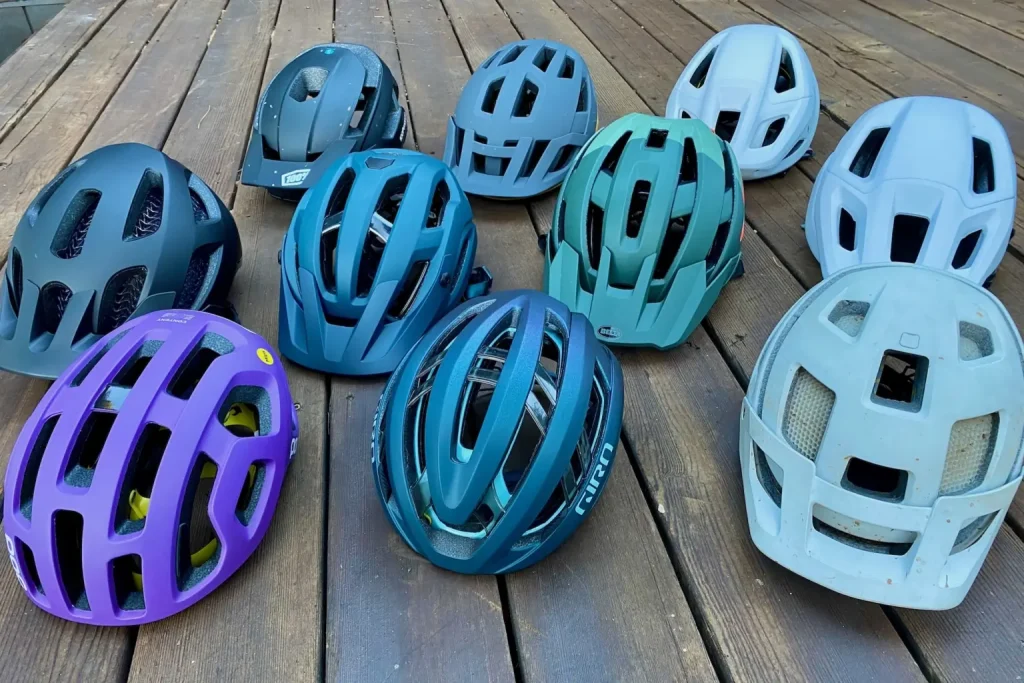
Choosing the right helmet for your bikepacking trip isn’t just about style—it’s about your safety and comfort on the road. You want a helmet that fits perfectly, protects well, and feels light even after hours of riding.
But with so many options out there, how do you know which one is right for you? This guide will help you cut through the noise and find a helmet that keeps you safe without slowing you down. Keep reading, and you’ll discover exactly what to look for to make your next adventure safer and more enjoyable.
Helmet Types For Bikepacking
Choosing the right helmet helps keep you safe on bikepacking trips. Different helmets suit different riding styles and conditions.
Knowing the types of helmets will help you pick one that matches your needs and comfort.
Road Helmets
Road helmets are light and well-ventilated. They focus on aerodynamics to reduce air resistance. These helmets work best on smooth roads and long rides.
Mountain Bike Helmets
Mountain bike helmets offer more coverage, especially at the back of the head. They have better ventilation and often include visors to block sun and branches.
- Extra protection for rough trails
- Visor for sun and debris
- Good ventilation for hard climbs
- More durable shell
Full-face Helmets
Full-face helmets cover the entire head and face. They provide the most protection for downhill and technical riding. These helmets are heavier and less ventilated.
Multi-sport Helmets
Multi-sport helmets fit various activities like biking, climbing, and skating. They offer balanced protection and comfort for different uses.
| Helmet Type | Main Use | Key Feature | Weight |
| Road Helmet | Road cycling | Aerodynamic and light | Light |
| Mountain Bike Helmet | Off-road trails | Extra coverage and visor | Medium |
| Full-Face Helmet | Downhill and technical | Full head and face protection | Heavy |
| Multi-Sport Helmet | Various sports | Versatile and balanced | Medium |
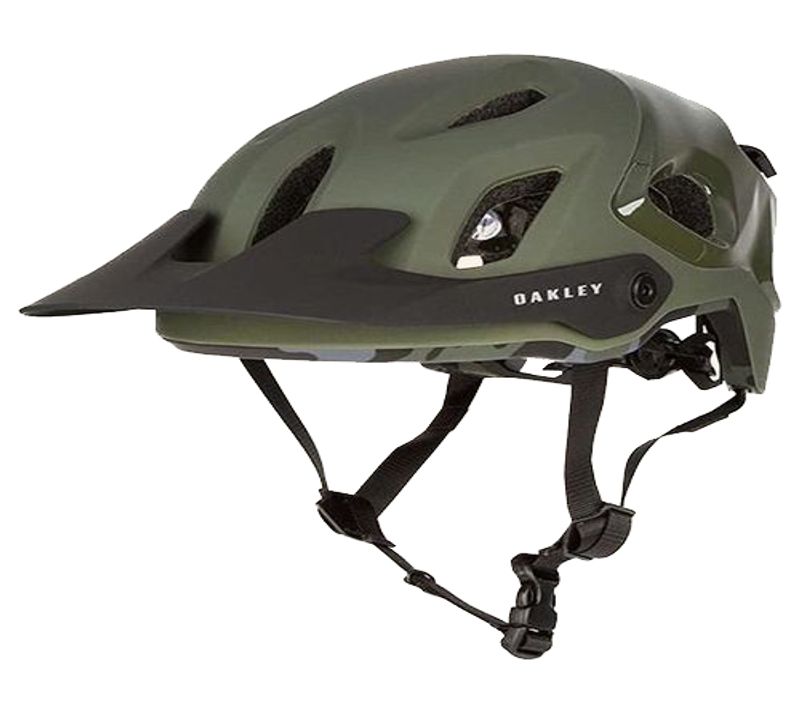
Credit: www.calltoadventure.uk
Key Safety Features
Choosing the right helmet is crucial for bikepacking trips. Safety features protect your head during accidents. Understanding these features helps you pick the best helmet.
This guide explains four important safety features you should look for in a bikepacking helmet.
Impact Protection
Impact protection means the helmet can absorb shock during a crash. Most helmets use foam liners that crush to reduce force. Look for helmets that meet safety standards like CPSC or EN 1078.
Mips Technology
MIPS stands for Multi-directional Impact Protection System. It helps reduce rotational forces on your brain in angled crashes. A helmet with MIPS has a low-friction layer inside.
- Reduces rotational motion during impact
- Improves overall safety in real crashes
- Usually adds little extra weight
- Works with standard impact protection
Ventilation
Good ventilation keeps your head cool and dry. Look for helmets with many vents and channels. Proper airflow prevents overheating on long rides.
| Ventilation Feature | Benefit |
| Large front vents | Allow fresh air inside |
| Rear exhaust vents | Push warm air out |
| Internal channels | Guide airflow over your head |
Visibility Enhancements
Visibility features help others see you on the road. Bright colors and reflective materials increase safety. Some helmets include built-in lights or mounts for lights.
- Choose helmets with neon or bright colors
- Look for reflective strips or decals
- Consider helmets with light attachments
- Wear additional reflective gear
Fit And Comfort
Choosing the right helmet is key for bikepacking trips. A good fit keeps you safe and comfortable.
Comfort helps you focus on the trail without distractions from your gear. Let’s look at what matters most.
Proper Sizing
Measure your head with a tape just above your eyebrows. Use this size to pick a helmet that fits snugly but not tight.
A helmet too loose can move and distract you. Too tight can cause pain and pressure points.
Adjustable Straps
Straps help keep the helmet secure on your head. Look for helmets with easy-to-use adjustment points.
- Chin straps should fasten firmly without choking.
- Side straps should form a “Y” shape just below your ears.
- Adjust straps so the helmet sits level on your head.
Padding Options
Padding adds comfort and helps with fit. Many helmets offer removable pads for cleaning or replacement.
| Padding Type | Benefit |
| Foam | Good shock absorption |
| Gel | Extra comfort on long rides |
| Removable Pads | Easy to clean and replace |
Weight Considerations
Lighter helmets reduce neck strain on long trips. But very light helmets may lack extra padding or features.
Check these points about helmet weight:
- Try on the helmet with your gear to feel the weight.
- Balance comfort and safety over just choosing the lightest option.
- Remember, a well-fitted helmet is safer and easier to wear all day.
Durability And Materials
Choosing the right helmet for bikepacking trips means focusing on durability and materials. These factors keep you safe on rough trails and long rides. A good helmet must protect your head while staying comfortable.
We will look at three key parts: shell construction, liner materials, and weather resistance. Each part affects how well the helmet performs and lasts over time.
Shell Construction
The shell is the helmet’s outer layer. It protects against sharp objects and impacts. Most shells are made from either polycarbonate or fiberglass. Polycarbonate shells are tough and lightweight. Fiberglass shells offer strong protection but weigh more.
- Polycarbonate: light, strong, and affordable
- Fiberglass: heavier, very durable, often used in high-end helmets
- Carbon fiber: very light and strong, but expensive
Liner Materials
The liner sits inside the shell and absorbs shock. Expanded polystyrene (EPS) foam is common for its good impact absorption. Some helmets use multi-density foam for better protection in different areas. Comfort liners add padding and wick away sweat.
| Material | Purpose | Benefit |
| EPS Foam | Shock absorption | Light and effective |
| Multi-density Foam | Variable protection | Better impact handling |
| Comfort Liner | Padding and sweat control | Increases comfort |
Weather Resistance
A helmet should resist weather conditions. Rain, sun, and cold can damage materials over time. Look for helmets with UV-resistant coatings and water-repellent liners. Ventilation helps keep you dry and cool.
- UV-resistant outer shell protects against sun damage
- Water-repellent liners prevent soaking and mold
- Good ventilation reduces sweat build-up
- Durable straps resist wear from weather exposure
Additional Helmet Features
Choosing the right helmet for bikepacking means looking beyond basic safety. Extra features can make your trip easier and safer.
Consider features that protect you from the sun, help with visibility, and make carrying your helmet simpler.
Visors And Sun Protection
Visors help shield your eyes from the sun and rain. They reduce glare and improve comfort on long rides.
- Look for adjustable visors to fit different light conditions.
- Choose helmets with extended visors for better face coverage.
- Some visors can block UV rays for added sun protection.
Mounting Options For Lights And Cameras
Mounting options let you add lights or cameras to your helmet. This improves safety and lets you capture your ride.
| Mount Type | Use | Benefit |
| Front Mount | Attach lights or cameras | Better visibility and recording angle |
| Side Mount | Attach action cameras | Wide-angle views and hands-free filming |
| Rear Mount | Attach rear lights | Increased visibility to traffic behind you |
Storage And Transport
Good helmets include features for easy storage and transport. These keep your gear safe and save space.
- Look for helmets with foldable designs or removable parts.
- Some helmets come with carrying bags for protection.
- Ventilation covers can keep dust out during transport.
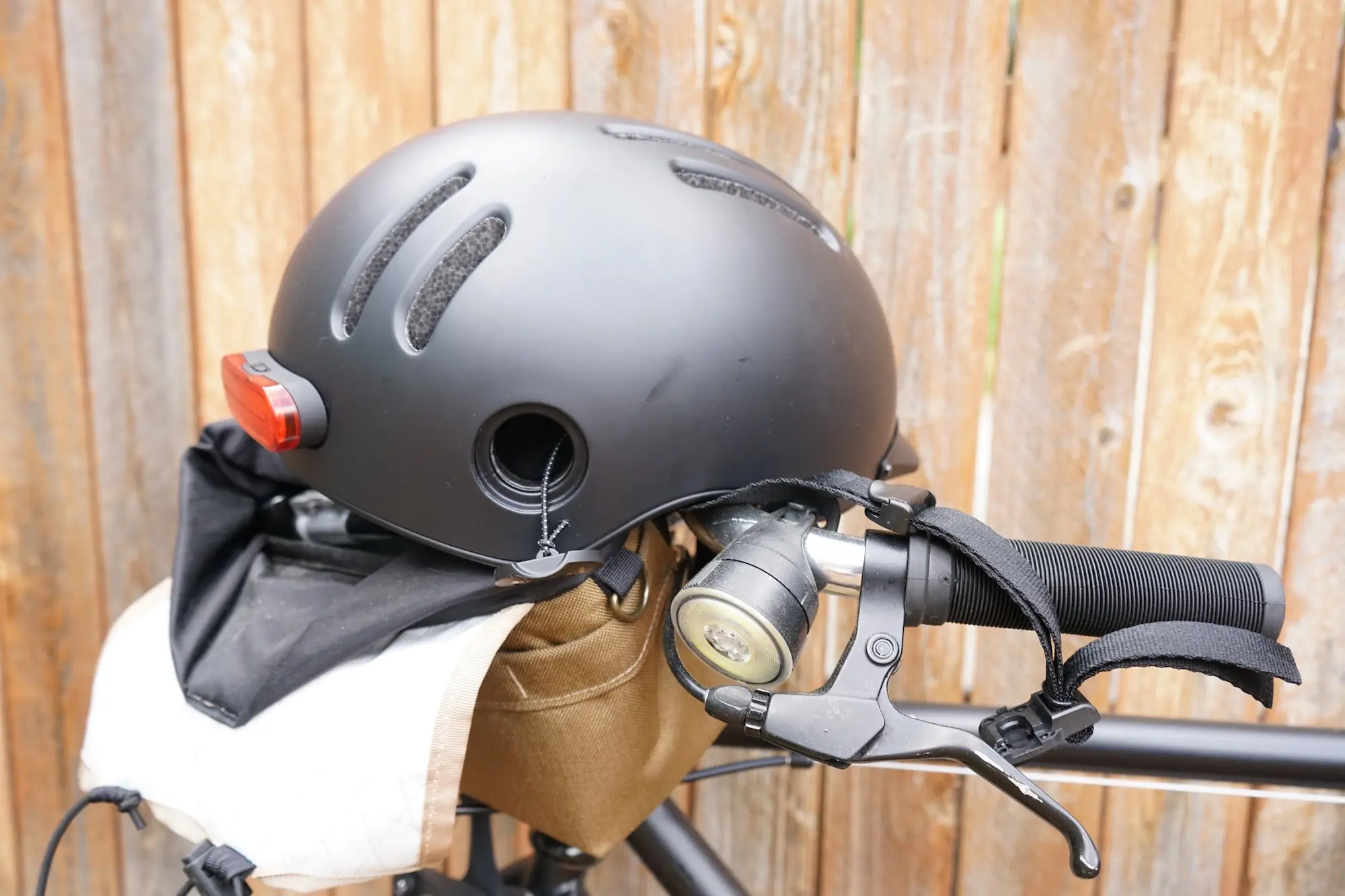
Credit: gearjunkie.com
Budget And Brand Choices
Choosing the right helmet for bikepacking trips means balancing cost and quality. Your budget affects which helmets you can afford. Trusted brands offer reliable protection and comfort.
Knowing price ranges and brand reputations helps you find helmets that fit your needs. Warranty and replacement policies also add value to your purchase.
Price Ranges
Helmets come in many price ranges. Lower prices usually mean basic features and materials. Higher prices often include better ventilation, lighter weight, and advanced safety technology.
- Low range: $30 to $60, good for casual riders and short trips.
- Mid range: $60 to $120, offers better fit and more features.
- High range: $120 and above, designed for serious bikepackers and long rides.
Trusted Brands
Pick helmets from brands known for safety and durability. These brands test their helmets to meet high safety standards. They also provide good customer support.
- Giro
- Bell
- Specialized
- Smith
- POC
Warranty And Replacement Policies
Check the warranty and replacement options before buying. A good warranty covers defects and damage. Some brands offer crash replacement programs.
| Brand | Warranty Length | Crash Replacement |
| Giro | 2 years | Yes |
| Bell | 3 years | Yes |
| Specialized | 2 years | Yes |
| Smith | Limited lifetime | No |
| POC | 5 years | Yes |
Maintenance And Replacement
Keeping your helmet clean and knowing when to replace it keeps you safe on bikepacking trips.
Regular checks help your helmet work well and protect your head in case of a crash.
Cleaning Tips
Clean your helmet often to remove dirt and sweat. Use mild soap and water only.
- Remove the pads and wash them by hand.
- Wipe the helmet shell with a soft cloth.
- Do not use harsh chemicals or strong detergents.
- Let the helmet dry naturally away from direct sunlight.
When To Replace A Helmet
Replace your helmet after five years or if it shows any damage. Old helmets lose strength over time.
| Reason | Replacement Time |
| Crash impact | Immediately |
| Visible cracks or dents | Immediately |
| Helmet age | Every 5 years |
| Worn straps or buckles | When damaged |
Post-accident Checks
Check your helmet after any crash, even if you feel fine. Damage may be hidden inside.
- Look for cracks in the shell and foam.
- Check that straps and buckles still work well.
- If unsure, replace the helmet to be safe.
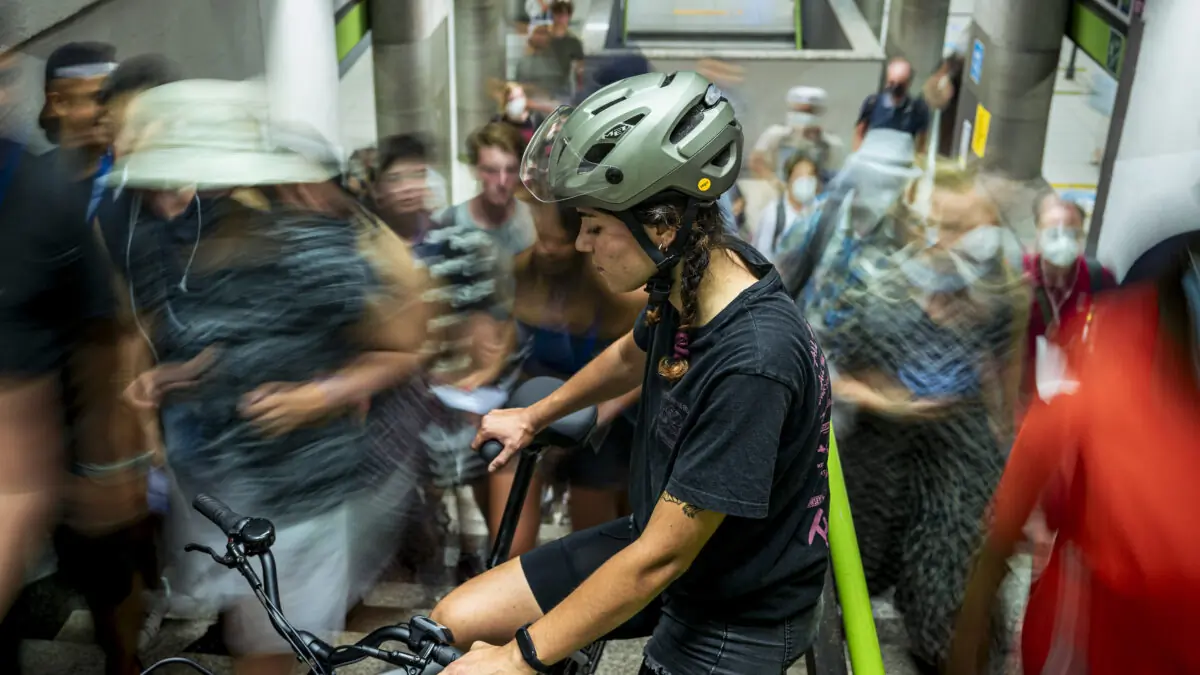
Credit: gearjunkie.com
Frequently Asked Questions
What Factors To Consider When Choosing Bikepacking Helmets?
Consider safety certifications, helmet fit, ventilation, weight, and durability. Choose helmets with MIPS or similar tech for extra protection. Ensure it fits snugly and comfortably for long rides. Good ventilation keeps you cool on extended trips. Lightweight helmets reduce neck fatigue.
How Important Is Helmet Ventilation For Bikepacking?
Ventilation is crucial for comfort during long rides. It helps regulate temperature and prevent overheating. Well-ventilated helmets improve airflow and reduce sweat buildup. This enhances focus and reduces discomfort on hot or strenuous routes.
Should I Prioritize Helmet Weight For Bikepacking Trips?
Yes, lighter helmets reduce neck strain and fatigue over long distances. However, balance weight with safety features and durability. Avoid very heavy helmets, as they can cause discomfort and reduce riding endurance.
Are Multi-sport Helmets Suitable For Bikepacking?
Multi-sport helmets can work if they meet bike safety standards. Check for proper certification and ventilation suitable for cycling. Bike-specific helmets usually offer better comfort and protection for bikepacking.
Conclusion
Choosing the right helmet is crucial for safe bikepacking trips. Safety should always be your top priority. Consider helmets with a snug fit and good ventilation. Lightweight designs make long rides more comfortable. Check for certifications to ensure quality. Reflective elements improve visibility at night.
Adjustable straps offer a better fit. Don’t forget about style; you should like wearing it. Helmets protect your most valuable asset—your head. Make your choice wisely. Enjoy your bikepacking adventures safely and confidently. Happy trails!



