
Are you frustrated with your road bike brakes not working as smoothly as they should? We’ve all been there.
The thrill of the ride can quickly turn into a nerve-wracking experience when your brakes don’t respond as expected. But don’t worry, adjusting your road bike brakes is easier than you might think. Imagine the peace of mind knowing your bike will stop precisely when you need it to.
This guide will walk you through the simple steps to make your brakes responsive and safe again. With just a bit of time and a few tools, you’ll transform your cycling experience. Ready to take control and enjoy a smoother ride? Let’s dive in.

Credit: www.bikeradar.com
Tools Needed
To adjust road bike brakes, you need some basic tools. A screwdriveris essential for tightening screws. Use an Allen wrenchto adjust brake pads. A cable pullerhelps with brake cable adjustments.
Another useful tool is a wrench. It adjusts the brake caliper. A rulercan measure the brake pad distance. Finally, a clean clothis good for cleaning dirt.
Gather these tools before starting. It makes the job easier. Proper tools lead to better results.
Assessing Brake Condition
Regularly inspect brake pads for wear and tear to ensure safety. Adjust tension for smooth operation. Check alignment with the wheel rim for optimal performance.
Inspecting Brake Pads
Brake pads are crucial for safe rides. Look for wear and tear. Worn brake pads can’t stop bikes well. Use a flashlight to see them better. Ensure pads touch rims evenly. Uneven wear means adjustments are needed. Check if pads are too thin. Thin pads need replacing. Keep pads clean for effective braking.
Checking Brake Cables
Brake cables connect levers to brakes. Check if they’re tight enough. Loose cables reduce braking power. Feel cables for any frays or damage. Frayed cables must be replaced. Test brake levers too. They should feel firm when squeezed. If levers are spongy, cables might be loose. Adjust cables for better performance. Ensure everything is secure after checking.
Positioning Brake Pads
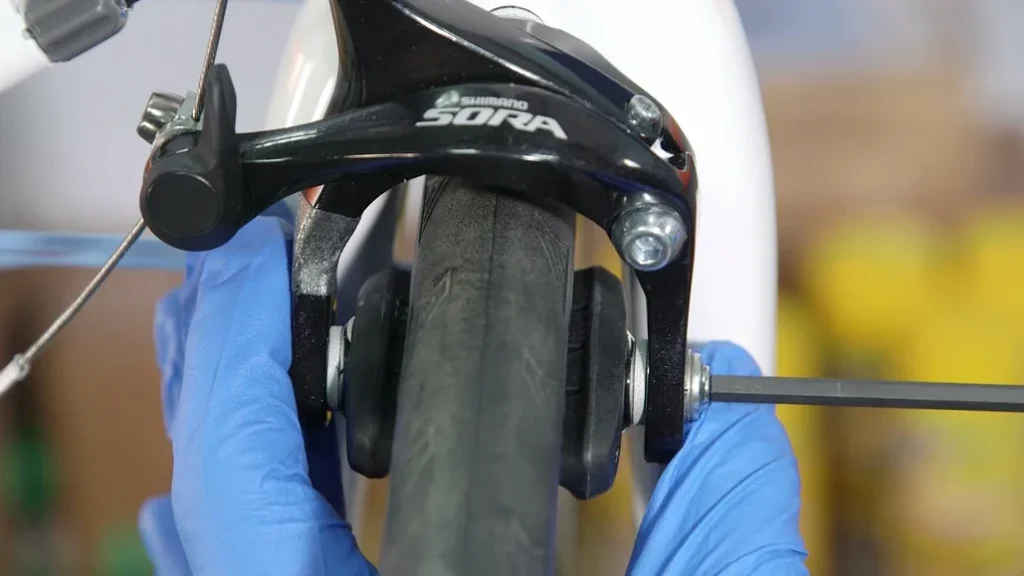
Brake pads must touch the rim evenly. Check both sides are equal. Look from above to see the alignment. If misaligned, adjust them using the bolt. Loosen the bolt and move the pad. Ensure the pad hits the rim center. Avoid touching the tire. This can cause damage. Tighten the bolt firmly after adjusting. Make sure everything is secure.
Ensure the pad height is perfect. The pad should not touch the tire. Move the pad up or down to fit right. Use a wrench to adjust it. Check the brake lever after adjustment. It should feel smooth and firm. Test the brakes by pressing the lever. Make sure the pad grips the rim well. Repeat if needed for best results.
Tightening Brake Cables
Tightening brake cables on a road bike ensures smoother and safer rides. Begin by loosening the barrel adjuster on the brake lever. Then, pull the cable tighter and secure it.
Setting Cable Tension
Begin by loosening the bolt on the brake arm. This allows the cable to move. Pull the brake lever gently. The pads should touch the rim. Hold the lever in place. Tighten the bolt on the brake arm again. This sets the cable tension. Check the brakes by squeezing the lever. The wheel should stop quickly. Adjust if the brakes feel loose. Repeat until the tension feels right.
Securing Cable Ends
Once the tension is set, look at the cable ends. These need securing to avoid slipping. Use cable end caps or electrical tape. Wrap the ends tightly. This prevents them from fraying. Check that the cable is secure. The brakes should work well now. Test by riding a short distance. Ensure everything feels safe and secure.
Adjusting Brake Lever Reach
Ensure the leveris easily reachable. Adjust the angle if needed. It should feel comfortable when you grip it. Make sure there’s no strain on your fingers. Proper positioning improves safetyand control.
- Test the reach with your fingers.
- Adjust the lever closer if needed.
- Ensure the grip feels natural and easy.
- Check for any discomfort while braking.
- Repeat adjustments until perfectly comfortable.
Testing Brake Performance
Press the brake lever gently. Feel if the brakes stop the wheel. Ensure the bike stops smoothly. Check for any squeaky noises. The brakes should not feel too loose. They must not be too tight either. Adjust as needed for a perfect fit. Observe how the bike reacts. Does it stop quickly? This shows good brake performance.
Brakes might not work well sometimes. Check the brake pads first. They should not be worn out. Look at the brake cables next. They must be tight and not frayed. Ensure the brake lever is not loose. If the brakes still don’t work, seek help. A bike shop can fix it quickly. Good brakes keep you safe on the road.
Maintenance Tips
Adjusting road bike brakes ensures a safe ride. Begin by checking the brake pads’ alignment with the rim. Tighten or loosen the brake cable to achieve the right tension for smooth braking.
Regular Inspections
Inspect your bike brakes often to ensure safety. Check brake pads for wear and tear. Look for uneven surfaces or thickness. Pads should be changed if they look worn out. Also, check the brake cables for any fraying or rust. Tighten any loose bolts and nuts. Ensure the brake levers are smooth and not sticky. Regular checks keep you safe while riding.
Replacing Worn Components
Replace worn brake pads promptly. Use the correct size for your bike. Always refer to your bike’s manual. This ensures you buy the right parts. Change cables if they look old or damaged. Fresh cables help in smooth braking. Use quality tools for replacing parts. This makes the task easier and safer.

Credit: www.bikeradar.com

Credit: www.bikeradar.com
Frequently Asked Questions
How To Adjust Bike Brakes To Stop Rubbing?
Align the brake pads parallel to the rim. Loosen the caliper bolt, adjust, and retighten. Ensure wheel is centered. Adjust brake cable tension using barrel adjuster. Test brakes and fine-tune if necessary.
How To Adjust V Brakes On Road Bike?
To adjust V brakes on a road bike, first loosen the brake cable pinch bolt. Align brake pads parallel to rims. Adjust cable tension for proper pad contact. Finally, tighten the pinch bolt and test brake efficiency.
How To Position Brake Levers On A Road Bike?
Position brake levers to align with your wrists when gripping the handlebars. Ensure easy reach for fingers. Levers should be parallel to the ground or slightly angled upward. This enhances comfort and control. Adjust based on personal preference and riding style for optimal performance.
How To Adjust Shimano Hydraulic Disc Brakes On A Road Bike?
To adjust Shimano hydraulic disc brakes, align calipers correctly, ensure rotors are clean, and bleed brakes if needed. Use a 5mm Allen key to fine-tune caliper position. Test brake feel and adjust lever reach as necessary. Regular maintenance ensures optimal performance and safety.
Conclusion
Adjusting road bike brakes is simple with practice. Regular checks ensure safe rides. Follow the steps outlined for best results. Properly adjusted brakes enhance performance. Safety first on every journey. Tools needed are basic and easy to find. Take time to understand your bike.
Maintenance extends its life and ensures smooth rides. Don’t rush the process. Patience pays off. Share your experiences with friends. Encourage them to maintain their bikes too. A well-maintained bike offers great adventures. Enjoy every ride with confidence and peace of mind.
Stay safe and keep pedaling!



