
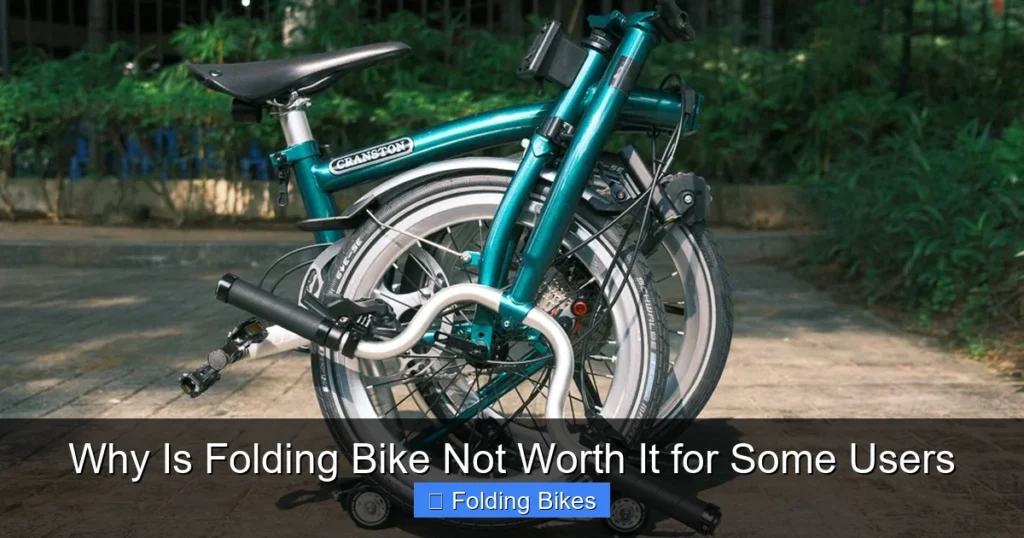
Folding bikes offer convenience and portability, but they’re not the best fit for everyone. This guide explains why some users find them less practical for long rides, rough terrain, or heavy loads, helping you make a smarter buying decision.
Key Takeaways
- Comfort is limited on long rides: Smaller wheels and upright posture can cause discomfort over extended distances.
- Performance lags on hills and rough terrain: Folding bikes often lack the gear range and suspension needed for challenging routes.
- Weight and durability trade-offs: Despite being foldable, many models are heavier than expected and less durable under stress.
- Higher cost for compact features: You often pay more for portability without getting top-tier components.
- Not ideal for heavy riders or cargo: Weight limits and frame design may not support larger riders or touring loads.
- Maintenance can be trickier: Unique hinges and compact parts require specialized care and tools.
- Storage benefits don’t always outweigh drawbacks: While great for apartments, the ride quality may not justify the compromise.
Introduction: Are Folding Bikes Right for You?
Folding bikes are often praised for their space-saving design and portability. They’re perfect for city dwellers, commuters with tight storage, or travelers who want to bring their bike on trains and planes. But while they sound like a dream solution, they’re not the best choice for every rider. In this guide, we’ll explore why folding bikes might not be worth it for some users—helping you decide if the trade-offs are worth it for your lifestyle.
You’ll learn about comfort limitations, performance issues, cost concerns, and practical drawbacks. Whether you’re considering a folding bike for commuting, touring, or casual rides, this guide will give you the real talk you need before making a purchase.
1. Limited Comfort on Long Rides
One of the biggest reasons folding bikes fall short for some riders is comfort—especially on longer journeys. While they’re great for short commutes, they often struggle to provide the same level of comfort as full-sized bikes.
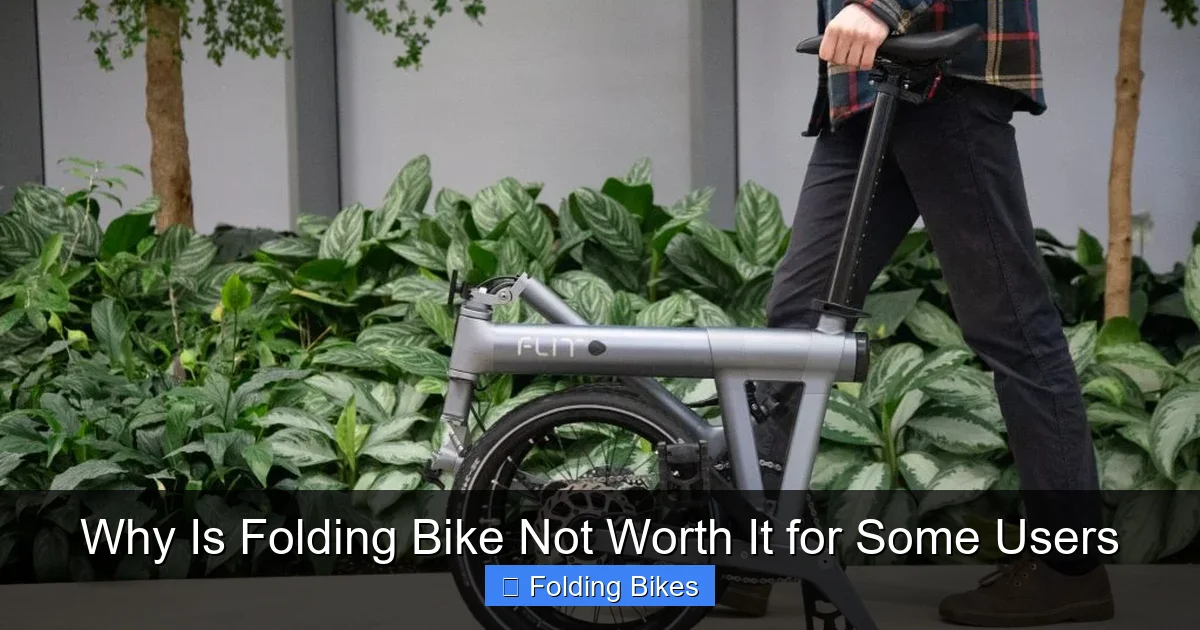
Visual guide about Why Is Folding Bike Not Worth It for Some Users
Image source: flit.bike
Smaller Wheels, More Bumps
Most folding bikes use 16″ to 20″ wheels, which are smaller than the 26″ or 700c wheels found on standard bikes. Smaller wheels don’t roll over bumps and cracks as smoothly, leading to a rougher ride. This can be especially noticeable on uneven city streets or gravel paths.
For example, if you’re planning a weekend ride through the countryside or a multi-day tour, the constant jolting from small wheels can lead to fatigue and discomfort. In contrast, bikes with larger wheels offer better shock absorption and a more stable ride—something you’ll appreciate over time.
Upright Riding Position
Folding bikes typically have an upright geometry, which is easier on the back and neck for short trips. But this position can become tiring on longer rides because it puts more pressure on your wrists and sit bones. Over time, this can lead to soreness and reduced endurance.
If you’re used to the more aerodynamic posture of a road bike or the relaxed recline of a recumbent bike, you might find folding bikes uncomfortable for anything beyond 10–15 miles.
Less Suspension and Padding
Many folding bikes come with minimal or no suspension. Even if they have front suspension, it’s often basic and not tuned for rough terrain. Combined with thin tires and minimal seat padding, this makes long rides less enjoyable.
For a smoother experience on extended trips, consider bikes designed specifically for comfort, like those reviewed in our guide on which bike is most comfortable for long rides.
2. Poor Performance on Hills and Rough Terrain
Folding bikes are built for convenience, not performance. This becomes clear when you hit steep hills or uneven paths.
Limited Gear Range
Many folding bikes come with fewer gears than traditional bikes. Some entry-level models only have 3 to 7 speeds, which isn’t enough for steep climbs or fast descents. This forces you to pedal harder uphill or coast uncontrollably downhill.
If you live in a hilly area or enjoy mountain biking, a folding bike may not give you the control you need. For better hill performance, check out our recommendations for best budget mountain bike for beginners, which offer better gearing and durability.
No Suspension or Weak Suspension
Most folding bikes lack rear suspension, and front suspension (if present) is often lightweight and not very effective. This makes them poorly suited for off-road trails, gravel roads, or even bumpy city paths.
Riding over roots, rocks, or potholes can feel jarring and unsafe. If you’re planning to explore trails or ride in rough conditions, a mountain bike or hybrid with proper suspension will serve you much better.
Heavier Than They Seem
Despite their compact size, many folding bikes are surprisingly heavy—often 25 to 35 pounds. This is due to the reinforced hinges and frames needed to maintain stability when folded. The extra weight makes climbing hills even harder and reduces overall agility.
For comparison, a standard road bike might weigh 18 to 22 pounds, making it easier to accelerate and maneuver.
3. Higher Cost for Compromised Quality
Folding bikes often come with a premium price tag, but that doesn’t always mean better quality.
Paying for Portability, Not Performance
The folding mechanism adds complexity and cost. You’re paying for hinges, latches, and reinforced joints—features that don’t improve ride quality. As a result, many folding bikes in the $500–$1,000 range have components that are inferior to non-folding bikes at the same price.
For example, you might get basic derailleurs, weaker brakes, or lower-quality tires. These parts wear out faster and offer less precision, especially under stress.
Limited Upgrade Options
Because of their unique design, folding bikes often have proprietary parts that are hard to replace or upgrade. Want better tires? You might be limited to specific sizes. Need a new seat post? It could be custom-fit and expensive.
This lack of compatibility makes long-term maintenance more difficult and costly. In contrast, standard bikes use widely available parts, making upgrades and repairs simpler and cheaper.
4. Not Suitable for Heavy Riders or Cargo
Folding bikes are designed for light to moderate use, which can be a problem for heavier riders or those who need to carry gear.
Lower Weight Limits
Most folding bikes have a maximum rider weight limit between 220 and 250 pounds. If you’re over this limit, the frame and hinges may wear out faster or even fail under stress. This makes them a risky choice for larger riders.
If you need a bike that can handle more weight, consider models built for durability, like those in our guide on best road bike for heavy riders.
Poor Cargo Capacity
Folding bikes typically have limited mounting points for racks, panniers, or baskets. Even if you can attach a rear rack, the small wheels and frame design make it hard to balance heavy loads.
This makes them a poor choice for bike touring, grocery runs, or commuting with a laptop and change of clothes. For reliable cargo transport, a touring bike or hybrid with strong rack compatibility is a better option.
5. Maintenance and Repair Challenges
Folding bikes require more specialized care than regular bikes, which can be a hassle for casual riders.
Complex Hinge Mechanisms
The folding hinges are critical to the bike’s function, but they’re also prone to wear and require regular lubrication and tightening. If a hinge loosens, the bike can feel unstable or even unsafe to ride.
Unlike standard bike frames, these hinges aren’t user-friendly to repair. You may need to visit a specialist shop, which can be inconvenient and costly.
Hard-to-Find Parts
Because folding bikes are less common, replacement parts can be harder to find. If you damage a hinge or need a specific bolt, you might have to order it online and wait days for delivery.
For beginners, this can be frustrating. A basic bike tool kit for beginners won’t cover all the unique tools needed for folding bike maintenance.
6. Storage Benefits Don’t Always Justify the Compromise
Yes, folding bikes save space—but is that worth the trade-offs?
Great for Tiny Apartments, Not for Everyone
If you live in a small studio or share a home with limited storage, a folding bike can be a lifesaver. But if you have a garage, balcony, or bike rack, the space-saving advantage diminishes.
And remember: just because it folds doesn’t mean it’s lightweight. Many folding bikes are still too heavy to carry upstairs easily, especially if you’re not strong or have mobility issues.
Not Ideal for Frequent Folding
Folding and unfolding a bike takes time and practice. If you’re hopping on and off public transit multiple times a day, the process can become tedious. Plus, dirt and grime can build up in the hinges, making them stiff or noisy.
For daily commuters who don’t need to fold their bike often, a compact commuter bike or hybrid might offer better ride quality without the hassle.
Troubleshooting Common Folding Bike Issues
If you already own a folding bike and are experiencing problems, here are some quick fixes:
- Squeaky hinges: Clean and lubricate the folding mechanisms with bike-specific grease.
- Wobbly ride: Check that all hinges are fully locked and tightened. Never ride with a loose hinge.
- Flat tires: Use a folding bike pump designed for small valves and limited space.
- Gear slipping: Adjust the derailleur or take it to a shop—small wheels and short chainstays can make tuning tricky.
Conclusion: Is a Folding Bike Worth It for You?
Folding bikes are innovative and convenient, but they’re not the best choice for every rider. If you prioritize comfort, performance, or durability—especially for long rides, hills, or heavy loads—you may find that a folding bike doesn’t meet your needs.
They shine in specific situations: urban commuting, travel, and small-space living. But for serious cycling, touring, or rough terrain, a traditional bike will almost always offer a better experience.
Before buying, ask yourself: What will I use this bike for most? How important is ride quality vs. portability? By weighing the pros and cons honestly, you’ll avoid disappointment and choose the right bike for your lifestyle.



