
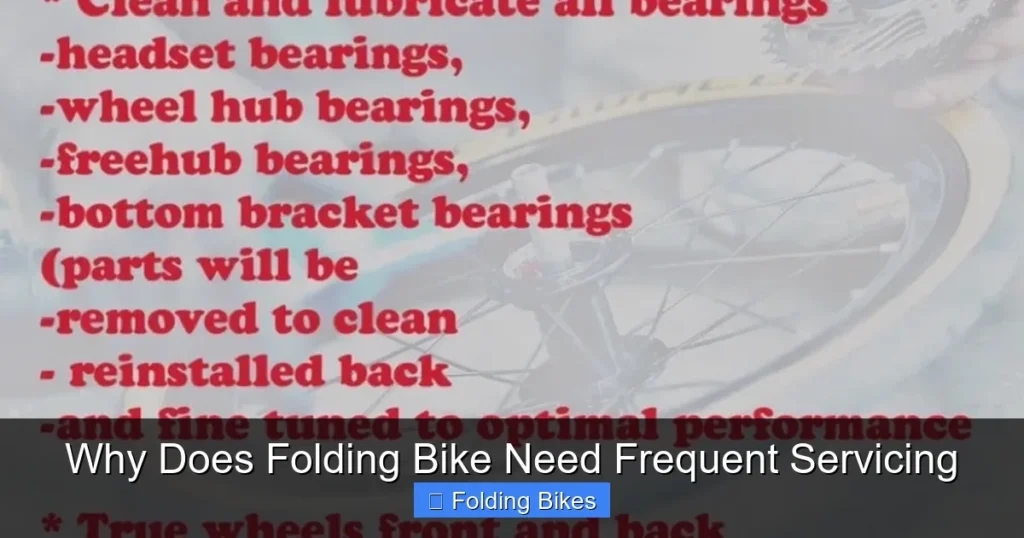
Folding bikes require more frequent servicing than standard bikes due to their complex hinges, compact design, and frequent use in varied conditions. Regular maintenance ensures safety, extends lifespan, and prevents costly repairs.
Key Takeaways
- Complex folding mechanisms: Hinges and latches endure stress and need regular lubrication and tightening to prevent wear and failure.
- Compact components wear faster: Smaller wheels and drivetrains experience higher stress, leading to quicker degradation.
- Frequent folding increases wear: Each fold and unfold cycle stresses joints and cables, requiring inspection after heavy use.
- Exposure to elements: Folding bikes are often used in urban and wet environments, accelerating rust and corrosion.
- Cable and brake sensitivity: Tight spaces make cables prone to kinking and brakes less forgiving, demanding frequent checks.
- Importance of routine checks: A simple 10-minute weekly inspection can prevent major breakdowns and ensure rider safety.
- Professional servicing recommended: At least twice a year, take your folding bike to a specialist for deep maintenance.
Why Does Folding Bike Need Frequent Servicing?
If you own a folding bike, you already know how convenient and versatile it is—perfect for commuting, travel, or squeezing into small apartments. But what you might not realize is that this very convenience comes with a trade-off: folding bikes need more frequent servicing than regular bicycles. Unlike standard bikes, folding bikes have unique mechanical stresses due to their compact design, folding mechanisms, and frequent use in diverse environments.
In this guide, you’ll learn exactly why your folding bike demands extra attention, what parts wear out fastest, and how to keep it running smoothly with simple, regular maintenance. Whether you’re a daily commuter or a weekend explorer, understanding these needs will save you time, money, and frustration down the road.
Understanding the Unique Design of Folding Bikes
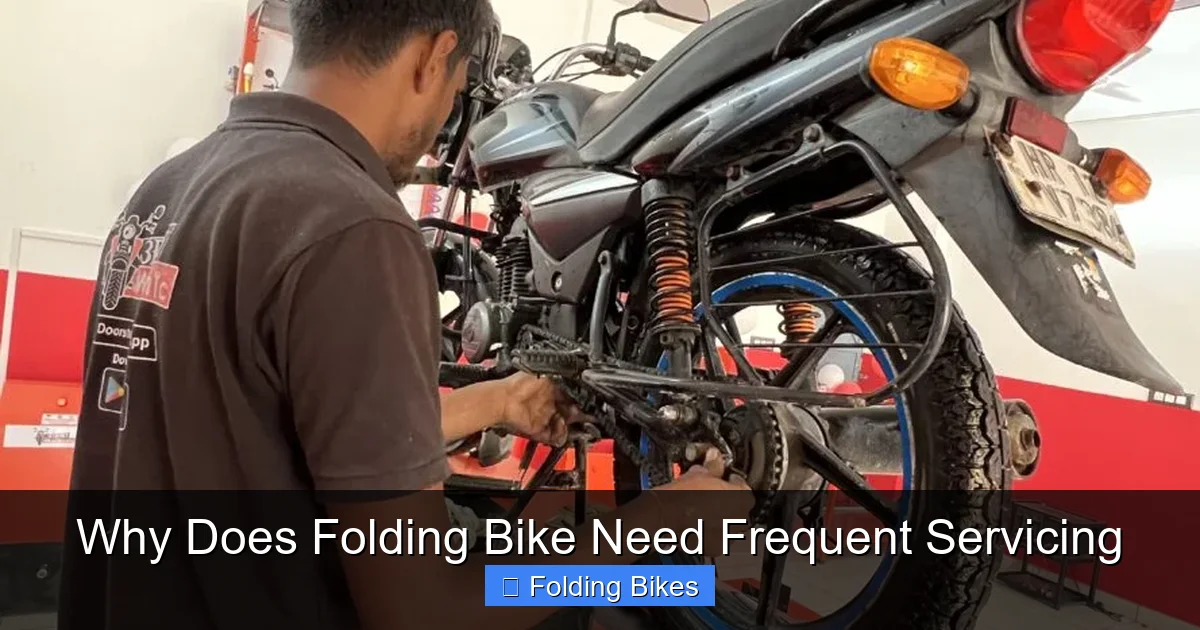
Visual guide about Why Does Folding Bike Need Frequent Servicing
Image source: apnamechanic.com
Folding bikes are engineered for portability. They feature hinges, latches, and compact frames that allow them to collapse into a small package. While this makes them ideal for urban living and travel, it also introduces mechanical complexity.
Hinges and Latches Under Constant Stress
Every time you fold or unfold your bike, the hinges and locking mechanisms endure mechanical stress. These parts are made to be strong, but repeated use—especially if not properly maintained—can lead to loosening, misalignment, or even failure. A loose hinge can cause wobbling while riding, which is not only annoying but dangerous.
Compact Frame and Smaller Wheels
Most folding bikes have 16″ to 20″ wheels, which may seem sturdy but actually experience higher rotational forces and impact per mile compared to larger wheels. This means tires, rims, and spokes wear out faster. Additionally, the shorter wheelbase and compact geometry make the bike more sensitive to imbalances and misalignments.
Drivetrain in Tight Spaces
The drivetrain on a folding bike is often crammed into a smaller space, with shorter chainstays and tighter clearances. This increases friction and wear on the chain, cassette, and derailleur. Dirt and moisture can accumulate more easily, accelerating degradation.
Common Reasons Folding Bikes Need More Frequent Servicing
Now that you understand the design challenges, let’s dive into the top reasons your folding bike needs regular check-ups.
1. Folding Mechanisms Wear Out Over Time
The very feature that makes folding bikes great—their ability to fold—is also their weakest point. Each fold and unfold cycle puts pressure on hinges, bolts, and locking levers. Over time, these components can loosen, corrode, or fail.
Practical Tip: After every 10–15 folds, check all hinges and latches. Tighten bolts with a hex key and apply a drop of lightweight lubricant to pivot points. Avoid over-tightening, as this can strip threads.
2. Cables Are Prone to Kinking and Stretching
Brake and gear cables on folding bikes run through tight bends and folds. This increases the risk of kinking, fraying, or internal corrosion. A kinked cable can lead to poor shifting or brake failure—both serious safety hazards.
Example: If your gears are slow to respond or your brakes feel spongy, it’s likely a cable issue. Inspect cables monthly for rust, fraying, or stiffness. Replace them annually or sooner if you ride in wet conditions.
3. Brakes Require Frequent Adjustment
Due to the compact design, folding bikes often use smaller brake calipers or V-brakes with shorter arms. These systems are less forgiving and require precise alignment. Even a slight misalignment can reduce stopping power.
Maintenance Tip: Check brake pad wear every month. If the pads are thinner than 1mm or unevenly worn, replace them. Also, ensure the brake arms move freely and spring back quickly after releasing the lever.
4. Tires and Tubes Are More Vulnerable
Smaller wheels mean higher pressure and less cushioning. Folding bike tires are more susceptible to punctures, especially when riding over urban debris like glass or nails. Additionally, frequent folding can stress the tire beads and valve stems.
Pro Tip: Use puncture-resistant tires and consider a tire sealant for added protection. Check tire pressure weekly—underinflated tires increase rolling resistance and risk pinch flats.
5. Chain and Drivetrain Wear Faster
The chain on a folding bike is often shorter and runs at sharper angles, increasing wear on both the chain and sprockets. Dirt and moisture accumulate quickly in the tight spaces, leading to rust and poor performance.
Maintenance Routine: Clean and lubricate your chain every 100–150 miles or after riding in rain. Use a bike-specific lubricant and wipe off excess to avoid attracting grime. For proper storage of your lubricant, follow guidelines from this guide.
6. Exposure to Weather and Urban Environments
Folding bikes are often used in cities, where they’re exposed to rain, salt, pollution, and temperature changes. These elements accelerate rust, corrosion, and wear—especially on hinges, bolts, and cables.
Prevention Tip: After riding in wet or salty conditions, wipe down your bike with a dry cloth. Pay special attention to hinges and the underside of the frame. A light coat of bike-specific protectant can help repel moisture.
How to Maintain Your Folding Bike: A Step-by-Step Guide
Regular maintenance doesn’t have to be time-consuming. With a few simple steps, you can keep your folding bike in top shape.
Weekly Quick Check (5–10 Minutes)
- Inspect tires: Look for cuts, bulges, or low pressure. Inflate to the recommended PSI (usually printed on the tire sidewall).
- Test brakes: Squeeze levers—should engage firmly without touching the handlebar.
- Check folding mechanism: Ensure all latches lock securely and hinges move smoothly.
- Listen for noises: Squeaks, clicks, or grinding sounds may indicate loose parts or lack of lubrication.
Monthly Deep Inspection (15–20 Minutes)
- Lubricate hinges and latches: Use a light oil or silicone spray. Avoid heavy grease, which attracts dirt.
- Check cable tension: Adjust gear and brake cables if they feel loose or unresponsive.
- Inspect chain: Look for rust, stiff links, or excessive wear. Clean and relubricate.
- Tighten bolts: Use a torque wrench or hex key to check stem, seat post, and hinge bolts.
Biannual Professional Service
Even with diligent home care, some tasks are best left to professionals. Take your folding bike to a bike shop every 6 months for:
- Full drivetrain cleaning and adjustment
- Brake and gear tuning
- Wheel truing and spoke tension check
- Hinge and latch inspection
Troubleshooting Common Folding Bike Issues
Even with regular maintenance, problems can arise. Here’s how to handle the most common ones.
Bike Won’t Fold Smoothly
Cause: Dirt, rust, or lack of lubrication in hinges.
Fix: Clean the hinge area with a brush, apply lubricant, and work the mechanism back and forth.
Brakes Feel Weak or Squeaky
Cause: Worn pads, misaligned calipers, or contaminated rims.
Fix: Replace pads if thin. Clean rims with isopropyl alcohol. Adjust caliper alignment.
Gears Skip or Won’t Shift
Cause: Dirty chain, stretched cable, or misadjusted derailleur.
Fix: Clean and lubricate chain. Check cable tension. If problems persist, visit a shop.
Loose or Wobbly Handlebar
Cause: Loose stem or folding joint.
Fix: Tighten all bolts gradually and evenly. Never ride with a loose handlebar.
Conclusion
Folding bikes are marvels of engineering—compact, portable, and perfect for modern lifestyles. But their unique design means they require more frequent and attentive servicing than traditional bikes. From hinges and cables to tires and drivetrains, every component is under greater stress due to folding cycles, tight spaces, and urban exposure.
By performing weekly checks, monthly maintenance, and biannual professional servicing, you’ll keep your folding bike safe, reliable, and ready for any adventure. Remember: a few minutes of care today can prevent a costly repair—or worse, an accident—tomorrow.
Treat your folding bike with the attention it deserves, and it will reward you with years of smooth, convenient rides.



